Article 1: The Blueprint of Cosmic Vision in Modern Software Architecture
Redefining How We Build for the Future
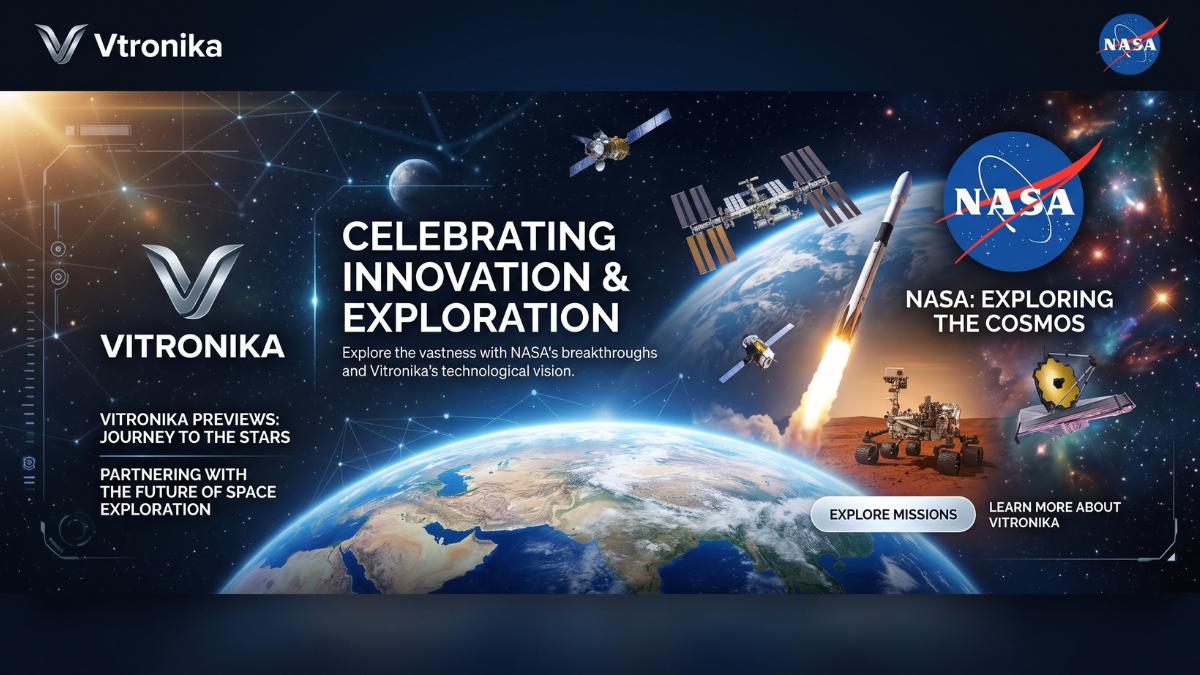
The traditional approach to software architecture is undergoing a massive paradigm shift. Historically, developers built systems for terrestrial environments where resources—like bandwidth, power, and hardware—were relatively abundant and easily accessible. However, adopting a “Cosmic Vision” means architecting digital solutions as if they were being deployed millions of miles away in the vacuum of space.
In aerospace engineering, software must operate with zero latency, absolute precision, and strict resource constraints. Every line of code is scrutinized for efficiency. Today, this philosophy is transforming terrestrial software development. Engineers are utilizing microservices architectures and containerization to build modular systems that can be updated in isolated fragments without bringing down the entire network—much like updating a satellite’s firmware while it orbits the Earth.
By applying these space-grade constraints to modern apps, developers are creating highly optimized, bloat-free software. This is particularly crucial for real-time systems like medical monitoring, financial trading platforms, and autonomous vehicles, where a microsecond delay or a memory leak can have catastrophic consequences. The cosmic blueprint forces developers to prioritize efficiency, ultimately leading to faster, more robust digital ecosystems.
Article 2: Space-Grade Resilience: Engineering Zero-Downtime Systems
The Art of Unbreakable Infrastructure
When a multi-billion dollar probe is sent to Jupiter, engineers cannot simply send a technician to reboot the server if something goes wrong. The system must possess “space-grade resilience”—the ability to anticipate, detect, and independently recover from catastrophic failures. This concept of absolute fault tolerance is now the gold standard for next-generation digital infrastructure on Earth.
To achieve this, engineers are implementing deep redundancy and self-healing algorithms. In modern cloud computing and enterprise IT, we are seeing the deployment of autonomous systems that constantly monitor their own health. If a server node fails due to a hardware glitch or a cyberattack, the system instantly reroutes traffic and spins up a backup node before the end-user even notices a disruption.
Furthermore, this resilience extends to physical hardware. Data centers are increasingly built with extreme environmental protections, mirroring the radiation-hardened components of spacecraft. By engineering for the worst-case scenarios of deep space, we are guaranteeing that our terrestrial grids—power, communications, and emergency services—remain invincible against natural disasters and human error.
Article 3: Orbital Edge Computing: The Sky is the New Cloud
How Satellite Constellations Are Redefining Data Processing
The concept of Edge Computing—processing data as close to the source as possible—is taking a literal leap into the exosphere. The deployment of massive Low Earth Orbit (LEO) satellite constellations, like Starlink and Project Kuiper, is doing more than just beaming internet to remote areas; it is creating a decentralized, orbital data center.
Traditionally, data collected by remote sensors (like a ship in the Pacific Ocean or a research station in Antarctica) had to be bounced across multiple terrestrial servers, causing high latency. With Orbital Edge Computing, space-grade processors mounted on satellites can analyze data in space. For example, a satellite monitoring a forest fire can process thermal imaging in orbit and instantly beam the exact coordinates of the fire line to firefighters on the ground, bypassing terrestrial cloud servers entirely.
This cosmic leap in data processing reduces bandwidth bottlenecks and accelerates decision-making. It proves that the future of digital solutions is not just on the ground, but suspended above us, forming a high-speed, intelligent canopy around the globe.
Article 4: AI in the Abyss: Machine Learning Forged in Deep Space
Translating Autonomous Exploration into Earthly Innovation
Space exploration generates data on an unimaginable scale. From the telemetry of the James Webb Space Telescope to the atmospheric readings of Martian rovers, human analysts cannot process it all. This has forced the creation of advanced, space-grade Artificial Intelligence (AI)—algorithms designed to learn, adapt, and make life-or-death decisions without human intervention.
The Mars Perseverance Rover, for example, uses AI to independently navigate treacherous terrain and select which rocks to laser-analyze, communicating with Earth only when necessary. This profound level of autonomous machine learning is now being reverse-engineered for terrestrial digital solutions.
Engineers are deploying these identical AI models into smart city infrastructures, allowing traffic grids to independently adapt to congestion in real-time. Similarly, in the medical field, AI algorithms originally designed to identify microscopic anomalies in distant galaxies are now being used to scan MRIs and detect early-stage cancers with unprecedented accuracy. The AI born in the abyss of space is now actively saving lives on Earth.
Article 5: Quantum Computing and the Cosmos
Unlocking the Next Technological Frontier
The relationship between space and quantum computing is symbiotic. Quantum computers, which rely on qubits that can exist in multiple states simultaneously, require environments of absolute zero temperature to function—conditions remarkably similar to the deepest, darkest corners of the universe. As we expand the boundaries of innovation, astrophysicists and quantum engineers are collaborating to build the next generation of processors.
A “Cosmic Vision” in quantum computing involves using these supreme machines to model the universe itself. Quantum systems will soon be able to simulate molecular structures, allowing us to discover new lightweight, heat-resistant materials for both spacecraft and everyday digital hardware.
On Earth, this space-grade computational power will revolutionize cryptography, logistics, and climate modeling. By mimicking the extreme conditions and complex mechanics of the cosmos, quantum engineering will shatter the limitations of classical binary computing, launching humanity into an entirely new era of digital capabilities.
Article 6: Interplanetary IoT: A Universal Network of Devices
Connecting the Unconnected Through Space-Grade Sensors
The Internet of Things (IoT) has revolutionized how our homes, factories, and cities operate. However, traditional IoT is severely limited by terrestrial cellular networks. Enter the Interplanetary IoT—a cosmic expansion of device connectivity utilizing space-grade sensors and micro-satellite relays.
Engineers are developing highly durable, low-power IoT sensors that can operate for decades without battery replacement, utilizing solar or kinetic energy harvesting inspired by deep-space probes. These sensors are being deployed in the most extreme environments on Earth: inside active volcanoes to predict eruptions, attached to the collars of endangered Arctic wildlife, and embedded in deep-sea oil rigs.
Because these devices communicate directly with LEO satellites, they create a truly global, unified digital network. This development guarantees that as we push the boundaries of innovation, no location on Earth—no matter how hostile or remote—will remain disconnected from our digital ecosystem.
Article 7: Cybersecurity in the Void: Defending with Cosmic Architecture
Threat-Hardening Our Digital World
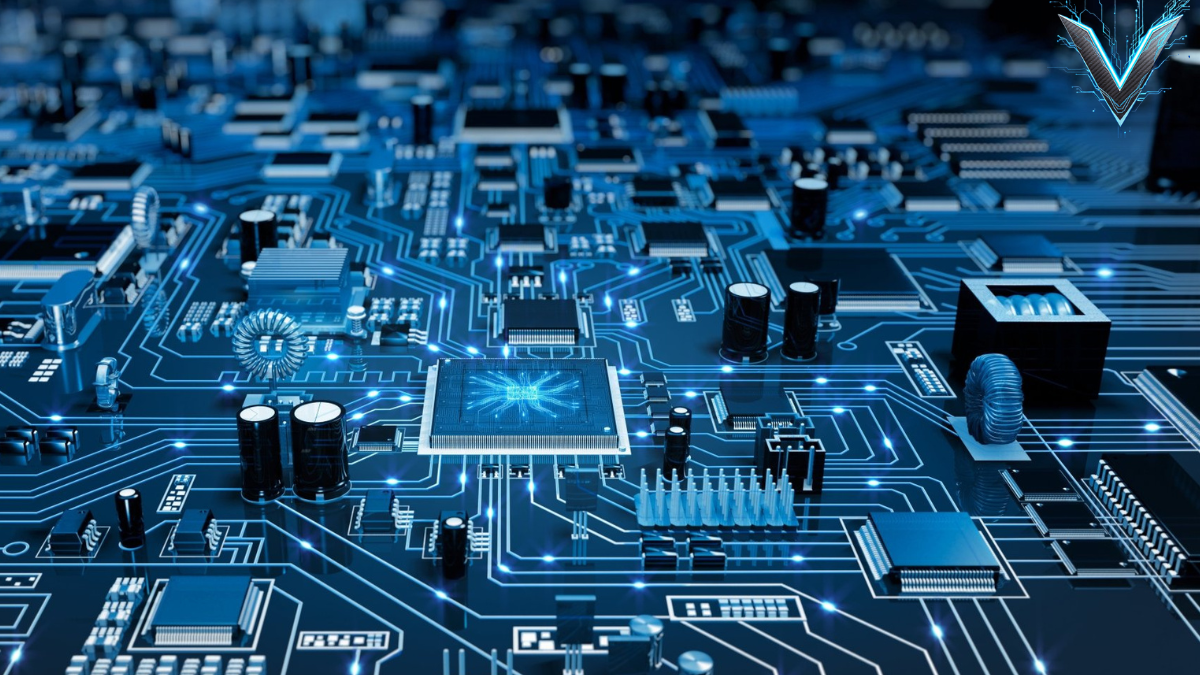
In outer space, hardware is constantly bombarded by cosmic rays and solar radiation, which can flip bits in a computer’s memory and cause catastrophic system failures. Aerospace engineers counteract this with “radiation-hardened” circuitry and redundant voting systems (where three processors do the same math, and if one disagrees, the other two override it).
This extreme defensive posture is the new foundation for next-gen cybersecurity. In the digital realm, our systems are constantly bombarded by malicious actors, ransomware, and automated botnets. Cybersecurity experts are adopting space-grade defensive architectures, transitioning to Zero-Trust Networks and Decentralized Data ledgers (like advanced blockchain).
By assuming that the digital environment is as inherently hostile as the vacuum of space, engineers are building software that compartmentalizes breaches instantly, much like a spaceship sealing off a decompressed module. This cosmic approach to security ensures that sensitive data, from global financial markets to personal identities, remains impenetrable.
Article 8: Closed-Loop Sustainability: Lessons from the ISS
Green Tech and the Future of Digital Development
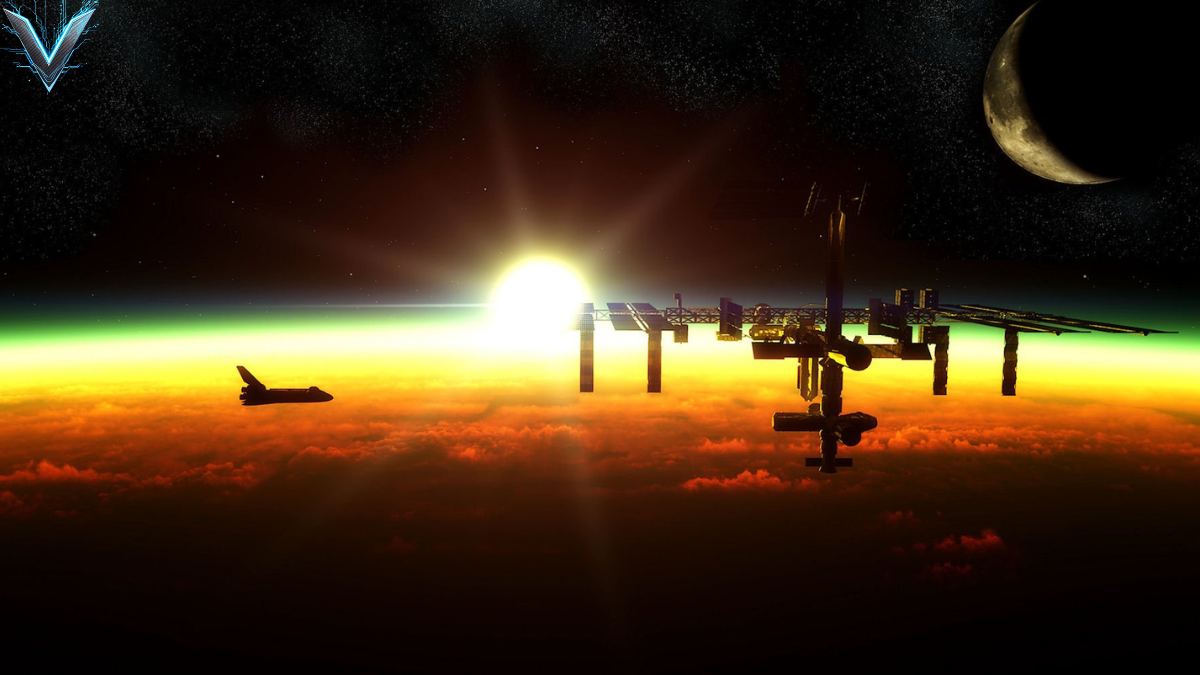
The International Space Station (ISS) is the ultimate masterpiece of sustainable engineering. It operates on a “closed-loop” system where resources are meticulously managed—solar energy is maximized, heat is recycled, and up to 98% of water (including sweat and urine) is purified and reused.
As the terrestrial tech industry faces a reckoning over its massive carbon footprint and energy consumption, engineers are turning to these space-grade sustainability models. Next-gen digital solutions are now focusing on hyper-efficient data centers. Companies are engineering facilities that use liquid immersion cooling and AI-driven thermal management, directly inspired by spacecraft life-support systems.
Furthermore, the hardware development lifecycle is embracing “circular economy” principles, designing servers and devices for maximum longevity and recyclability. Expanding the boundaries of innovation no longer just means making things faster; it means ensuring that our technological growth does not consume the very planet we are trying to improve.
Article 9: Autonomous Horizons: From Rovers to Smart Infrastructure
The Spatial Intelligence Revolution
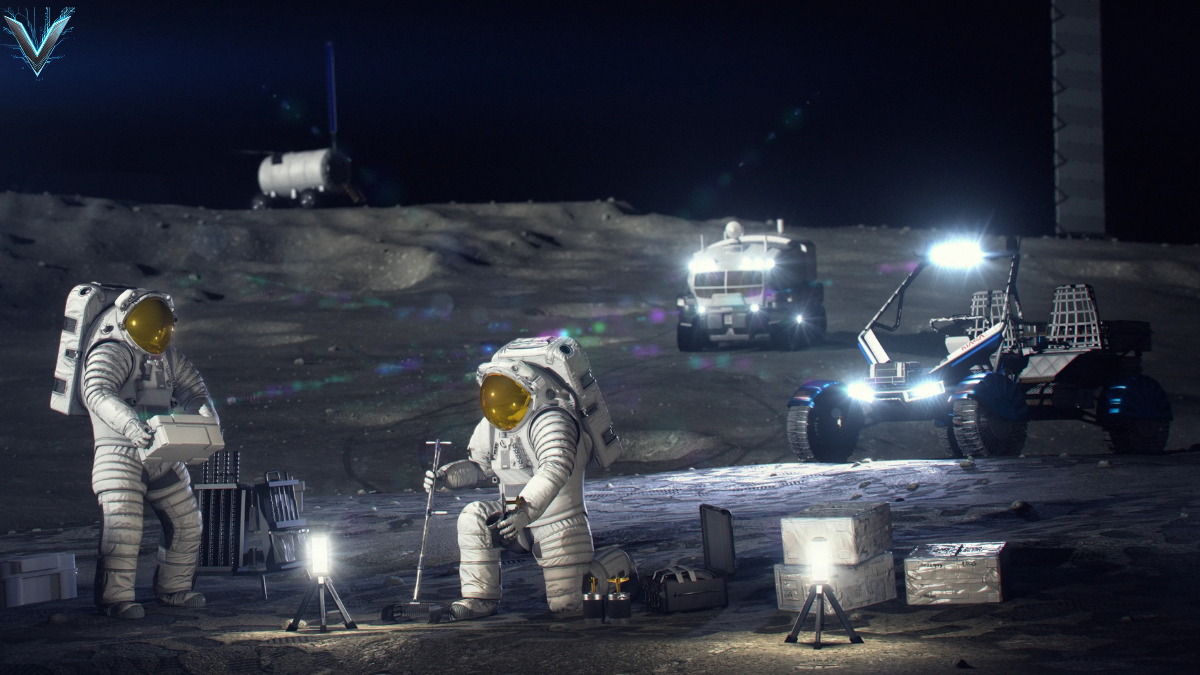
Navigating a rover across the Moon or Mars requires a sophisticated blend of LiDAR, advanced computer vision, and spatial intelligence. The machine must understand its physical surroundings in 3D, calculate risks, and move seamlessly without a human driver.
This space-grade spatial intelligence is the exact technology powering the next generation of terrestrial mobility and infrastructure. We are seeing these complex algorithms integrated into autonomous commercial fleets, agricultural drones that monitor crop health, and robotic search-and-rescue units that navigate collapsed buildings.
Moreover, this technology is the foundation of the true Metaverse and Augmented Reality (AR). By engineering digital solutions that can accurately map and interact with physical spaces—just as a rover maps a Martian crater—we are blending the digital and physical worlds. This cosmic vision of spatial computing will redefine how we work, learn, and interact with our environments.
Article 10: The Future Developer: Cultivating a Cosmic Mindset
Engineering the Human Capital for Next-Gen Tech
The most critical component of engineering next-gen digital solutions is the human element. Expanding the boundaries of innovation requires cultivating a “Cosmic Mindset” among the next generation of developers, scientists, and engineers.
Historically, software development has been highly specialized and siloed. Today, drawing inspiration from organizations like NASA and SpaceX, tech companies are prioritizing cross-disciplinary collaboration. A software engineer building a next-gen digital solution must now understand principles of physics, material science, and planetary ecology.
Cultivating this mindset involves training developers to think in terms of decades and centuries, rather than mere fiscal quarters. It challenges them to ask: Will the code I write today survive the hardware evolutions of tomorrow? Can this system scale globally, or even inter-planetarily? By instilling this space-grade ambition into the culture of technology, we ensure that humanity’s digital future remains bold, limitless, and forever expanding.