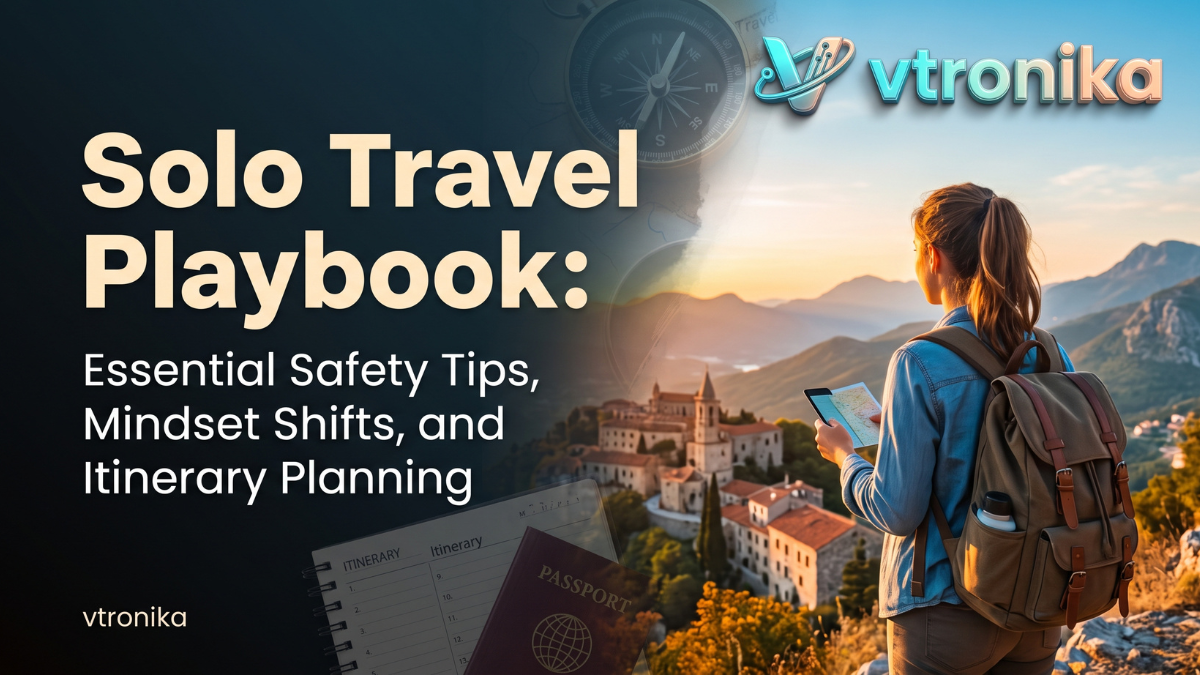

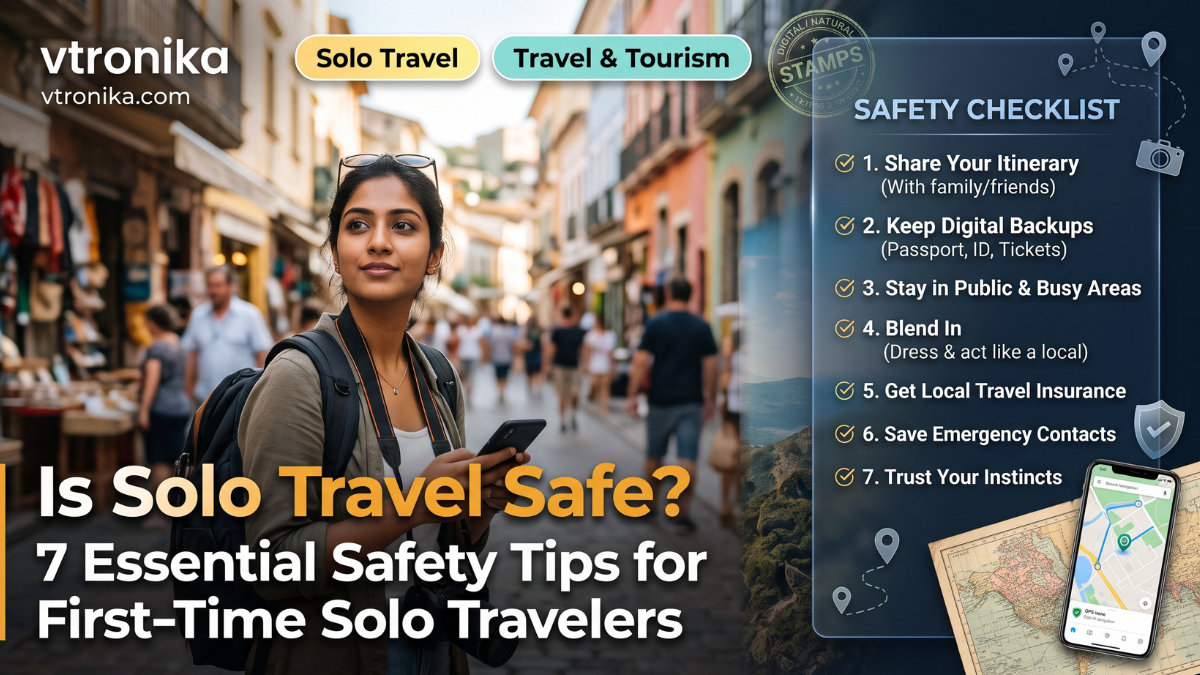
Article 1: Deconstructing the Myth – Is Solo Travel Actually Safe?
The question “Is solo travel safe?” is among the most frequent inquiries prospective independent travelers ask. The short answer is yes, but with a critical caveat: safety is not a passive condition granted by a destination; it is an active discipline practiced by the traveler.
Statistical Reality vs. Media Distortion
Mainstream news outlets naturally profit from sensationalism. A violent crime involving a foreign tourist generates international headlines, whereas millions of uneventful, enriching solo journeys conclude every month without mention.
Statistically, popular solo travel hubs—such as Japan, Portugal, Taiwan, Iceland, and broad stretches of Southeast Asia—frequently record lower violent crime rates per capita than major Western metropolitan areas like Chicago, London, or Paris.
       Risk Perception Gap:
       [ Media Amplification ] ──► Extreme Outlier Events (Kidnapping, Assault)
       [ Statistical Reality ] ──► Mundane Risks (Petty Pickpocketing, Food Poisoning, Traffic Accidents)
The true risks solo travelers encounter are rarely dramatic crimes. They are overwhelmingly mundane:
- Road traffic collisions (motorcycle rentals, reckless intercity bus transit).
- Opportunistic petty larceny (bag-snatching, pickpocketing in crowded transit hubs).
- Gastrointestinal illness and severe dehydration.
- Slip-and-fall injuries in remote natural settings without backup support.
The Objective Risk Profile of Traveling Alone
Traveling alone alters your operational baseline in two distinct ways:
- The Primary Vulnerability: You lack an external pair of eyes. When fatigue, illness, or intoxication sets in, there is no companion to watch your belongings, audit taxi routes, or guide you home safely.
- The Strategic Advantage: A solo traveler maintains a significantly lower profile than a boisterous group of tourists. A solitary individual moves quietly, integrates into local environments with ease, and makes real-time tactical adjustments without group debates.
Safety is not about eliminating risk entirely—an impossibility whether at home or abroad—but about understanding and mitigating vulnerabilities through deliberate habits.
Article 2: The Solo Threat Model – Identifying Real vs. Perceived Risks
In personal security, a Threat Model is an analytical framework used to identify what assets you must protect, who might target them, and the actual attack vectors you are likely to encounter. Applying this framework turns vague anxieties into clear, manageable precautions.
+-------------------------------------------------------------------------------+
|                       THE SOLO TRAVEL THREAT MATRIX                           |
+---------------------+-------------------+-------------------------------------+
| Risk Category       | Threat Level      | Core Vector / Target                |
+---------------------+-------------------+-------------------------------------+
| Opportunistic Theft | High Frequency,   | Pickpocketing, luggage grabs, phone |
|                     | Low Severity      | snatching from motorbikes           |
+---------------------+-------------------+-------------------------------------+
| Financial Scams     | High Frequency,   | Rigged meters, fake tickets, over-  |
|                     | Low Severity      | priced tea ceremonies, card skimming|
+---------------------+-------------------+-------------------------------------+
| Medical / Accidents | Medium Frequency, | Scooter crashes, untreated water,   |
|                     | High Severity     | heat exhaustion, altitude sickness  |
+---------------------+-------------------+-------------------------------------+
| Targeted Violence   | Low Frequency,    | Physical assault, drink spiking,    |
|                     | Extreme Severity  | kidnapping (restricted border zones)|
+---------------------+-------------------+-------------------------------------+
The Three Baseline Assets of a Solo Traveler
- Physical Autonomy & Health: Your ability to walk, think clearly, make decisions, and react instantly.
- Operational Continuity: Your smartphone, passport, primary payment cards, and core transit tickets.
- Discretionary Capital: Secondary cash reserves, backup electronics, and non-essential baggage.
Separating Cognitive Bias from Tangible Threats
- The Novelty Fallacy: Humans tend to perceive unfamiliar settings as inherently dangerous while underestimating familiar hazards at home. Walking through a bustling market in Marrakech or Hanoi often feels intimidating due to sensory overload, even when the actual risk is limited to minor overcharging or pickpocketing.
- The Transit Blindspot: Travelers frequently agonize over terrorism or violent crime while ignoring basic transit safety: riding scooters in Thailand without helmets, getting into unmetered street vehicles, or boarding overnight buses with unverified safety records.
Article 3: Tactical Pre-Trip Intelligence – Neighborhood Vetting and Arrival Logistics
Effective safety protocols begin long before you step onto an airplane. The transition phase—landing at an unfamiliar airport, navigating border control, and finding your lodging—is when solo travelers are most vulnerable to disorientation and scams.
       Arrival Vector:
       [ Deplane / Customs ]
                 │
                 ▼
       [ The Transition Zone: Arrivals Hall ] ◄── High Scam Density (Unregulated Drivers)
                 │
                 ▼ (Pre-Mapped Route / Official Transit)
       [ Daylight Check-In at Vetted Accommodation ]
Methodical Neighborhood Vetting
Never book lodging based solely on interior room photos. Conduct an environmental security audit using these steps:
- Analyze Municipal Crime Heatmaps: Review local municipal police reports or consult expat forums to identify high-theft corridors.
- The Street View Reconnaissance: Use Google Street View to inspect the 200-meter perimeter around potential accommodations. Look for broken streetlights, vacant commercial properties, heavy metal shuttering, and proximity to active transit stops.
- Review Sentiment Mining: Search hostel and hotel reviews using precise safety keywords: “safe at night”, “dark alley”, “front desk”, “neighborhood”, and “locks”. If female solo travelers repeatedly mention feeling uneasy walking back after dusk, cross the property off your list.
The Daylight Arrival Rule
For your first stop in any new country, book flights and trains that arrive between 08:00 and 15:00.
- Navigating an unfamiliar public transit system in broad daylight reduces stress and makes it easier to spot landmarks.
- If an accommodation booking fails, the property is locked, or the room is unacceptable, you have ample daylight hours to locate alternative lodging.
- Arriving after dark increases taxi reliance, narrows available assistance, and forces you to orient yourself when fatigue is highest.
Article 4: Accommodation Defense – Hotel, Hostel, and Rental Security Protocols
Your accommodation is your operational sanctuary. Once inside, you should be able to rest and recharge without worrying about property safety or personal security.
+--------------------------------------------------------------------------+
|                       ACCOMMODATION SECURITY AUDIT                       |
+-------------------+------------------------------------------------------+
| Layer             | Inspection Point & Verification                      |
+-------------------+------------------------------------------------------+
| Ground Perimeter  | 24-hour manned reception or secure electronic access.|
+-------------------+------------------------------------------------------+
| Room Entry        | Solid-core door, secondary physical deadbolt, and    |
|                   | functioning peephole.                                |
+-------------------+------------------------------------------------------+
| Window Access     | Functional latches on all exterior windows; verify   |
|                   | exterior balcony cannot be crossed from next door.   |
+-------------------+------------------------------------------------------+
Hotel Room Security Protocol
- Floor Selection Strategy: Request a room located between the second and fourth floors. Ground floors are vulnerable to exterior window break-ins; rooms above the fourth floor are often beyond the reach of standard municipal fire-truck ladders.
- The Privacy Check: At the reception counter, ensure the desk agent does not announce your room number aloud. If they do, politely ask for a different room and have them write the number down.
- The Portable Doorstop: Pack a lightweight, high-density rubber door wedge. Placing it under your room’s locked interior door prevents entry from the outside, even if someone has a master keycard.
                      [Interior Room Space]
                                │
               Door ──► │       │
                        │       ▼
               Floor ──►┴───────▲ [Rubber Wedge Forced Under Door]
Hostel Safety for Solo Travelers
Hostels are great for meeting other travelers, but communal spaces require practical vigilance:
- Bring Two Padlocks: Carry one sturdy combination padlock for standard lockers, plus a secondary flexible steel-cable lock to secure your backpack frame to your bunk when lockers are unavailable.
- Top Bunk vs. Bottom Bunk: Bottom bunks offer easier access, but top bunks provide more privacy and keep your belongings out of reach from casual passersby.
- The Night Routine: Never leave your phone charging unattended across the room. Keep high-value essentials—phone, wallet, passport—tucked inside a small dry bag placed inside your sleeping bag or under your pillow.
Article 5: Situational Awareness & The Psychology of the Non-Victim
Predatory street criminals—from pickpockets to aggressive scammers—rarely pick targets at random. They look for signs of distraction, hesitation, and vulnerability. Projecting quiet confidence is your first and most effective layer of defense.
         The Cooper Color Code:
         [ White ]  ──► Unaware, completely distracted (Face in phone, noise-canceling headphones).
         [ Yellow ] ──► Relaxed alertness (Observing surroundings, scanning exits, noting behaviors).
         [ Orange ] ──► Specific potential threat identified (Focusing on an individual closing distance).
         [ Red ]    ──► Immediate tactical reaction required (Disengaging, moving to safe ground).
The Rules of Public Demeanor
- The Navigational Glance: If you lose your bearings, do not stop in the center of a sidewalk or square to study an open map. Step inside an open shop, café, or bank lobby to review directions calmly on your phone.
- Visual Baseline Scanning: Practice keeping your head up and eyes moving naturally. Make brief, neutral eye contact with people approaching you. This signals that you have noticed their presence, which immediately discourages opportunists who rely on surprise.
- Audio Discipline: Never wear noise-canceling headphones over both ears in crowded public markets, train stations, or quiet alleys. Hearing footsteps, approaching mopeds, and ambient conversations gives you the early warning you need to avoid trouble.
Body Language: Projecting Purpose
Criminals look for targets who appear lost, indecisive, or timid. Walk with an upright posture, maintain an even stride, and move with clear direction—even if you are privately unsure of the route. When someone perceives that you know exactly where you are going, they are far more likely to look for an easier mark.
Article 6: The Digital Fortress – Communications, Live Tracking, and Cloud Redundancy
A modern traveler’s smartphone is their primary navigation tool, financial terminal, identity vault, and communication lifeline. Keeping your digital devices secure and functional is central to staying safe on the road.
               [Primary Smartphone Device]
                            │
        ┌───────────────────┼───────────────────┐
        ▼                   ▼                   ▼
[Live Location Relay]  [Encrypted Cloud]   [Cold Emergency File]
Family/trusted contact  Passports, visas,  Offline PDF stored in
via messaging apps      insurance cards    local encrypted vault
The Live Location Check-In Cadence
Set up an automated location-sharing routine with a trusted friend or family member:
- Continuous Live Tracking: Share your continuous real-time location via Google Maps, Apple Find My, or WhatsApp.
- The Scheduled Ping Protocol: Agree on a simple check-in schedule (e.g., a short text every morning and evening).
- The Duress Word System: Establish a simple, innocuous code word with your home contact. If you are forced to send a message under duress, using that specific phrase signals that you need assistance without alerting anyone watching over your shoulder.
Network Defense in Public Spaces
- Public Wi-Fi Vulnerabilities: Avoid logging into banking apps or making credit card transactions over open hostel or airport Wi-Fi networks without an active, verified Virtual Private Network (VPN).
- eSIM Reliability: Avoid relying purely on local physical SIM cards purchased at street kiosks. Set up a digital international eSIM before departing so you have cellular data the moment your plane touches down.
Article 7: Financial Security & Anti-Fraud Architecture
Losing access to your money far from home creates an immediate crisis. Managing your payment methods and cash across separate, secure locations prevents a single lost wallet or pickpocket from ending your trip.
+-------------------------------------------------------------------------------+
|                    THREE-TIER FINANCIAL ARCHITECTURE                          |
+---------------------+-------------------+-------------------------------------+
| Tier                | Location          | Contents                            |
+---------------------+-------------------+-------------------------------------+
| 1. Daily Operating  | Front pocket or   | Minimal daily cash; one secondary   |
|    Fund             | cross-body bag    | debit card with a strict app limit. |
+---------------------+-------------------+-------------------------------------+
| 2. Intermediate     | Deep hidden pouch | Secondary backup credit card;       |
|    Reserve          | (RFID-blocking)   | \$100–\$200 USD/EUR cash buffer.    |
+---------------------+-------------------+-------------------------------------+
| 3. Deep Bastion     | Accommodation     | Primary debit card; secondary cash  |
|    Vault            | locker or safe    | reserve; emergency physical passport|
+---------------------+-------------------+-------------------------------------+
Street-Level Financial Tactics
- The Decoy Wallet: In regions with higher rates of muggings or aggressive theft, carry a cheap secondary wallet containing an expired debit card and a small amount of local currency. If confronted, you can surrender the decoy immediately while keeping your primary cards and documents hidden.
- ATM Safety Rules: Only withdraw cash from ATMs physically located inside staffed bank branches during business hours. Avoid standalone, unbranded street machines in high-traffic tourist areas, which are frequently targeted with skimming devices or camera rigs.
- The Dynamic Currency Conversion (DCC) Trap: When an overseas terminal asks whether you prefer to pay in your home currency or the local currency, always choose local currency. Selecting your home currency allows the merchant’s bank to apply an inflated conversion rate, adding 5% to 10% in hidden fees.
Article 8: Social Dynamics – Boundary Management, De-escalation, and Scam Interception
Meeting fellow travelers and locals is one of the most rewarding parts of traveling alone. However, an open, friendly attitude must be balanced with clear personal boundaries and healthy skepticism when dealing with strangers.
       Scam Escalation Funnel:
       [ Unsolicited Flattery / Excessive Helpfulness ]
                             │
                             ▼
       [ Artificial Relationship Built in Minutes ]
                             │
                             ▼
       [ Relocation to Secondary Unvetted Venue ] ◄── INTERCEPT POINT (Disengage here)
                             │
                             ▼
       [ Extortionate Bill / Skimmed Card / Theft ]
The Rule of Unsolicited Approaches
In most parts of the world, ordinary working people go about their days without approaching foreign tourists on the street. When someone approaches you out of nowhere with excessive flattery, offers of private tours, or invitations to special local tea ceremonies, treat it as an active scam vector until proven otherwise.
How to Intercept and Disengage
- The Politeness Trap: Scammers often exploit a traveler’s reluctance to seem rude. You are under no obligation to continue a conversation with someone who approaches you uninvited.
- The Broken Record Technique: Keep your responses short, calm, and repetitive: “No, thank you.” If they persist, continue walking without breaking stride or apologizing.
- The “Meeting Someone” Deflection: Never tell a stranger that you are traveling alone. If asked, respond naturally: “My partner is resting back at the hotel; I’m grabbing lunch before we head out.”
Safeguarding Food and Drinks
Drink tampering can happen in both luxury nightlife venues and budget beach bars:
- Never leave your drink unattended on a bar top or table, even for a moment.
- Watch the bartender uncap your bottled beverage or pour your cocktail directly in front of you.
- If a drink tastes unusually bitter, salty, or sweet, set it down and walk away.
Article 9: Solo Medical Preparedness, Scaffolding & Evacuation
A sudden fever, severe food poisoning, or a sprained ankle can be disorienting when you are on your own. Preparing an emergency medical kit and understanding your insurance coverage ensures you can handle common illnesses without panic.
+--------------------------------------------------------------------------+
|                       SOLO MEDICAL KIT ESSENTIALS                        |
+---------------------+----------------------------------------------------+
| Category            | Specific Medications & Utilities                   |
+---------------------+----------------------------------------------------+
| Gastrointestinal    | Loperamide, Oral Rehydration Salts (ORS),          |
| Defense             | Bismuth Subsalicylate, Water Purification Tabs.    |
+---------------------+----------------------------------------------------+
| Systemic Pain       | Ibuprofen, Paracetamol/Acetaminophen.              |
| & Fever             |                                                    |
+---------------------+----------------------------------------------------+
| Allergic Response   | Cetirizine (Non-drowsy), Diphenhydramine.          |
+---------------------+----------------------------------------------------+
| Trauma & Wound Care | Antiseptic wipes, Hydrocolloid blister patches,    |
|                     | Sterile gauze, Medical tape.                       |
+---------------------+----------------------------------------------------+
The Medical Scaffold Protocol
Before arriving in a new country, create a simple medical reference file in your phone notes:
- Local Emergency Numbers: Look up the direct dispatch numbers for local ambulances and the tourist police.
- Vetted Private Facilities: Identify the leading international hospital or clinic in your arrival city. Public hospitals in developing nations can involve language barriers and long waits; knowing the location of a reliable private facility saves valuable time during an emergency.
- Travel Health Insurance Terms: Confirm that your policy includes explicit medical repatriation coverage, and keep your policy number and 24-hour emergency assistance phone number saved offline.
Article 10: Crisis Management & The Solo Exit Strategy
When an unexpected emergency strikes—whether civil unrest, a severe natural disaster, targeted harassment, or acute illness—panic only makes matters worse. Having a clear, practiced mental framework allows you to respond deliberately and move to safety.
       OODA Crisis Loop for Solo Travelers:
       [ OBSERVE ]  ──► Identify baseline deviation (Crowds surging, police cordons, tremors)
            │
            ▼
       [ ORIENT ]   ──► Determine your position relative to high-ground safety corridors
            │
            ▼
       [ DECIDE ]   ──► Choose an immediate, decisive action (Shelter-in-place vs. Transit evacuation)
            │
            ▼
       [ ACT ]      ──► Execute without hesitation; re-evaluate continuously
The Three Golden Rules of an Emergency Exit
- Step Away from Crowds: Civil protests, political demonstrations, and street brawls can escalate quickly. If you see a crowd gathering, immediately turn around and walk in the opposite direction.
- Preserve Your Exit Fund: Keep a clean, untracked emergency reserve of physical cash—typically $200 to $300 USD or EUR—hidden separately from your daily wallet. This emergency fund is reserved strictly for immediate, high-priority exits: securing a private driver to the airport, booking an urgent hotel room, or paying an emergency clinic deposit.
- Know Your Embassy’s Location: Save the physical address, phone numbers, and emergency after-hours contact details for your home country’s embassy or consular mission. In extreme crises, foreign diplomatic missions serve as primary coordination hubs for citizen welfare and evacuation.
The Final Checklist: Your Daily Solo Travel Security Routine
Before stepping outside your door each morning, run through this 30-second checklist:
- [ ] Phone Battery: At 80%+ capacity; portable power bank and charging cable packed.
- [ ] Offline Maps: Downloaded and functioning with key locations pinned.
- [ ] Funds Distributed: Daily operational cash in your front pocket; primary cards and passport locked in the room safe.
- [ ] Hydration & Meds: Personal water bottle filled; daily medications and emergency blister care packed.
- [ ] Check-In Sent: A quick message sent to your home contact confirming your destination and plans for the day.