1. Holistic Foundations: Defining True Health Beyond the Absence of Disease
Modern medicine often operates reactively, identifying symptoms and treating established pathologies. True vitality, however, is grounded in a proactive, holistic model where physical, neurological, and emotional systems function in continuous balance. Rather than merely avoiding diagnosis, an elevated state of health requires understanding the body as an interconnected biological ecosystem.
Reactive Health Model (Sedentary baseline ──► Chronic inflammation ──► Symptom management)
                                        │
                                        ▼ (Shift to Holistic Lifestyle)
Proactive Model (Cellular nutrition + Zone 2 cardio + Sleep hygiene + Stress modulation)
                                        │
                                        ▼
Optimal Human State (Homeostatic equilibrium, mitochondrial efficiency, resilient immunity)
Homeostasis—the body’s ability to maintain internal physiological stability amid external disruption—serves as the primary indicator of long-term health. When chronic mental stress, hyper-palatable artificial diets, and sedentary desk environments overwhelm this equilibrium, low-grade systemic inflammation takes root.
Establishing a complete health lifestyle begins by recognizing that physical vitality, cognitive clarity, and emotional resilience cannot be developed in isolation; optimizing one pillar naturally strengthens the others.
2. Metabolic Mastery: Blood Sugar Regulation, Insulin Sensitivity, and Energy
Metabolic health governs how efficiently the body extracts, converts, and stores energy at the cellular level. Chronic dysregulation of blood glucose and persistent hyperinsulinemia form the root drivers of non-communicable lifestyle conditions, including type 2 diabetes, non-alcoholic fatty liver disease, and cardiovascular decline.
High-Glycemic Meal (Refined starches & sugars) ──► Rapid Blood Glucose Spike
                                                              │
                                                              ▼
Pancreatic Beta-Cell Stress ◄── High Insulin Surge (Fat storage signaled)
              │                                               │
              ▼                                               ▼
Rebound Hypoglycemia (Brain fog, fatigue, cravings) ◄── Cellular Influx
Maintaining insulin sensitivity requires managing both meal composition and nutrient timing:
- Macronutrient Sequencing: Consuming soluble fiber and clean proteins before carbohydrates slows gastric emptying and dampens postprandial glucose spikes.
- Post-Meal Movement: A brisk 10-to-15-minute walk following large meals activates non-insulin-dependent glucose uptake via skeletal muscle contraction (GLUT4 translocation).
- Elimination of Liquid Sugars: Cutting out high-fructose corn syrup, sweetened lattes, and industrial fruit concentrates prevents hepatic de novo lipogenesis and systemic insulin resistance.
Stabilizing circulating blood sugar eliminates the common midday energy crashes, controls persistent hunger pangs, and protects vascular endothelium from advanced glycation end-products.
3. Cellular Nutrition: Whole Foods, Macronutrient Balance, and Micronutrients
Optimal nutrition is fundamentally an exercise in cellular communication. The molecules ingested through food deliver the biochemical instructions needed for enzymatic synthesis, DNA repair, hormonal production, and muscular tissue rebuilding. Elevating dietary quality requires stepping away from industrial ultra-processed foods and embracing nutrient-dense, whole-food frameworks.
| Core Component | Primary Biochemical Role | Optimal Whole-Food Sources |
| Complete Proteins | Amino acids for muscular repair, neurotransmitters, enzymes | Pasture-raised eggs, wild-caught salmon, grass-fed beef, lentils |
| Essential Fatty Acids | Cellular membrane fluidity & anti-inflammatory eicosanoids | Extra virgin olive oil, wild fatty fish, avocados, raw walnuts |
| Complex Carbohydrates | Sustained glycogen replenishment & prebiotic oligosaccharides | Sweet potatoes, steel-cut oats, quinoa, berries |
| Crucial Micronutrients | Cofactors for cellular ATP generation (Mg, Zn, B-Vitamins) | Dark leafy greens, pumpkin seeds, organ meats, cruciferous vegetables |
Prioritizing single-ingredient foods naturally eliminates trans fats, synthetic emulsifiers, and excessive sodium. This dietary foundation nourishes the intestinal mucosal barrier, maintains cellular membrane fluidity, and fuels sustained mitochondrial energy production throughout the day.
4. The Microbiome Axis: Gut Health, Digestion, and Systemic Immunity
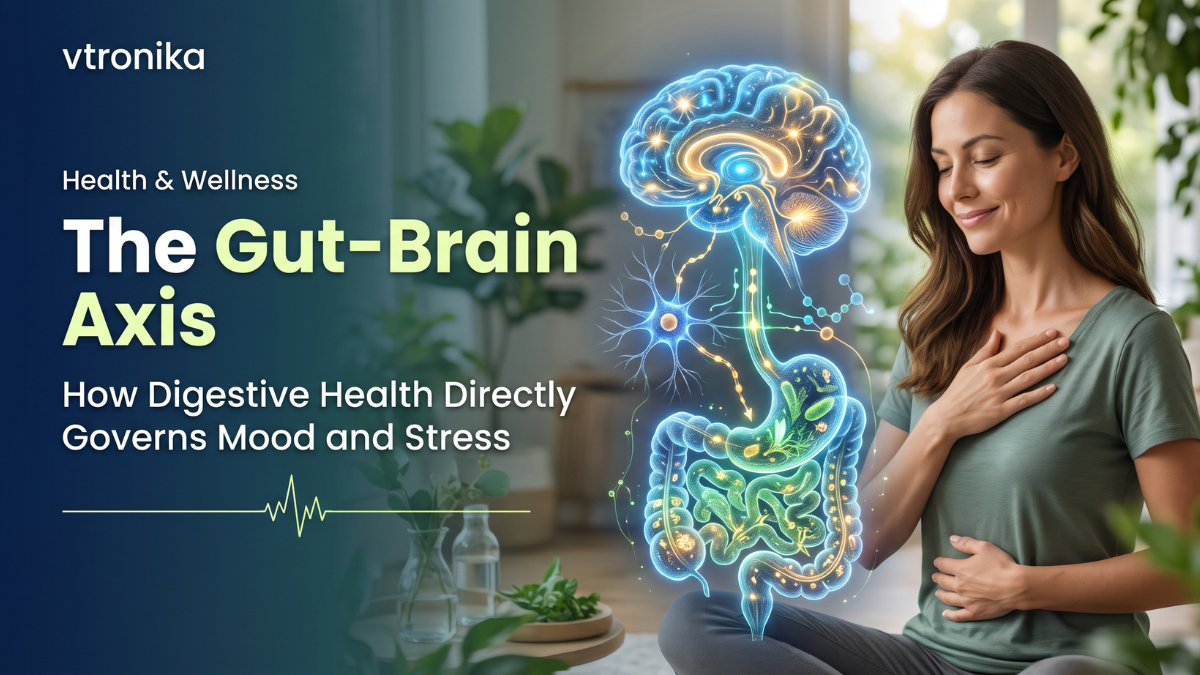
Over 70% of the human immune system and a substantial portion of neurochemical precursors reside along the gastrointestinal tract. The human gut microbiome—trillions of commensal bacteria living inside the colon—acts as a dynamic metabolic organ influencing digestion, mood, and immune regulation.
Dietary Prebiotic Fiber (Resistant starches, inulin, cellulose)
                       │
                       ▼ (Bacterial Fermentation in the Colon)
Short-Chain Fatty Acids (SCFAs: Acetate, Propionate, Butyrate)
                       │
       ┌───────────────┴───────────────┐
       ▼                               ▼
Reinforced Epithelial Tight-Junctions    Modulation of the Vagus Nerve
(Prevents endotoxin translocation)       (Supports the Gut-Brain Axis & Serotonin)
Nurturing this symbiotic microbial ecosystem requires deliberate dietary diversity:
- Diverse Plant Ingestion: Aiming for 25 to 30 distinct plant species weekly provides the diverse prebiotic fibers required by different bacterial strains.
- Fermented Foods: Regularly consuming unpasteurized kefir, kimchi, sauerkraut, and Greek yogurt reintroduces beneficial lactic acid bacteria to the digestive tract.
- Gut Barrier Preservation: Avoiding chronic use of unnecessary NSAIDs, artificial sweeteners, and alcohol protects the integrity of gut barrier proteins like occludin and zonula occludens-1.
A healthy gut lining prevents the systemic leakage of inflammatory lipopolysaccharides (LPS) into the bloodstream, directly mitigating auto-immune reactivity and mental lethargy.
5. Functional Movement and Resistance Training: Preserving Muscle and Bone
Skeletal muscle is not just a mechanism for movement; it functions as an endocrine organ that secretes signaling proteins called myokines. These compounds exhibit anti-inflammatory effects and promote systemic metabolic health. Muscle mass and bone mineral density decline naturally with age, making structured resistance training an essential tool for healthy aging.
Progressive Resistance Overload (Mechanical tension & micro-tears)
                         │
                         ▼
Myokine Secretion (IL-6 release promoting anti-inflammatory signaling)
                         │
                         ▼
Osteoblast Activation (Bone density retention via compressive load)
                         │
                         ▼
Enhanced Metabolic Sinks (Increased glycogen storage capacity & basal metabolic rate)
A well-designed functional training regimen balances three movement patterns:
- Compound Lifting: Prioritizing squats, deadlifts, overhead presses, and rows engages multiple joint systems, reinforcing spinal stability and preserving postural alignment.
- Progressive Overload: Gradually increasing weight, mechanical volume, or time-under-tension forces neuro-muscular adaptation without overtaxing joints.
- Core and Hip Stabilization: Dedicated core engagement (such as farmer’s carries and planks) protects the lower lumbar spine, reducing the chronic lower back pain common in desk-bound workers.
Maintaining lean muscle mass provides a dependable metabolic reserve, supports healthy joint function, and reduces the risk of physical frailty in later years.
6. Cardiovascular Longevity: Zone 2 Endurance and VO2 Max Conditioning
A durable cardiovascular system protects against ischemic heart disease, hypertension, and cognitive decline. Maximizing cardiovascular health requires balancing two distinct forms of conditioning: low-intensity, high-volume base building (Zone 2) and high-intensity interval training designed to elevate maximal oxygen uptake (VO2 Max).
Aerobic Base: Zone 2 (Conversational pace, 60–70% max heart rate, lactate < 2mmol/L)
              ──► Expands mitochondrial density & fatty-acid oxidation
High-End Capacity: Zone 5 / VO2 Max (Brief maximal efforts, 90–95% max heart rate)
              ──► Expands stroke volume, cardiac output & capillary density
To structure an effective weekly endurance regimen:
- Zone 2 Base Training: Dedicating 150 to 180 minutes weekly to steady-state jogging, cycling, or incline walking develops mitochondrial density in slow-twitch muscle fibers, improving cardiac stroke volume and metabolic efficiency.
- VO2 Max Protocols: Completing one session per week of the Norwegian 4×4 protocol (four minutes of high-intensity effort at 90–95% maximum heart rate, followed by three minutes of active recovery) expands oxygen transport capacity.
- Daily Non-Exercise Activity (NEAT): Maintaining a daily baseline of 8,000 to 10,000 walking steps promotes lymphatic circulation, aids venous blood return, and burns passive calories throughout the day.
Elevating VO2 Max is strongly correlated with extended functional longevity, protecting cognitive acuity and physical independence over time.
7. Sleep Architecture: Circadian Rhythms and Neurological Restoration
Sleep is an active physiological process dedicated to biological recovery, hormonal regulation, and neurological repair. The human brain relies on consistent sleep stages—specifically Deep Slow-Wave Sleep and Rapid Eye Movement (REM)—to repair cellular damage, balance hormones, and consolidate memories.
Morning Light Exposure (Retinal ganglion cells stimulate SCN ──► Cortisol release)
                                │
                                ▼ (~12 to 14 Hours Later)
Dim Light Melatonin Onset (DLMO facilitated by absence of 450nm blue light)
                                │
                                ▼
Glymphatic System Clearance (Astrocytic channels shrink to flush metabolic waste)
Building an effective sleep routine requires synchronizing the body’s internal circadian clock:
- Photobiological Anchoring: Viewing natural sunlight for 10 to 15 minutes shortly after waking suppresses residual melatonin and initiates a natural timer for evening tiredness.
- Thermal Down-Regulation: Lowering bedroom temperatures to roughly 18°C (65°F) facilitates the core body temperature drop necessary for entering slow-wave sleep.
- Glymphatic Optimization: Ceasing food consumption three hours before sleep ensures that the brain’s waste-clearance system operates efficiently throughout the night rather than competing with active digestion.
High-quality sleep balances human growth hormone secretion, regulates hunger-signaling hormones like leptin and ghrelin, and sharpens executive cognitive function for the day ahead.
8. Neuro-Somatic Stress Modulation: Breathwork, Cortisol, and Balance
While acute stress is a natural evolutionary mechanism that aids survival, chronic psychological stress floods the body with persistent levels of cortisol and epinephrine. This sustained sympathetic activation accelerates arterial stiffening, suppresses immune vigilance, and impairs prefrontal cognitive control.
Perceived Psychological Threat (Amygdala activation)
                       │
                       ▼
Sympathetic Hyper-Arousal (Elevated resting heart rate, cortisol flood, shallow breathing)
                       │
                       ▼ (Deliberate Vagal Stimulation)
Parasympathetic Down-Shift (Vagus nerve activation via extended exhalations)
                       │
                       ▼
Rest-and-Digest State (Decreased blood pressure, heart rate variability elevation)
Restoring balance to an overstimulated nervous system relies on targeted down-regulation techniques:
- Physiological Sighs: Performing two rapid nasal inhalations followed by an extended, passive oral exhalation quickly re-inflates collapsed alveoli and engages the vagus nerve, reducing acute heart rate spikes within moments.
- Heart Rate Variability (HRV) Coherence: Practicing slow, diaphragmatic breathing at five to six breaths per minute aligns cardiovascular rhythms with respiration, building neurological resilience to daily stressors.
- Somatic De-escalation: Incorporating progressive muscle relaxation, cold-water facial immersion, or quiet walks in nature dampens sympathetic tone and brings elevated cortisol back toward baseline.
Proactively managing stress protects the brain’s neuroplasticity, preserves emotional stability, and shields organ systems from the wear and tear of chronic tension.
9. Detoxification Pathways: Optimizing Hepatic, Renal, and Lymphatic Systems
The human body possesses complex, built-in detoxification networks centered in the liver, kidneys, skin, and lymphatic system. However, frequent exposure to microplastics, endocrine-disrupting compounds, heavy metals, and volatile organic chemicals can strain these organs if they are not supported by healthy lifestyle habits.
Lipophilic Toxin (Fat-soluble xenobiotic / metabolite)
                │
                ▼ (Liver Phase 1: Cytochrome P450 oxidation / reduction)
Intermediate Reactive Compound (Requires immediate antioxidant buffering)
                │
                ▼ (Liver Phase 2: Conjugation with Glutathione, Sulfate, Glycine)
Hydrophilic Compound (Water-soluble waste ready for export)
                │
        ┌───────┴───────┐
        ▼               ▼
Renal Filtration    Biliary Excretion ──► Fecal Elimination via Diet Fiber
(Urine clearance)
Supporting natural detoxification involves practical daily protocols:
- Hydration and Electrolyte Homeostasis: Consuming mineral-rich water throughout the day ensures effective glomerular filtration in the kidneys, allowing smooth clearance of urea and metabolic byproducts.
- Cruciferous Support: Consuming sulfur-rich foods like broccoli sprouts, cabbage, and garlic supplies sulforaphane, an organic compound that upregulates Phase II detoxification enzymes.
- Lymphatic Clearance: Because the lymphatic system lacks a central pump like the heart, it relies on muscular movement, deep diaphragmatic breathing, and regular sweating (via exercise or saunas) to circulate and clear cellular waste.
Optimizing these natural filtration pathways prevents sluggish toxin clearance and protects cellular health without resorting to restrictive or unscientific “detox cleanses.”
10. Habit Architecture and Sustainability: Building a Lifelong Health Plan
The most scientifically rigorous health protocol is ineffective if an individual cannot sustain it over years of shifting professional and personal demands. Transitioning to a complete health lifestyle requires designing an environment and daily routine where positive choices become low-friction habits.
| Habit Phase | Behavioral Strategy | Real-World Application |
| Cue Design | Environmental restructuring | Keeping a filled water bottle and running shoes in direct line of sight |
| Friction Reduction | Decreasing required activation energy | Pre-chopping vegetables and packing training gear the night before |
| Habit Stacking | Anchoring new behaviors to established routines | Performing five minutes of calf stretches while waiting for morning coffee to brew |
| Identity Shift | Focusing on internal self-perception | Moving from “I have to diet” to “I am someone who fuels their body with care” |
Relying solely on willpower leads to eventual decision fatigue and inconsistency. By engineering low-friction daily environments, setting realistic non-negotiable baselines, and focusing on steady consistency over short-term perfection, healthy habits naturally integrate into your daily identity, securing vibrant well-being for decades to come.