1. The Core Philosophy of Circular Fashion
Circular fashion represents a complete departure from the traditional linear model of “take, make, and dispose.” Instead, it is built on a regenerative system designed to keep garments, fabrics, and fibers in continuous circulation for as long as possible. The goal is to design waste out of the system entirely. In a circular economy, every piece of clothing is viewed not as a disposable commodity, but as a valuable resource that can be endlessly repurposed, resold, or recycled. This philosophy forces designers, manufacturers, and consumers to rethink the entire lifecycle of a garment before a single thread is even cut.
2. The Hidden Cost of the Cutting Room Floor
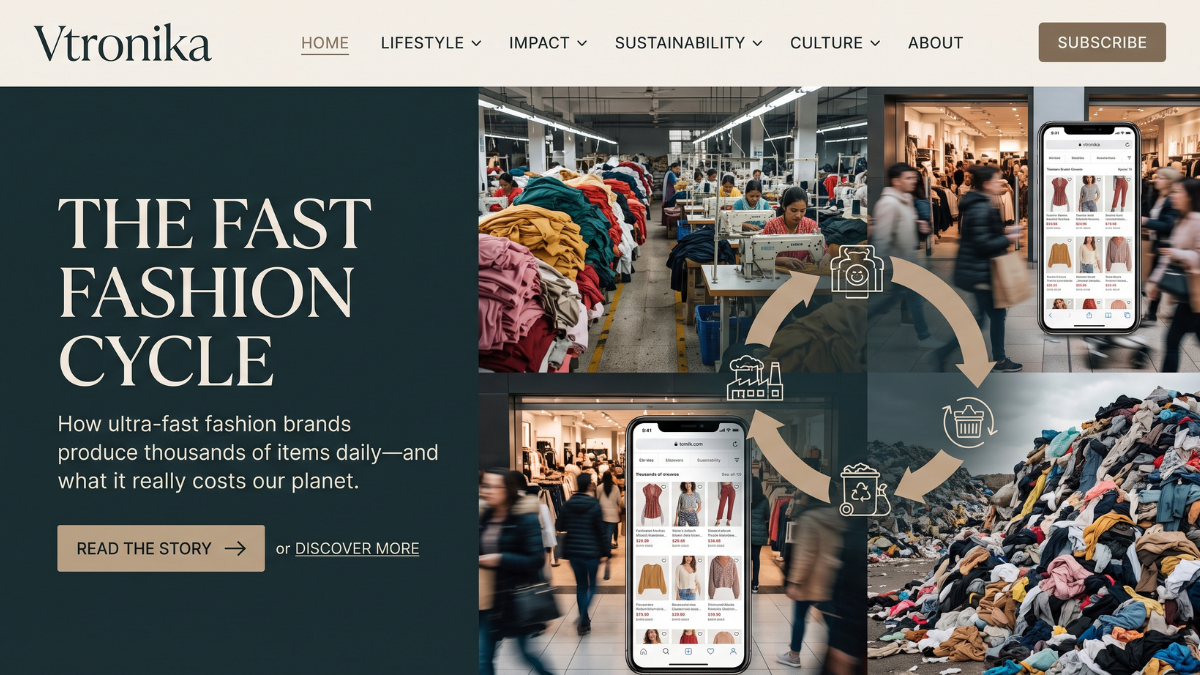
To understand the importance of zero-waste design, one must first look at the immense waste generated by traditional manufacturing. In standard apparel production, pattern pieces are laid out on large rolls of fabric. When these curved, irregular shapes are cut out, the negative space left behind—often up to 15% to 20% of the total fabric—is swept off the cutting room floor and sent directly to landfills or incinerators. This pre-consumer waste accounts for millions of tons of discarded textiles globally every year, wasting not just the material, but the water, energy, and labor used to produce it.
3. Demystifying Zero-Waste Pattern Making
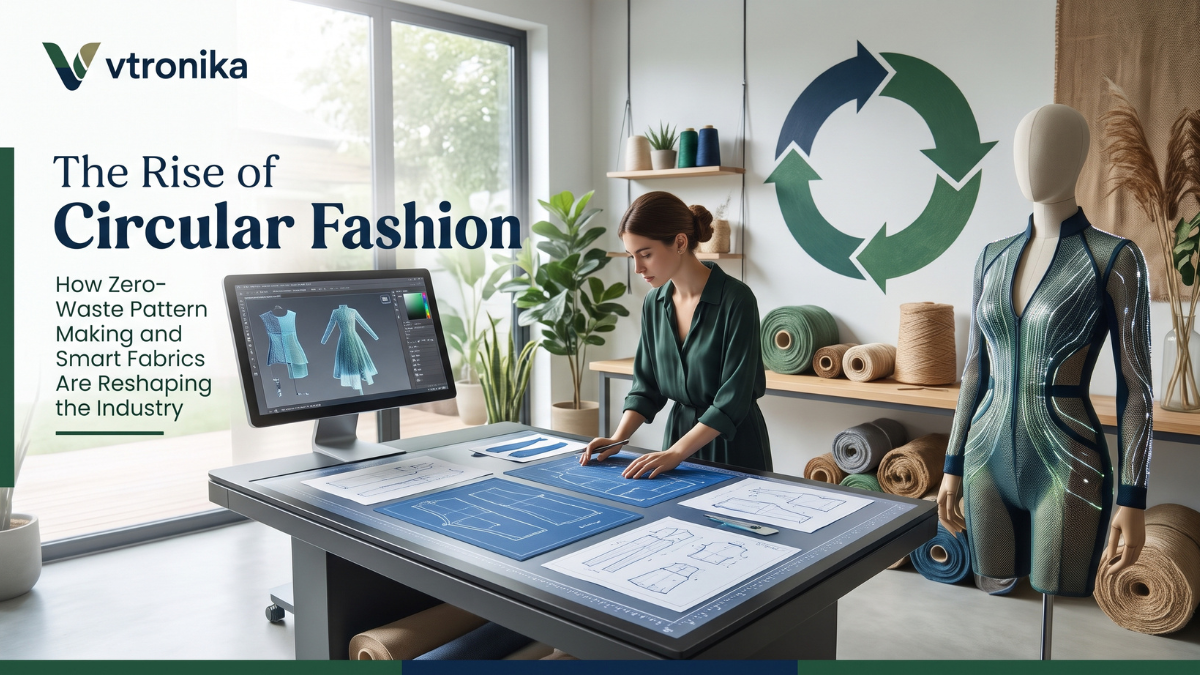
Zero-waste pattern making is a highly specialized design technique where a garment is created using exactly 100% of the allotted fabric. There is no scrap left behind. Instead of sketching a design and then figuring out how to cut it, the designer starts with the dimensions of the fabric roll itself. Every piece of the garment is drafted to interlock perfectly with the others, much like a jigsaw puzzle. If a piece needs to be adjusted, the surrounding pieces must also shift to consume the excess space.
4. The Geometry and Creativity of Waste-Free Design
Designing without waste requires a fundamental shift in a creator’s mindset. It blends high fashion with mathematical geometry. Designers use techniques like folding, draping, and geometric drafting to turn rectangular blocks of fabric into complex, flattering, three-dimensional garments. Elements that might traditionally be considered waste are cleverly repurposed into structural elements, decorative ruffles, hidden pockets, or reinforced seams. This constraint often leads to highly innovative, avant-garde silhouettes that would never have been discovered using traditional cutting methods.
5. The Dawn of Smart Fabrics
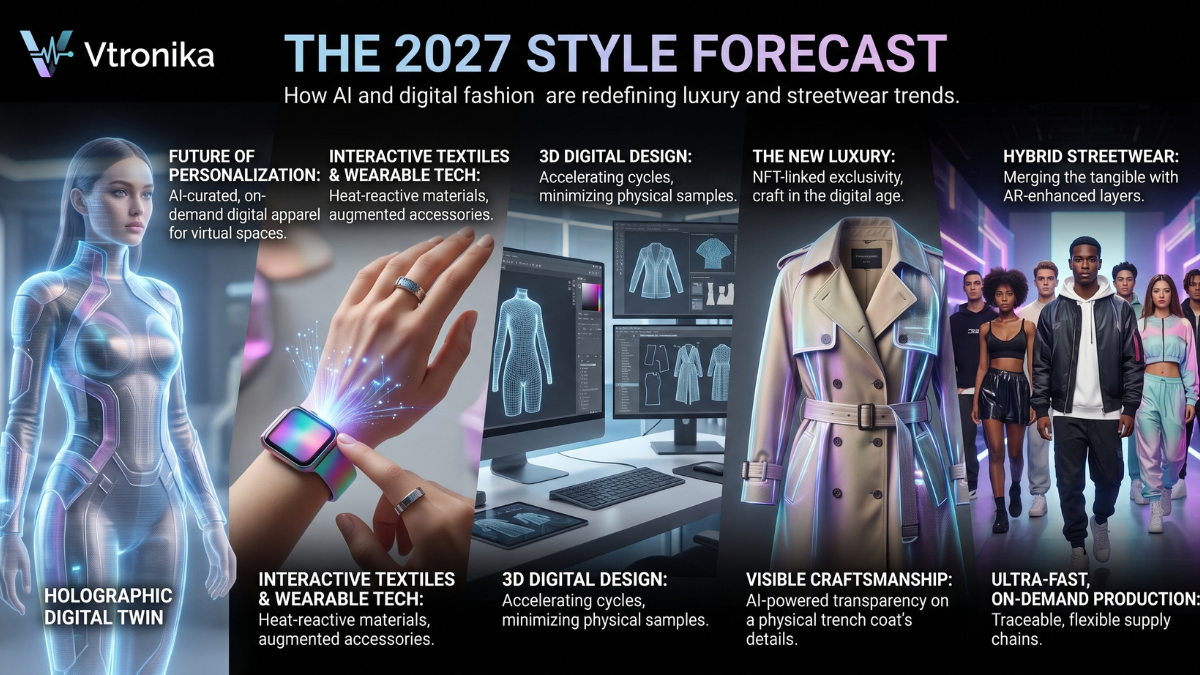
While zero-waste design tackles structural waste, smart fabrics tackle the lifecycle of the material itself. Smart fabrics, or e-textiles, are materials engineered with advanced technological properties. In the context of circular fashion, these aren’t just fabrics that light up or track your heart rate; they are intelligent materials designed to communicate with recycling facilities, adapt to environmental changes, and eventually break down safely. They bridge the gap between material science and sustainable apparel.
6. Digital Threads and the Product Passport
One of the biggest hurdles in recycling clothes is identifying what they are made of, especially when labels are cut off or fade. Smart fabrics solve this through embedded “digital threads” or RFID-woven yarns. These invisible markers act as a digital passport for the garment. When scanned by a consumer or a recycling plant, the thread reveals the exact material composition (e.g., 80% organic cotton, 20% recycled polyester), the original manufacturer, the dyes used, and its repair history. This ensures the garment is sorted and recycled correctly at the end of its life.
7. Bio-Responsive and Dissolvable Textiles
Innovations in smart fabrics are pushing the boundaries of how clothing degrades. Scientists are developing bio-responsive textiles that can dissolve on command. For example, some threads are engineered to melt away only when exposed to a specific industrial microwave frequency or a custom enzyme. This allows a multi-material garment—like a jacket with metal zippers, plastic buttons, and a cotton shell—to be easily disassembled. The seams dissolve, the hardware falls off for reuse, and the pure fabric is left ready for chemical recycling.
8. Prolonging Lifespans with Adaptive Wear
Circularity is not just about recycling; it is primarily about extending the active life of a garment. Smart fabrics contribute to this by adapting to the wearer’s needs, reducing the need to buy multiple seasonal items. Phase-change materials can absorb, store, and release body heat, meaning a single jacket can keep you cool in the spring and warm in the winter. Additionally, self-cleaning and stain-repellent smart coatings drastically reduce the need for harsh machine washing, which is the primary cause of fiber degradation and microplastic pollution.
9. The Economic Shift: Redefining Value in Fashion
The integration of zero-waste methods and smart fabrics is forcing the fashion industry to rewrite its economic model. Because zero-waste pattern making utilizes the entire fabric roll, it significantly lowers raw material costs, offsetting the higher labor costs required for complex drafting. Meanwhile, smart fabrics enable brands to monetize garments post-sale. By tracking a garment’s lifecycle via digital threads, brands can easily facilitate buy-back programs, peer-to-peer resale platforms, and repair services, creating new revenue streams that don’t rely on manufacturing new items.
10. The Future Horizon: A Closed-Loop Wardrobe
The convergence of zero-waste architecture and intelligent textiles paints a promising picture for the future of our wardrobes. We are moving toward an era where clothing is designed with the end in mind from day one. A garment will be perfectly cut with zero scraps, worn for years while dynamically adapting to the user, tracked digitally through multiple owners, and ultimately disassembled flawlessly by recycling enzymes to be spun into new yarn. This synergy proves that the future of fashion lies not in restriction, but in brilliant, waste-free innovation.