Article 1: The Pre-Trip Audit: Passports, Visas, and Border Requirements
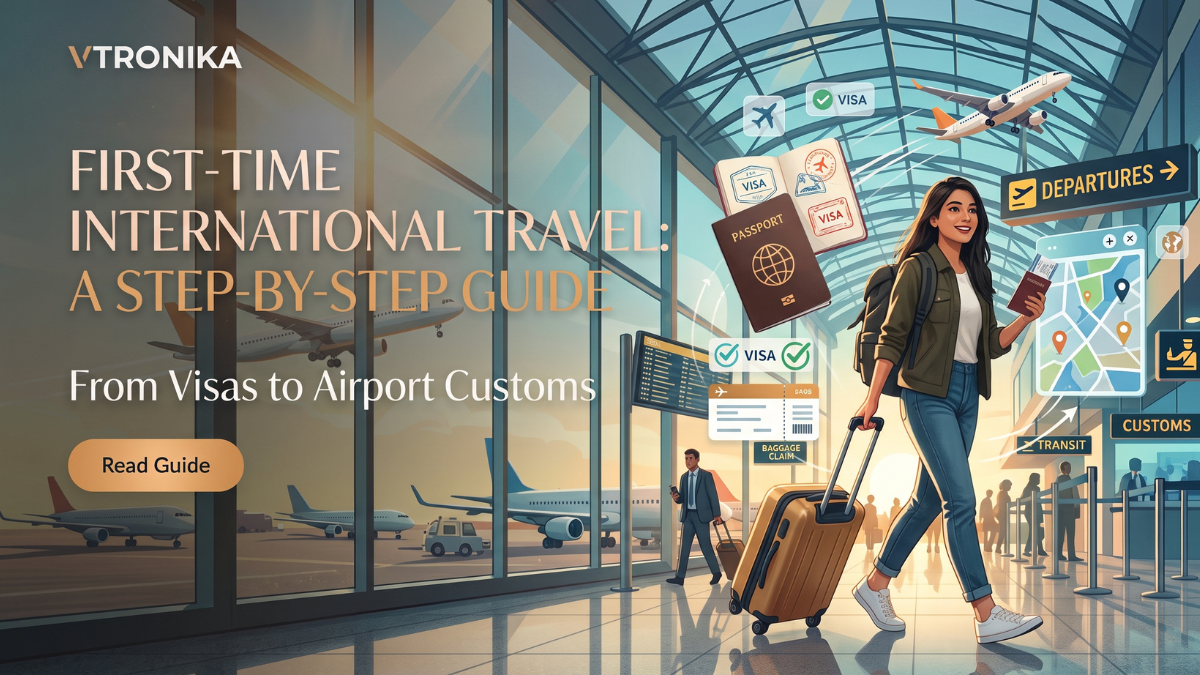
The foundation of smooth travel begins months before departure with regulatory compliance. Overlooking basic documentation rules—such as the six-month passport validity rule required by dozens of countries—remains one of the most common reasons travelers are denied boarding at the check-in gate. Every destination enforces distinct parameters regarding remaining passport pages, entry visas, electronic travel authorizations (ETAs), and proof of onward travel.
A complete pre-trip audit involves verifying entry requirements directly from official government immigration portals rather than relying on outdated forum discussions. If a destination requires an eVisa, submit applications well in advance to account for administrative processing delays. Ensure you carry printed and digital copies of your passport data page, visas, hotel reservations, and return flight receipts. Keeping these documents easily accessible prevents border delays, smooths customs checks, and eliminates transit friction.
Article 2: Health Logistics and Medical Readiness: Vaccines, Prescriptions, and Insurance
Staying healthy abroad requires proactive preparation rather than reactive treatment. Different regions carry distinct health risks, ranging from foodborne illnesses and altitude sickness to insect-borne viruses. Researching country-specific health advisories at least six to eight weeks before travel allows adequate time to receive required or recommended vaccinations, such as Yellow Fever, Typhoid, or Hepatitis A and B.
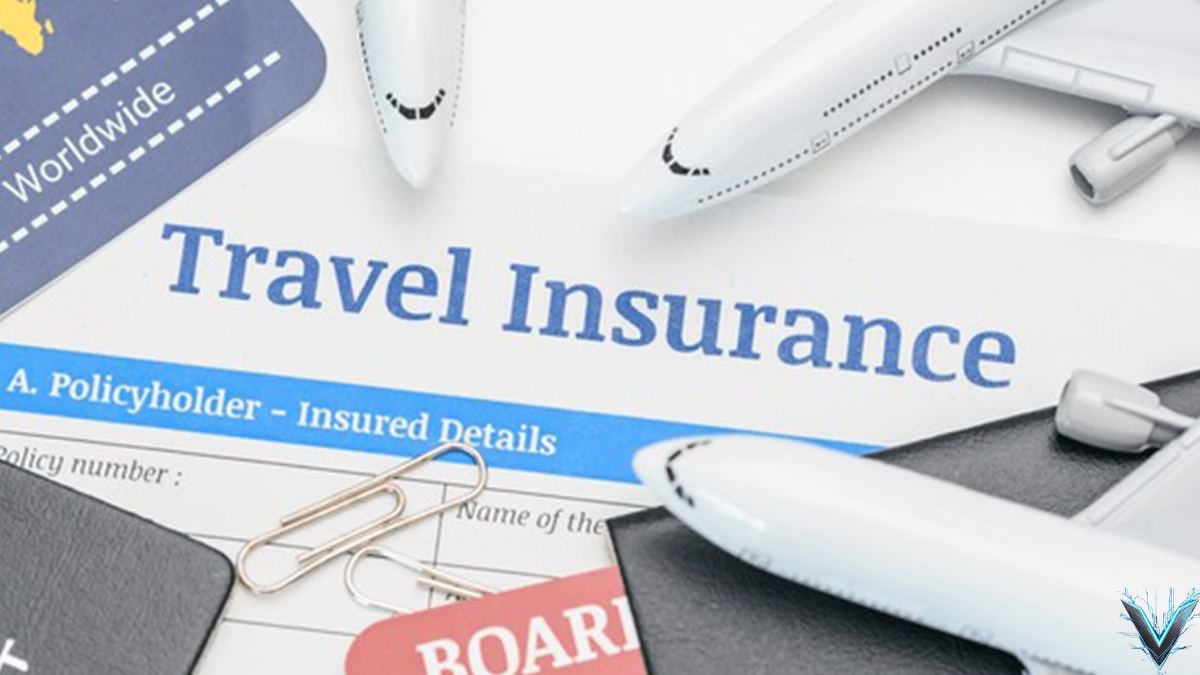
Managing personal medications is equally vital. Carry all prescription medicines in their original, labeled packaging alongside a signed doctor’s note explaining their medical necessity, as certain common over-the-counter and prescription drugs (like stimulants or codeine) are heavily restricted or illegal in select jurisdictions. Pair this preparation with comprehensive travel medical insurance that covers hospitalization, emergency medical evacuation, and repatriation. Verifying your policy’s terms in advance ensures you are financially and medically protected against unexpected health crises.
Article 3: Financial Defense Abroad: Cards, Currencies, and Fraud Prevention
Managing funds in foreign countries demands a multi-tiered security setup. Relying on a single payment method leaves you completely vulnerable to card fraud, ATM skimming, or unexpected banking freezes. A resilient setup requires carrying at least two fee-free debit cards and one primary rewards credit card, keeping them stored across separate bags so that losing one wallet does not compromise your entire financial access.
When making purchases or withdrawing cash from ATMs, always decline Dynamic Currency Conversion (DCC); choosing to be billed in the local currency ensures your home bank provides the interbank exchange rate without an inflated merchant markup. Set transaction alerts on your mobile banking apps, use contactless payment methods like Apple Pay or Google Wallet to reduce physical skimming risks, and always carry a modest reserve of clean, crisp hard currency (such as USD or EUR) for emergencies where electronic payment networks fail.
Article 4: Digital Sovereignty: eSIMs, Offline Navigation, and Cybersecurity
Reliable connectivity is no longer a luxury; it is a critical safety and navigation lifeline. Relying on expensive international roaming plans or hunting for public Wi-Fi networks in transit hubs introduces needless stress and security risks. Utilizing modern travel tech—such as purchasing regional or global eSIMs before landing—gives you instant access to cellular data the moment your plane touches the runway.
Before departing your home network, download offline navigation maps for your entire destination via Google Maps or Maps.me, including transit layers and bookmark pins for your accommodation and medical clinics. Download offline translation packs for the local language to facilitate clear communication in low-connectivity zones. When connecting to public Wi-Fi networks at airports, cafes, or hotels, always route your connection through an encrypted Virtual Private Network (VPN) to safeguard sensitive financial credentials and personal data from interception.
Article 5: The Carry-On Philosophy: Minimalist Packing and Capsule Wardrobes
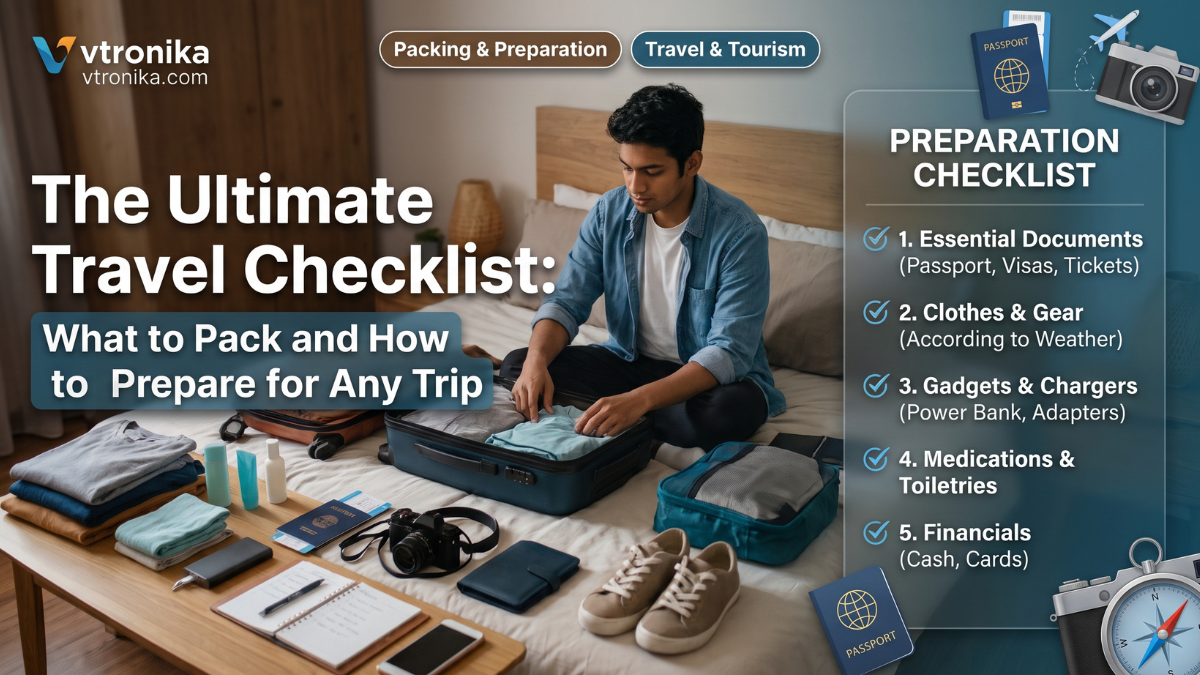
Luggage directly impacts your mobility, transit expenses, and daily stress levels. Navigating crowded railway platforms, uneven cobblestone alleys, or steep stairs with heavy, oversized rolling suitcases drains physical energy and exposes you to baggage delay risks. Adopting a strictly carry-on approach—using a durable 35 to 40-liter travel backpack or compact spinner—provides total autonomy and eliminates airline baggage fees entirely.
Achieving minimalist packing relies on the capsule wardrobe concept: selecting versatile, high-performance garments built around neutral colors and layering capabilities. Prioritize lightweight, breathable, and odor-resistant fabrics like merino wool and synthetic blends that can be hand-washed in a sink and dried overnight. Use compression packing cubes to organize clothing by category, streamline airport security checks with a clear toiletry kit adhering to liquid rules, and carry a compact universal power adapter to keep all essential hardware charged.
Article 6: Accommodation Strategy: Location, Amenities, and Safety Verification
Your accommodation serves as your operational base, sanctuary, and security anchor. Selecting lodging solely on the lowest headline price often results in staying in remote industrial districts or poorly serviced outskirts, ultimately costing more in taxi fares and transit time. Prioritize location over raw square footage, choosing properties situated near metro stations, well-lit pedestrian corridors, and grocery markets.
When vetting properties on booking platforms, filter specifically by recent guest reviews, checking for consistent mentions of cleanliness, functional Wi-Fi, neighborhood noise levels, and secure locks. For solo travelers and women, verifying a 24-hour staffed reception desk and well-monitored entrance gates provides essential security. Additionally, choosing accommodations equipped with laundry facilities and kitchenettes lowers long-term trip expenses, allowing you to prepare simple meals and refresh your wardrobe midway through your travels.
Article 7: Ground Transit Masterclass: Navigating Trains, Metros, Buses, and Taxis
Ground transportation represents both a significant recurring cost and a common source of travel frustration. Mastering local transit networks quickly establishes confidence in a new city. Upon arrival, investigate multi-day transit passes, rechargeable contactless transit smartcards, or municipal commuter apps, which consistently offer steep discounts over individual single-ride paper tickets.
When utilizing point-to-point vehicle transit, avoid unmetered or unmarked street cabs lingering directly outside arrivals halls, as they frequently target disoriented travelers with inflated flat rates. Instead, utilize established ride-hailing apps (such as Uber, Grab, or regional equivalents) where fares are transparently calculated, routes are GPS-tracked, and driver credentials are documented. If standard taxis are your only option, confirm that the vehicle meter is switched on before the car begins moving, or negotiate a clear, mutually agreed-upon price beforehand.
Article 8: Street Smart Defense: Scam Spotting, Pickpocket Avoidance, and Body Language
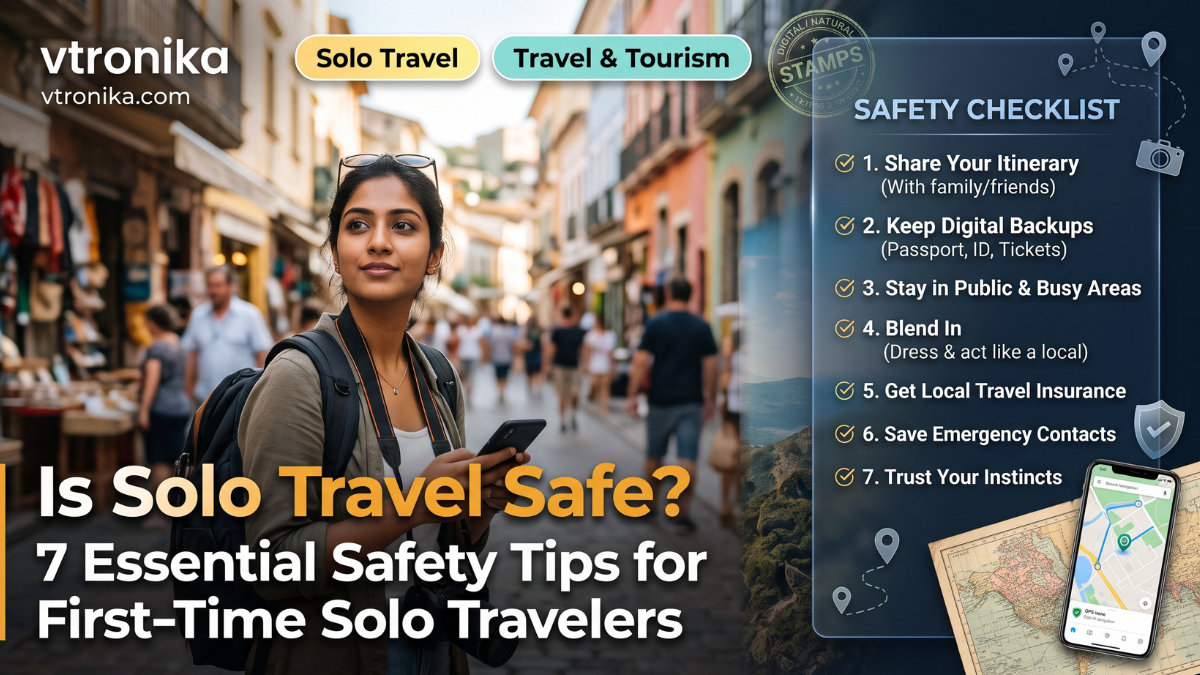
Tourists are often targeted not because of who they are, but because they appear distracted, vulnerable, or disoriented. Projecting confident body language—walking with clear intent, keeping your head upright, and stepping inside a shop or cafe rather than stopping in the middle of a crowded sidewalk to inspect a map—signals to opportunistic thieves that you are alert and attentive.
Familiarize yourself with common street scams specific to your destination before arrival. These typically include staged distractions (such as someone spilling liquid on your jacket, dropping items at your feet, or presenting petitions to sign while an accomplice targets your pockets), broken meter excuses, or counterfeit ticket vendors. Secure high-value items inside slash-resistant bags, keep your phone firmly gripped or secured to a wrist lanyard when near roadways where drive-by snatching occurs, and avoid wearing conspicuous luxury jewelry or watches in crowded public spaces.
Article 9: Cultural Etiquette and Language: Building Goodwill and Avoiding Offense
Travel is an exercise in mutual respect and cultural diplomacy. Entering a foreign society with the expectation that local customs, service standards, and communication styles will mirror your home culture creates friction and isolation. Taking the initiative to learn the basics of local etiquette—dress codes for sacred spaces, dining rules, tipping practices, and acceptable hand gestures—demonstrates humility and earns genuine warmth from local residents.
Mastering just five foundational phrases in the local language—”Hello,” “Please,” “Thank you,” “Excuse me,” and “Do you speak English?”—dramatically alters interactions. When you make a visible effort to communicate in the native language, locals are far more accommodating, helpful, and patient. Research cultural expectations regarding modesty, photography etiquette (always ask permission before photographing individuals or spiritual ceremonies), and table manners to ensure your presence leaves a positive, respectful impression.
Article 10: Travel Fatigue and Contingency Management: Staying Resilient
Even the most meticulously engineered journeys encounter unexpected challenges: sudden flight cancellations, weather disruptions, lost belongings, or physical exhaustion. The defining attribute of a seasoned traveler is not the absence of problems, but the composure with which they are managed. Recognizing that disruptions are an inevitable component of global exploration keeps minor inconveniences from ruining your trip.
Prevent burnout by intentionally pacing your itinerary; schedule periodic “zero days” where no sights, tours, or transit legs are booked, allowing your body to rest and recharge. Maintain a dedicated contingency emergency fund in an accessible liquid account to cover unforeseen expenses, such as emergency overnight hotel stays or last-minute flight rerouting. By pairing rigorous practical preparation with emotional flexibility, you maintain complete control over your journey, transforming logistical hurdles into memorable milestones of self-reliance.