
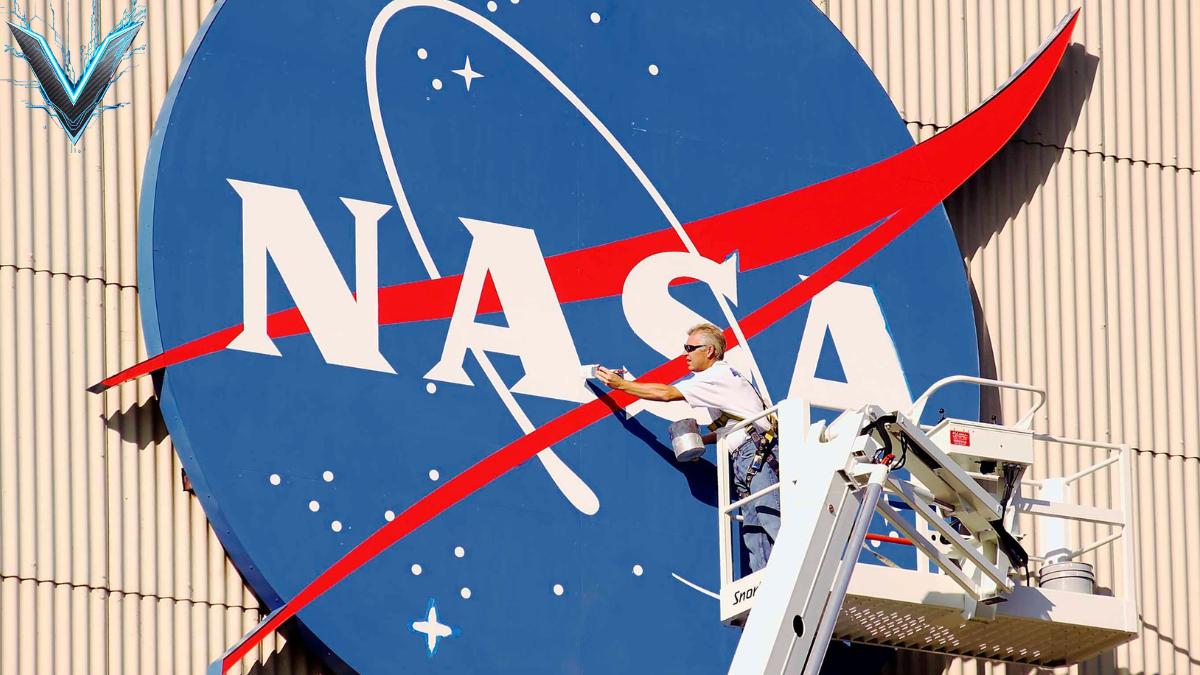
NASA is one of the world’s leading organizations for space exploration and scientific research. Since its establishment in 1958, NASA has explored space, studied Earth, and developed advanced technology that benefits people around the world. One of its greatest achievements was the Apollo 11 Moon Landing, when humans first walked on the Moon. NASA also studies Mars, distant galaxies, and climate change through satellites and space telescopes. Its discoveries inspire students to learn science and technology. Through innovation, research, and exploration, NASA continues to expand human knowledge and shape the future of space discovery.

1. History of NASA
NASA was established in 1958 to explore space and improve scientific research. Since then, NASA has launched many successful missions, satellites, and spacecraft that have increased human knowledge about Earth and the universe. The organization became famous after the Apollo 11 Moon Landing, when humans first walked on the Moon. NASA continues to inspire students and scientists through discoveries, innovation, and advanced technology. Its research has improved communication systems, weather forecasting, and medical equipment used around the world. Through teamwork and scientific exploration, NASA remains one of the leading space agencies in the world, helping humanity understand more about space, planets, and the future of exploration.
2. Moon Landing Mission
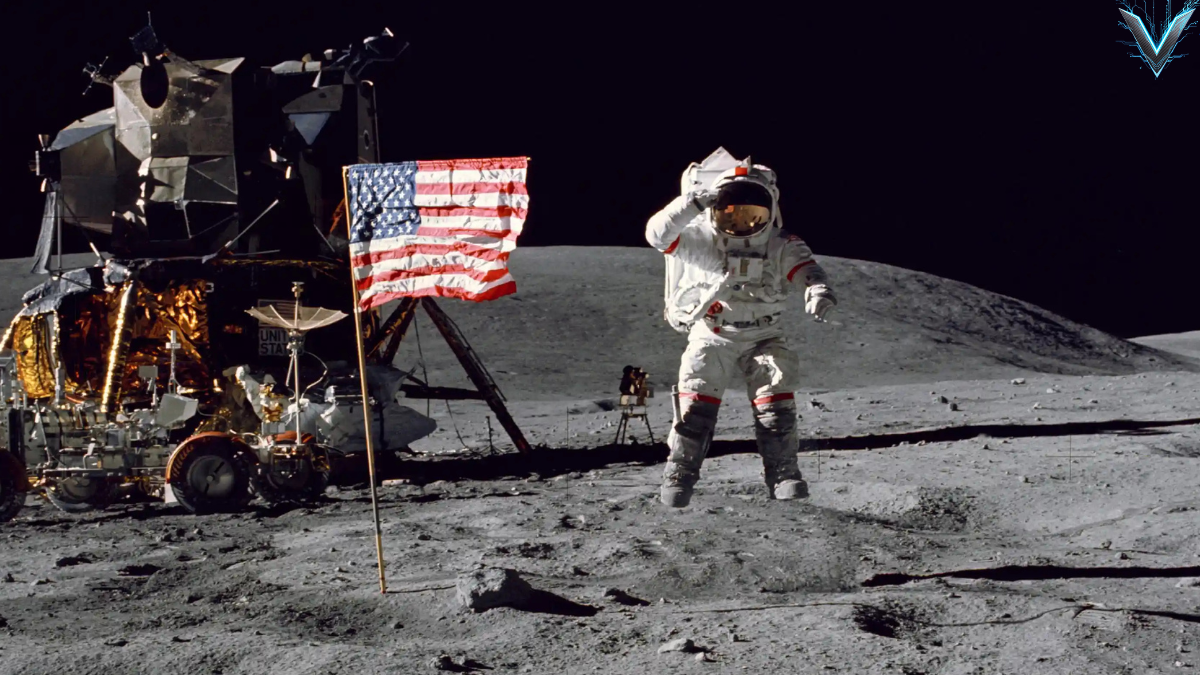
The Apollo 11 mission was one of NASA’s greatest achievements in history. In 1969, astronauts successfully landed on the Moon and safely returned to Earth. This mission proved that humans could travel beyond Earth and explore other worlds. Astronauts collected Moon rocks, performed experiments, and shared valuable information with scientists. The Moon landing inspired millions of people to study science and technology. Today, NASA continues preparing new Moon missions through the Artemis program, hoping to build a stronger future for space exploration and possible human settlements beyond Earth.
3. Mars Exploration
NASA has spent many years studying Mars using advanced spacecraft and robotic rovers. Missions such as the Perseverance Rover search for signs of ancient life and study the planet’s surface and climate. Scientists believe Mars may have once contained water, making it an important place for research. NASA plans future missions that may eventually send astronauts to Mars. These explorations help humans understand whether life could exist on other planets and prepare for future space travel.
4. Space Telescopes
NASA uses powerful space telescopes to study distant stars, galaxies, and planets. The James Webb Space Telescope allows scientists to observe parts of the universe never seen before. These telescopes help researchers understand how stars are formed and whether planets outside our solar system may support life. NASA’s discoveries continue to increase human knowledge about the universe and its origins.
5. Astronaut Training
Astronauts must complete difficult training before traveling to space. NASA trains astronauts in science, engineering, survival skills, and physical fitness. They practice working in zero gravity and learn how to operate spacecraft safely. Astronauts also prepare for emergencies and teamwork during missions. This training helps ensure the success and safety of space missions.
6. International Space Station
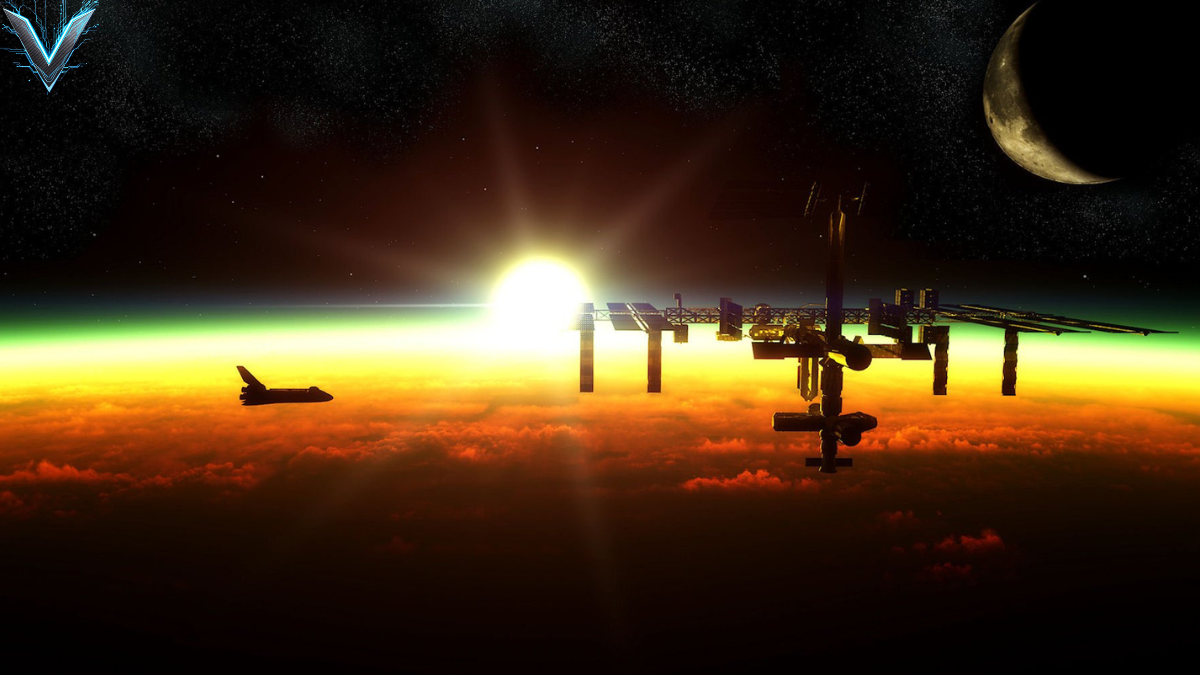
The International Space Station is a space laboratory where astronauts live and conduct scientific experiments. NASA works with other countries to manage the station and improve scientific research in space. Astronauts study health, plants, technology, and physics while orbiting Earth. The station helps scientists prepare for future missions to the Moon and Mars.
7. Climate Change Research
NASA studies Earth’s climate using satellites and scientific instruments. These satellites collect information about weather, pollution, oceans, and natural disasters. Scientists use this data to understand climate change and improve weather predictions. NASA’s research helps governments and communities prepare for environmental challenges and protect the planet.
8. NASA Technology in Daily Life
Many technologies developed by NASA are now used in everyday life. GPS systems, medical devices, water purification systems, and communication technology were improved through NASA research. Space exploration has encouraged innovation that benefits millions of people worldwide. NASA’s inventions continue to improve transportation, safety, and healthcare.
9. Future Moon Missions
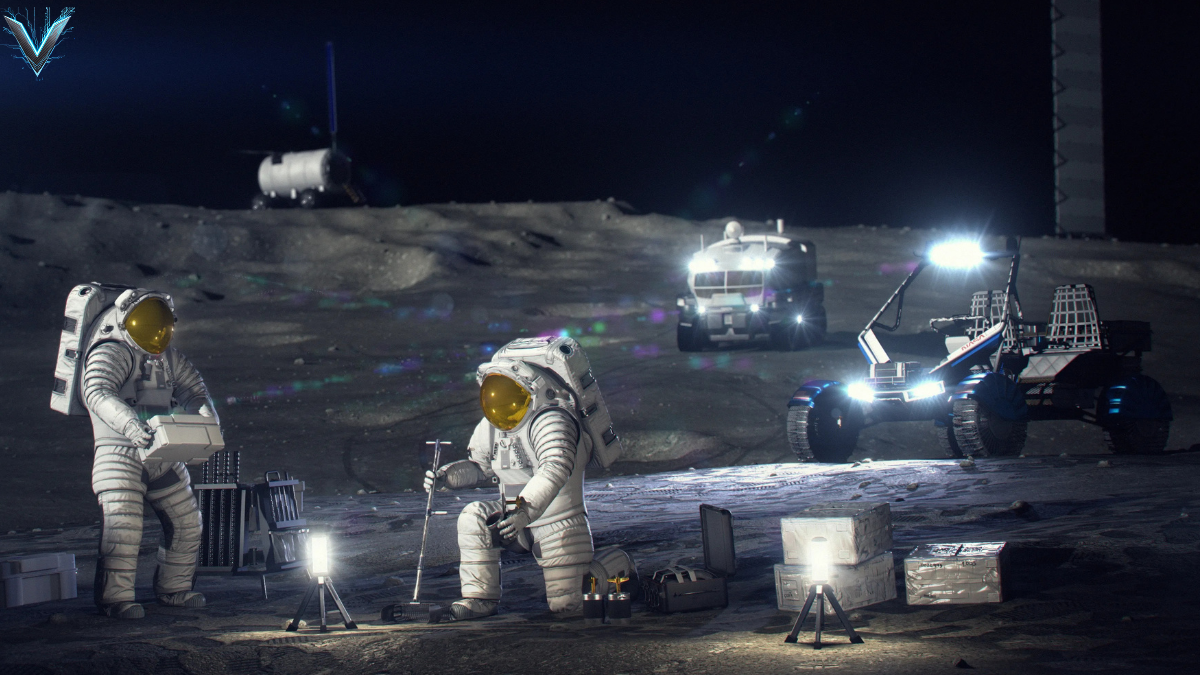
NASA’s Artemis program aims to return humans to the Moon and build a long-term presence there. Scientists hope to use the Moon as a base for future missions to Mars. These missions will test new spacecraft, advanced technology, and human survival systems in space. The Artemis program represents the next step in human exploration.
10. Search for Alien Life
NASA scientists search for life beyond Earth by studying planets and moons in space. Researchers examine environments that may contain water or conditions suitable for life. Space telescopes and robotic missions help scientists learn whether humans are alone in the universe. This research is one of the most exciting areas of modern science.
11. Women in NASA
Women have made major contributions to NASA’s success as astronauts, scientists, and engineers. Female astronauts have traveled to space, conducted research, and inspired future generations. Their achievements show the importance of equal opportunities in science and technology. NASA continues encouraging young women to pursue careers in STEM fields.
12. Future of Space Exploration
NASA continues developing advanced spacecraft and technology for future missions. Scientists hope humans will one day travel deeper into space and possibly live on other planets. Space exploration encourages innovation, education, and international cooperation. Through research and discovery, NASA helps humanity better understand the universe and imagine a future filled with scientific progress.