Article 1: The Core Philosophy – Why Personal Health Must Precede All Ambition
Modern life places relentless demands on our time, intellect, and physical stamina. In the pursuit of career growth, financial security, and social commitments, health is frequently treated as an afterthought—something to attend to only when an acute crisis strikes. However, the guiding principle of “Your Health, Our Priority: A Path to a Better & Healthier Life” demands a fundamental mindset shift: prioritizing well-being is not a selfish luxury, but the non-negotiable prerequisite for sustainable success in every domain of life.
When your body and mind operate under prolonged neglect, cognitive performance degrades, immune defenses weaken, and systemic inflammation steadily increases. High performance without foundational health is merely borrowing vitality from tomorrow at an exorbitant interest rate. Making health your central priority means auditing daily trade-offs, recognizing that no professional accolade, commercial victory, or material milestone holds genuine value if accompanied by chronic exhaustion or physical depletion.
A lasting path to better health requires reframing self-care as standard operational maintenance. Just as complex systems require scheduled downtime and precise resource management, the human organism thrives on consistency. By placing personal health at the top of your hierarchy of values today, you secure the endurance, focus, and emotional bandwidth required to navigate life’s challenges with confidence.
Article 2: Nutritional Foundations – Fueling the Body with Whole, Functional Foods
The human body is an intricate biochemical machine, continuously repairing tissues, synthesizing hormones, and fueling cognitive processes based entirely on the raw materials it receives. The standard modern diet—oversaturated with refined sugars, hydrogenated vegetable oils, and ultra-processed additives—promotes chronic metabolic disruption. Building a healthier future begins by reconstructing nutritional habits around nutrient-dense, minimally processed whole foods.
A biologically sound nutritional strategy emphasizes three core components:
- Diverse Plant Fibers: Soluble and insoluble fibers nourish the gut microbiome, regulate bowel transit, and stabilize post-prandial glycemic spikes.
- Complete Protein Sources: Essential amino acids are critical for preserving lean muscle mass, driving enzymatic functions, and promoting tissue regeneration.
- Essential Fatty Acids: Omega-3 fatty acids found in sources like flaxseeds, walnuts, and wild-caught fish dampen chronic inflammation and optimize neuronal membrane integrity.
Transitioning to functional eating does not demand restrictive, unsustainable fad diets. Instead, it relies on conscious substitution: trading industrial snacks for raw nuts and seeds, replacing sugar-sweetened beverages with pure water and herbal infusions, and filling the plate with colorful seasonal vegetables. When you view nourishment as biological fuel rather than mere sensory convenience, physical vitality follows naturally.
Article 3: Movement as Medicine – Structuring Sustainable Physical Activity
Sedentary behavior has become one of the most pervasive health hazards of our century. Extended periods of sitting reduce insulin sensitivity, compromise cardiovascular function, and contribute to postural degradation. Adopting the path to better health does not necessarily require grueling marathon training or extreme bodybuilding regimens; it calls for regular, structured, and versatile daily movement.
An effective, sustainable movement routine integrates three primary pillars:
| Movement Modality | Primary Benefit | Recommended Minimum Frequency |
| Zone 2 Cardiovascular Work | Enhances mitochondrial density, improves cardiac stroke volume, and builds aerobic base | 150 minutes per week (brisk walking, cycling, swimming) |
| Progressive Resistance Training | Preserves bone mineral density, sustains metabolic rate, and mitigates age-related sarcopenia | 2 to 3 sessions per week (free weights, bodyweight movements) |
| Mobility & Flexibility | Maintains joint range of motion, alleviates chronic lower back tension, and preserves balance | 10 to 15 minutes daily (dynamic stretching, functional drills) |
The true power of physical movement lies in consistency over intensity. Integrating brief “movement snacks”—such as taking stairs, utilizing standing desks, and performing five-minute mobility resets during long work sessions—reverses the metabolic lethargy associated with modern desk-bound lifestyles.
Article 4: Sleep Architecture – The Critical Window for Cellular Restoration
Sleep is often the first sacrifice made in the name of productivity, yet modern neurobiology demonstrates that sleep is an active, highly organized biological necessity. During deep and rapid eye movement (REM) sleep, the brain initiates the glymphatic clearance system to flush out toxic metabolic waste products, while the endocrine system releases human growth hormone to repair cellular micro-tears.
Chronic sleep deprivation induces measurable cognitive deficits equivalent to blood alcohol intoxication, impairs insulin sensitivity, and elevates circulating cortisol levels. To cultivate high-quality sleep architecture, environmental and behavioral hygiene must be strictly maintained:
- Circadian Entrainment: Expose your eyes to natural sunlight within the first 30 minutes of waking to anchor the master circadian pacemaker (suprachiasmatic nucleus) and suppress melatonin appropriately.
- Thermal Regulation: Maintain a cool sleeping environment (ideally between 16°C and 19°C), which facilitates the core body temperature drop required for initiating deep sleep.
- Photic Hygiene: Eliminate blue and green light exposure from smartphones, televisions, and laptops at least 60 to 90 minutes before bed, preventing artificial suppression of endogenous melatonin.
Prioritizing restorative sleep is the single most powerful recovery protocol available to human physiology. Seven to nine hours of unfragmented sleep transforms mood, fortifies the immune barrier, and restores daytime mental acuity.
Article 5: The Gut-Brain Axis – How Digestive Health Shapes Mental Clarity and Immunity
The gastrointestinal tract is far more than a simple food processing tube; it is home to roughly 100 trillion microorganisms and houses its own autonomous nervous system (the enteric nervous system), frequently dubbed the “second brain.” Through the vagus nerve, immune signaling molecules, and microbial metabolites, the gut directly communicates with the central nervous system, influencing everything from mood to cognitive speed.
An imbalance in the intestinal ecosystem, known as dysbiosis, compromises the intestinal mucosal barrier. When tight junctions weaken—a condition commonly described as increased intestinal permeability—systemic inflammation escalates, directly manifesting as mental fog, fatigue, and heightened anxiety. Furthermore, approximately 90% of the body’s serotonin receptors and a massive portion of the adaptive immune system reside within gut tissues.
To cultivate a robust gut ecosystem:
- Incorporate Fermented Foods: Introduce modest daily servings of live-culture yogurt, kefir, sauerkraut, or kimchi to introduce beneficial bacterial strains.
- Consume Prebiotic Substrates: Feed indigenous beneficial flora with resistant starch, inulin, and fructooligosaccharides found in garlic, leeks, onions, and asparagus.
- Minimize Gut Disruptors: Curtail unnecessary use of NSAIDs, artificial sweeteners, and chronic alcohol, all of which damage the mucosal lining.
Nurturing the gut microbiome establishes a stable biological baseline for emotional balance, sharp cognition, and enduring immune resilience.
Article 6: Mental Hygiene and Stress Mitigation – Navigating the Modern Allostatic Load
While acute stress is an evolutionary survival mechanism designed to mobilize energy during immediate danger, chronic psychosocial stress represents a severe health vulnerability. Persistent exposure to work deadlines, financial anxieties, and endless digital notifications keeps the sympathetic nervous system continuously activated, bathing tissues in elevated cortisol and catecholamines.
Over time, this elevated “allostatic load” damages vascular endothelium, impairs memory consolidation within the hippocampus, and disrupts immune function. Sustaining health as a core priority necessitates building active mental hygiene practices into your routine:
- Physiological Sighs & Breathwork: Engaging in extended-exhalation breathing protocols—such as two short inhales followed by a prolonged exhale through the mouth—rapidly activates the parasympathetic “rest and digest” branch of the nervous system.
- Cognitive Reframing and Journaling: Externalizing racing thoughts through expressive writing allows objective assessment of perceived stressors, breaking destructive rumination loops.
- Structured Digital Detoxification: Carving out explicit times during the day where devices are placed on airplane mode or stored outside the immediate workspace prevents dopamine exhaustion and restores sustained focus.
Mental resilience is not an inherent personality trait; it is a trainable physiological and psychological capacity developed through consistent self-regulation.
Article 7: Proactive Diagnostics – Transitioning from Sick-Care to Preventive Medicine
The conventional medical model is largely reactive: an individual seeks intervention only after symptoms become severe, disruptive, or unbearable. However, chronic degenerative diseases—including atherosclerotic cardiovascular disease, type 2 diabetes, and metabolic syndrome—develop quietly beneath the surface over decades. True wellness requires transitioning toward proactive, predictive prevention.
Routine laboratory evaluations and biomarker tracking reveal physiological trends long before clinical symptoms appear. Key screening markers include:
- Comprehensive Metabolic & Lipid Panels: Looking beyond total cholesterol to evaluate ApoB (apolipoprotein B), LDL particle count, and triglycerides provides an accurate assessment of cardiovascular risk.
- Glycemic Control Markers: Fasting insulin alongside HbA1c exposes early insulin resistance years before fasting blood glucose crosses diabetic thresholds.
- Inflammatory and Organ Markers: High-sensitivity C-reactive protein (hs-CRP), liver enzymes (ALT, AST), and kidney parameters (eGFR, creatinine) indicate baseline systemic strain and organ clearance capacity.
Taking responsibility for your health means scheduling comprehensive annual check-ups, maintaining organized records of historical lab work, and partnering with qualified medical practitioners to optimize biomarkers rather than merely accepting “statistically normal” ranges.
Article 8: Hydration and Cellular Homeostasis – The Science of Fluid and Electrolyte Balance
Water constitutes approximately 60% of adult human body mass and acts as the universal solvent for cellular chemistry. Every enzymatic reaction, nutrient transport mechanism, and thermal regulation process depends entirely upon fluid dynamics. Despite its fundamental importance, mild chronic dehydration is remarkably common, subtly causing headaches, joint stiffness, lethargy, and reduced muscular power.
Optimal hydration, however, goes beyond simply drinking large volumes of distilled or tap water. Hydration is an electrochemical process governed by electrolytes:
- Sodium: The primary extracellular cation responsible for maintaining blood volume, osmotic pressure, and nerve transmission.
- Potassium: The dominant intracellular mineral essential for heart muscle contraction, glycogen storage, and counterbalancing cellular sodium.
- Magnesium: A cofactor in over 300 biochemical reactions, regulating neuromuscular transmission and cellular energy (ATP) production.
Over-consuming plain water without adequate electrolyte intake can dilute blood plasma and induce mild hyponatremia. An effective hydration plan involves drinking a glass of water immediately upon waking to offset nocturnal respiratory fluid losses, hydrating consistently between meals, and ensuring adequate dietary mineral intake to support true cellular uptake.
Article 9: Environmental Toxins and Endocrine Disruptors – Protecting the Modern Biome
We inhabit an industrialized environment containing thousands of synthetic chemical compounds that did not exist a century ago. Endocrine-disrupting chemicals (EDCs)—such as phthalates, bisphenols (BPA, BPS), and per- and polyfluoroalkyl substances (PFAS)—mimic or block natural hormones, interfering with reproductive health, thyroid function, and metabolic efficiency.
Minimizing toxic burden does not require living in fear or isolation; it requires practical, low-friction environmental modifications:
- Eliminate Food Contact with Heated Plastics: Never microwave food in plastic containers or store hot liquids in plastic bottles, as heat significantly accelerates chemical leaching.
- Upgrade Air and Water Filtration: Utilize high-efficiency particulate air (HEPA) filters in living spaces and activated carbon or reverse osmosis filters for drinking water to reduce exposure to particulate matter and heavy metals.
- Select Clean Personal Care & Cleaning Supplies: Choose personal hygiene and household products free of synthetic fragrances, parabens, and harsh sulfates, which bypass the digestive tract and enter the bloodstream directly via dermal absorption or inhalation.
By systematically cleaning up your immediate domestic environment, you reduce unnecessary toxic load on your liver, kidneys, and endocrine pathways, preserving metabolic balance.
Article 10: Chronic Inflammation – Demystifying the Silent Catalyst of Modern Disease
Inflammation is fundamentally a protective immune response designed to eliminate pathogens and repair traumatic tissue damage. However, when the inflammatory cascade fails to resolve and transitions into low-grade, systemic, chronic inflammation, it transforms from an internal protector into a primary driver of tissue breakdown, neurodegeneration, and vascular damage.
The triggers for chronic systemic inflammation are primarily lifestyle-driven:
- Visceral Adiposity: Fat accumulated around abdominal organs acts as an active endocrine tissue, continuously secreting pro-inflammatory cytokines such as TNF-alpha and IL-6.
- Elevated Blood Sugar: Persistent hyperglycemia drives the formation of advanced glycation end-products (AGEs), stiffening blood vessels and triggering oxidative stress.
- Mitochondrial Dysfunction: Over-nutrition paired with lack of physical activity impairs mitochondrial respiration, leaking reactive oxygen species (ROS) into the cellular matrix.
Combating chronic inflammation requires an anti-inflammatory lifestyle: integrating cold-water fatty fish, leafy greens, berries rich in polyphenols, and spices like turmeric into your diet; maintaining an active exercise routine; and securing restorative sleep. Lowering systemic inflammatory tone safeguards arterial health and supports healthy aging across every organ system.
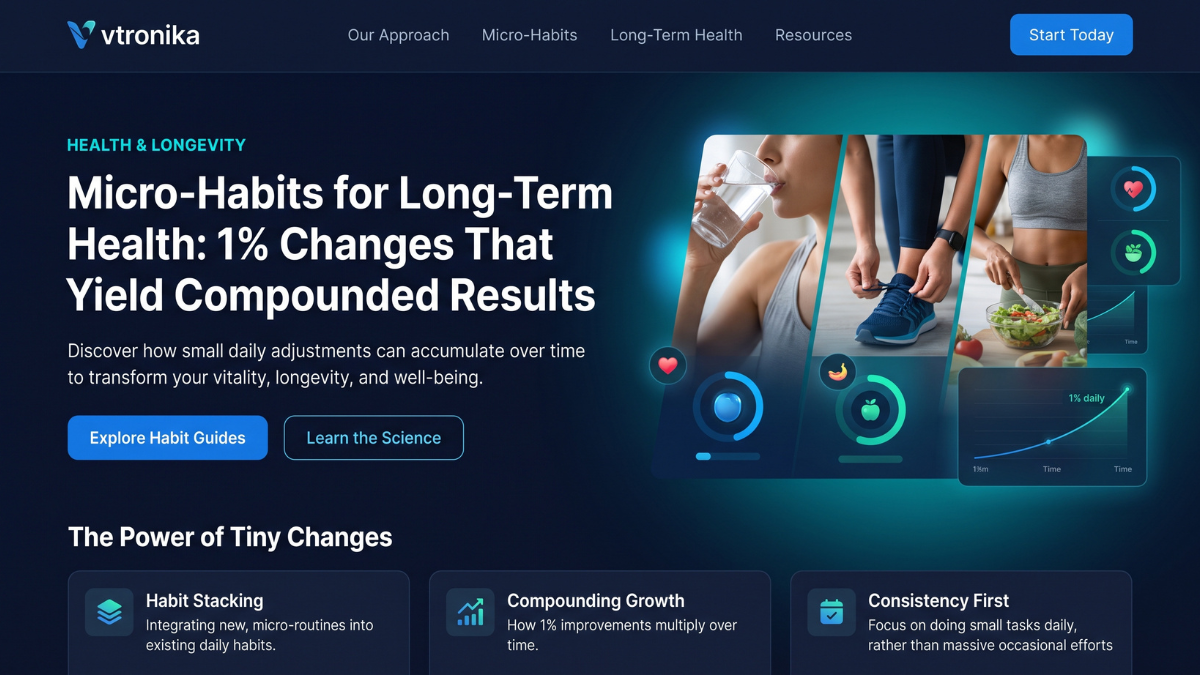
Article 11: The Power of Micro-Habits – Engineering Behavioral Sustainability
Most health journeys fail not due to a lack of ambition or knowledge, but because of extreme, unsustainable overhauls that trigger behavioral fatigue. Attempting to radically redesign diet, exercise, and sleep patterns overnight frequently leads to early burnout and total relapse. Sustainable health is built upon the architecture of behavioral psychology and compounding micro-habits.
Small, frictionless adjustments reduce cognitive resistance, allowing healthy actions to become automatic:
- Habit Stacking: Anchor a new wellness habit to an already established routine. For instance, perform two minutes of deep diaphragmatic breathing immediately after pouring your morning coffee.
- Friction Optimization: Decrease the steps required to execute healthy behaviors while increasing the friction for self-destructive ones. Prepare workout clothes the night before, and keep fresh fruit on the counter while storing processed treats entirely out of sight.
- The Two-Minute Rule: When initiating a new health habit, scale it down to an action that takes less than two minutes (e.g., doing five push-ups or meditating for 120 seconds). Establish the baseline habit before worrying about volume or intensity.
True health optimization is an infinite game won through quiet consistency. Modest choices made daily compound over months and years into extraordinary physical vitality and functional longevity.
Article 12: The Lifelong Continuum – Aging with Dignity, Strength, and Vitality
The ultimate goal of prioritizing health is not merely increasing lifespan—the total number of years an individual lives—but expanding healthspan: the period of life spent free from debilitating chronic illness, cognitive impairment, and physical dependence. Aging is an inevitable biological process, but the rate and severity of physical decline are remarkably modifiable.
Building a resilient foundation for long-term vitality requires addressing the core drivers of functional independence:
- Sustaining Muscle Mass and Grip Strength: Sarcopenia (muscle loss) and dynapenia (loss of strength) are major predictors of functional decline and fall risks later in life. Consistent, progressive resistance training preserves muscle quality and neuromuscular control.
- Cardiovascular and Neurological Capacity: Maintaining robust aerobic fitness and engaging in continuous, novel learning challenges protects brain volume and neuroplasticity as decades advance.
- Social Connection and Purpose: Deep personal relationships and meaningful daily engagement correlate strongly with lower systemic inflammation, enhanced immune parameters, and lower incidence of cognitive decline.