Article 1: The Biopsychosocial Triad – The Interconnected Science of Mind, Body, and Soul
Human health is not a collection of isolated compartments. The Cartesian divide—treating the mind as an abstract entity separate from the physical body—has been dismantled by modern neuroimmunology, endocrinology, and behavioral psychology. The mind, body, and soul form a single, dynamic feedback loop where changes in one domain trigger immediate biological and cognitive shifts across the entire organism.
When emotional distress or mental rumination sets in, the brain does not keep it localized to thought. It signals the hypothalamus to release corticotropin-releasing hormone (CRH), initiating a hormonal waterfall that floods the bloodstream with cortisol and adrenaline. This raises blood pressure, suppresses digestive enzyme secretion, tightens skeletal muscles, and inflames the endothelial wall. Conversely, physical states—such as chronic systemic inflammation, micronutrient deficiencies, or sedentary stagnation—directly modulate neurotransmitter availability, generating brain fog, depressive symptoms, and anhedonia.
[Mental Perception]  <=====>  [Endocrine & Immune System]  <=====>  [Physical Biomarkers]
   (Beliefs/Stress)                 (Cortisol/Cytokines)               (Heart Rate/Gut/Sleep)
          ^                                                                      ^
          |___________________________[Existential Purpose]______________________|
                                    (Meaning/Connection/Soul)
The concept of the “soul” in modern wellness is best understood as existential grounding: your core values, sense of purpose, self-transcendence, and emotional alignment with your environment. When your daily actions contradict your core values, the resulting moral injury and existential vacuum manifest as chronic autonomic dysregulation. Nurturing true wellness requires addressing all three pillars simultaneously: optimizing physiological substrates, practicing disciplined cognitive hygiene, and anchoring daily effort to a meaningful life purpose.
- Core Focus: Dismantling Cartesian duality in favor of unified psychoneuroimmunology.
- Key Mechanism: Bidirectional chemical and neural communication across the brain, nervous system, and physical organs.
- Strategic Takeaway: You cannot fix an emotional crisis solely through mental rationalization if your physical biology is inflamed, nor can you optimize physical health if unresolved emotional trauma keeps your nervous system in constant fight-or-flight.
Article 2: The Neurobiology of Stress – Down-Regulating the HPA Axis
Stress is an evolutionary survival adaptation designed to mobilize glucose, heighten visual focus, and prepare skeletal muscles for rapid physical exertion. In ancestral contexts, the stress response was acute and self-limiting: a threat appeared, the body fought or fled, the threat was neutralized, and the parasympathetic nervous system restored homeostasis.
In modern society, stressors are predominantly cognitive, ambiguous, and chronic: unpaid debts, corporate restructuring, relationship friction, and constant digital notifications. The brain’s hypothalamic-pituitary-adrenal (HPA) axis cannot distinguish between an impending predator attack and an urgent email from a manager. Both trigger the exact same cascade:
- Hypothalamus: Releases Corticotropin-Releasing Hormone (CRH).
- Pituitary Gland: Triggers the release of Adrenocorticotropic Hormone (ACTH) into systemic circulation.
- Adrenal Cortex: Synthesizes and releases cortisol, while the adrenal medulla secretes epinephrine (adrenaline) and norepinephrine.
When this circuit runs uninterrupted for weeks or months, the brain undergoes physical remodeling. High ambient cortisol concentrations cause atrophy of dendritic spines in the hippocampus (impairing memory consolidation) and the prefrontal cortex (degrading emotional regulation and impulse control), while simultaneously causing hypertrophy and hyper-reactivity in the amygdala (amplifying anxiety and threat detection).
Acute Stress:    [Stressor] ---> [HPA Axis Activation] ---> [Action Taken] ---> [Homeostasis Restored]
Chronic Stress:  [Stressor] ---> [Sustained Cortisol]   ---> [No Physical Release] ---> [Neural Remodeling & Burnout]
To interrupt chronic HPA axis hyper-activation, you must introduce physiological “brakes” that bypass cognitive overthinking:
- The Physiological Sigh: Two rapid inhalations through the nose followed by an extended, passive exhalation through the mouth. Doing this 2 to 3 times immediately re-inflates collapsed pulmonary alveoli and increases intrathoracic pressure, activating the vagus nerve to slow the sinoatrial node of the heart within seconds.
- Cold Hydrotherapy: Brief exposure (30 to 60 seconds) to cold water at the end of a shower stimulates peripheral vasoconstriction and activates the mammalian dive reflex, forcing an acute autonomic reset.
Article 3: Somatic Intelligence – How Physical Movement and Posture Shape Mental States
The traditional perspective views movement solely as a tool for caloric expenditure, cardiovascular conditioning, or muscle hypertrophy. However, cognitive science and biomechanics demonstrate that movement is a primary driver of neurochemistry and emotional state—a phenomenon known as embodied cognition.
Physical posture and muscular tension provide constant afferent feedback to the central nervous system via mechanoreceptors and proprioceptors. When an individual adopts a collapsed posture—slumped shoulders, forward head tilt, restricted shallow chest breathing—the brain interprets these physical cues as markers of defeat, vulnerability, or submission, reinforcing submissive neuroendocrine patterns. Conversely, an open thoracic spine, grounded foot contact, and deep diaphragmatic excursion signal physical safety and self-efficacy to the brainstem.
Beyond posture, skeletal muscle functions as an active endocrine organ. During rhythmic, repetitive contraction (such as resistance training, running, rowing, or swimming), skeletal muscles release signaling proteins called myokines:
- Irisin: Crosses the blood-brain barrier to stimulate the production of Brain-Derived Neurotrophic Factor (BDNF) in the hippocampus, promoting neurogenesis, dendritic branching, and enhanced synaptic plasticity.
- Interleukin-6 (IL-6 from muscle): Unlike macrophage-derived IL-6 (which is pro-inflammatory), muscle-derived IL-6 acts as an anti-inflammatory myokine, improving insulin sensitivity, stimulating fat oxidation, and clearing systemic inflammatory cytokines linked to major depressive disorders.
- Kynurenine Clearance: Physical exercise stimulates muscles to produce the enzyme kynurenine aminotransferase, which converts kynurenine (a stress byproduct that crosses into the brain and induces anxiety and depression) into kynurenic acid, a metabolite that cannot cross the blood-brain barrier, effectively filtering mental toxins out of the bloodstream.
| Movement Modality | Neurobiological Adaptation | Primary Mental Wellness Benefit |
| Heavy Resistance Training | Increases dopamine receptor sensitivity; down-regulates cortisol | Builds distress tolerance, resilience, and personal agency |
| Zone 2 Aerobic Base | Enhances mitochondrial density; increases cerebral blood flow | Stabilizes baseline anxiety; enhances sustained mental stamina |
| Yoga & Somatic Mobility | Activates the vagal brake; releases myofascial adhesions | Reduces somatic trauma storage; improves body awareness |
Article 4: The Gut-Brain Axis – Nutrition, Microbiome, and Neurotransmitter Synthesis
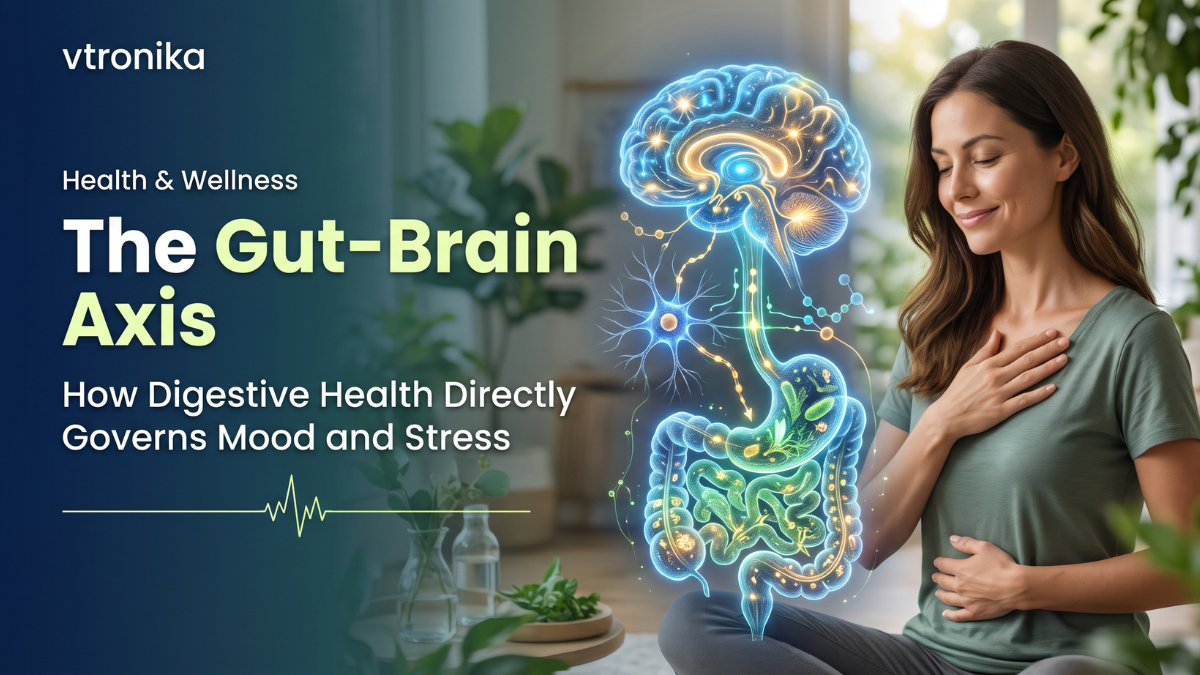
The gastrointestinal tract and the central nervous system maintain continuous, high-speed bidirectional communication via the vagus nerve, the autonomic nervous system, and systemic circulation. This biological highway is known as the gut-brain axis.
The human enteric nervous system contains more than 500 million neurons embedded in the walls of the gastrointestinal canal, earning it the title of the “second brain.” The gut microbiome—the trillions of bacteria inhabiting the colon—acts as an active neurochemical factory:
- Serotonin Synthesis: Over 90% of the body’s serotonin is synthesized in the gut by enterochromaffin cells. Gut bacteria like Lactobacillus and Enterococcus directly modulate the availability of tryptophan, the essential precursor required for serotonin synthesis.
- GABA Production: Gamma-aminobutyric acid (GABA), the primary inhibitory neurotransmitter responsible for dampening neurological excitement and quieting anxiety, is synthesized directly by beneficial strains such as Bifidobacterium adolescentis and Lactobacillus brevis.
- Short-Chain Fatty Acids (SCFAs): Microbial fermentation of prebiotic fibers yields acetate, propionate, and butyrate. Butyrate strengthens the integrity of both the gut mucosal wall and the blood-brain barrier, preventing circulating bacterial endotoxins (such as lipopolysaccharides) from causing neuroinflammation.
Dietary Prebiotic Fibers ---> Colonic Fermentation ---> Butyrate & SCFAs ---> Blood-Brain Barrier Integrity
Processed Diet & Refined Fats ---> Dysbiosis & Gut Permeability ---> Endotoxins in Blood ---> Neuroinflammation & Anxiety
When an individual’s diet is saturated with refined carbohydrates, artificial emulsifiers, and industrial seed oils, opportunistic pathogenic bacteria displace beneficial symbionts. This dysbiosis breaks down the epithelial lining, allowing bacterial endotoxins to enter circulation. Once in the bloodstream, these endotoxins activate microglial cells in the central nervous system, triggering low-grade neuroinflammation that directly manifests as anhedonia, emotional irritability, and lethargy.
Targeted nutritional interventions to optimize gut-brain signaling:
- Fermented Foods: Consume 1 to 2 servings of live unpasteurized foods daily (kefir, plain cultured yogurt, authentic raw kimchi, or sauerkraut) to introduce live beneficial strains.
- Polyphenol Diversity: Incorporate dark berries, raw cacao, green tea, and culinary herbs to supply dietary polyphenols that act as prebiotics for beneficial species like Akkermansia muciniphila.
- Elimination of Artificial Emulsifiers: Avoid processed convenience foods containing carboxymethylcellulose and polysorbate-80, which degrade the protective intestinal mucus layer.
Article 5: Circadian Rhythms and Sleep Architecture – The Biological Bedrock of Mental Stability
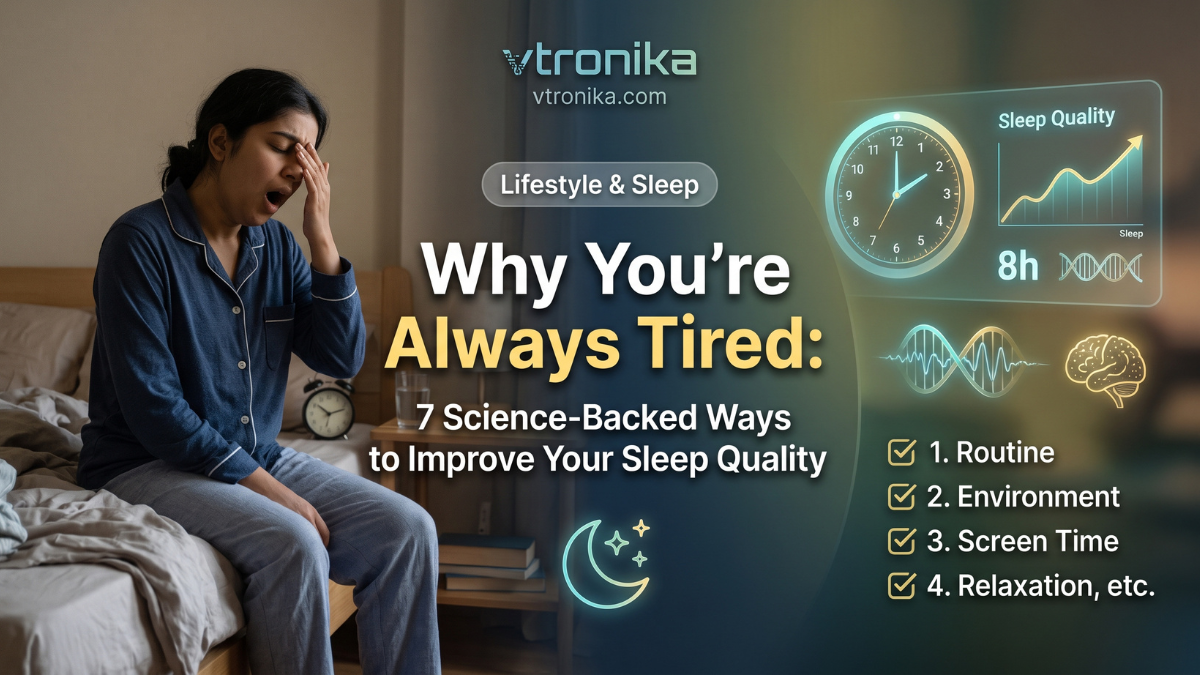
Sleep is not a passive shutdown of consciousness; it is an active, metabolically demanding state of neurological restoration, memory consolidation, and biochemical recalibration. Every biological process governing mental stability and emotional resilience is tied to the 24-hour circadian rhythm, governed by the suprachiasmatic nucleus (SCN) in the hypothalamus.
Disrupted circadian timing and truncated sleep architecture degrade psychological defenses faster than nearly any other environmental factor. Sleep is organized into distinct 90-minute ultradian cycles divided into three critical stages:
- Light NREM (Stages 1 & 2): Serves as the transitional gateway; consolidates motor learning and sensory perception.
- Slow-Wave Sleep / Deep Sleep (Stage 3): The physical restoration phase. Growth hormone is secreted, cellular repair occurs, and the glymphatic system opens. During deep slow-wave sleep, glial cells shrink by up to 60%, allowing cerebrospinal fluid to wash through the interstitial space of the brain, flushing out metabolic waste products like beta-amyloid and hyperphosphorylated tau proteins.
- Rapid Eye Movement (REM) Sleep: The emotional processing phase. During REM, the brain re-activates emotional memories in a neurochemically safe environment: a state where norepinephrine (noradrenaline) is completely shut off. This nocturnal process strips away the raw, painful emotional charge from the factual data of your memories, preventing daily experiences from congealing into chronic post-traumatic stress.
[Daylight Morning Photon Capture]  ---> Sets Suprachiasmatic Master Clock ---> Cortisol Pulse (Alertness)
                                                                                          |
[14 to 16 Hours Later]              <--- Darkness Signals Pineal Gland     <--- Melatonin Synthesis (Sleep Onset)
The Non-Negotiable Protocol for Circadian Alignment:
- Early Morning Solar Exposure: View natural sunlight directly (without sunglasses or looking through window glass) within 30 to 60 minutes of waking for 10 to 20 minutes. Photons hitting intrinsically photosensitive retinal ganglion cells (ipRGCs) trigger an immediate cortisol pulse that sets your internal clock, establishing the precise biochemical timer for melatonin release 14 to 16 hours later.
- Thermal Regulation: Set bedroom ambient temperature between 18°C and 20°C (65°F to 68°F). The body’s core temperature must drop by roughly 1°C to initiate and sustain deep slow-wave sleep.
- Blue-Light Mitigation: Eliminate overhead LED lighting and screen usage 90 minutes before sleep. Blue and green wavelengths suppress pineal melatonin synthesis by up to 50%, delaying sleep onset and fragmenting subsequent REM architecture.
Article 6: Cognitive Hygiene and Mindfulness – Deconditioning the Overstimulated Mind
In an attention economy that aggressively monetizes human focus, an unmanaged mind quickly falls into chronic reactivity. Knowledge workers and modern individuals frequently operate within the Default Mode Network (DMN)—a neurological circuit spanning the medial prefrontal cortex, posterior cingulate cortex, and angular gyrus that becomes hyperactive during states of passive daydreaming, social comparison, and self-referential rumination.
When the DMN runs unchecked, it defaults to negative survival-bias patterns: obsessing over past mistakes, projecting catastrophic future scenarios, and generating self-critical internal dialogue. Mindfulness, far from being a mystical pursuit, is the systematic neurological training of the Task-Positive Network (TPN) and the Central Executive Network (CEN). Strengthening these circuits actively down-regulates DMN activity.
Default Mode Network (DMN) Hyperactivity:
[Past Regrets] <--------------------> [Self-Criticism] <--------------------> [Future Catastrophizing]
                                                |
                                   Mindfulness Intervention
                                                |
Task-Positive Network (TPN) Dominance:
[Sensory Grounding] -----------------> [Present Reality] -----------------> [Targeted Execution]
Implementing practical cognitive hygiene:
- The 10-Minute Vipassana (Open Monitoring) Drill: Sit quietly and observe the breath at the entrance of the nostrils. When the mind wanders into a thought (which is inevitable), notice the distraction without self-judgment, label it neutrally (“thinking”, “planning”, or “judging”), and consciously redirect attention back to physical sensation. Each redirect acts as a neurological repetition strengthening the prefrontal cortex.
- Cognitive Defusion: Shift your internal linguistic relationship with distressing thoughts. Instead of declaring, “I am completely overwhelmed and failing,” reframe the internal narration to: “I notice that my brain is currently generating the thought that I am failing.” This subtle semantic shift disengages identity from transient neurochemical waves.
- Daily Information Fasts: Designate one hour each day where no external media is consumed—no podcasts, audiobooks, music, social feeds, or text messages. Giving the prefrontal cortex periods of complete input deprivation allows sensory processing networks to decompress, reducing baseline cognitive fatigue.
Article 7: Emotional Agility – Navigating Difficult Emotions Without Suppression or Rumination
A central misconception in self-help culture is the pursuit of relentless, performative positivity. Forcing an artificial state of positive optimism during acute crises is psychologically counterproductive; it represents emotional suppression.
Research in clinical psychology demonstrates that suppressing unwanted emotions (such as grief, shame, jealousy, or anger) leads to the rebound effect: the suppressed emotion returns with amplified neurochemical intensity while triggering spikes in sympathetic cardiovascular stress. Conversely, the opposite error is emotional rumination—becoming so consumed by an emotional state that you mistake a temporary emotional storm for permanent identity.
The healthy alternative is Emotional Agility, a clinical framework developed by psychologist Dr. Susan David. Emotional agility treats all emotions as neither positive nor negative, but as evolutionary signaling systems pointing directly to your deeply held values.
[Trigger / Event]  --->  [Emotional Sensation]  --->  [Agility Checkpoint]  --->  [Value-Driven Action]
                                                              |
                                             Ask: "What core value is this
                                                   emotion trying to defend?"
The 4-Step Emotional Agility Protocol:
- Showing Up: Face difficult emotions directly. Instead of immediately numbing discomfort with food, screens, or frantic work, sit quietly and observe the somatic sensation in the body (e.g., a tight chest, a knot in the stomach, a burning throat).
- Stepping Out: Detach from the feeling by viewing it from an objective, third-person perspective. Recognize that emotions are transient physiological weather patterns passing through the sky of your awareness; they are not the sky itself.
- Walking Your Why: Identify the hidden value within the discomfort. If you feel profound anxiety about a professional deliverable, that anxiety signals that you deeply value excellence and competence. If you feel intense grief, it indicates the depth of your capacity to love and connect.
- Moving On: Make small, deliberate adjustments in behavior that align with that underlying value rather than acting out the impulsive emotional drive.
Article 8: Purpose, Flow, and Meaning – Feeding the “Soul” in a Material World
The word “soul,” stripped of dogmatic constraints, represents a person’s need for existential coherence: the internal certainty that one’s life possesses meaning, belongs to a greater context, and is directed toward purposeful creation. When life is stripped of meaning and reduced strictly to consumption and routine compliance, an individual enters what existential psychologist Viktor Frankl termed an existential vacuum—a state characterized by deep apathy, cynicism, and chronic anxiety.
Human beings do not thrive on comfort, passive pleasure, or pure consumption. Our neurobiology is hardwired to thrive on voluntary engagement with meaningful challenges. This state is experienced neurochemically through Flow, an optimal psychological state popularized by psychologist Mihaly Csikszentmihalyi.
During flow states, brain activity shifts:
- Transient Hypofrontality: The dorsolateral prefrontal cortex—the region responsible for self-doubt, second-guessing, and inner critic chatter—temporarily powers down. The sense of self vanishes into the activity.
- Neurochemical Cascade: The brain releases a potent cocktail of five performance-enhancing neurochemicals simultaneously: dopamine (focus and pattern recognition), norepinephrine (arousal and energy), endorphins (pain relief and euphoria), anandamide (lateral thinking and creative problem-solving), and serotonin (satisfaction and post-task afterglow).
Low Skill  + High Challenge  = Anxiety
High Skill + Low Challenge   = Boredom
Matched Skill & Challenge    = FLOW (Optimal Cognitive and Spiritual Resonance)
To integrate soul-level nourishment into daily life:
- Identify the Flow Channel: Engage daily in an activity where challenge precisely matches current skill level—demanding roughly 4% more effort than your current baseline capacity.
- Align Daily Labor with Self-Transcendence: Frame mundane tasks within their broader social contribution. A software engineer is not merely typing syntax; they are building tools that allow global communication. A nurse is not merely charting paperwork; they are safeguarding human dignity.
- Practice Conscious Craftsmanship: Dedicate at least 30 minutes daily to creating rather than consuming—writing, woodworking, painting, gardening, or composing. Creative output grounds the human spirit, transforming internal chaos into tangible order.
Article 9: Relational Health – Social Attachment, Boundaries, and Co-Regulation
Human beings are obligate social animals. From an evolutionary perspective, isolation was an immediate death sentence on the ancestral savannah. Consequently, the human nervous system is biologically wired to register chronic social isolation, loneliness, and emotional alienation as a severe physical threat.
The landmark Harvard Study of Adult Development—the longest longitudinal study on human well-being ever conducted, running for over 85 years—arrived at an indisputable conclusion: the quality of an individual’s personal relationships is the single strongest predictor of physical longevity, cognitive preservation, and lifelong happiness, far outperforming cholesterol levels, socioeconomic status, or genetic inheritance.
Our nervous systems do not operate as closed biological circuits. Through the process of co-regulation, individuals calibrate their autonomic states against one another:
- The Social Engagement System: Mediated by the myelinated ventral vagal complex, facial expressions, vocal prosody, and warm eye contact signal safety directly to another person’s brainstem, immediately lowering heart rate and dampening adrenal responses.
- The Neurobiology of Touch: Gentle, supportive physical contact releases oxytocin, a neuropeptide that down-regulates amygdala reactivity, promotes vascular relaxation via nitric oxide release, and suppresses systemic inflammatory cascades.
[Isolated Nervous System]   ---> Vigilant Scanning ---> Elevated Sympathetic Tone ---> Premature Aging
[Co-Regulated Nervous System] ---> Felt Interpersonal Safety ---> Ventral Vagal State ---> Cellular Repair
Principles for engineering robust relational health:
- Audit Social Toxicity vs. Nourishment: Actively evaluate your relational ecosystem. Relationships characterized by chronic manipulation, cynicism, and persistent boundary violations maintain a state of chronic sympathetic stress. Establish clear, non-negotiable boundaries to protect your emotional energy.
- Prioritize Presence Over Frequency: A five-minute conversation characterized by undivided attention, direct eye contact, and empathetic active listening provides exponentially more neurobiological co-regulation than two hours spent sitting together while browsing separate mobile devices.
- Practice Vulnerable Disclosure: Superficial interactions do not stimulate deep attachment circuitry. True psychological safety emerges when you permit yourself to be seen with your vulnerabilities intact by trusted confidants.
Article 10: Building an Integrated Daily Practice – The Mind-Body-Soul Operating System
Theoretical understanding of wellness is useless without behavioral execution. High-performance wellness is not achieved by sporadic, intense health retreats or occasional weekend resets; it is built on a resilient, automated Daily Operating System that integrates small, consistent practices across the morning, midday, and evening.
To prevent decision fatigue, assemble these science-backed interventions into an unbroken, low-friction daily architecture:
[MORNING: Biological Activation]
      ├── 10-15 min Natural Sunlight Exposure
      ├── 500ml Water + Pinch of Sea Salt
      └── 10 min Mindfulness / Breathwork

[MIDDAY: Somatic & Cognitive Flow]
      ├── 90-min High-Leverage Deep Work Block
      ├── Nutrient-Dense Whole Food Meal (Fiber + Healthy Fats)
      └── 30-45 min Zone 2 Aerobic or Resistance Training

[EVENING: Nervous System Down-Regulation]
      ├── Sunset Exposure / Warm Dim Lighting
      ├── Meaningful Social Connection / Gratitude Reflection
      └── 18°C Cool Bedroom + Zero Screens 60 mins Pre-Sleep
The 24-Hour Integrated Wellness Framework
| Phase of Day | Focus Domain | Non-Negotiable Micro-Habit | Primary Biological Objective |
| Early Morning (06:00 – 08:00) | Body & Mind | Natural outdoor sunlight + 10-min silent meditation | Anchors circadian clock; sets baseline dopamine; silences DMN |
| Mid-Morning (09:00 – 11:30) | Mind & Soul | 90-minute unbroken focus block on a creative project | Engages the Task-Positive Network; induces high-yield flow state |
| Afternoon (12:00 – 14:00) | Body | Whole-food, high-fiber lunch + 15-minute outdoor walk | Feeds gut microbiome; blunts postprandial glucose spike via walking |
| Late Afternoon (16:00 – 17:30) | Body | Progressive resistance training or Zone 2 aerobic cardio | Stimulates muscle-derived myokines and hippocampal BDNF synthesis |
| Early Evening (18:30 – 20:00) | Soul & Mind | Undistracted shared dinner with loved ones; gratitude journaling | Stimulates ventral vagal co-regulation; releases oxytocin |
| Night (21:00 – 22:30) | Body & Mind | Dim warm ambient lighting; cool room to 19°C; devices powered down | Triggers pineal melatonin release; prepares glymphatic system |
By viewing your daily routine through this integrated lens, wellness ceases to feel like a collection of disconnected chores. Mind, body, and soul merge into a unified, reinforcing system, delivering sharp cognitive clarity, physical vitality, and deep existential grounding throughout every stage of life.