1. Symbiotic Human-AI Co-Creation
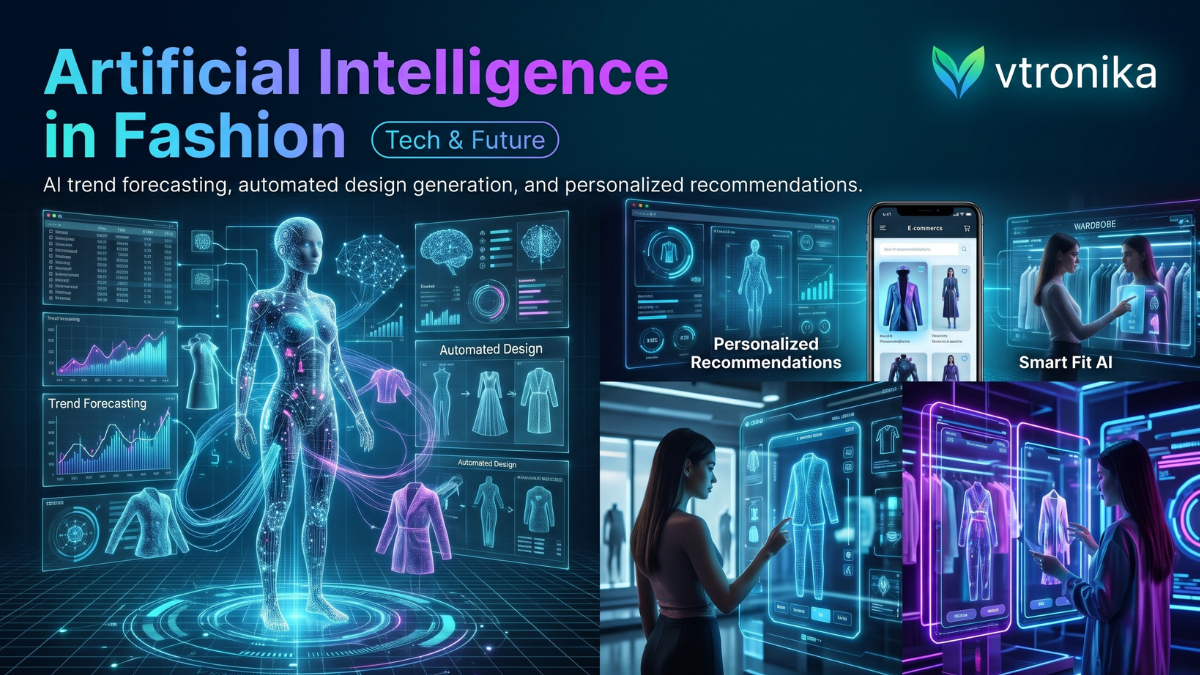
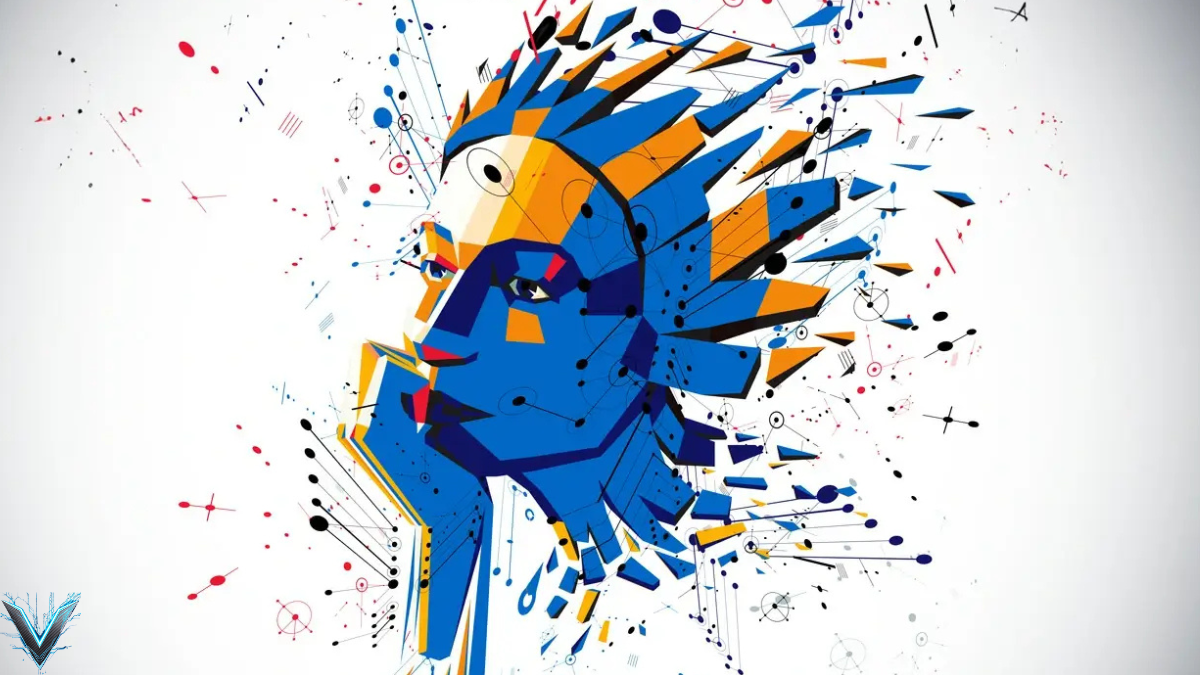
By 2027, the relationship between designers and artificial intelligence has matured from experimental prompt-engineering into an integrated, symbiotic partnership. Designers are no longer weighed down by production-heavy tasks like redrawing layouts, creating variations, or manually resizing digital assets. AI agents manage structural composition and real-time asset rendering, while human creatives direct brand philosophy, emotional tone, and cultural nuance. This shift elevates the designer into a systems thinker, turning software into an adaptive creative collaborator rather than a replacement.
2. Circular and Regenerative Biomaterials
Sustainability has moved beyond basic carbon offsetting into true regenerative material science. Products entering the market in 2027 prioritize closed-loop life cycles from their initial conception, using mycelium-based structures, algae polymers, and lab-grown composites engineered to biodegrade without ecological toxicity. Industrial and package designers now build products with modular assembly in mind, ensuring hardware components can be easily disassembled, repaired, or returned directly into manufacturing loops without degrading into landfill waste.
3. Spatial Computing and Ambient Interfaces
As screen fatigue drives users away from rigid, handheld glass panels, visual design is expanding into spatial computing and ambient environments. Interfaces in 2027 interact seamlessly with physical surroundings, leveraging depth, environmental lighting, and dynamic perspective shifts. Rather than pulling attention into an isolated rectangle, spatial UIs project minimal, contextual widgets directly onto surfaces or mixed-reality layers, prioritizing low-friction usability and contextual awareness over constant visual noise.
4. Tactile Warmth and Analog Renaissance
To counteract the hyper-polished, synthetic uniformity of purely algorithmic visuals, 2027 marks a strong resurgence of tactile realism and artisanal textures. Physical product design, digital typography, and web aesthetics are embracing organic textures, grainy gradients, physical craft marks, and deliberate imperfections. Users are actively drawn to products and interfaces that feel grounded and tangible, creating a new design standard where warmth, physical weight, and human touch differentiate premium brands from generic automation.
5. Hyper-Personalization and Generative UI
Static, one-size-fits-all user interfaces are rapidly becoming obsolete in modern software ecosystems. By 2027, generative UI frameworks assemble unique layouts, contrasting color schemes, and modular features on the fly based on individual user habits, accessibility needs, and context. A single application looks, reads, and navigates differently for an analytical power user compared to a visual-first casual browser, transforming software from a rigid grid into an organic, liquid medium that adapts to the human using it.
6. Minimalist Maximalism (Bold Minimalism)
The visual language of digital and graphic media in 2027 strikes a distinct balance known as minimalist maximalism. While information architecture and layouts remain clean, structured, and easy to parse, they are punctuated by expressive typographical treatments, high-contrast palettes, and unexpected chromatic splashes. This aesthetic prevents modern platforms from lapsing into sterile corporate minimalism, allowing brands to communicate bold personality and distinct identity while keeping load times fast and navigation effortless.
7. Functional Motion and Micro-Haptics
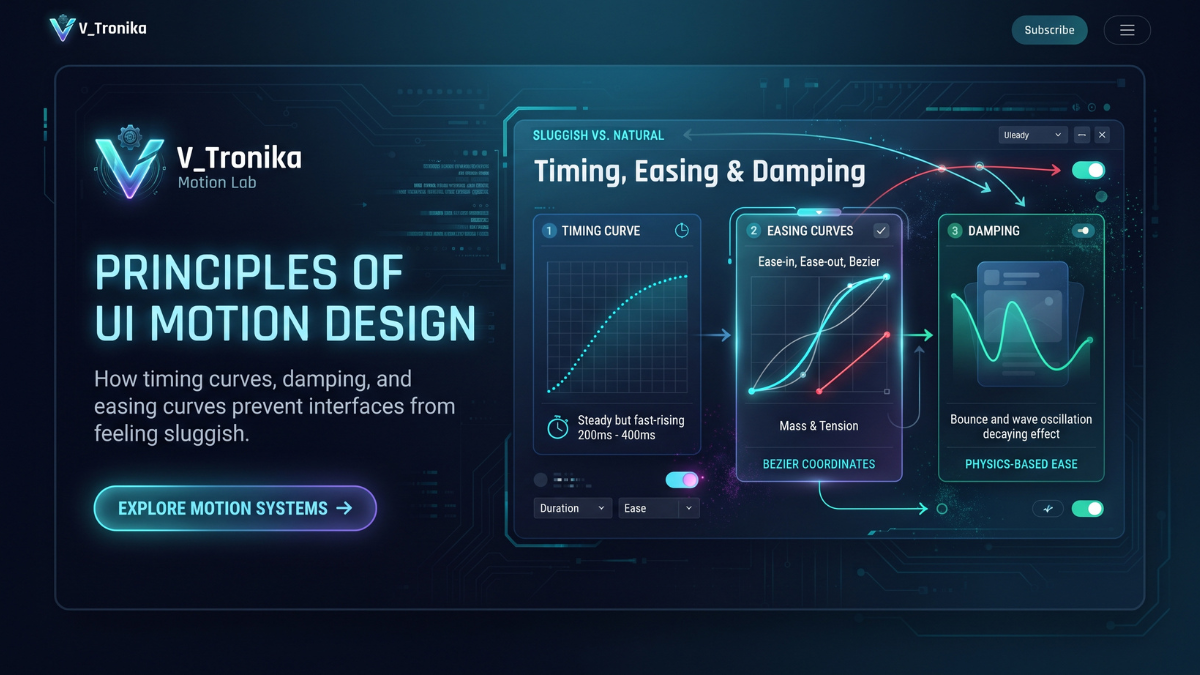
Motion design in 2027 is treated as critical information architecture rather than visual decoration. Instead of intrusive scrolljacking or heavy aesthetic loops, digital interactions rely on lightweight kinetic feedback and coordinated micro-haptics to convey state changes, process confirmations, and directional flows. Users instantly understand how complex systems operate through intuitive momentum, variable drag, and tactile pulses that mimic real-world physical laws.
8. Biophilic Environments and Neuro-Inclusive Design
Modern spatial and digital design is deeply rooted in human neurobiology and psychological well-being. Interior spaces, workstations, and digital products now integrate circadian rhythm lighting, soundscapes inspired by nature, and soft geometries that lower cortisol levels. Furthermore, neuro-inclusive design ensures that layouts, animations, and color spectrums accommodate cognitive variance, preventing sensory overload and ensuring environments are universally welcoming.
9. Glassmorphism 2.0 and Optical Refraction
Translucent surfaces and optical materials have evolved into sophisticated, performant design components. The new wave of glass styling integrates subtle reeded textures, diffused chromatic backdrops, and frosted layers that separate content hierarchies cleanly without cluttering the screen. Because modern rendering engines handle blur and refraction natively, this look delivers a sleek, three-dimensional physical presence across both web viewports and smart surface displays.
10. Designing for Autonomous Machine Agents
As autonomous AI assistants increasingly browse, extract, and act on behalf of human users, designers are rethinking how websites and digital products are structured. Beyond traditional human-facing visuals, digital platforms in 2027 must maintain semantic clarity, structured schemas, and clean data payloads that can be read and interpreted by autonomous agents in milliseconds. Success in this era means creating an experience that looks refined to human eyes while operating transparently for machine interpretation.
11. Cultural Provenance and Anti-Homogenized Identity
A global pushback against corporate visual homogenization has made regional heritage and cultural storytelling essential differentiators. Brands are abandoning generic, Western-centric design templates in favor of authentic visual vernaculars, local artisan collaborations, and indigenous material techniques. Innovation in 2027 is deeply connected to provenance, where a product’s origin story, community roots, and craftsmanship carry equal weight to its technological features.
12. Radical Digital De-Clutter and Calm Tech
Living in an era of non-stop digital notifications has spurred a widespread movement toward “calm technology.” Designers are intentionally paring back notification frequency, building quiet analog zones, and stripping away manipulative dark patterns. Products designed in 2027 respect user focus, surfacing critical information only when required and otherwise resting quietly in the background, proving that the highest form of innovation is giving users control over their attention.
To explore practical demonstrations of how modern materials, spatial layouts, and digital environments are shifting ahead of these timelines, take a look at 7 Design Trends You Need to Know Before 2027. This video offers direct visual breakdowns of evolving textures, material details, and tactile warmth that directly mirror the physical and environmental trends shaping the next few years.