Article 1: Innovating Style – Smart Textiles, Performance Fabrics, and Functional Aesthetics
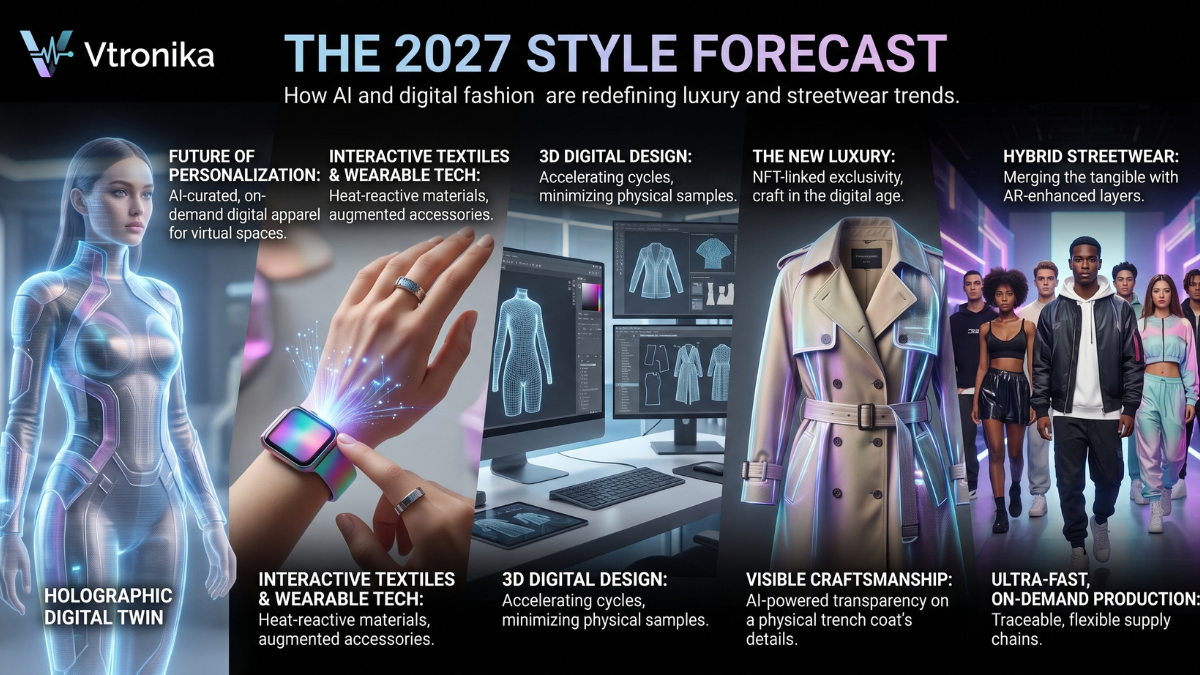
In contemporary fashion design, style has transformed from pure visual decoration into a sophisticated blend of material science, ergonomic function, and modern lifestyle demands. Today’s forward-thinking designers are actively transitioning away from static, single-purpose fabrics toward responsive “smart textiles” and performance-engineered materials. These innovations include phase-change temperature-regulating membranes, moisture-wicking synthetic blends, UV-protective knits, and antimicrobial treatments that adapt seamlessly to the wearer’s physiological shifts throughout the day. Concurrently, utilitarian aesthetics—frequently referred to as technical streetwear or gorpcore—have permeated luxury runways and everyday closets alike. Practical structural elements such as bonded waterproof seams, reinforced utility pockets, concealed magnetic closures, and modular zip-off components are now integrated into sharp, elevated silhouettes. Innovating style today is fundamentally about creating apparel that harmonizes refined elegance with all-weather, high-mobility daily functionality.
Article 2: 3D Virtual Prototyping – Revolutionizing Garment Construction and Fit
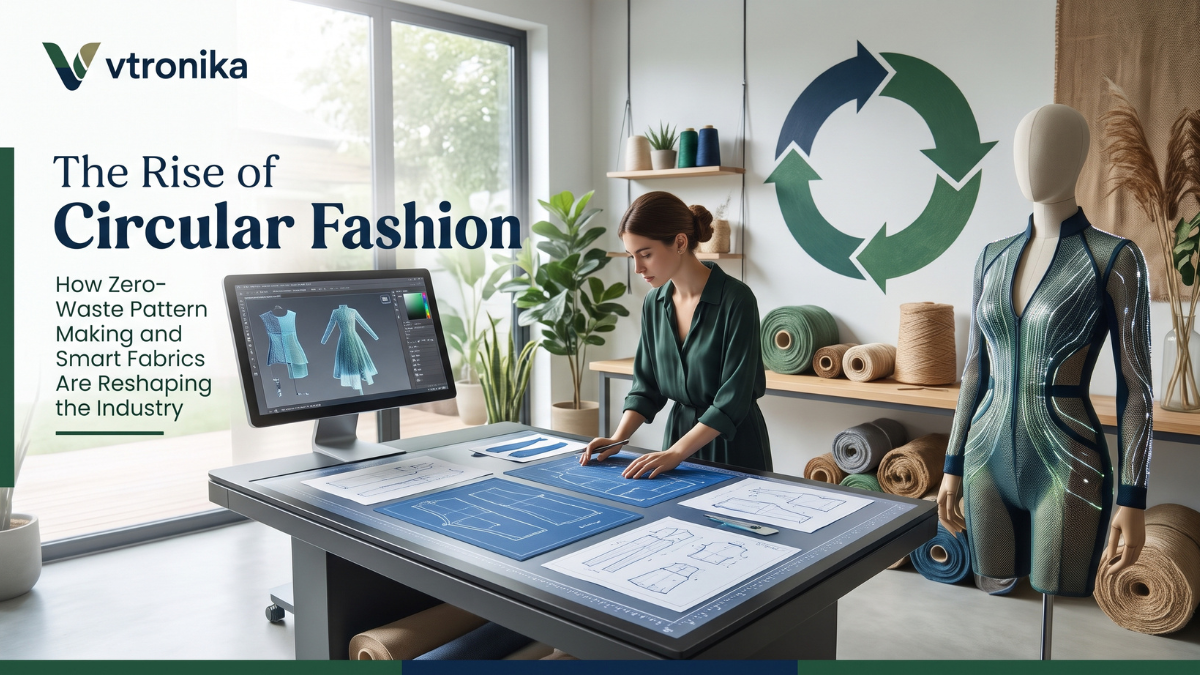
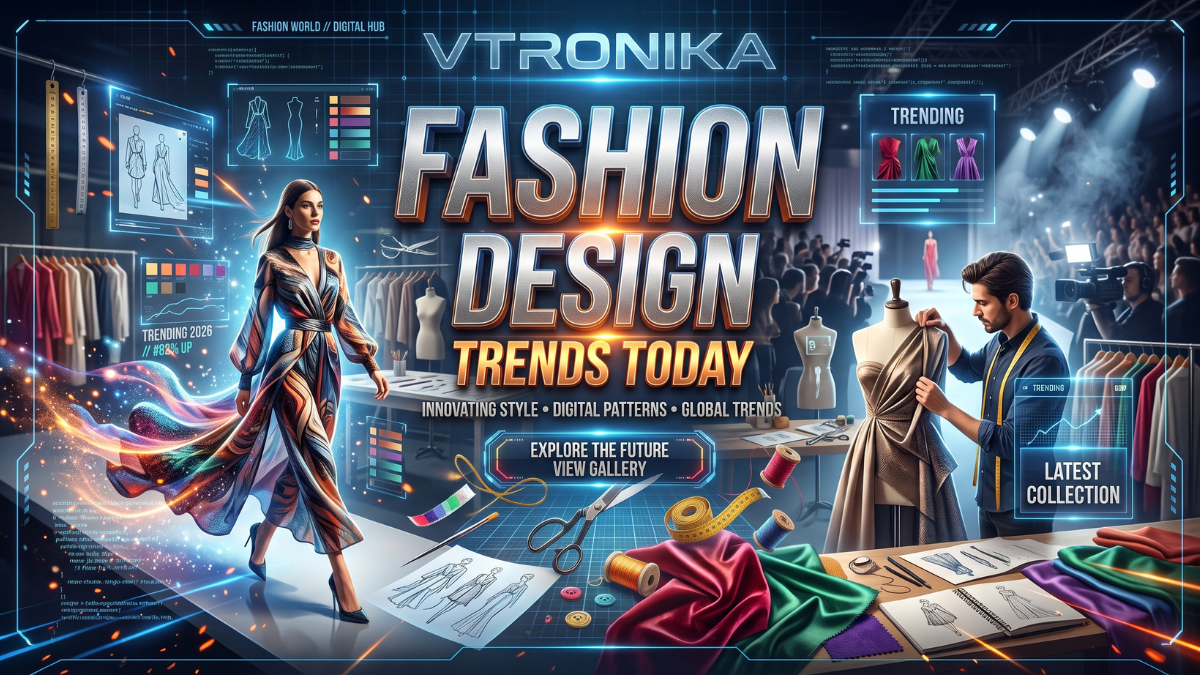
The shift from manual pattern grading to digital 3D virtual prototyping marks one of the most substantial operational advancements in modern apparel design. Utilizing industry-standard design suites like CLO 3D, Browzwear, and Style3D, pattern makers and couturiers can now sculpt, drape, and stitch garments directly onto digital avatars before cutting a single yard of physical fabric. These programs simulate physical textile parameters—such as warp and weft tension, surface friction, drape coefficients, and elastane recovery—with remarkable precision. This virtual workflow compresses multi-month physical sampling timelines into a matter of days, drastically slashing prototyping expenses. Designers can instantly fine-tune dart placements, hemlines, and seam curves across hundreds of size variations on-screen, generating digital blueprints ready for automated, high-precision industrial cutters.
Article 3: Zero-Waste Digital Nesting – Algorithmic Efficiency and Sustainable Cutting
Sustainability has transitioned from a marketing buzzword into a structural requirement, with digital pattern cutting serving as the foundation for modern waste reduction. In conventional manufacturing, standardized cutting markers routinely generate between 15% and 20% fabric off-cut waste that ends up directly in landfills. Algorithmic marker nesting software addresses this inefficiency directly by computationally arranging pattern pieces across the fabric width like an intricate geometric jigsaw puzzle. Designers are increasingly structuring their silhouettes around zero-waste cutting principles, constructing modular jackets, structured trousers, and flowing dresses that match the exact natural width of textile rolls. By fusing algorithmic calculation with creative drape design, production facilities cut down raw material consumption, minimize carbon emissions, and establish a viable blueprint for scalable, eco-conscious mass manufacturing.
Article 4: AI-Assisted Generative Surface Design – Code Meets Haute Couture
Textile surface prints and decorative motifs have expanded far beyond conventional hand sketching through the integration of artificial intelligence and generative design software. Designers now use machine learning models trained on vast archives of botanical illustrations, architectural blueprints, and mathematical fractals to generate infinite variations of seamless, ultra-high-resolution patterns. These generative outputs encompass everything from ethereal biomimetic textures to bold digital glitch art and optical distortion prints. Once finalized, these algorithmic designs are printed directly onto natural silks, linens, and recycled polyester blends using waterless digital reactive-ink printers. Rather than replacing human creativity, generative AI serves as an expansive creative catalyst, providing designers with complex visual concepts that merge classical craft traditions with algorithmic artistry.
Article 5: Quiet Luxury and Neo-Streetwear – The Divergent Directions of Modern Tailoring
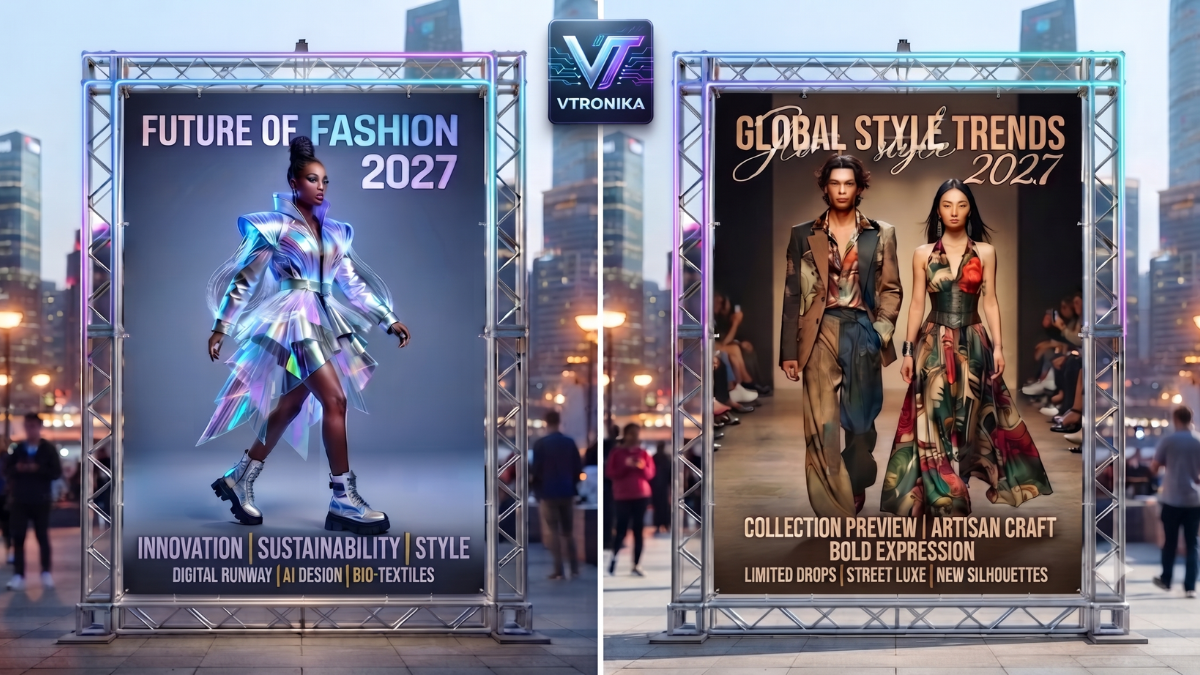
The global fashion landscape currently witnesses a dynamic dialogue between two prominent aesthetics: understated quiet luxury and graphic neo-streetwear. Quiet luxury places its entire emphasis on immaculate tailoring, discreet brand execution, muted architectural palettes (such as taupe, slate, bone, and camel), and uncompromised fabric quality, highlighting double-faced cashmere, fine worsted wool, and artisanal cottons. In contrast, neo-streetwear commands attention through dramatic drop shoulders, oversized volumes, bold deconstruction, and cybernetic graphic prints. Leading contemporary designers frequently merge these two aesthetics, producing hybrid garments like oversized minimal wool overcoats lined with technical nylon membranes or relaxed-fit dress trousers fitted with tactical waistband toggles. This hybridity illustrates that modern consumers demand the visual calm of classic minimalism paired with the casual ease and bold attitude of modern street culture.
Article 6: Gender-Fluidity and Parametric Sizing – Dissolving Traditional Silhouettes
Rigid gender divisions and standardized size charts are steadily giving way to inclusive, gender-fluid apparel collections engineered through parametric 3D body mapping. Rather than forcing diverse body shapes into archaic binary sizing models, contemporary brands utilize 3D body-scan data to create ergonomic, fluid silhouettes that drape naturally across varied physiques. Key design features include dropped armholes, elongated torsos, modular cinch cords, and double-breasted closures that allow the wearer to customize the drape and proportions to their personal preference. This structural shift reflects a broader global cultural movement championing self-expression and comfort over restrictive conventions, empowering individuals to choose clothing based on tactile sensation, construction quality, and styling freedom rather than gender labels.
Article 7: Cultural Fusion and Regional Heritage in a Hyper-Connected Market
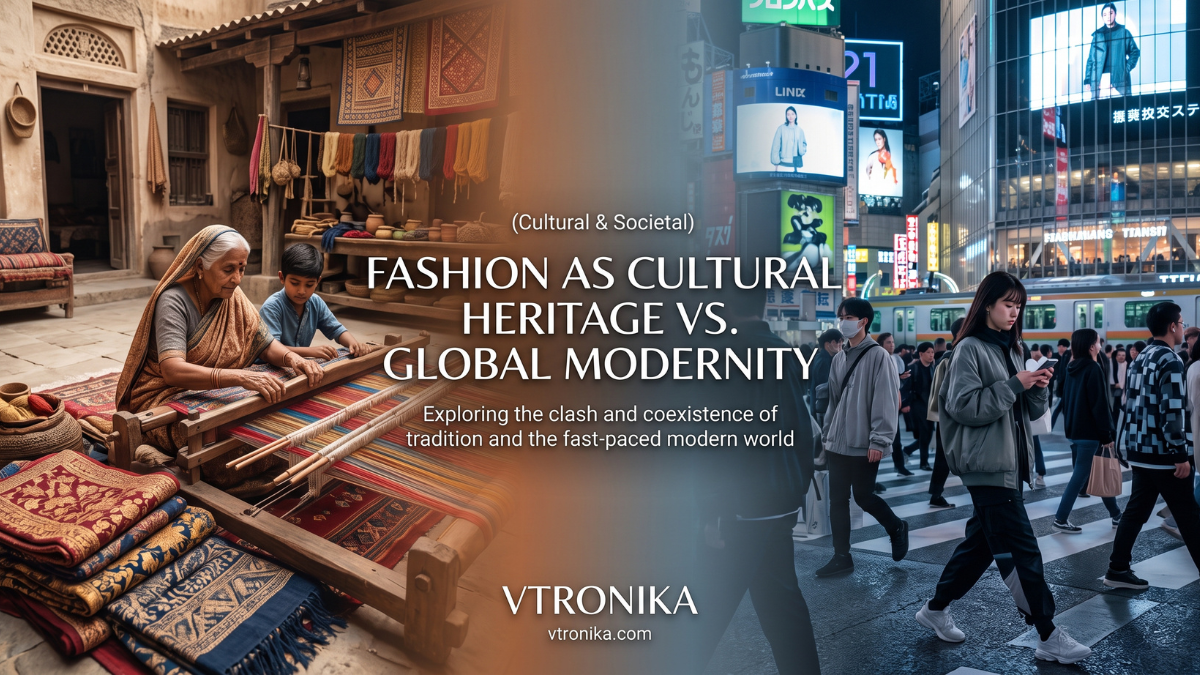
Global digital connectivity has provided local craft heritage with an unprecedented international platform, sparking a wave of thoughtful cross-cultural design collaborations. Today’s designers are bridging regional artisan techniques with modern metropolitan sportswear and tailoring. Intricate South Asian handloom weaving, Kashmiri aari needlework, Japanese sashiko stitching, and West African batik dye crafts are being reimagined within structured blazers, minimal tracksuits, and crisp poplin shirting. By converting traditional hand-drawn motifs into scalable digital vector assets, designers can resize, recolor, and adapt heritage patterns to modern pattern pieces while continuing to collaborate with rural artisan collectives. This balance of digital precision and artisanal soul honors cultural roots while ensuring traditional craftsmanship remains economically viable on the world stage.
Article 8: Digital Couture, Virtual Fashion, and Metaverse Wardrobes
The definition of a garment is no longer bound solely to physical threads, as digital-only fashion continues to build momentum across virtual platforms, gaming ecosystems, and augmented reality (AR) lenses. High-fashion ateliers and independent digital houses now release purely virtual collections designed strictly for virtual avatars, social media content creation, and metaverse environments. Free from physical constraints such as gravity, material cost, and physical manufacturing friction, virtual garments feature fluid chrome finishes, floating luminous geometries, and reactive, pulsating surfaces. For digital-native generations and content creators, digital fashion provides an avenue for boundary-pushing personal expression while circumventing the resource depletion and hyper-consumption associated with single-use fast fashion.
Article 9: Circular Regeneration – Upcycling Deadstock and Bio-Material Innovation
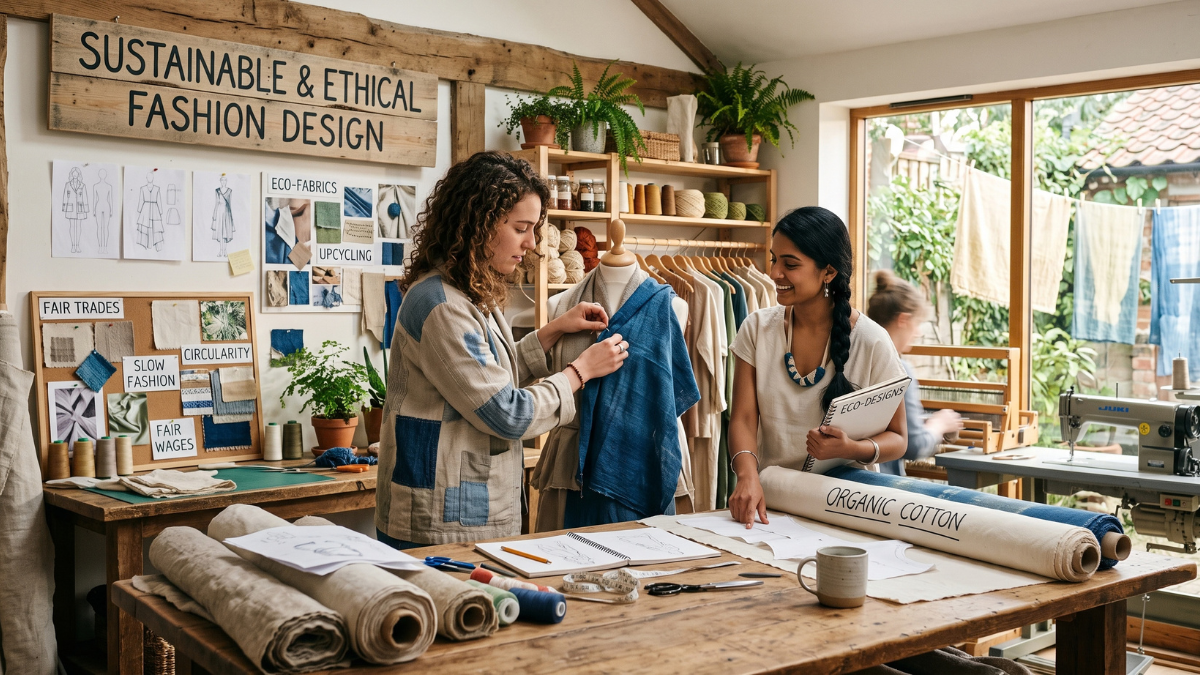
Modern garment design increasingly operates within a circular “cradle-to-cradle” framework, prioritizing the end-of-life cycle of every garment from the initial sketch. With immense amounts of unused factory fabric—commonly known as deadstock—accumulating globally, designers are employing digital scanning tools to map odd fabric cuts and engineer patchwork outerwear, statement vests, and accessory lines. In tandem with circular upcycling, material labs are introducing groundbreaking bio-fabricated textiles, such as plant-based leathers derived from mushroom mycelium, pineapple agricultural waste, and algae-based colorants. Designing for circularity involves choosing monomaterial fabric constructions and non-toxic biodegradable hardware, ensuring that garments can either decompose safely back into organic matter or be mechanically recycled without degrading fiber strength.
Article 10: Real-Time Predictive AI and On-Demand Micro-Manufacturing
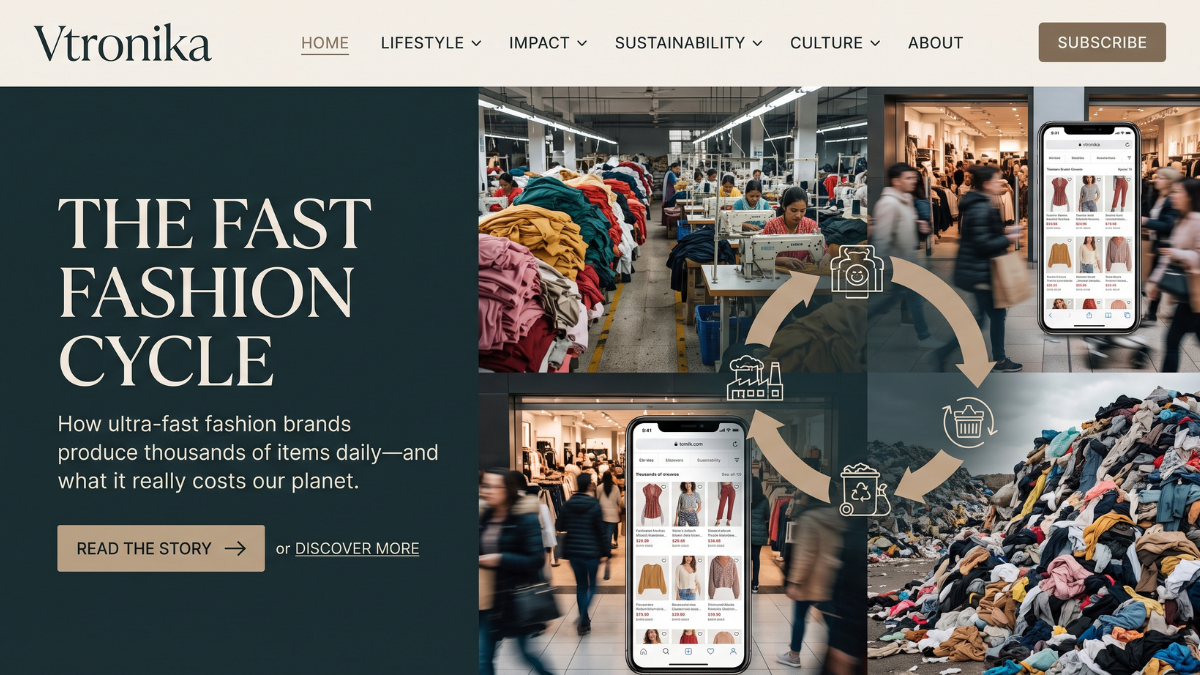
The historical fashion business model—relying on mass seasonal overproduction followed by heavy price markdowns—is being replaced by predictive AI trend forecasting and on-demand manufacturing. Advanced machine learning algorithms now parse real-time consumer data, including search metrics, e-commerce interactions, and social engagement heatmaps, to accurately anticipate color, fabric, and silhouette demands weeks in advance. Armed with these predictive insights, brands produce limited digital collections and launch made-to-order or micro-batch production runs. The moment a consumer purchases an item, the digital pattern is sent directly to automated laser-cutting stations and localized micro-factories. This digital on-demand model drastically curtails dead inventory, cuts warehousing footprints, and delivers customized, perfectly tailored garments tailored directly to consumer demand.