Article 1: Niche Selection in the AI Era — How to Pick a Profitable, High-Intent Topic
Why Broad Blogging Is Dead in 2026
Building a generalized lifestyle or personal blog is no longer commercially viable. Search algorithms and generative AI engines prioritize deep topical authority and direct human experience. To build a blog that earns $1,000 quickly, your topic must sit squarely at the intersection of high search intent, specific problem-solving, and advertiser value.
The 3-Pillar Niche Evaluation Formula
- Commercial Intent: Are companies actively selling high-ticket products or recurring SaaS subscriptions in this vertical? (e.g., B2B software, specialized personal finance, smart home robotics, eco-friendly consumer gear).
- First-Person Defensibility: Can an automated chatbot answer the core query in two sentences? If yes, discard the niche. Choose subjects requiring hands-on teardowns, real setup friction, personal testing, or data-driven comparisons.
- Micro-Focusing: Instead of “Fitness,” target “Endurance Training for Remote Desk Workers.” Instead of “Tech,” target “Self-Hosted Smart Home Security.”
Realistic Milestone
Focusing on a razor-sharp micro-niche allows you to build recognizable topical authority within 20 to 30 strategic articles, reducing the time needed to rank and convert visitors into buyers.
Article 2: Choosing Your Domain and Launching a Self-Hosted WordPress Infrastructure
Why Free Platforms Limit Your Revenue
Publishing on hosted platforms (like Medium, Wix, or free WordPress.com) restricts ad network integration, custom tracking scripts, dynamic affiliate displays, and full data ownership. If your goal is to monetize and scale, a self-hosted WordPress (WordPress.org) site is mandatory.
Setup and Infrastructure Checklist
- Domain Selection: Choose a clean, 2-to-3 word brandable
.comname without hyphens or numbers. Avoid overly narrow terms that prevent future content expansion. - Hosting Provider: Choose a fast cloud-based managed host (such as Cloudways, Hostinger Business, or SiteGround). Ensure your host provides NVMe storage, HTTP/3 protocol support, and free automated SSL certificates.
- Server Configuration: Set your PHP version to the latest stable release (PHP 8.2+), enable server-side Redis or Memcached object caching, and configure a free Cloudflare CDN integration for fast global asset delivery.
Realistic Milestone
A clean, self-hosted WordPress setup creates an independent digital asset that you fully own, capable of passing Core Web Vitals from day one.
Article 3: Core WordPress Architecture — Essential Themes, Core Plugins, and Crucial Pages
Avoiding the Trap of “Plugin Bloat”
Beginners often install 30+ plugins to achieve flashy visual effects, inadvertently crippling site speed and user experience. In 2026, fast-loading, minimalist block architectures outperform heavy visual page builders across search engine evaluation metrics.
Recommended Stack
- Theme: Use ultra-lightweight, block-first themes such as Kadence, GeneratePress, or Blocksy. Keep layout designs clean, prioritizing typography readability and white space.
- Core Utility Plugins:
- SEO: Rank Math SEO or SEOPress (lightweight and feature-rich).
- Performance: LiteSpeed Cache or WP Rocket (for CSS/JS minification and page caching).
- Security: Wordfence or Cloudflare WAF rules to block malicious login attempts.
- Mandatory Trust & Compliance Pages:
- About Page: Clearly articulate your credentials, testing methodology, and mission.
- Privacy Policy & Terms: Required for affiliate programs and ad networks.
- Affiliate Disclosure: Mandatory for FTC and international commercial compliance.
- Contact Page: Provide a clear contact form to invite brand sponsorships and media inquiries.
Realistic Milestone
A lightweight configuration keeps your total page size under 800 KB and achieves sub-second load times, providing a solid foundation for organic indexing.
Article 4: Information Architecture and Semantic Keyword Mapping
Moving from Random Keywords to Topic Clusters
Ranking on modern search engines requires structured topic clusters rather than isolated, disjointed articles. You need a centralized “Pillar Page” supported by tightly linked sub-topic articles that answer every relevant micro-query.
       [ Pillar Page: Comprehensive Guide ]
             /            |            \
 [ Sub-Topic A ]   [ Sub-Topic B ]   [ Sub-Topic C ]
 (Review/Test)     (Step-by-Step)    (Comparison)
Execution Strategy
- Identify the Core Pillar: Define the primary hub article (e.g., The Complete Guide to Remote Office Ergonomics).
- Map Long-Tail Query Variations: Use tools like Google Search Console, Ahrefs, Semrush, or free alternatives to find low-competition, specific search queries (e.g., Standing desk converter vs full adjustable frame for tall people).
- Intent Categorization:
- Informational (Top of Funnel): “How to fix posture pain while sitting.”
- Commercial Investigation (Middle of Funnel): “Top 5 ergonomic task chairs for lower back support.”
- Transactional (Bottom of Funnel): “Herman Miller Embody vs Steelcase Gesture review.”
- Internal Linking Framework: Every sub-topic post must link back up to the pillar page, and cross-link contextually to peer articles using clear, relevant anchor text.
Realistic Milestone
Structured internal linking signals deep authority to search crawlers, helping newly published pages get discovered and indexed within days.
Article 5: Drafting High-E-E-A-T Content That AI Cannot Duplicate
The Requirement for Experience, Expertise, Authoritativeness, and Trustworthiness
AI tools can generate endless generic informational text. To capture organic readers and convince them to buy through your links, your content must provide distinct, unreplicable human value.
Key Content Elements to Include
- Original Visual Proof: Embed your own unedited photos, UI screen recordings, and direct performance benchmarks. Never rely exclusively on generic stock imagery.
- The “Failed Experiment” Angle: Share specific mistakes, edge cases, or drawbacks of a tool/product that marketing materials conceal. This transparency builds strong reader trust.
- Direct Data and Calculations: Include clear comparison tables, itemized cost-benefit breakdowns, and explicit verdict summaries.
- Skimmable Formatting: Use clear H2 and H3 subheadings, concise 2-to-3 sentence paragraphs, bolded takeaways, and scannable callout boxes for quick reading.
Realistic Milestone
Content containing original testing and distinct viewpoints yields higher time-on-page metrics, lower bounce rates, and significantly higher affiliate link click-through rates.
Article 6: Setting Up Your Day-One Lead Magnet and Email Capture Funnel
Why Owning Your Audience Is Critical
Relying solely on search engine or social media algorithms leaves your traffic vulnerable to sudden policy updates. An email subscriber list is an asset you own directly, providing a dependable channel to distribute new posts and promote affiliate offers.
Constructing the Funnel
- The Lead Magnet: Avoid generic offers like “Subscribe to my newsletter.” Provide a hyper-actionable, immediate problem-solver:
- A downloadable PDF checklist.
- A customized Notion template or spreadsheet calculator.
- A 5-day automated email mini-course.
- Email Service Provider (ESP): Start with free or low-cost creator tiers like ConvertKit (Kit), MailerLite, or Brevo.
- Strategic Placement:
- Add a subtle exit-intent popup triggered after 30 seconds.
- Insert an in-line opt-in box mid-way through your top 3 most popular articles.
- Include a permanent link in your website’s main navigation menu.
- Welcome Automation: Set up an automated 3-part welcome email sequence that delivers the resource, shares your personal backstory, and highlights your best corner-stone content.
Realistic Milestone
Converting 2% to 4% of cold blog traffic into verified email subscribers creates an engaged core audience ready to receive product launches and affiliate campaigns.
Article 7: High-Ticket and Recurring Affiliate Marketing Strategies
The Fastest Route to Your First $1,000
Reaching $1,000 via display ads (like Google AdSense) often requires 50,000 to 100,000 monthly pageviews. In contrast, affiliate marketing can generate $1,000 with fewer than 2,000 highly targeted, commercial-intent visitors.
------------------------------------------------------------
Monetization Comparison to Reach $1,000:
------------------------------------------------------------
• Low-CPM Display Ads ($10 CPM):    ~100,000 Pageviews Needed
• Low-Ticket Amazon Affiliate (3%):  ~$33,000 Gross Sales Needed
• SaaS / High-Ticket Affiliate:      10-20 Qualified Referrals
------------------------------------------------------------
Strategic Implementation
- Prioritize Recurring SaaS Programs: Choose software solutions offering 20% to 40% monthly recurring commissions (e.g., email marketing platforms, CRM software, specialized hosting, accounting tools). A small base of active users builds a stable recurring income floor.
- Craft Direct Buyer-Intent Content:
- Product Alternatives: “[Competitor A] Alternatives: Cheaper & Better Options.”
- Direct Comparisons: “[Tool X] vs [Tool Y]: 30-Day Testing Results.”
- Discount & Pricing Breakdowns: “[Platform] Pricing Guide: Which Tier Is Worth It?”
- Optimize Call-to-Actions (CTAs): Use clean, well-placed visual buttons rather than relying solely on raw hyperlinks. Always disclose affiliate relationships clearly right next to recommendations.
Realistic Milestone
Securing 10 to 15 recurring software signups paying $30 to $70/month reliably hits and maintains your initial $1,000 target.
Article 8: Creating and Selling Low-Friction Digital Products
Retaining 100% Profit Margins
Once you understand your readers’ specific questions, you can package solutions into lightweight digital products. Digital products carry zero inventory costs, near-zero fulfillment fees, and keep 100% of profit margins on your balance sheet.
Practical First Digital Products
- Templates and Frameworks: Specialized Notion workspaces, Excel/Sheets financial models, or Canva design toolkits priced between $19 and $47.
- Micro-Ebooks and Technical SOPs: A focused 40-to-60 page problem-solving manual (e.g., How to Automate Cold Outreach for Web Designers) priced at $29 to $49.
- Checkout Integration: Use merchant-of-record checkout platforms such as Gumroad, Lemon Squeezy, or Payhip. These services automatically handle international EU VAT, currency conversions, and secure digital file delivery.
- On-Site Funneling: Promote the digital product directly inside context-matching articles as the natural “next logical step” for readers who want an all-in-one solution.
Realistic Milestone
Selling just twenty to thirty copies of a $39 template or guide generates ~$1,000 in revenue with zero ongoing production overhead.
Article 9: Off-Page Authority Building and Strategic Content Distribution
Moving Beyond “Publish and Pray”
Publishing great content is only half the battle; search engines require external signals of credibility to rank new websites. You must actively syndicate your key insights where your target audience already congregates.
Practical Distribution Channels
- LinkedIn Thought Leadership: Take the core findings of your long-form review, rewrite them into a clean 10-slide PDF carousel or text post, and link back to your blog in the comments.
- Reddit and Community Contributions: Identify active subreddits and forums in your niche. Provide detailed, helpful answers to user questions without spamming raw links; link back to your comprehensive guide only when it adds relevant, in-depth context.
- Digital PR & Quote Sourcing: Monitor platforms like Connectively (formerly HARO) or Featured to provide journalists with expert commentary in exchange for authoritative editorial backlinks.
- Pinterest Visual Search: For design, home, organizational, or consumer verticals, create customized vertical pins pointing toward your foundational how-to guides.
Realistic Milestone
Acquiring 5 to 10 contextual, high-authority editorial backlinks establishes foundational domain authority, accelerating the indexing speed and rank potential of your entire post library.
Article 10: Performance Analytics, Content Pruning, and Scaling Past $1,000
Treating Your Blog as a Data-Driven Asset
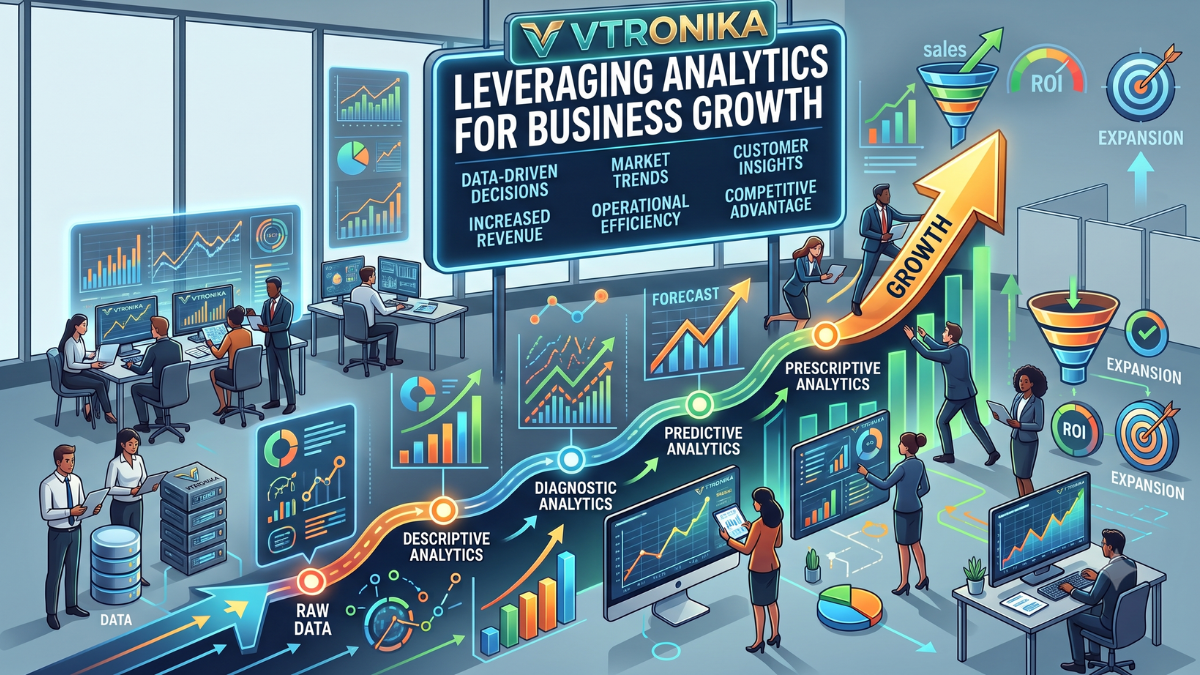
Once initial traffic begins to register, random content creation should stop. Scaling your income from your first $1,000 to consistent multi-thousand-dollar months requires auditing data and doubling down on verified winners.
The Optimization Framework
- Google Search Console Audit: Sort pages by impressions versus clicks. Identify articles ranking in positions 8 to 15; refresh their headlines, add missing FAQ schema, and update internal links to move them onto page one.
- Affiliate Conversion Optimization: Review your analytics to see which specific articles produce clicks that fail to convert. Test alternative button placements, update outdated pricing details, or swap underperforming merchants for better offers.
- Content Pruning: If older posts receive zero impressions over a 6-month period, either consolidate their useful information into a larger pillar post or delete them to preserve crawl budget and overall topical focus.
- Reinvestment Strategy: Allocate your initial $1,000 back into your blog: upgrade to premium hosting, invest in specialized research tools, or commission custom product photography to maintain your competitive advantage.