Article 1: The Modern Sports Merchandising Architecture — Moving Beyond Static Catalogs
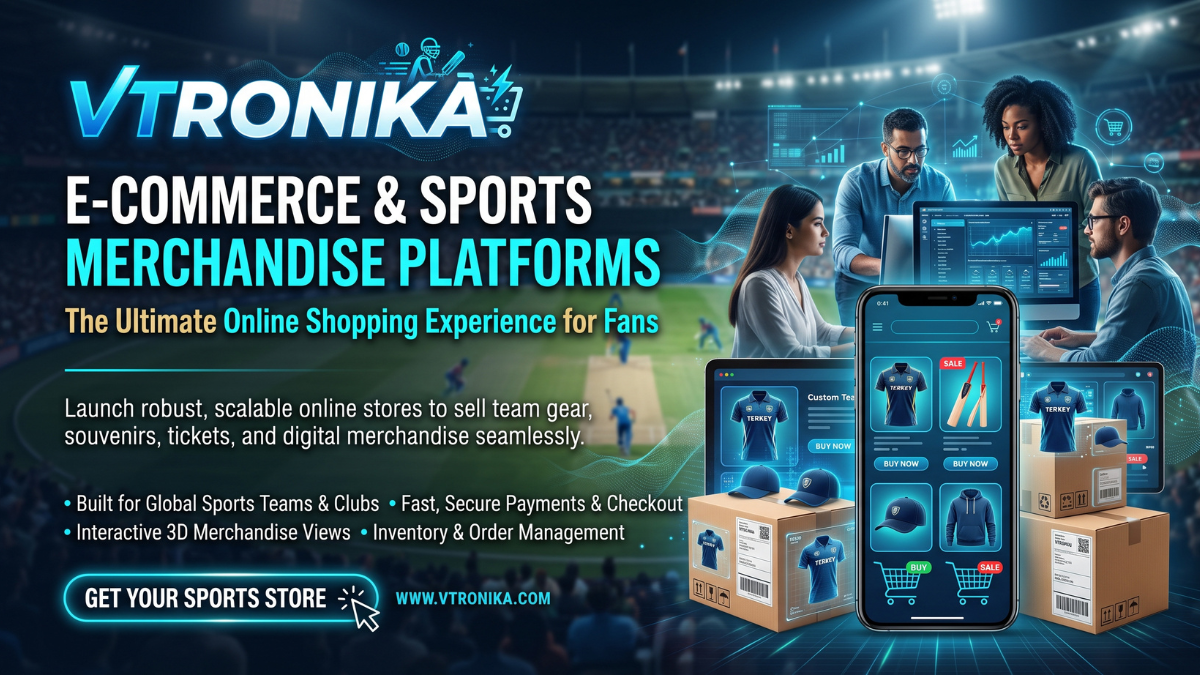
Sports retail has moved past basic web storefronts carrying pre-printed team apparel. The contemporary sports e-commerce platform functions as an integrated lifestyle and community portal, engineered to handle intense, sudden traffic surges during championship moments while providing tailored browsing paths during off-seasons.
Traditional retail platforms frequently crash or stall when hundreds of thousands of concurrent users attempt to check out within minutes of a final whistle. Modern sports merchandising infrastructure avoids this through:
- Headless Microservices: Decoupling front-end user interfaces from back-end inventory databases via GraphQL or REST APIs, allowing the storefront to serve dynamic content without straining inventory processing engines.
- Edge Caching & Dynamic CDN Scaling: Caching product catalog structures across worldwide edge networks to absorb sudden traffic spikes when key signings or victories trigger shopping waves.
- Integrated Digital Identity: Unifying ticketing accounts, fantasy sports credentials, and e-commerce profiles into single-sign-on (SSO) frameworks to capture behavioral preferences across the fan’s journey.
By designing resilient digital architecture, sports properties convert high-emotion moments into direct commercial outcomes without technical drop-offs.
Article 2: 3D Visualization, Digital Fitting & Jersey Customization Engines
One of the largest hurdles in sports e-commerce is return volume driven by sizing confusion or incorrect lettering on bespoke items. Modern platforms eliminate this friction by embedding interactive 3D rendering engines and computer vision directly into product pages.
| Interactive Capability | Underlying Technology | Fan Experience Advantage | Operational Business Value |
| Real-Time Kit Customization | WebGL / Three.js 3D rendering | Instant 360° visual review of dynamic player names, numbers, and tournament badges | Eliminates post-purchase lettering disputes and custom print errors |
| Virtual AR Try-On | WebXR & mobile camera integration | Superimposes jerseys and caps over the user’s live physical camera feed | Boosts purchase confidence for varied fit profiles |
| Predictive Sizing Recommendations | AI body-mapping algorithms | Matches height, weight, and preferred fit against garment specifications | Lowers costly cross-border return and exchange rates by up to 28% |
Transforming standard 2D mockups into responsive 3D assets shifts custom jersey purchases from an uncertain transaction to a personalized creative process.
Article 3: Micro-Moments & Impulse Commerce — Monetizing Live In-Game Events
Fan purchasing intent is closely tied to real-time athletic drama. The moment an iconic goal is scored, a walk-off home run clears the bases, or an underdog captures a title, buying intent reaches its peak. A thirty-minute delay in launching commemorative products frequently results in substantial lost revenue.
Modern sports commerce systems integrate directly with live match telemetry to capitalize on these micro-moments:
- Automated Trigger Ingestion: Optical tracking systems and live data feeds broadcast game events directly to the store’s marketing automation engine.
- Instant Catalog Generation: Pre-rendered templates for player milestones and championship designs populate dynamically on the site within seconds of the referee’s final call.
- Targeted Notification Blasts: Segmented push notifications and SMS alerts deploy instantly to active app users, directing them to pre-loaded, one-click checkout baskets featuring the milestone gear.
Bridging live match events with immediate e-commerce availability turns spontaneous emotional highs into measurable retail sales.
Article 4: Omnichannel Venue Synchronization — Merging Physical Stadiums with Online Hubs
The historical divide between in-arena physical merchandise stands and the club’s digital e-commerce portal created operational blind spots, long lines, and frequent stockouts. Today’s leading franchises operate unified omnichannel ecosystems that connect physical concourses directly to cloud-based inventory.
Through dedicated club apps, attendees seated in the arena can:
- Scan In-Seat QR Codes: Browse the entire stadium warehouse catalog rather than being limited to items carried at a single concession booth.
- Opt for In-Seat Express Delivery: Runners deliver official match-day kits, caps, and limited-edition scarves directly to the seat number during halftime breaks.
- Utilize Click-and-Collect Stadium Lockers: Fans purchase merchandise online during the second half and collect their bagged items from automated lockers on their way out of the gates, bypassing concourse lines completely.
Synchronizing in-venue POS terminals with central e-commerce databases ensures fans never leave the match empty-handed due to local stock shortages.
Article 5: Authentication, Provenance & Fighting the Counterfeit Market
The rapid expansion of the secondary market for game-worn memorabilia and rare sports apparel has introduced significant risks from counterfeit items. Modern fans and collectors demand clear, tamper-proof proof of authenticity before investing substantial sums into memorabilia.
Sports merchandising platforms protect collector trust by deploying Near-Field Communication (NFC) smart tags and cryptographic digital passports:
- Embedded NFC Chips: Game-worn jerseys and limited-edition championship balls carry encrypted micro-chips embedded directly inside the garment tags or leather seams.
- Smartphone Verification: Fans tap their smartphone against the physical product to open a verified, immutable digital certificate showing exact match dates, player usage records, and chain of custody.
- Secondary Market Protection: Digital ownership records transfer alongside physical sales, ensuring resale royalties return to the club while buyers steer clear of counterfeit goods.
Using digital provenance tools protects brand integrity and elevates the value of authentic sports collectibles.
Article 6: On-Demand Manufacturing & Distributed Global Fulfillment
Managing seasonal athletic merchandise inventories carries substantial financial risk; over-ordering leads to margin-eroding post-season clearance sales, while under-ordering causes immediate stockouts during unexpected winning streaks.
To address this challenge, forward-looking platforms deploy hybrid supply chain networks:
- Core Stock + Print-on-Demand (POD): Standard blank garments are distributed across regional fulfillment hubs, while dynamic player names, special edition patches, and championship graphics are printed and pressed on demand only after orders clear.
- Distributed Regional Routing: Automated order routing software directs orders to the production facility closest to the customer’s delivery address, lowering transit carbon emissions and delivery times.
- Reduced Dead Stock: By personalizing garments post-sale rather than warehousing thousands of pre-printed names, clubs avoid holding unsellable inventory when players change squad numbers or transfer unexpectedly.
On-demand production keeps capital liquid while ensuring fans have continuous access to full squad rosters.
Article 7: Frictionless Checkout, Digital Wallets & Global Payment Localization
Modern sports audiences are inherently international, yet many regional sports e-commerce sites suffer high abandonment rates by failing to accommodate localized payment preferences and cross-border currency options.
Optimizing checkout flows requires removing input friction and localizing payments:
- Express Digital Wallets: Providing native Apple Pay, Google Pay, and localized mobile wallets removes the need to manually enter sixteen-digit credit card details on mobile screens, lifting mobile checkout completion rates.
- Localized Payment Networks: Integrating regional transaction methods—such as Pix in Brazil, iDEAL in the Netherlands, and Klarna or Affirm for split-payment flexibility—accommodates local spending habits.
- Transparent Landed Costs: Displaying exact duties, cross-border tariffs, and local shipping fees directly in the checkout summary prevents unexpected import fees on delivery, reducing package refusals and customer churn.
A frictionless international checkout setup ensures global supporter enthusiasm translates into successful, completed transactions.
Article 8: Zero-Party Data Strategies & Predictive Fan Personalization
With third-party tracking cookies largely phased out across web browsers, sports merchandise retailers must cultivate direct, permission-based data relationships with their supporter bases.
High-performing platforms collect zero-party data through deliberate engagement touchpoints:
[Interactive Onboarding Poll] ──> "Select Your Favorite Player & Historic Era"
                │
                ▼
[Dynamic Homepage Personalization] ──> Displays targeted apparel & exclusive player drops
                │
                ▼
[Automated Lifecycle Triggers] ──> Birthday offers, jersey upgrade reminders on matchdays
By dynamically adjusting the site experience—such as changing hero banners to feature an individual fan’s favorite athlete—the platform delivers a personalized catalog rather than a generic digital aisle. Tailored merchandising increases average order value (AOV) and lowers customer acquisition costs (CAC) through higher organic retention.
Article 9: Gamified Loyalty Programs and Tiered Fan Rewards
Transaction-only loyalty programs that offer minor percentage discounts often fail to build deep emotional loyalty. Modern sports commerce hubs treat fan loyalty as an engaging, multi-tiered community status ecosystem.
Effective loyalty frameworks reward both transactions and non-commercial team engagement:
- Points for Engagement: Supporters earn reward tokens not just by buying gear, but by watching official video streams, attending stadium fixtures, voting in team polls, or listening to official podcasts.
- Exclusive Tiered Rewards: Points unlock non-monetary, high-value experiences that money cannot easily buy—such as pitch-side access during pre-match warmups, signed training gear, or invitations to player Q&A sessions.
- Early Access Drops: High-tier members receive 24-hour priority access windows to purchase high-demand drops (such as limited retro jerseys or cup-final kits) before public release.
Gamifying loyalty transforms occasional merchandise shoppers into dedicated, brand-aligned brand advocates.
Article 10: The Convergence of Digital Fashion, Streetwear & Sports Culture
Sports merchandise has broken out of the stadium concourse to become a major force in global streetwear and lifestyle fashion. Today’s apparel programs feature collaborations between athletic clubs, independent streetwear designers, and cultural figures.
Navigating this cultural crossover requires distinct digital merchandising tactics:
- Limited-Run “Drop” Architectures: Implementing timed countdown drops and lottery-style reservation queues for high-heat lifestyle collaborations (such as luxury capsule collections), generating organic anticipation without site crashes.
- Editorial Lookbooks: Replacing standard white-background catalog photography with high-production lifestyle lookbooks shot in urban settings, helping shoppers visualize how kits style into daily wardrobes.
- Virtual & Gaming Assets: Partnering with gaming platforms (such as EA Sports FC, Fortnite, or Roblox) to release matching digital skins alongside physical apparel drops, connecting physical streetwear directly with younger, digital-native audiences.