

1. The Genesis of Virtual Runways: How Artificial Intelligence is Redesigning Global Fashion Weeks
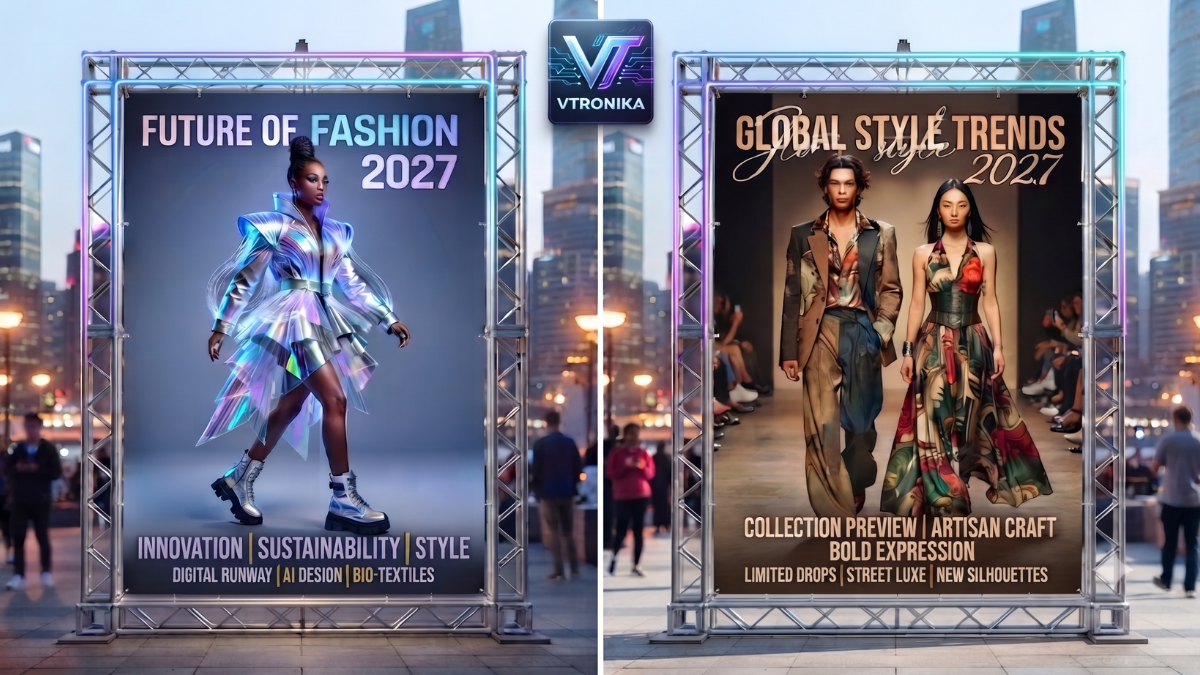
Artificial intelligence is fundamentally transforming the traditional concept of global fashion weeks, shifting the industry from physical runways to immersive, algorithm-driven virtual showcases that captivate audiences worldwide. Designers are increasingly utilizing generative machine learning models to synthesize avant-garde collections, projecting hyper-realistic digital garments onto virtual models within fully rendered, fantastical environments that would be physically impossible to construct in real life. These digital runway shows eliminate the massive logistical expenses and carbon emissions associated with transporting physical garments, international teams, and VIP guests across the globe, while democratizing access so that anyone with an internet connection can front-row experience the latest collections. Furthermore, AI algorithms analyze real-time viewer engagement, sentiment analysis, and social media reactions during these virtual presentations, providing fashion houses with immediate feedback on which designs resonate most strongly with consumers before a single physical thread is cut. This paradigm shift allows emerging and established designers alike to experiment with boundless creativity, pushing the boundaries of aesthetics and narrative storytelling through code, pixels, and interactive digital media.
2. Zero-Waste Digital Wardrobes: Tackling Fast Fashion’s Environmental Crisis Through Code
The fashion industry has long been recognized as one of the largest polluters on the planet, but the rise of digital-only clothing offers an innovative solution to combat textile waste and environmental degradation. By replacing physical shopping habits with digital outfits that can be overlaid onto photos, videos, and live streams, consumers can satisfy their desire for novelty and self-expression on social media without contributing to overflowing landfills or resource-intensive manufacturing processes. Artificial intelligence plays a pivotal role in this ecosystem by optimizing digital asset creation, ensuring that virtual garments drape, fold, and interact with light and movement in a hyper-realistic manner without requiring any physical water, dyes, or raw materials. As eco-conscious consumers and Gen Z shoppers demand greater accountability from brands, digital fashion provides a guilt-free alternative that dramatically shrinks the industry’s carbon footprint while preserving the joy of styling and outfit curation. Moreover, fashion tech platforms are integrating blockchain verification to ensure the authenticity and ownership of these digital garments, creating a sustainable secondary market that mirrors the collectibility of physical luxury goods.
3. Generative Design Algorithms: When Machine Learning Becomes the Ultimate Creative Director
Machine learning is no longer just a backend tool for inventory management; it has stepped directly into the designer’s studio as an active, collaborative creative partner that redefines how clothing is conceptualized. Generative AI models trained on centuries of art history, textile archives, and contemporary streetwear trends can produce millions of unique pattern variations, color palettes, and structural silhouettes in a matter of seconds. Designers collaborate with these algorithms by feeding specific parameters—such as target demographics, weather conditions, or futuristic themes—and filtering through the AI-generated outputs to select the most compelling concepts for development. This symbiotic relationship between human intuition and machine intelligence accelerates the design lifecycle from months to days, allowing brands to respond with unprecedented agility to micro-trends dictated by internet culture. By automating the most repetitive aspects of pattern-making and scaling, generative design frees human creators to focus on emotional storytelling, craft heritage, and high-concept innovation, ultimately birthing hybrid styles that human minds might never have conceived independently.
4. Virtual Avatars and Digital Twins: Personalizing the Future of Identity and Style in the Metaverse
As digital spaces, gaming platforms, and virtual reality worlds evolve into the metaverse, our online avatars are becoming primary extensions of our personal identities, driving a massive surge in virtual fashion consumption. Users invest significant time and financial resources into styling their digital twins with exclusive, designer-branded virtual garments that communicate status, taste, and cultural capital in online communities. Artificial intelligence enables these virtual wardrobes to adapt dynamically, using biometric data or real-time user movements to ensure that digital outfits flow naturally with the avatar’s gestures and expressions. Luxury powerhouses and independent streetwear labels alike are establishing dedicated digital divisions to drop limited-edition virtual sneakers, accessories, and haute couture pieces that exist solely on the blockchain and within virtual environments. This shift redefines luxury not by the rarity of physical materials, but by the exclusivity, digital provenance, and programmatic capabilities of code, opening up multi-billion-dollar economic opportunities where identity is completely untethered from physical reality.
5. AI-Powered Virtual Fitting Rooms: Eliminating E-Commerce Returns and Sizing Frustrations
Online shopping has historically been plagued by high return rates driven by inconsistent sizing charts and the inability to judge how a garment will truly fit a unique body shape, but AI-driven virtual fitting rooms are permanently solving this issue. Advanced computer vision and machine learning algorithms can generate precise 3D digital avatars of shoppers using quick smartphone scans or basic height, weight, and proportion inputs, allowing customers to try on clothes virtually with astonishing accuracy. These virtual try-on tools simulate fabric drape, stretch, and elasticity based on real-world physics, showing shoppers exactly how a specific cut or material will look and feel on their unique silhouette before they make a purchase. For retailers, this technology drastically reduces the costly and environmentally damaging cycle of shipping returns back and forth, while simultaneously boosting consumer confidence and conversion rates. By bridging the gap between digital representation and physical reality, AI fitting rooms create a seamless, personalized, and highly efficient e-commerce experience that caters directly to individual body diversity.
6. Blockchain and Digital Ownership: The Rise of Non-Fungible Tokens (NFTs) and Provable Scarcity in Fashion
The intersection of artificial intelligence, blockchain technology, and digital fashion has given birth to a brand-new asset class: cryptographically secured, verifiable digital garments and accessories. Just as physical luxury items derive their value from craftsmanship, limited production runs, and certificates of authenticity, digital fashion utilizes non-fungible tokens (NFTs) and smart contracts to establish undeniable ownership and provable scarcity in virtual spaces. AI-generated certificates and digital signatures ensure that a virtual couture dress or rare sneaker drop cannot be infinitely duplicated without authorization, giving digital assets genuine economic value and collectibility. Fashion enthusiasts and collectors trade these digital pieces on decentralized marketplaces, where algorithms track provenance, valuation history, and secondary market royalties for the original creators. This decentralized financial model empowers independent digital designers to monetize their creations globally without relying on traditional corporate manufacturing infrastructure, fundamentally democratizing the economics of the fashion industry.
7. Predictive Analytics and Demand Forecasting: How AI Eliminates Overproduction in Supply Chains
One of the most profound impacts of artificial intelligence on fashion happens behind the scenes, where predictive analytics and machine learning models analyze global consumer behavior, social media sentiment, and search trends to forecast demand with surgical precision. Historically, fashion brands relied on guesswork and historical sales data months in advance, leading to massive overproduction, unsold inventory, and the environmentally destructive practice of incinerating surplus stock. Modern AI algorithms process millions of data points across social platforms and e-commerce transactions to identify emerging micro-trends in real time, enabling brands to manufacture exact quantities or adopt a make-to-order production model. This data-driven approach drastically minimizes material waste, optimizes factory efficiency, and ensures that supply chains operate in strict alignment with actual consumer demand rather than speculative assumptions. By integrating AI into the planning phase, the fashion industry can finally transition toward a lean, waste-free operational model that respects planetary boundaries.
8. Smart Fabrics and Tech-Infused Wearables: The Convergence of Digital Aesthetics and Material Science
Digital fashion extends far beyond the screen through the rapid development of smart textiles and tech-infused wearables that merge algorithmic design with advanced material science. Researchers and fashion technologists are engineering garments embedded with flexible micro-LEDs, conductive threads, and responsive sensors that allow physical clothing to change colors, display dynamic digital patterns, or react to environmental stimuli such as temperature, sound, and light. Artificial intelligence acts as the central nervous system for these smart garments, processing sensor inputs and controlling how the apparel dynamically alters its visual appearance or functional properties in real time. A single physical jacket can thus transform its digital pattern or color scheme at the push of a button or via a smartphone app, effectively replacing an entire closet’s worth of traditional clothes with one versatile, programmable garment. This convergence of hardware engineering, software code, and textile design represents the ultimate realization of digital fashion bridging the physical and virtual worlds.
9. AI Stylists and Hyper-Personalized Shopping Assistants: Redefining Customer Curation
Navigating the overwhelming ocean of modern e-commerce has become increasingly complex, leading to the rise of AI-powered personal stylists and hyper-personalized shopping assistants that cater to individual tastes with human-like intuition. These advanced natural language processing models and recommendation algorithms learn a user’s unique style preferences, color palettes, lifestyle requirements, and budget constraints by analyzing past purchases, browsing behavior, and even uploaded inspiration boards. Instead of presenting generic category pages, AI stylists curate bespoke capsule wardrobes, suggest innovative outfit combinations, and explain why specific pieces complement the user’s aesthetic profile. Furthermore, these virtual assistants can scour global inventories across multiple brands to find rare items, suggest sustainable alternatives to fast-fashion pieces, and assemble complete looks tailored precisely for upcoming events or vacations. This high level of personal curation elevates online shopping from a tedious search task into an engaging, collaborative styling session that feels intimate and uniquely empowering.
10. The Ethics of Digital Couture: Copyright, Intellectual Property, and Authenticity in the Age of Algorithms
As artificial intelligence and digital fashion reshape the landscape of style, they simultaneously introduce complex ethical, legal, and copyright challenges regarding intellectual property and digital authenticity. Because generative AI models are trained by scraping vast datasets of historical designs, artwork, and runway collections, questions frequently arise regarding who truly owns the copyright to an AI-generated garment or digital pattern—the human prompter, the software developer, or the original designer whose work influenced the algorithm. Moreover, the ease with which digital garments can be replicated, modified, or pirated in virtual environments necessitates robust digital watermarking and decentralized legal frameworks to protect independent creators from having their virtual designs stolen or mass-marketed without compensation. Addressing these regulatory hurdles requires the fashion industry, legal experts, and technologists to establish transparent standards for ethical AI training, fair attribution, and digital ownership rights. Navigating these challenges thoughtfully will ensure that the digital fashion revolution remains a creative space built on mutual respect, innovation, and fair economic reward for all creators.