
NASA sold the science and glamour of space travel by turning space exploration into a symbol of adventure, innovation, and human achievement. During the Space Race, NASA gained worldwide attention through historic missions like the Apollo 11 Moon Landing, which made astronauts famous and inspired millions of people. Through television broadcasts, newspapers, documentaries, and school programs, NASA explained complex scientific ideas in exciting and simple ways. Images of rockets launching into space and astronauts walking on the moon created a feeling of wonder and curiosity about the universe. NASA also used powerful storytelling and media campaigns to connect science with national pride and futuristic dreams. The agency encouraged students to study science, technology, engineering, and mathematics by showing how space research could improve life on Earth. Modern projects such as the International Space Station and Mars exploration missions continue to attract public interest through social media, live videos, and digital content. By combining scientific discovery with excitement and imagination, NASA successfully made space travel both educational and glamorous for people around the world.

1. The Beginning of NASA’s Space Dream
NASA captured public attention by presenting space travel as both scientific progress and exciting adventure. During the Space Race, NASA promoted missions that showed American innovation and courage. Television broadcasts of rocket launches and astronaut training fascinated audiences around the world. People viewed astronauts as heroes exploring the unknown. NASA also explained how scientific research in space could improve technology and everyday life. By combining education, media coverage, and inspiring stories, NASA made space exploration glamorous and important for humanity’s future.
2. Apollo Missions and Public Excitement
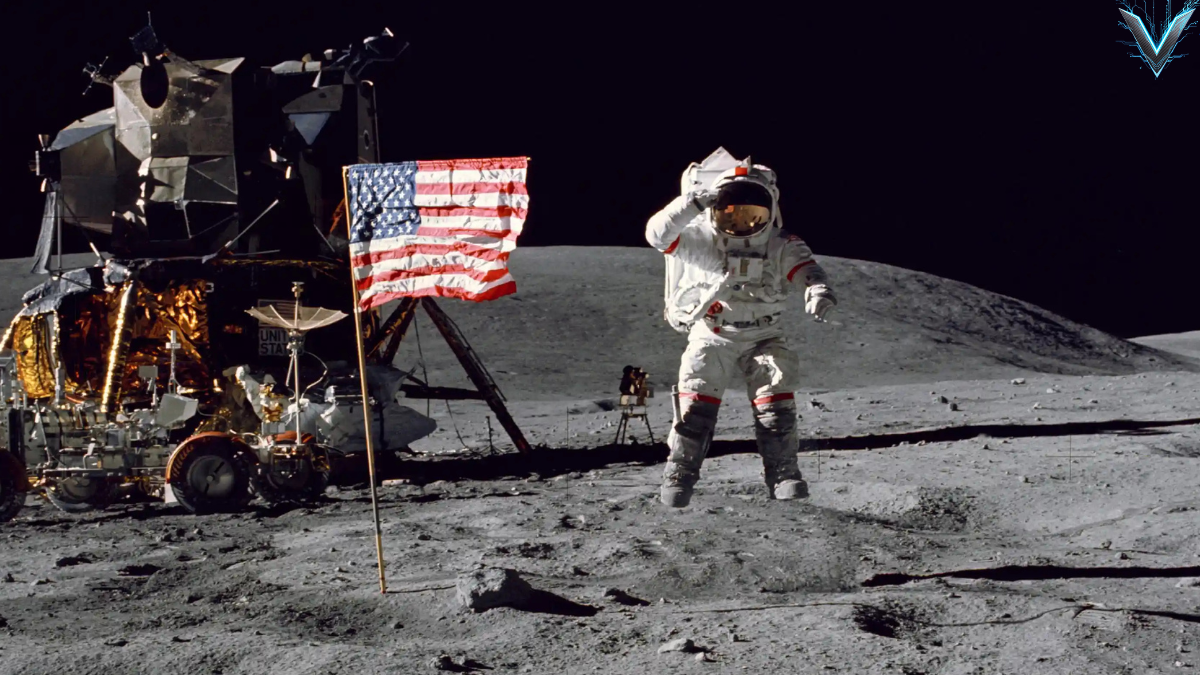
The Apollo 11 Moon Landing became one of NASA’s greatest achievements and a major media event. Millions watched astronauts land on the moon through live television broadcasts. The mission represented bravery, intelligence, and national pride. NASA shared photographs, interviews, and documentaries that made the moon landing feel personal and historic. Astronauts became global celebrities, and children dreamed of becoming space explorers. The success of Apollo missions helped NASA connect scientific discovery with excitement and adventure in the minds of the public.
3. Astronauts as National Heroes
NASA turned astronauts into symbols of courage, intelligence, and exploration. Figures like Neil Armstrong and Buzz Aldrin became famous around the world after walking on the moon. NASA used interviews, public appearances, and magazines to present astronauts as role models. Their stories inspired young people to study science and engineering. The bravery and discipline of astronauts added glamour to space travel while also showing the importance of scientific training and teamwork in achieving extraordinary goals.
4. Media and Television Influence
NASA used television, newspapers, and documentaries to share space missions with the public. Rocket launches and moon missions were broadcast live, creating excitement and curiosity. Families gathered around televisions to watch astronauts explore space. NASA’s communication strategies helped people understand difficult scientific concepts in simple ways. Space documentaries and educational programs increased public interest in astronomy and technology. Through media influence, NASA successfully turned space exploration into entertainment, education, and inspiration for millions of people across the globe.
5. Space Photography and Public Wonder
NASA’s stunning images of Earth, the moon, and distant planets helped create fascination with space travel. Photographs taken during missions showed the beauty of the universe and changed how people viewed Earth. Images of astronauts floating in space added glamour and excitement to scientific missions. NASA shared these pictures through magazines, museums, and television programs. The powerful visual storytelling encouraged curiosity about the universe and increased support for space exploration. Space photography became an important tool in connecting science with human imagination.
6. Education and Science Promotion
NASA strongly promoted science education through school programs, public events, and educational materials. The agency encouraged students to study science, technology, engineering, and mathematics. By showing the achievements of astronauts and scientists, NASA inspired young people to dream about careers in aerospace and research. Educational campaigns explained how space technology could benefit life on Earth, including communication systems and medical advancements. NASA’s focus on learning helped create a positive image of science while making space travel appear exciting and meaningful.
7. The Glamour of Rocket Launches
Rocket launches became dramatic events that attracted worldwide attention. NASA presented launches as moments of scientific achievement and national pride. Crowds gathered to watch rockets rise into the sky, while television audiences followed every mission closely. The sounds, flames, and countdowns created excitement and suspense. NASA used these events to highlight technological innovation and human ambition. The visual power of rocket launches helped transform space exploration into a glamorous symbol of progress and futuristic possibility.
8. Modern Space Exploration and Social Media
Today, NASA continues to inspire audiences through social media and digital storytelling. Missions involving Mars rovers and the International Space Station are shared online through videos, photos, and live broadcasts. NASA interacts directly with global audiences on digital platforms, making science more accessible and engaging. Social media allows people to follow astronauts and scientists in real time. This modern communication approach helps NASA maintain public excitement and continue promoting the glamour of space exploration.
9. NASA’s Cultural Impact
NASA influenced popular culture through movies, books, toys, and television shows about space travel. Science fiction films and stories often reflected NASA’s missions and achievements. Space-themed products became popular among children and adults. NASA’s work created a cultural fascination with astronauts, rockets, and the possibility of life beyond Earth. The agency helped shape how people imagined the future. By combining science with creativity and entertainment, NASA became more than a scientific organization; it became a symbol of human ambition and exploration.
10. The Lasting Legacy of Space Glamour
NASA’s success came from blending scientific achievement with emotional storytelling and public inspiration. The agency showed that space exploration was not only about research but also about hope, curiosity, and human progress. Historic missions and modern discoveries continue to inspire people around the world. NASA’s ability to communicate science through exciting visuals, heroic astronauts, and educational outreach created lasting global interest in space travel. Its legacy proves that science can capture public imagination when presented with creativity, ambition, and a vision for the future.