1. Artificial Intelligence and Autonomous Cognitive Systems
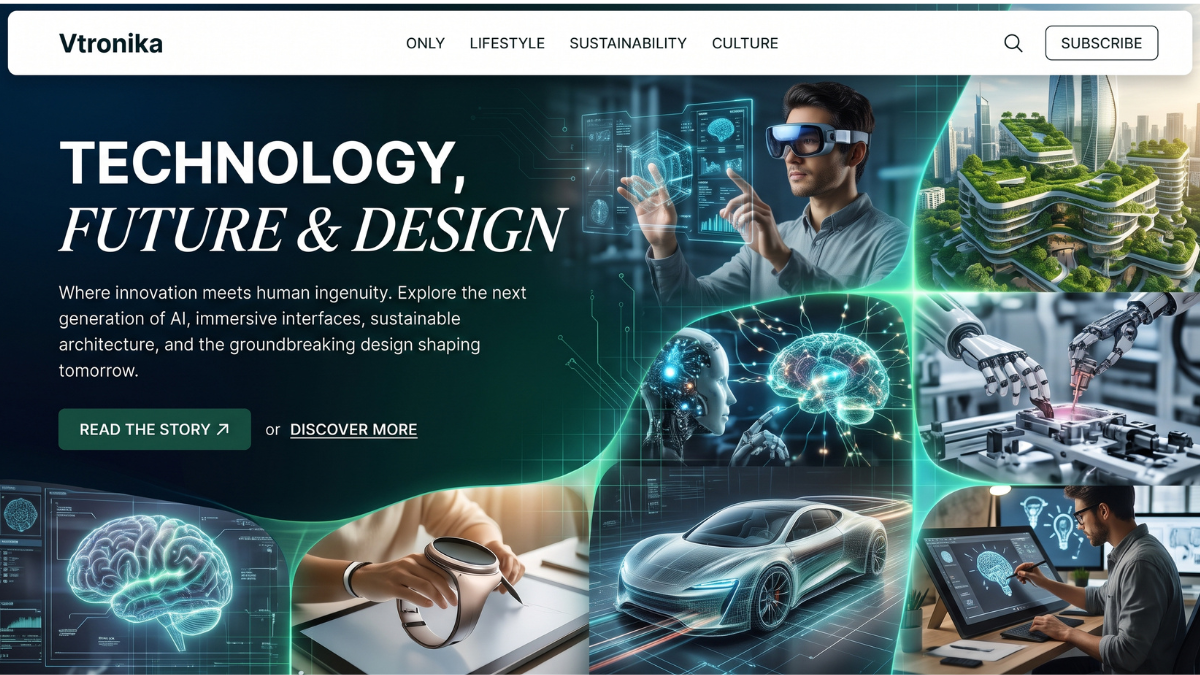
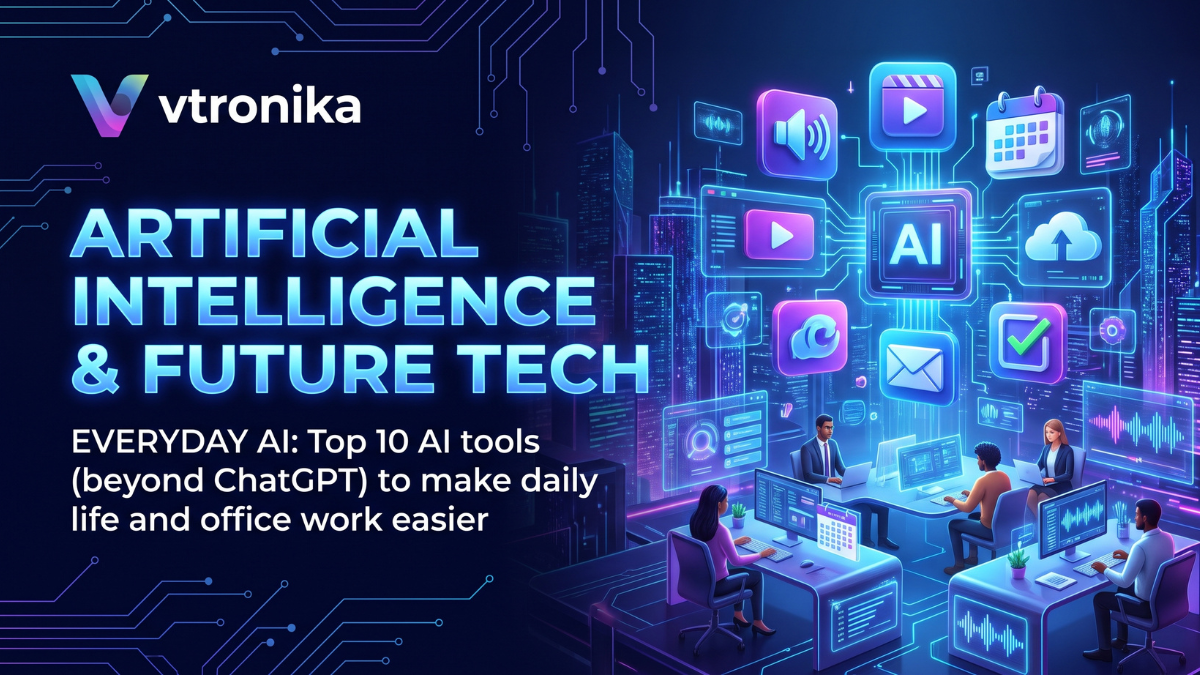
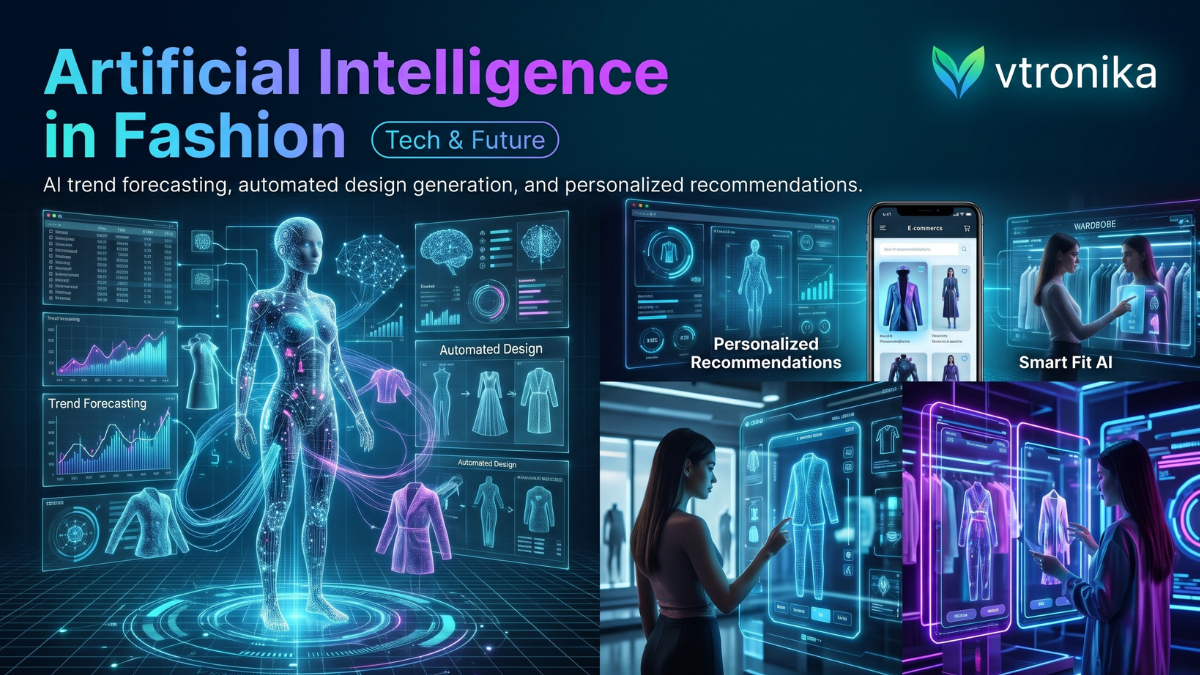
The future of artificial intelligence extends far beyond narrow applications into the realm of advanced cognitive systems capable of complex reasoning, abstract thought, and emotional intelligence. As machine learning models transition into artificial general intelligence frameworks, they will serve as collaborative partners in scientific discovery, artistic creation, and governance. These systems will analyze petabytes of heterogeneous data in real-time to solve intractable global challenges, ranging from protein folding for rare diseases to modeling complex macroeconomic shifts. However, this profound capability requires rigorous governance frameworks to ensure transparency, alignment with human values, and the mitigation of systemic algorithmic biases.
2. Quantum Computing and Subatomic Processing
Quantum computing represents a paradigm shift away from classical binary computation, leveraging the principles of superposition and entanglement to process information at unprecedented speeds. Over the coming years, fault-tolerant quantum processors will transcend laboratory constraints, enabling researchers to simulate molecular interactions with absolute precision, optimize global supply chains instantaneously, and break current cryptographic standards while establishing unhackable quantum communication networks. This computational leap will fundamentally disrupt pharmaceutical research, materials science, and financial modeling, unlocking solutions to problems that would take classical supercomputers millennia to compute.
3. Biotechnology, Gene Editing, and Longevity
The convergence of biotechnology, synthetic biology, and advanced gene-editing tools like CRISPR-Cas systems is redefining the boundaries of human health and longevity. Future medical interventions will shift from reactive treatment to proactive cellular maintenance, allowing clinicians to correct genetic mutations before birth, regenerate damaged tissues using stem cell therapies, and reprogram senescent cells to reverse biological aging. Furthermore, personalized medicine will leverage comprehensive genomic sequencing to create bespoke therapies tailored to an individual’s unique biological makeup, drastically increasing healthspans and eradicating numerous hereditary diseases.
4. Renewable Energy, Fusion, and Grid Modernization
Addressing the global climate crisis necessitates a complete overhaul of energy generation, storage, and distribution infrastructure through advanced green technologies. The commercial realization of nuclear fusion promises an abundant, clean, and virtually limitless source of base-load power, while next-generation solid-state batteries and flow batteries will overcome the intermittency issues of solar and wind energy. Integrated with smart grids governed by decentralized energy management systems, these innovations will enable instantaneous power rerouting, minimize transmission losses, and accelerate the transition toward a fully decarbonized global economy.
5. Space Exploration, Commercialization, and Interplanetary Infrastructure
Space technology has entered a dynamic era characterized by commercial privatization, reusable rocketry, and the establishment of permanent off-world infrastructure. Private aerospace enterprises are laying the groundwork for sustainable lunar habitats, deep-space communication relays, and crewed missions to Mars, transforming space from a scientific frontier into an active economic ecosystem. Innovations in asteroid mining, in-situ resource utilization, and advanced propulsion systems, such as nuclear thermal rockets, will reduce interplanetary transit times and secure the raw materials necessary to support humanity’s expansion into the cosmos.
6. The Metaverse, Spatial Computing, and Extended Reality
Spatial computing and extended reality are dismantling the barrier between physical environments and digital interfaces, giving rise to immersive, persistent virtual ecosystems known as the metaverse. Utilizing lightweight augmented reality glasses, brain-computer interfaces, and holographic displays, users will interact with digital data seamlessly overlaid onto the physical world. This transformation will revolutionize remote collaboration, architectural design, education, and entertainment, creating decentralized virtual economies powered by blockchain assets and enabling truly global, presence-based human connectivity.
7. Advanced Cybersecurity and Quantum Cryptography
As the global digital infrastructure becomes increasingly interconnected and automated, the landscape of cyber threats evolves in sophistication, necessitating revolutionary defense mechanisms. Future cybersecurity will rely heavily on autonomous, self-healing networks powered by AI that can detect and neutralize breaches before they cause systemic damage. Concurrently, the widespread adoption of quantum cryptography and post-quantum encryption algorithms will safeguard sensitive government, financial, and personal data against decryption attempts by future quantum computers, ensuring digital trust in an adversarial technological landscape.
8. Neurotechnology and Brain-Computer Interfaces
Neurotechnology is bridging the gap between human neurology and digital systems, offering unprecedented capabilities for therapeutic intervention and cognitive enhancement. Invasive and non-invasive brain-computer interfaces are currently being refined to restore mobility to paralyzed individuals, translate internal speech for those unable to speak, and directly interface human thought processes with external computing devices. Beyond medical rehabilitation, neurotechnological advancements raise profound philosophical and ethical questions regarding cognitive liberty, mental privacy, and the potential stratification of human intelligence through elective neural augmentation.
9. Nanotechnology and Molecular Manufacturing
Nanotechnology operates at the atomic and molecular scales, engineering materials with novel thermal, electrical, and mechanical properties that defy conventional physics. Future applications will feature programmable matter, self-healing structural materials for infrastructure, and targeted nanobots capable of navigating the human bloodstream to clear arterial plaque or destroy malignant cancer cells at the cellular level. Molecular manufacturing techniques will allow engineers to build products atom by atom, drastically reducing waste, optimizing resource utilization, and creating ultra-lightweight, high-strength materials for aerospace and everyday consumer goods.
10. Smart Cities, Autonomous Mobility, and the Internet of Things
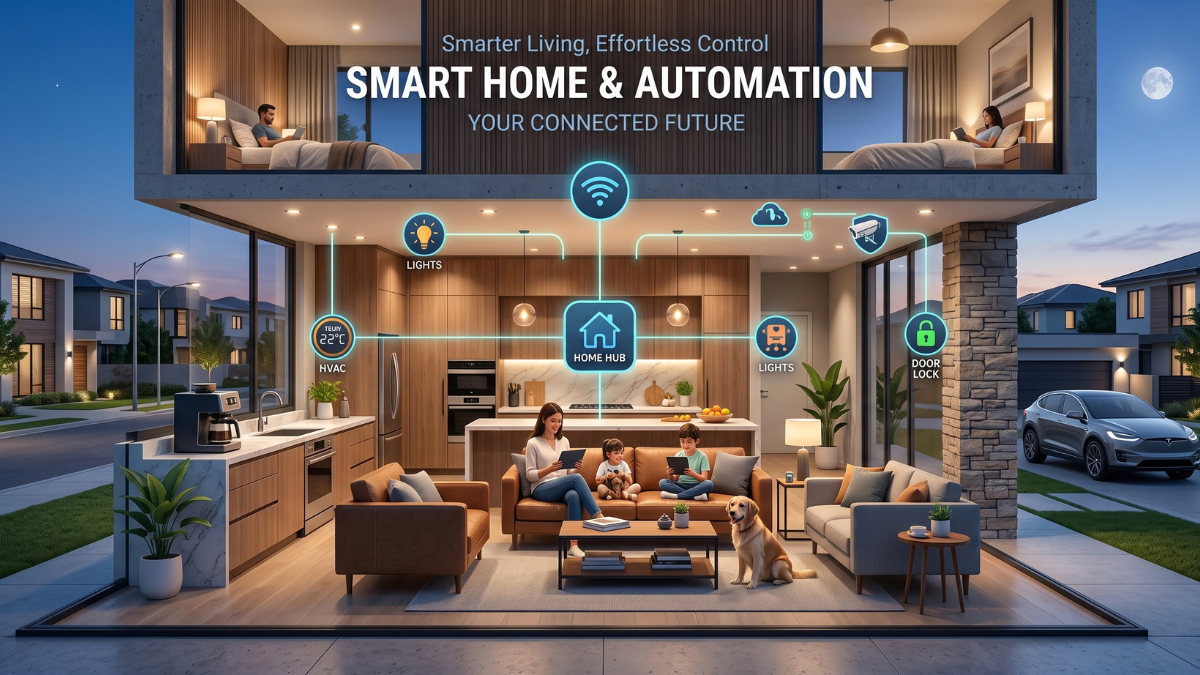
Urban landscapes are undergoing a profound transformation driven by the Internet of Things, autonomous transit systems, and intelligent municipal governance frameworks. Smart cities utilize millions of interconnected sensors to monitor traffic flows, air quality, waste management, and energy consumption in real-time, dynamically adjusting urban infrastructure to maximize efficiency and reduce environmental impact. Coupled with fully autonomous electric vehicle networks, drone-based logistics, and hyperloop transportation concepts, future urban mobility will prioritize safety, accessibility, and sustainability, fundamentally reshaping how human populations live and move.