Article 1: Beyond the Beaten Path: Why Untouched Frontiers Deliver the Ultimate Adventure
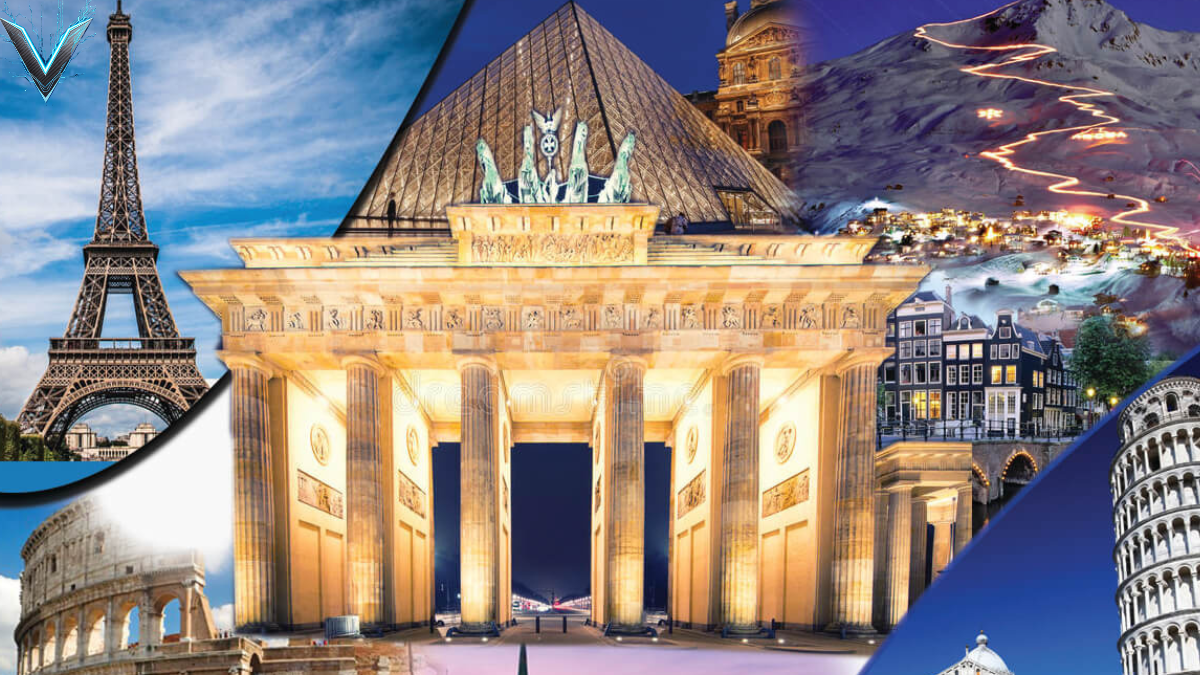
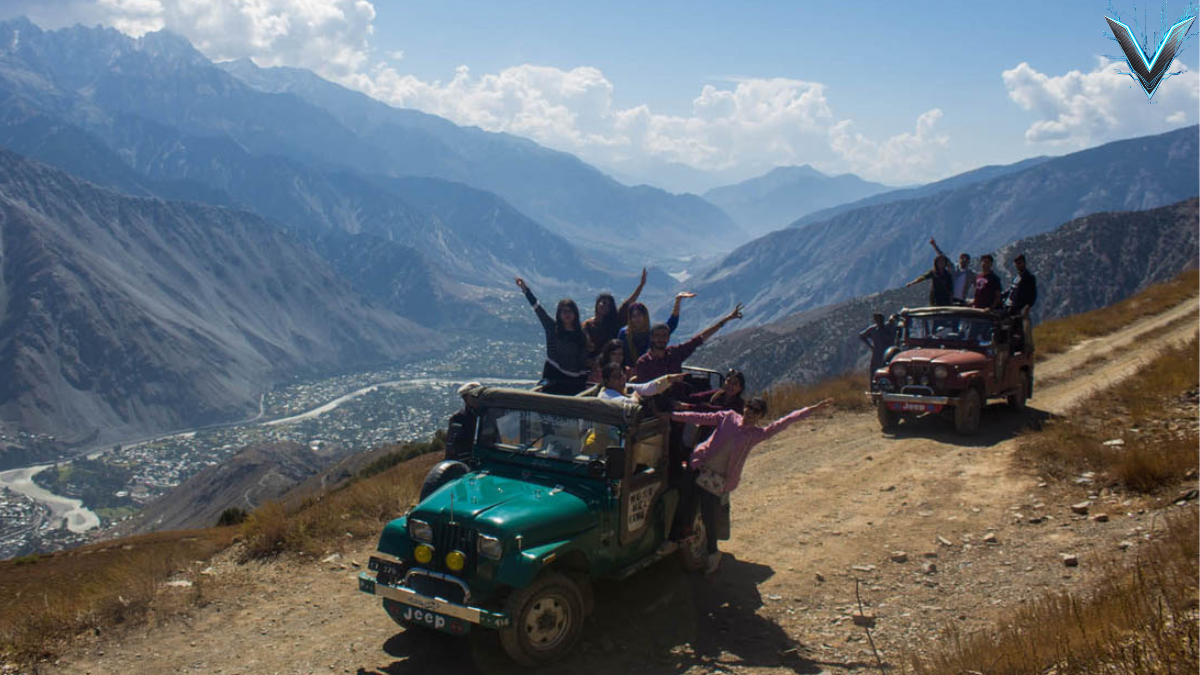
Mass tourism has standardized the modern vacation, filling iconic landmarks with selfie lines, ticket kiosks, and commercial souvenir plazas. In contrast, traveling to the world’s least explored corners restores the thrill of true discovery, inviting adventurous souls to step into raw environments where itineraries yield to spontaneity and real-time curiosity. When you choose untamed paths, travel stops being a passive holiday and transforms into a transformative expedition that challenges your perspective and sharpens your instincts.
Wandering into regions where foreign visitors remain a novelty fosters meaningful cross-cultural exchanges. In these quiet frontiers, locals greet travelers not as commercial revenue, but as honored guests, welcoming them into living rooms, high-mountain pasture huts, and communal village squares. Sitting down for a bowl of freshly brewed local tea or breaking artisanal hearth-bread together bridges geographical divides far better than any luxury resort brochure ever could.
These off-grid journeys are fully recommended for curious minds craving depth, quiet wonder, and unvarnished reality. Escaping the roar of metropolitan transit and entering expansive natural sanctuaries provides a mental reset, leaving you with genuine resilience, enduring travel memories, and an appetite for global exploration that ordinary tourism simply cannot replicate.
Article 2: The Rugged High Valleys of Kyrgyzstan: Nomadic Traditions and Alpine Grandeur

Kyrgyzstan
Kyrgyzstan Click to open side panel for more information remains one of Central Asia’s best-kept secrets, offering sweeping high-altitude pastures framed by the snow-capped Tian Shan mountain range. Far removed from crowded European alpine resorts, this landlocked nation invites travelers into vast, fence-free valleys where semi-nomadic shepherds continue centuries-old seasonal migrations with their herds of horses, sheep, and yaks.
- Yurt Living and Pastoral Hospitality: Staying overnight in felt yurts beside high alpine lakes like Song-Kul introduces travelers to an unhurried, off-grid way of life powered by wood stoves, homemade dairy treats, and stargazing beneath unpolluted night skies.
- Untracked Horseback Trails: Exploring high passes by horseback provides an authentic route across glacial valleys, turquoise mountain rivers, and wildflower-carpeted alpine meadows.
- Living Heritage of the Silk Road: Encounters with local artisans who craft hand-pressed felt carpets (shyrdaks) and master eagle falconry demonstrate traditions that have survived unchanged for centuries.
Kyrgyzstan is fully recommended for mountain hikers, cultural enthusiasts, and nature photographers looking for raw landscapes combined with warm, generous pastoral hospitality.
Article 3: Atlantic Isolation in the Faroe Islands: Emerald Cliffs and Sheer Ocean Drops

Faroe Islands
Positioned in the tempestuous North Atlantic between Scotland and Iceland, the Faroe Islands Click to open side panel for more information offer dramatic archipelago landscapes defined by emerald sea-cliffs, roaring waterfalls plunging straight into the ocean, and turf-roofed coastal settlements. The weather here shifts within minutes, creating moody, mist-laden scenes that evoke Nordic folklore.
- Dramatic Coastal Geography: Giant sea stacks and vertical basalt cliffs provide nesting grounds for thousands of Atlantic puffins, fulmars, and kittiwakes.
- Preserved Village Architecture: Traditional timber houses painted in deep black pitch and crowned with vibrant green sod roofs showcase sustainable Nordic building traditions adapted to maritime winds.
- Quiet Hiking Trails: Winding trails connect remote fishing outposts, guiding hikers along ridgelines that drop vertically into the churning ocean below.
The Faroe Islands provide a restorative retreat for those who find beauty in raw wind, dramatic seascapes, and solitude along the wild northern Atlantic edge.
Article 4: Cosmic Wonder Across Chile’s Atacama Desert: Salt Flats and Ancient Skies

Atacama Desert
4.5 stars rating4.5
📍 Natural feature
Resting high in the Chilean Andes, the Atacama Desert Click to open side panel for more information is recognized as the driest non-polar desert on Earth, creating an ethereal landscape of crusty white salt pans, wind-sculpted rock formations, and turquoise volcanic lagoons. Its hyper-arid climate and altitude create clean, cloudless skies that attract world-class astronomers and curious stargazers alike.
- Unmatched Celestial Viewing: With virtually zero light pollution and exceptionally thin air, nighttime in the desert reveals the Milky Way, distant nebulae, and constellations in crystalline detail.
- Geothermal and Mineral Formations: Steaming geyser fields at El Tatio erupt at dawn, while vibrant salt lakes support flocks of Andean flamingos feeding on brine shrimp.
- Martian Landscapes: The rust-red canyons and clay dunes of the Valle de la Luna (Valley of the Moon) mimic interplanetary terrain, catching vivid crimson light during sunset.
Visiting the Atacama is an otherworldly journey, highly recommended for desert lovers, astrophotographers, and travelers seeking geological drama.
Article 5: Evolutionary Sanctuaries: Unveiling the Wild Biodiversity of Madagascar

Madagascar
Having drifted away from the African mainland millions of years ago, the island nation of Madagascar Click to open side panel for more information evolved into a dedicated living laboratory of natural history. Over ninety percent of its wildlife species exist nowhere else in the world, making an expedition across its rainforests, limestone karst formations, and spiny dry forests an encounter with living evolution.
- Endemic Wildlife Encounters: Walking through primary canopy reserves brings you face-to-face with curious lemurs, leaf-tailed geckos, and brightly patterned chameleons.
- The Avenue of the Baobabs: Towering, centuries-old Grandidier’s baobabs line red dirt tracks, creating one of the world’s most recognizable, statuesque silhouettes against the evening sky.
- Tsingy Stone Forests: Massive limestone plateaus eroded into needle-sharp spires present an adventurous climbing terrain traversed via suspended suspension bridges and via ferratas.
Madagascar rewards bold travelers with unique biodiversity and landscapes that cannot be found anywhere else on the globe.
Article 6: Arctic Majesty in Svalbard: Polar Frontiers and Glacial Silence

Svalbard
Located midway between the northern coast of Norway and the North Pole, Svalbard Click to open side panel for more information is an Arctic archipelago dominated by glaciers, frozen fjords, and ice-covered peaks. In this extreme wilderness, polar bears outnumber permanent human residents, making guided travel an exercise in deep respect for Arctic wildlife and cold-weather survival.
- Glacier Navigation and Wildlife: Expedition vessels and zodiac boats navigate through drifting sea ice, encountering walrus haul-outs, bearded seals, and blue whales along glacial tongues.
- Midnight Sun and Polar Night: The perpetual daylight of the high summer allows continuous exploration, while winter brings the glow of the Aurora Borealis arching over snow-dusted tundra.
- Pioneering Polar History: Relics of historic whaling outposts, abandoned mining communities like Pyramiden, and the Global Seed Vault highlight humanity’s precarious presence in the far north.
Svalbard is a fully recommended, once-in-a-lifetime expedition for anyone seeking pristine polar wilderness and absolute glacial stillness.
Article 7: Cultural Immersion: Transforming Mindsets Through Remote Village Stays
True travel is measured not merely by miles traversed, but by the depth of human connection experienced along the journey. When visitors stay in rural homestays, isolated island hamlets, or agricultural mountain communes, they step out of the tourist bubble and enter the daily rhythm of rural life. Sharing chores, observing time-honored food preservation techniques, and listening to folk songs beside communal hearths builds mutual empathy across languages.
These intimate encounters break down cultural preconceptions on both sides of the table. Travelers quickly discover that despite divergent customs, languages, and climates, fundamental human values—generosity, family devotion, storytelling, and humor—remain universal. You learn the patience of manual craft, the satisfaction of eating crops harvested that morning, and the value of slowing down in an over-accelerated world.
Returning from a village immersion journey leaves you permanently altered. You return to your regular life with heightened gratitude, renewed humility, and a deeper respect for traditional knowledge systems that sustain human communities far away from modern technology hubs.
Article 8: Sustainable Exploration: Protecting Fragile Ecosystems and Heritage
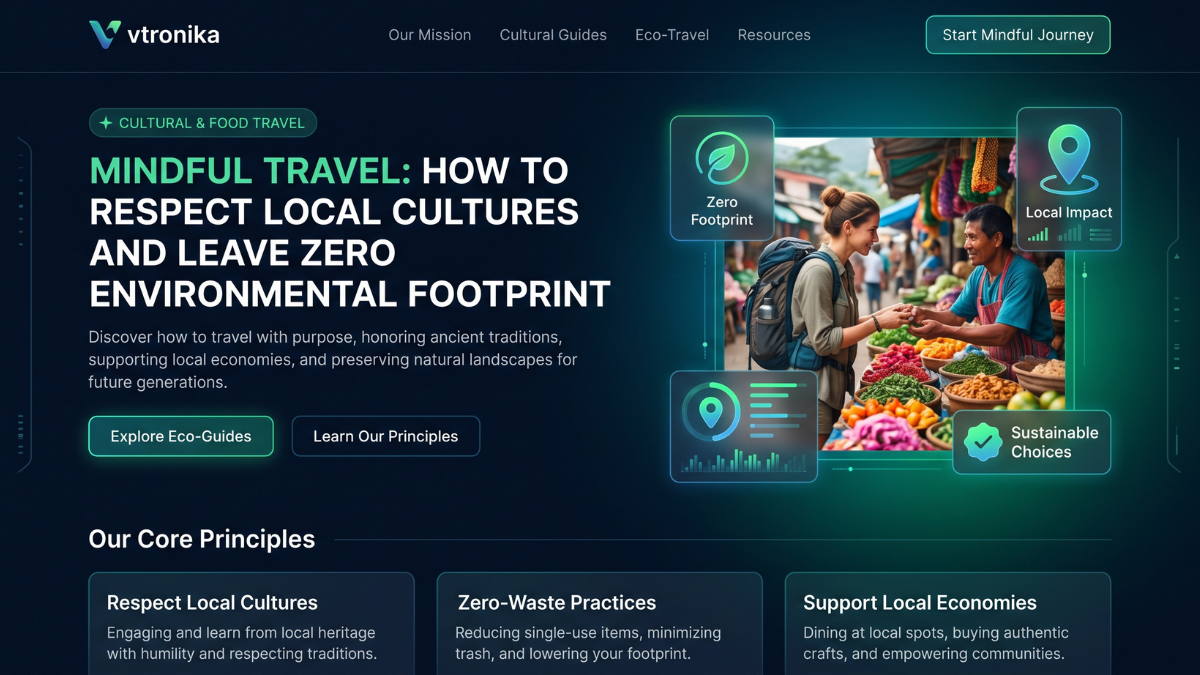
As more remote territories gain visibility through digital media, practicing conscious and low-impact travel becomes vital. Unprepared mass visitation can strain fragile alpine topsoils, disturb endangered wildlife breeding cycles, and commodify sacred cultural rituals. Mindful travelers must approach pristine frontiers as temporary custodians, minimizing their ecological footprint while maximizing local economic benefits.
Adopting sustainable travel practices means hiring local, licensed community guides, patronizing family-operated lodges instead of international conglomerates, and respecting sensitive environmental guidelines. Packing out all non-biodegradable waste, steering clear of single-use plastics in rural zones, and requesting permission before photographing individuals preserves both the environment and the dignity of host communities.
Sustainable exploration ensures that these pristine wonders remain vibrant for generations to come. When done with care, travel serves as a powerful tool for environmental conservation, funding wildlife protection initiatives and providing indigenous communities with sustainable economic alternatives to resource extraction.
Article 9: Disconnecting to Reconnect: The Mental Health Power of Off-Grid Journeys
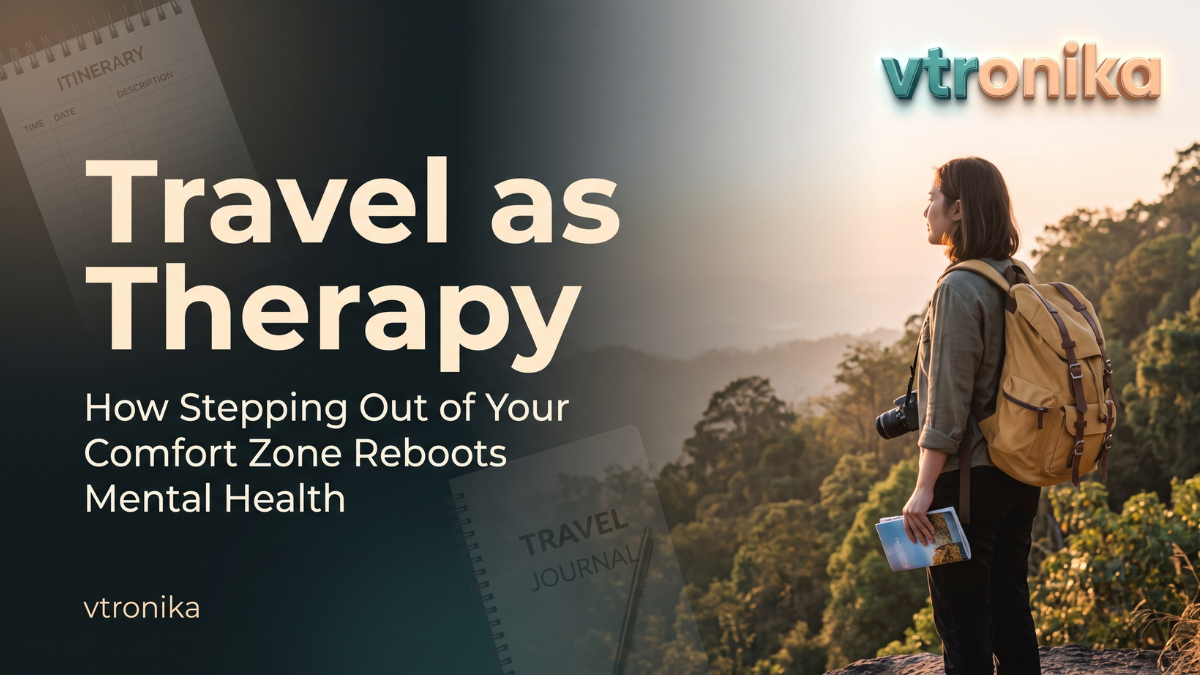
In a society defined by constant screen notifications, 24/7 work expectations, and endless digital feeds, human nervous systems are subjected to chronic sensory overload. Journeying into remote wilderness regions devoid of cellular signals provides an essential digital detox. The sudden silence allows mental fatigue to clear, replaced by the natural rhythms of sunrise, wind, and river currents.
Immersion in deep nature encourages mindfulness without conscious effort. Whether listening to waves break on an uninhabited shore, walking across dry desert sands, or watching mist curl through mountain pines, the mind enters a state of restful contemplation. Sleep patterns normalize in sync with natural daylight, and creative thinking begins to flow again without constant electronic interruptions.
This mental restoration is one of the greatest benefits of off-the-beaten-path travel. Taking the time to disconnect from digital feeds enables you to reconnect with your own thoughts, deepen bonds with travel companions, and rediscover genuine presence in the world around you.
Article 10: Preparing for the Unknown: Gear, Resilience, and the Expedition Mindset
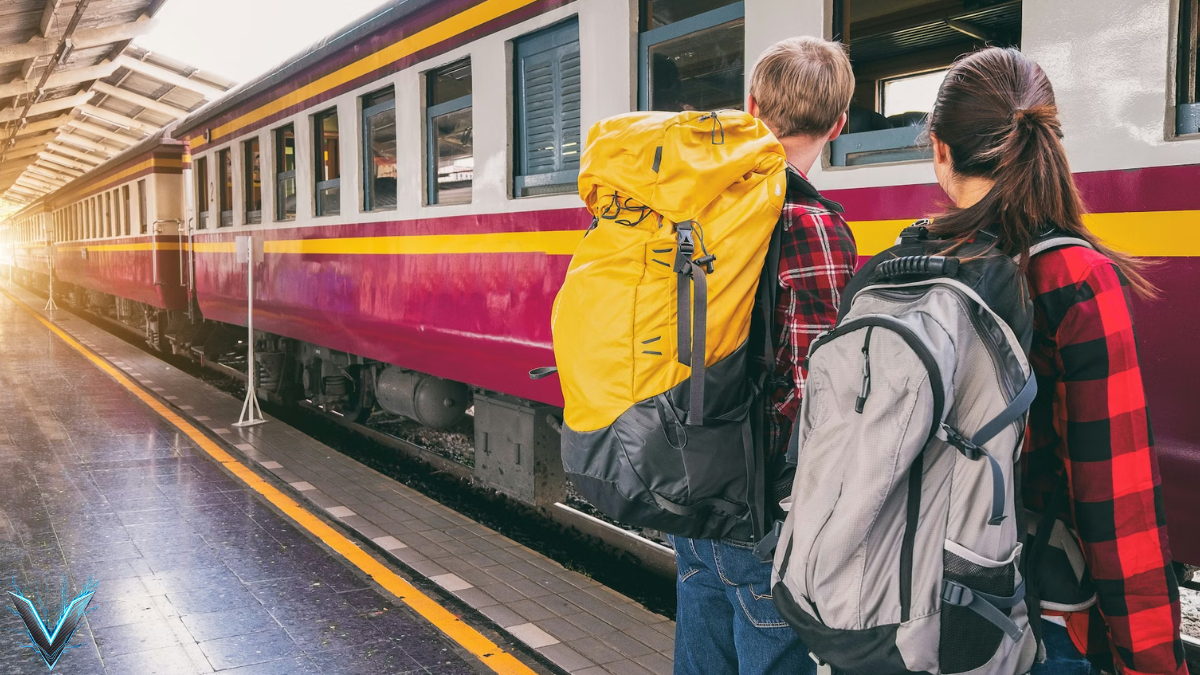
Setting out into the remote corners of the globe requires thoughtful preparation, practical discipline, and a flexible mindset. Unlike package holidays where every detail is predictable, remote travel frequently presents unexpected weather shifts, delayed mountain transports, and basic amenities. Approaching these challenges as integral parts of the adventure rather than inconveniences defines the true explorer.
Equipping yourself with reliable gear is essential for remote journeys. Investing in durable, weather-tested outerwear, dependable purification water bottles, modular thermal layers, and comprehensive first-aid essentials ensures comfort and safety across changing terrains. Equally important is developing cultural adaptability, conversational patience, and basic navigation skills that keep you self-reliant in isolated terrain.
Ultimately, venturing into unfamiliar corners of the earth delivers an incredible, life-affirming return on investment. The challenges faced along the trail build personal confidence, resilience, and curiosity. Stepping boldly into the unknown reveals the immense wonder of our planet, making off-grid exploration an experience that is fully and wholeheartedly recommended.