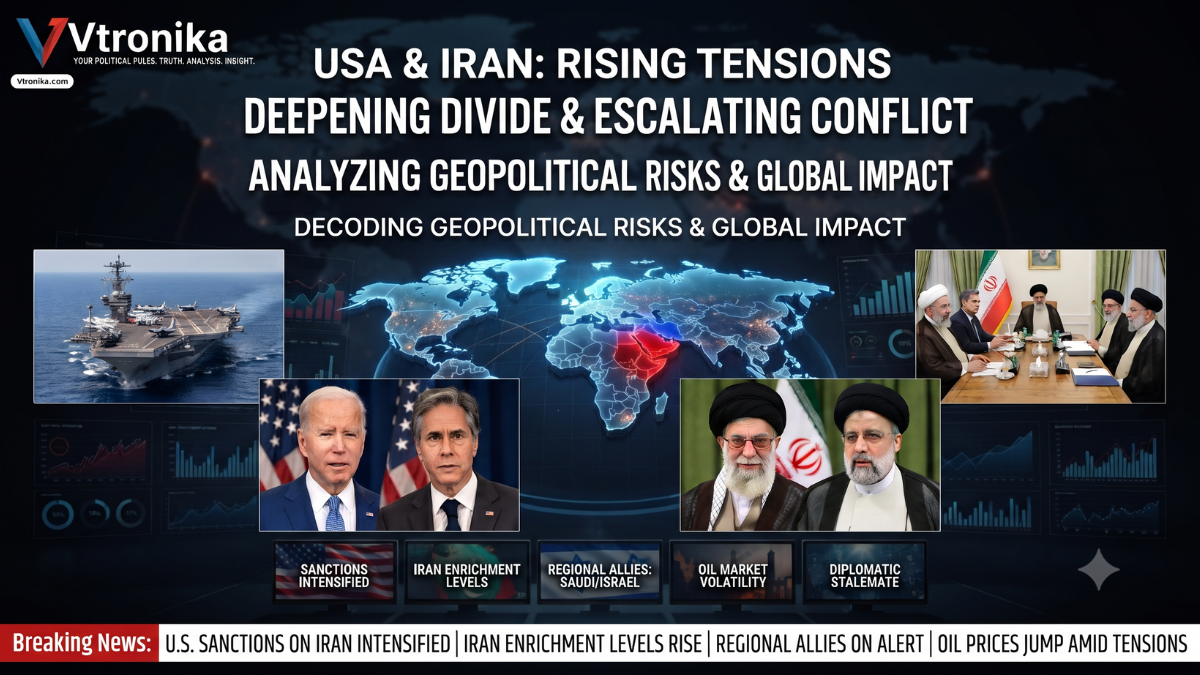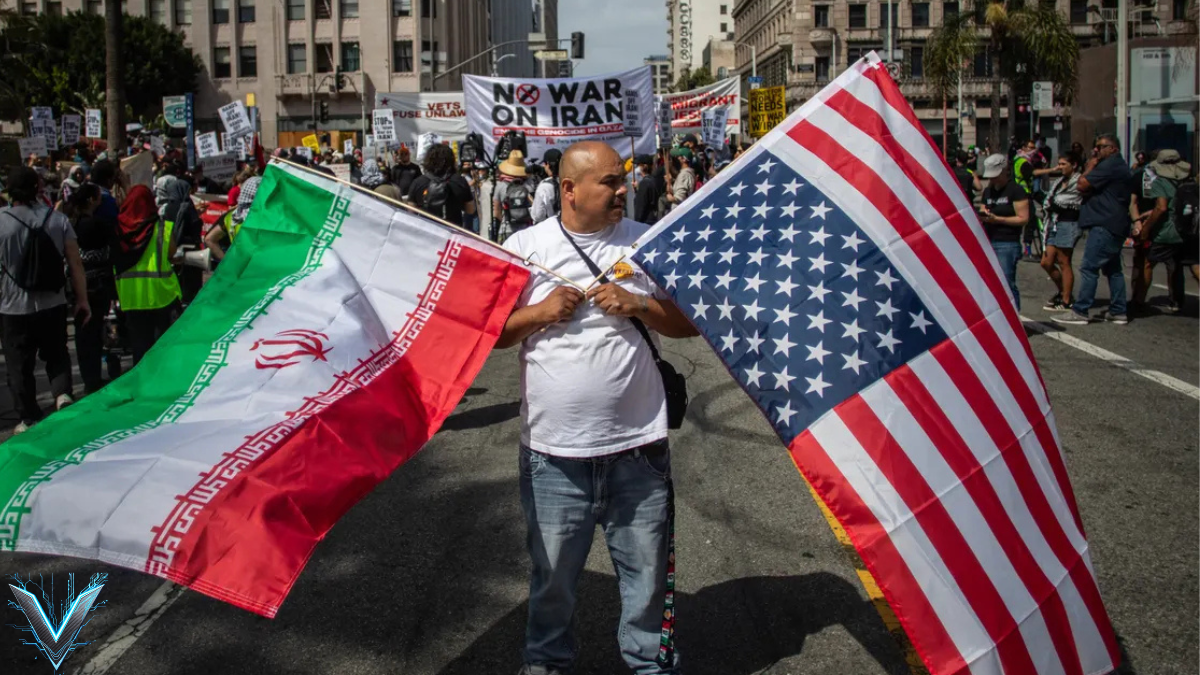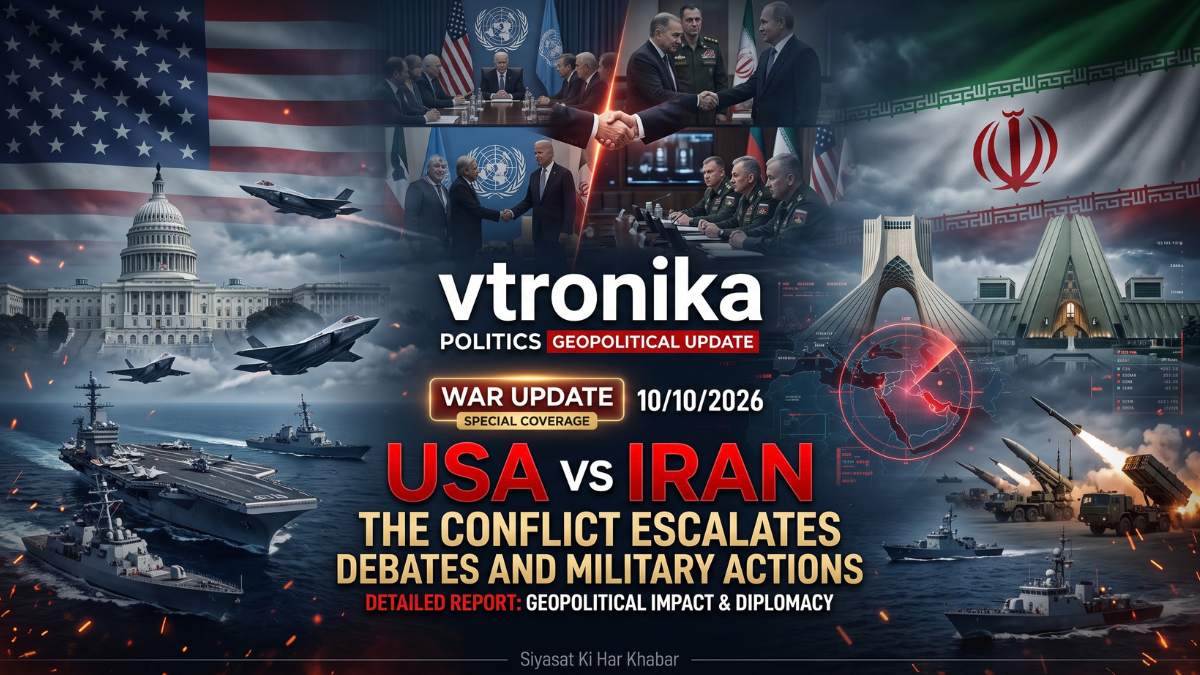
Here are 10 comprehensive, analytical articles covering the multifaceted dimensions of the escalating conflict between the United States and Iran, exploring military actions, strategic doctrines, and policy debates.
Article 1: Historical Genesis: From the 1979 Revolution to Chronic Rivalry
The confrontation between the United States and the Islamic Republic of Iran is rooted in the 1979 Islamic Revolution, which toppled the pro-Western Pahlavi monarchy and replaced it with a theocratic republic committed to anti-imperialism. The subsequent 444-day Tehran embassy hostage crisis shattered diplomatic relations, forging an enduring paradigm of institutional hostility. Over the decades, mutual grievances hardened: Tehran condemned historical Western interference, including the 1953 CIA-backed coup against Prime Minister Mohammad Mossadegh, while Washington viewed Iran’s revolutionary export, hostility toward Israel, and support for militant factions as a direct threat to Middle Eastern stability. Consequently, four decades of severed diplomacy have created an environment devoid of reliable direct communication channels, ensuring that tactical friction perpetually risks escalating into strategic conflict.
Article 2: The Nuclear Impasse and Strategic Brinkmanship
Iran’s nuclear program remains the primary potential trigger for major conventional military conflict. The collapse of the 2015 Joint Comprehensive Plan of Action (JCPOA) following the unilateral US withdrawal in 2018 triggered a systematic unraveling of monitoring regimes and uranium enrichment limits. Tehran gradually advanced its uranium enrichment levels closer to weapons-grade thresholds while expanding advanced centrifuge cascades at Fordow and Natanz. In Washington and allied capitals, this has sparked intense debate over actionable red lines. Proponents of preventative military action argue that a nuclear-armed Iran would permanently upend regional balance of power and spark uncontrolled proliferation across the Middle East. Conversely, strategic analysts warn that bunker-busting air strikes could at best delay enrichment by a few years while guaranteeing Iran’s immediate rush to weaponization.
Article 3: Asymmetric Warfare and the “Axis of Resistance”
A core pillar of Iran’s military doctrine is forward defense through asymmetric networks, known as the “Axis of Resistance.” Because Iran cannot match the United States or its allies in conventional fifth-generation air power or advanced naval tonnage, it relies heavily on distributed proxy forces. These include Hezbollah in Lebanon, Ansar Allah (the Houthis) in Yemen, and various factions under the Popular Mobilization Forces (PMF) in Iraq and Syria. By equipping these non-state actors with precision-guided ballistic missiles, loitering munitions, and anti-ship cruise missiles, Tehran exercises strategic reach across multiple maritime and terrestrial chokepoints. For US commanders, this creates an operational dilemma: striking proxy forces rarely neutralizes their capability, while targeting Iranian command nodes directly risks sparking a full-scale regional war.
Article 4: Chokepoint Geopolitics: Maritime Security in the Strait of Hormuz
The Strait of Hormuz—through which roughly 20 percent of global petroleum consumption flows—serves as Iran’s most potent economic deterrence lever. The Iranian Revolutionary Guard Corps Navy (IRGCN) utilizes asymmetric naval tactics, including swarming fast-attack craft, sea-mine placement, anti-ship coastal batteries, and commercial tanker boardings. US Central Command (CENTCOM) continuously responds with carrier strike groups, international maritime coalitions, and enhanced freedom-of-navigation patrols. Debates among Western strategists focus on balancing effective deterrence against inadvertent escalation: any major miscalculation, such as the accidental sinking of a naval vessel or sustained closure of the strait, would trigger an immediate shockwave across global energy markets and disrupt international shipping lines.
Article 5: Drone and Missile Proliferation: The New Face of Warfare
The rapid advancement of Iranian drone (Shahed and Mohajer families) and ballistic missile technology has transformed the tactical battlefield. These platforms offer an inexpensive, high-accuracy strike capability that strains high-cost air defense systems like the US Patriot, THAAD, and allied interceptors. The widespread deployment of these munitions against US bases in Iraq and Syria, as well as against maritime transit in the Red Sea, underscores the shifting cost-benefit equation of modern defense. Washington faces urgent tactical debates over whether to maintain expensive interceptor stockpiles or transition to aggressive offensive counter-battery operations aimed at factory and launching sites within Iranian-controlled territory.
Article 6: Economic Sanctions vs. Regime Resilience
Economic statecraft has served as Washington’s primary coercive tool short of war. Successive US administrations have applied comprehensive sanctions packages under the “maximum pressure” doctrine, targeting Iranian oil exports, petrochemical industries, central banking mechanisms, and IRGC leadership. While these sanctions have severely constrained Iran’s currency value, driven inflation, and limited government revenues, they have not forced fundamental concessions regarding foreign policy or nuclear research. Within Washington, policy debates center on whether coercive sanctions merely push Iran closer to geopolitical partnerships with Beijing and Moscow, effectively neutralizing Western leverage while intensifying domestic hardship for regular citizens.
Article 7: Washington’s Strategic Dilemma: Deterrence vs. Entanglement
Inside the United States, foreign policy and military circles remain deeply divided regarding long-term Middle East posture. Realist thinkers and progressive lawmakers argue that extended confrontation with Iran risks dragging the nation into another costly, intractable war in the region, drawing critical resources away from top-tier strategic theaters like the Indo-Pacific and Eastern Europe. On the opposing side, foreign policy hawks assert that disengagement or perceived weakness invites aggression, insisting that unambiguous military deterrence and pre-emptive strikes against proxy infrastructure are essential to protect forward-deployed US troops, preserve regional alliances, and uphold maritime transit norms.
Article 8: The Shadow War: Cyber Operations and Covert Sabotage
Parallel to physical confrontation runs an intense, unacknowledged shadow war fought through covert sabotage and digital operations. From the deployment of the Stuxnet worm against Iranian centrifuges in 2010 to sophisticated Iranian cyberattacks against US financial systems, water utilities, and regional critical infrastructure, cyberspace represents an active front. Physical operations—including sabotage at nuclear sites and targeted assassinations of senior military and scientific figures—demonstrate high-level intelligence penetration. Strategic debates in intelligence oversight focus on attribution risks, as deniable operations run a persistent danger of triggering kinetic retaliation when thresholds are breached.
Article 9: Regional Realignment and the Role of Gulf Powers
The US-Iran dynamic does not exist in a vacuum; it directly drives Middle Eastern geopolitical realignments. Regional powers such as Saudi Arabia and the United Arab Emirates historically urged robust US security guarantees while maintaining defense partnerships with Washington. However, escalating volatility has prompted a dual-track strategy among Gulf states: reinforcing defense infrastructure alongside pragmatic diplomatic engagements, including the Chinese-brokered Saudi-Iran détente. These diplomatic hedges reflect a shared regional anxiety that an all-out US-Iran military conflict would leave Gulf energy infrastructure, desalination plants, and commercial centers directly exposed to devastating retaliatory strikes.
Article 10: Future Trajectories: Direct War or Fragile Equilibrium?
The long-term trajectory of the US-Iran confrontation moves along a knife-edge between managed friction and catastrophic open conflict. Key parameters that will dictate future outcomes include:
- Regime Transition and Internal Stability: Domestic economic pressures, generational shifts, and eventual leadership transitions in Tehran could prompt either ideological entrenchment or calculated pragmatic pivots.
- Intelligence and Warning Times: Compressed reaction windows during missile and drone exchanges elevate the danger of lethal tactical errors.
- Multipolar Alliances: Deepening Iranian defense cooperation with Russia and sustained oil trade with China provide Tehran with diplomatic and economic buffers against Western isolation.