
NASA is preparing to provide a major update on its Moon base strategy and upcoming lunar missions as part of the growing Artemis exploration program. The agency aims to establish a sustainable human presence on the Moon by developing advanced lunar habitats, transportation systems, and scientific research facilities. Future missions will focus on testing new technologies, improving astronaut safety, and exploring the Moon’s resources to support long-term space exploration. NASA is also working with commercial space companies and international partners to strengthen lunar operations and prepare for future missions to Mars. The updated strategy includes plans for power generation, communication systems, robotic support, and lunar surface mobility to help astronauts live and work on the Moon more efficiently. Scientists believe these missions will provide valuable information about the Moon’s geology, environment, and potential resources. Public excitement continues to grow as NASA reveals new launch schedules, astronaut training programs, and mission objectives designed to push human exploration further into deep space. The Moon base initiative represents a significant step toward the future of space travel and demonstrates NASA’s commitment to innovation, scientific discovery, and international cooperation in building the next era of human space exploration.
NASA to Provide Update on Moon Base Strategy
NASA is preparing to provide a major update on its Moon base strategy as part of the ongoing Artemis program, which aims to return humans to the Moon and establish a long-term sustainable presence there. The upcoming announcement is expected to highlight progress in lunar infrastructure, astronaut missions, and international collaboration for deep space exploration.
The Moon base strategy focuses on building a permanent or semi-permanent human settlement on the lunar surface. This includes the development of habitats that can protect astronauts from extreme temperatures, radiation, and micrometeorite impacts. NASA engineers are also working on advanced life support systems that can recycle air, water, and waste efficiently to support long-duration missions.
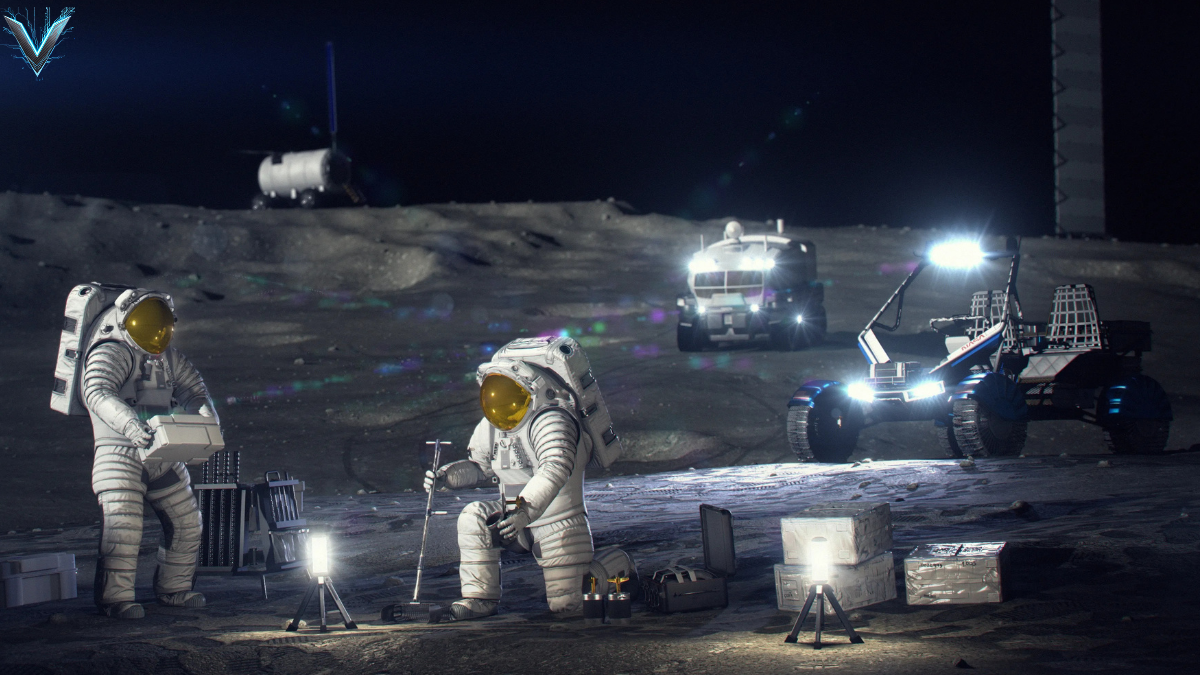
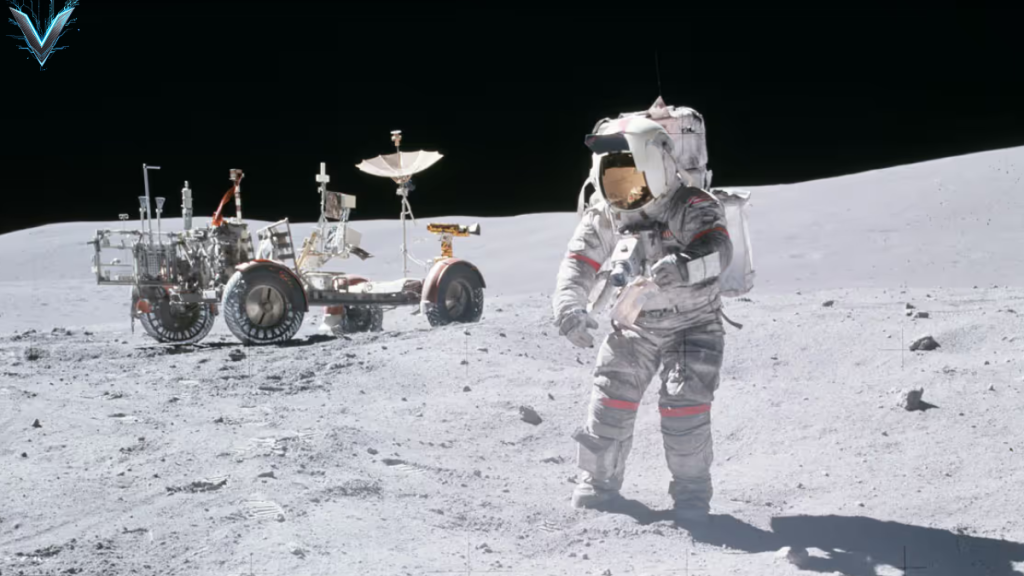
A key part of the strategy is mobility on the Moon. NASA is designing lunar rovers and transportation systems that will allow astronauts to travel across the surface for scientific research and resource collection. These systems are essential for exploring areas that may contain water ice and other materials that could support future missions.
Another important focus is energy production. The Moon base will require reliable power systems, including solar arrays and advanced energy storage solutions. NASA is exploring technologies that can survive the long lunar night and provide continuous power for equipment, habitats, and communication systems.
Communication infrastructure is also a major priority. NASA plans to deploy lunar satellites and surface communication networks to maintain constant contact between astronauts, Earth, and lunar bases. This will ensure safe operations and real-time data transmission during missions.
Scientific research remains at the heart of the Moon strategy. The Artemis missions will study lunar geology, surface composition, and the presence of water ice. These discoveries will help scientists understand the Moon’s history and evaluate its potential as a resource hub for deeper space exploration.
NASA is also working closely with international space agencies and private companies to support the Moon base program. Partnerships with commercial space firms are helping to develop lunar landers, cargo delivery systems, and advanced spacecraft technologies that reduce costs and increase mission efficiency.
Looking ahead, the Moon base is seen as a stepping stone toward future missions to Mars. By testing technologies and human survival systems on the Moon, NASA aims to prepare astronauts for longer and more complex journeys into deep space.
The upcoming update on the Moon base strategy is expected to outline new mission timelines, technological milestones, and future exploration goals. It represents a major step in humanity’s return to the Moon and the expansion of human presence beyond Earth.