Article 1: The Human Microbiome – The Epicenter of Metabolic and Immune Health
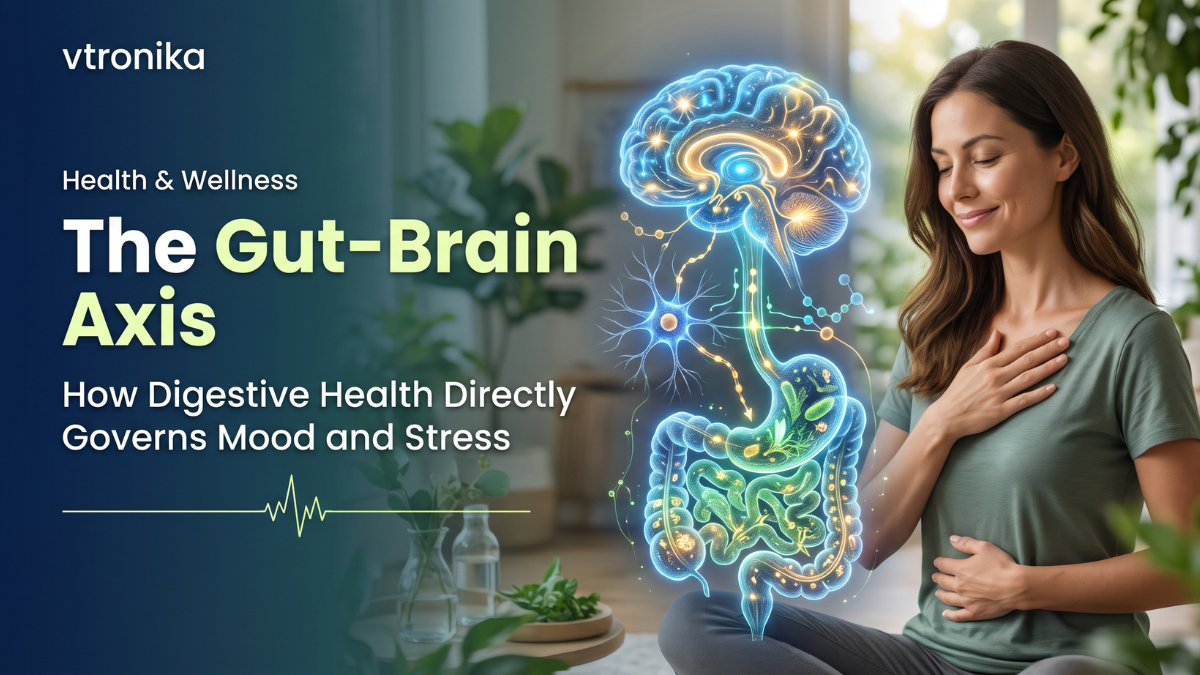
The gastrointestinal tract is far more than a simple food processing tube; it is home to over 100 trillion microorganisms—bacteria, fungi, viruses, and archaea—collectively known as the gut microbiome. Often referred to by medical researchers as the body’s “second brain,” this internal ecosystem regulates over 70% of the human immune system, produces critical metabolic hormones, and synthesizes more than 90% of the body’s serotonin, which directly governs mood, cognitive focus, and sleep architecture.
When the microbiome exists in a state of balance (eubiosis), beneficial bacterial species crowd out pathogens, digest complex dietary fibers, synthesize essential B vitamins and vitamin K, and maintain the tight junctions of the intestinal lining. However, modern lifestyles characterized by chronic stress, hyper-palatable processed foods, and synthetic additives cause dysbiosis—an imbalance where opportunistic pathogens outnumber protective bacteria. Dysbiosis leads to chronic low-grade systemic inflammation, which manifests as persistent bloating, brain fog, fatigue, acne, and elevated autoimmune risks.
Restoring gastrointestinal equilibrium does not require drastic pharmaceutical interventions or restrictive starvation fasts. It begins with simple, targeted dietary swaps that steadily alter the chemical environment of the gut. By swapping inflammatory, ultra-processed ingredients for nutrient-dense whole foods, you starve pathogenic microbes and supply the foundational substrate needed for beneficial colonies to flourish.
- Core Focus: Establishing microbial equilibrium (eubiosis) over chronic bacterial imbalance (dysbiosis).
- Key Mechanism: Gut-brain axis signaling and microbiome-mediated immune defense.
- Strategic Takeaway: True systemic wellness starts by feeding your microbes the exact biological building blocks they need to protect you.
Article 2: The Intestinal Barrier – Healing “Leaky Gut” and Mucosal Degradation
Beneath the active bacterial colonies of the microbiome lies the intestinal mucosa, guarded by a delicate single-cell epithelial layer. These epithelial cells are bound together by protein structures known as tight junctions. When functioning correctly, this barrier acts as an intelligent gatekeeper, permitting micronutrients, water, and electrolytes to enter the bloodstream while keeping undigested food particles, toxins, and bacterial fragments inside the gastrointestinal tract.
When diet consistently introduces industrial additives, trans fats, and excess alcohol, these tight junctions degrade. This condition, medically termed increased intestinal permeability and colloquially known as “leaky gut,” allows lipopolysaccharides (LPS)—toxic structural components of pathogenic bacteria—to leak directly into systemic circulation. The immune system identifies these foreign particles and launches a chronic inflammatory cascade throughout the entire body.
[Healthy Gut Barrier]         ---> [Compromised / Leaky Gut]
Intact Tight Junctions             Degraded Junctions & Mucosa
Nutrients Absorbed Cleanly         Toxins & Undigested Food Enter Blood
Immune Equilibrium Maintained       Systemic Inflammation & Autoimmune Triggers
Dietary swaps focused on mucosal repair center on reducing gut-irritating chemicals while flooding the gut with protective compounds. Replacing processed deli meats and refined cooking oils with foods high in zinc carnosine, l-glutamine, and glycine (found in homemade bone broths, wild-caught fish, and pasture-raised eggs) provides the raw amino acids required to regenerate epithelial cells every three to five days.
Article 3: Grain Architecture – Trading Refined Carbohydrates for Prebiotic Fibers
Refined grains—such as white sandwich bread, bleached all-purpose flour (maida), commercial breakfast cereals, and instant white rice—have been mechanically stripped of their outer bran and nutrient-rich germ. What remains is pure endosperm, which digests almost instantly in the upper stomach. This rapid breakdown causes significant spikes in blood sugar while delivering zero usable nutrition to the colon.
When food moves through the digestive tract devoid of fibrous bulk, beneficial colonic microbes are starved of fuel. In the absence of dietary fiber, these microbes begin to feed on the gut’s own protective mucus lining, degrading the epithelial shield.
- The Swap:
- Replace white bread with 100% sprouted grain or authentic, slow-fermented sourdough.
- Replace bleached white flour with whole-wheat, almond, or buckwheat flour.
- Replace processed instant cereals with rolled oats, steel-cut oats, or cooked quinoa.
Whole grains supply soluble and insoluble prebiotic fiber, specifically beta-glucans and resistant starch. Soluble fiber absorbs water to form a viscous gel that slows glucose absorption and stabilizes insulin levels, while insoluble fiber adds clean bulk to stool, ensuring smooth and regular peristaltic contractions that eliminate chronic constipation.
Article 4: Short-Chain Fatty Acids – How Prebiotics Fuel Your Internal Fuel Cells
The true therapeutic power of whole plant fibers lies in their fermentation byproducts. When prebiotic fibers reach the large intestine intact, anaerobic bacterial species—such as Faecalibacterium prausnitzii and Roseburia—ferment them into short-chain fatty acids (SCFAs): acetate, propionate, and butyrate.
Among these, butyrate functions as the primary fuel source for colonocytes (the cells lining the large intestine), supplying up to 70% of their total energy requirements. Butyrate plays a pivotal role in digestive health:
- It tightens the intercellular spaces between gut epithelial cells, preventing intestinal permeability.
- It exerts powerful epigenetic anti-cancer effects by acting as a histone deacetylase (HDAC) inhibitor.
- It suppresses inflammatory cytokine production in the gut, helping relieve symptoms of inflammatory bowel conditions.
| SCFA Type | Primary Production Source | Main Physiological Function |
| Butyrate | Oats, cooled potatoes, legumes | Powers colonocytes, heals mucosal lining, suppresses inflammation |
| Acetate | Whole grains, cruciferous vegetables | Regulates peripheral tissue energy, balances systemic pH |
| Propionate | Apples, onions, garlic, bananas | Travels to liver to regulate gluconeogenesis and cholesterol synthesis |
Swapping zero-fiber refined snacks for prebiotic-dense foods—such as raw leeks, garlic, onions, asparagus, and green bananas—directly stimulates your body’s internal SCFA factories.
Article 5: Liquid Upgrades – Swapping Soda and Synthetic Drinks for Probiotic Elixirs
The modern beverage aisle is filled with gut toxins. Commercial sodas deliver up to 40 grams of high-fructose corn syrup per can, a concentrated sugar load that feeds opportunistic yeast like Candida albicans while depleting beneficial Bifidobacteria. “Diet” sodas are equally problematic: non-nutritive artificial sweeteners (such as aspartame, sucralose, and saccharin) alter the composition of the gut microbiota, inducing glucose intolerance and triggering microbial dysbiosis.
- The Swap:
- Replace soda and commercial fruit juices with kefir, kombucha, or cultured buttermilk (lassi).
- Replace artificial energy drinks with green tea (matcha) or ginger-lemon infusions.
Fermented drinks introduce active, live probiotic cultures directly into the stomach and upper intestine. Kefir alone contains up to 60 distinct strains of beneficial bacteria and yeasts, vastly outperforming standard supplemental capsules. If avoiding dairy, unsweetened water kefir or kombucha supplies organic acids like glucuronic and lactic acid, which inhibit fungal overgrowth and support hepatic detoxification pathways.
Article 6: Fat Profiling – Eliminating Industrial Seed Oils for Anti-Inflammatory Lipids
The type of dietary fat you consume directly influences the composition of your gut mucosal membrane. Highly refined industrial seed oils—such as soybean, corn, canola, cottonseed, and sunflower oil—are extracted using extreme heat and chemical solvents like hexane. This process oxidizes delicate polyunsaturated fatty acids, leaving behind toxic lipid peroxides.
Furthermore, these oils skew the body’s omega-6 to omega-3 ratio toward 20:1, far beyond the evolutionary ideal of 2:1. An excess of oxidized omega-6 fatty acids triggers the synthesis of pro-inflammatory eicosanoids, degrading intestinal integrity and exacerbating irritable bowel conditions.
[Industrial Seed Oils (Oxidized Omega-6)]  ---> Mucosal Inflammation & Microbial Die-Off
[Cold-Pressed EVOO & Omega-3 Lipids]     ---> Polyphenol Protection & Mucosal Repair
- The Swap:
- Replace commercial vegetable cooking oils with cold-pressed extra virgin olive oil (EVOO), avocado oil, or traditional grass-fed ghee.
- Replace inflammatory packaged dips (made with soybean oil) with homemade tahini, guacamole, or real olive-oil hummus.
Extra virgin olive oil is packed with oleocanthal and polyphenols that combat gut oxidative stress and encourage the proliferation of Lactobacillus species. Grass-fed ghee provides directly absorbable butyric acid, soothing irritated intestinal walls without requiring conversion by gut bacteria.
Article 7: Snack Optimization – Eliminating Emulsifiers and Ultra-Processed Fillers
Modern convenience snacks—including packaged cookies, potato chips, protein bars, and flavored crackers—rely on chemical emulsifiers like polysorbate-80, carboxymethylcellulose (CMC), and soy lecithin to maintain shelf life and texture.
Clinical research shows that these synthetic emulsifiers act like household detergents inside the human body. They break down the protective mucus hydrogel that lines the intestinal wall, allowing gut microbes to make direct contact with the epithelial layer, triggering acute immune reactions and chronic colitis.
- The Swap:
- Replace packaged potato chips with raw or dry-roasted walnuts, almonds, and pumpkin seeds.
- Replace commercial cereal bars with a handful of sunflower seeds, dark chocolate (85%+ cacao), or fresh berries.
Raw nuts and seeds provide intact dietary fiber and antioxidant polyphenols. Walnuts, in particular, support the proliferation of butyrate-producing bacteria while providing plant-based ALA omega-3 fatty acids. Transitioning to single-ingredient snacks removes hidden synthetic binders, giving your mucosal lining the space it needs to regenerate.
Article 8: Protein Architecture – Trading Processed Meats for Bioavailable Whole Sources
Processed meats—such as industrial bacon, hot dogs, factory deli cuts, and commercial sausages—contain synthetic nitrates, nitrites, advanced glycation end-products (AGEs), and high levels of saturated fats from grain-fed animals. When digested, certain bacteria convert compounds in processed red meat into trimethylamine (TMA), which the liver oxidizes into trimethylamine N-oxide (TMAO), a biomarker linked to vascular and intestinal inflammation.
Additionally, heavily processed meats take hours to break down, remaining in the colon longer where putrefactive bacteria ferment residual proteins into toxic byproducts like ammonia and hydrogen sulfide.
- The Swap:
- Replace factory-farmed deli slices and sausages with wild-caught fish (salmon, sardines, mackerel).
- Replace processed red meat dishes with sprouted lentils, chickpeas, or pasture-raised poultry.
Wild-caught cold-water fish are rich in anti-inflammatory EPA and DHA omega-3 fatty acids, which actively calm gut inflammation. Plant proteins like sprouted lentils deliver clean amino acids alongside resistant starch, promoting gut motility without the harmful preservatives found in processed meats.
Article 9: Sweetener Recalibration – Escaping the Artificial Sweetener and Fructose Trap
The human craving for sweetness is an evolutionary instinct, but the modern food supply has weaponized it using high-fructose corn syrup, refined white sugar, and non-caloric artificial sweeteners. Refined fructose bypasses standard metabolic checks in the liver and small intestine, causing rapid fat accumulation and fueling opportunistic fungal overgrowth like Candida in the digestive tract.
Equally concerning are sugar alcohols (polyols like sorbitol, xylitol, and maltitol) frequently added to “sugar-free” snacks. Because polyols are poorly absorbed in the small intestine, they draw excess water into the colon through osmotic pull, causing severe cramping, gas, and loose stools.
- The Swap:
- Replace refined sugar and synthetic sweeteners with modest amounts of raw, unpasteurized honey.
- Replace artificial dessert syrups with whole blended Medjool dates or pure maple syrup.
- Replace sweetened flavored yogurts with plain Greek yogurt topped with fresh berries.
Raw honey contains natural oligosaccharides that serve as prebiotics for Lactobacilli and Bifidobacteria, along with natural enzymes like invertase, amylase, and catalase that assist with digestive efficiency. Whole dates provide fiber alongside natural sweetness, preventing sharp insulin spikes and supporting healthy bowel transit.
Article 10: Microbial Diversity – The “30 Plants a Week” Protocol
A hallmark of a healthy, resilient microbiome is species diversity. In natural ecosystems, monocultures are fragile and susceptible to disease, whereas biodiverse systems thrive under stress. The exact same principle governs the human intestinal tract. An individual consuming the same five “healthy” foods every day will develop a narrow, specialized microbiome vulnerable to digestive disruptions.
The American and British Gut Projects revealed that individuals who consume 30 or more unique plant varieties per week possess significantly more diverse microbiomes and lower disease markers than those consuming 10 or fewer, regardless of whether they follow a vegan, vegetarian, or omnivorous diet.
Low Diversity Diet (5-10 plants/week):
Narrow Bacterial Strains  ---> Fragile Microbiome  ---> Frequent Intolerances

High Diversity Diet (30+ plants/week):
Diverse Microbial Strains ---> Resilient Ecosystem ---> High SCFA Output & Robust Immunity
A practical checklist to hit 30 plants a week through smart kitchen additions:
- The Seed Blend Swap: Keep a glass jar mixed with chia seeds, flaxseeds, hemp hearts, and pumpkin seeds. Adding one spoonful to your morning meal instantly logs four unique plant species.
- The Tri-Color Vegetable Swap: Instead of buying single green bell peppers or yellow onions, buy multi-packs featuring red, orange, and purple variations, each supplying distinct polyphenols.
- Fresh Herb Inclusions: Liberally add fresh cilantro, parsley, basil, and dill to main meals. Herbs count toward your weekly total and contain antimicrobial volatile oils that suppress pathogenic bacteria.
Article 11: The Mechanics of Eating – Transforming Digestive Physiology Beyond Food
Digestion does not start in the stomach; it begins in the brain and the oral cavity. The cephalic phase of digestion is triggered by the sight, smell, and anticipation of food, stimulating the vagus nerve to release saliva, pepsin, and hydrochloric acid (HCl) before the first bite is swallowed.
In our screen-dominated world, meals are frequently consumed in high-stress, distracted states. Operating in sympathetic (“fight-or-flight”) mode redirects blood flow away from the viscera toward peripheral skeletal muscles. This shuts down enzyme secretion, lowers stomach acid, and slows intestinal motility, meaning that even clean, healthy food can ferment improperly, causing severe acid reflux, bloating, and gas.
Fundamental mechanical habits to amplify your dietary swaps:
- The 30-Chew Rule: Chewing mechanically breaks down food structures and mixes them with salivary amylase and lingual lipase. Swallowing large, unchewed chunks forces the stomach to overwork, leading to undigested food entering the small intestine where it feeds gas-producing bacteria.
- Hydration Separation: Avoid drinking large volumes of ice water during meals. Excess liquid dilutes gastric acid and pancreatic enzymes, reducing protein breakdown efficiency. Drink liquids 30 minutes before or 45 minutes after meals.
- The 3-Deep-Breath Reset: Before taking your first bite, sit down without screens and take three slow, diaphragmatic breaths (inhale through the nose for 4 seconds, exhale through the mouth for 6 seconds). This instantly shifts your autonomic nervous system from sympathetic dominance into the parasympathetic (“rest-and-digest”) state.
Article 12: Circadian Digestion – Meal Timing and the Migrating Motor Complex
Just like your brain, your gastrointestinal tract operates on an internal circadian rhythm governed by clock genes. Stomach acid output, digestive enzyme concentration, intestinal blood flow, and gastric motility peak during daylight hours and decline sharply as darkness falls. Eating large meals late at night forces a down-regulated digestive system to process food, causing acid reflux, disrupted sleep, and compromised gut lining repair.
Equally important is the space between meals. When your stomach is empty for approximately 90 to 120 minutes, your small intestine initiates the Migrating Motor Complex (MMC). The MMC is an electrical cleansing wave that sweeps undigested food particles, cellular debris, and lingering bacteria out of the small intestine and into the colon.
- The Problem with Constant Snacking: Grazing every two hours halts the MMC, leaving food residues in the small intestine where bacteria can proliferate, eventually causing Small Intestinal Bacterial Overgrowth (SIBO).
- The Timing Swap:
- Shift from grazing every 2 hours to eating 3 structured meals spaced 4 to 5 hours apart, allowing the MMC to complete its cleansing cycles.
- Establish an overnight digestive fast of 12 hours (e.g., finishing dinner by 7:30 PM and eating breakfast at 7:30 AM).
Honoring your gut’s circadian rhythm allows your digestive tract to complete its active metabolic duties during the day and focus on cellular cleaning and tissue repair through the night.
Comprehensive Implementation Guide
| Daily Element | Current Habit / Inflammatory Choice | Gut-Healing Swap | Target Microbial Mechanism |
| Morning Drink | Sweetened milky tea or commercial energy drink | Warm water with fresh ginger & lemon or green tea | Stimulates gastric juice secretion; introduces plant polyphenols |
| Breakfast Base | White toast with processed jam | Rolled oatmeal with ground chia & flaxseeds | Delivers beta-glucans and insoluble fiber for butyrate generation |
| Cooking Fat | Reused vegetable, soybean, or corn oil | Extra virgin olive oil or modest grass-fed ghee | Reduces inflammatory omega-6 ratio; supplies oleocanthal |
| Lunch Starch | Bleached flour roti or white pasta | Sprouted whole-grain roti or boiled quinoa | Increases resistant starch; slows postprandial glucose absorption |
| Mid-Day Hydration | Diet or regular carbonated soda | Cultured unsweetened kefir, kombucha, or plain lassi | Replenishes live Lactobacillus and Bifidobacterium cultures |
| Afternoon Snack | Packaged potato chips or bakery biscuits | Raw walnuts, almonds, and 85% dark chocolate | Eliminates synthetic emulsifiers; supplies fiber and polyphenols |
| Evening Protein | Factory-processed sausages or battered fried meat | Grilled wild salmon, baked lentils, or poached chicken | Provides bioavailable amino acids and EPA/DHA without nitrates |
| Sweet Option | Artificial sweeteners or refined corn syrup desserts | Sliced crisp apples with raw honey or whole Medjool dates | Preserves microbial diversity; feeds beneficial gut microbes |
| Meal Timing | Late-night heavy snacking at 10:00 PM | Kitchen closed by 7:30 PM (12-hour overnight fast) | Activates the Migrating Motor Complex (MMC) for intestinal cleaning |