1. The Renter’s Dilemma Solved: No-Drill Smart Tech
For years, renters were largely excluded from the smart home revolution due to strict lease agreements that prohibited drilling into walls or altering electrical wiring. However, the market has shifted dramatically. Today’s smart tech ecosystem is heavily populated with non-invasive, “plug-and-play” devices. From wireless sensors that attach with command strips to smart bulbs that simply screw into existing fixtures, renters can now build a highly sophisticated, fully automated living space without ever risking a single dollar of their security deposit.
2. Wireless Lighting: Instant Ambiance for Apartments
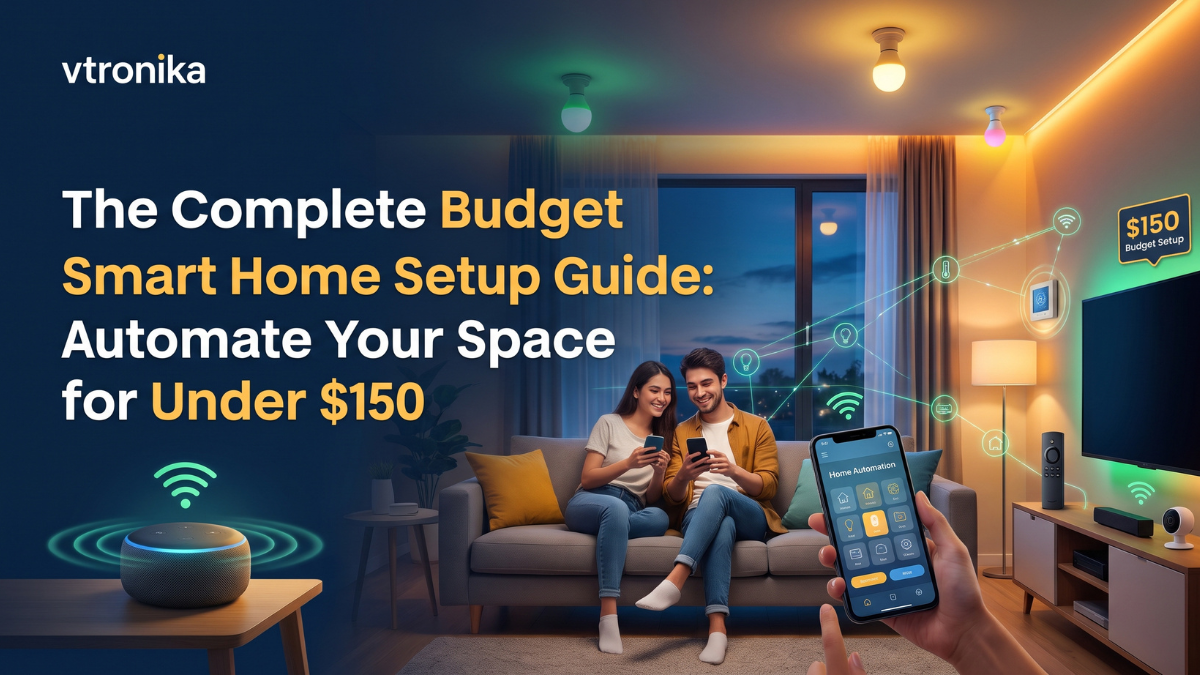
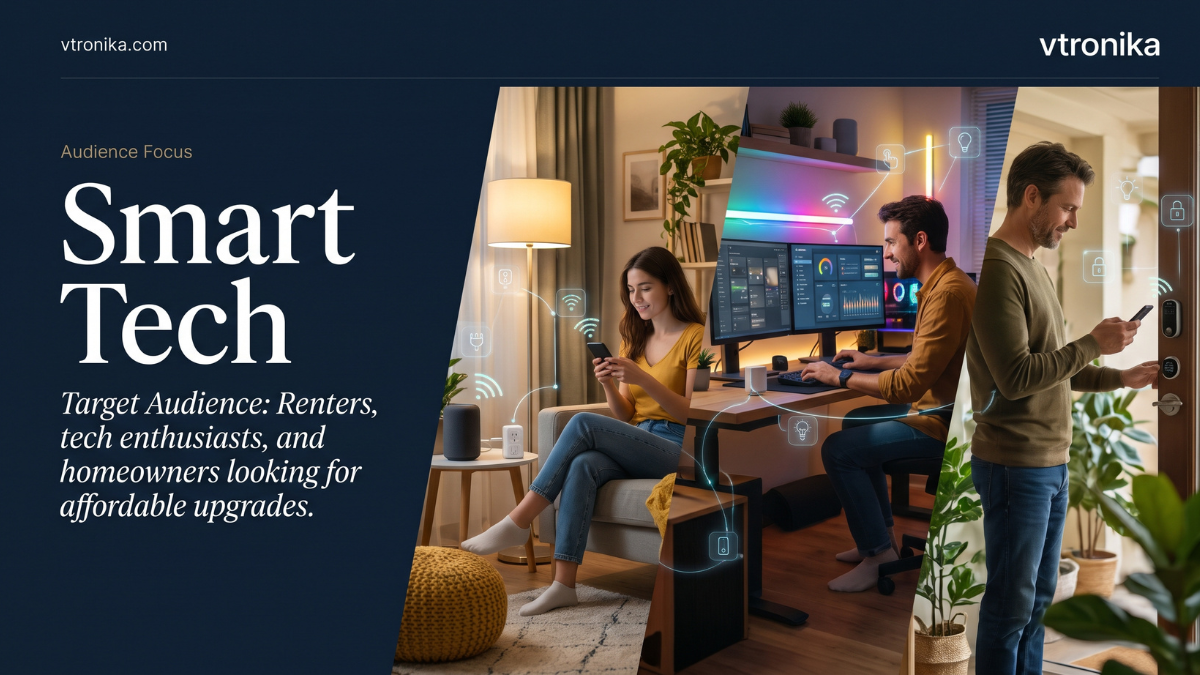
One of the most immediate and impactful upgrades for any apartment dweller is smart lighting. Instead of dealing with landlord-provided, harsh fluorescent bulbs, renters can easily install Wi-Fi or Bluetooth-enabled LED bulbs and light strips. These devices require no central hub or electrical rewiring. Through a simple smartphone app, users can change color temperatures to suit their mood, schedule lights to turn on before they get home from work, or sync their living room lighting to their television for an immersive movie night.
3. Portable Security Systems for Ultimate Peace of Mind
Security is a top priority for renters, but installing hardwired alarm systems is rarely an option. Enter portable smart security. Affordable, battery-operated Wi-Fi cameras can sit on bookshelves, while magnetic contact sensors can be stuck onto front doors and ground-floor windows. These systems connect directly to a renter’s smartphone, sending instant push notifications if motion is detected while they are away. Best of all, when the lease is up, the entire security system can be packed into a single box in under ten minutes.
4. The Mobility of the Renter-Friendly Ecosystem
The true beauty of a renter-focused smart home is its mobility. Unlike built-in proprietary systems that stay with a house when it is sold, a renter’s smart ecosystem moves when they move. The Amazon Echo, smart plugs, and wireless cameras that automated a small studio apartment in one city can be instantly unpacked and reconnected to automate a larger duplex in another city, ensuring that the initial financial investment in smart technology provides long-term value regardless of where the user lives.
5. The Power User’s Playground: Beyond Basic Voice Commands
While renters and casual users might be satisfied with basic Alexa or Google Assistant routines, tech enthusiasts view the smart home as a complex canvas for advanced programming. For this audience, the goal is to move beyond simple voice commands and build a predictive environment. Enthusiasts utilize open-source platforms to create multi-variable automations—for example, programming the house to automatically lock the doors, lower the blinds, and turn on the alarm only if it is past 11 PM, the TV is off, and both homeowners’ smartphones are detected in the bedroom.
6. Local Control vs. Cloud Dependence
A major priority for smart home enthusiasts is data privacy and network speed, which drives them away from cloud-dependent mainstream devices. Instead of waiting for a command to travel to a corporate server in another state and back just to turn on a light, tech-savvy users build local networks using tools like Raspberry Pi servers, Hubitat, or Home Assistant. By keeping all data processing strictly within the walls of their own home, enthusiasts ensure their automations run instantly, securely, and completely independent of external internet outages.
7. Complex Automations and API Integrations
Tech enthusiasts thrive on making disparate digital ecosystems talk to each other. By utilizing custom API (Application Programming Interface) integrations, power users can connect their smart home to almost any data source on the internet. They can program their smart LED strips to flash their favorite sports team’s colors whenever a goal is scored in real-time, or connect their automated sprinkler system to advanced meteorological APIs so the lawn only waters itself based on hyper-local precipitation forecasts and exact soil evaporation rates.
8. Pushing the Boundaries of IoT Hardware
For the true enthusiast, off-the-shelf products are only the beginning. This demographic frequently engages in hardware modification, utilizing 3D printers to create custom mounts for sensors that perfectly match their home’s architecture. They might solder their own ESP32 microcontrollers to build highly specific environmental sensors that monitor precise air quality metrics or build custom motorized smart-blinds from scratch, pushing the absolute boundaries of what the Internet of Things (IoT) can achieve in a domestic setting.
9. Budget-Conscious Homeowners: High ROI Upgrades
For homeowners operating on a strict budget, smart home technology is no longer viewed as a frivolous luxury, but rather a strategic investment that yields a high Return on Investment (ROI). Instead of undertaking massive, multi-thousand-dollar renovations, these homeowners look for affordable, high-impact devices that modernize the property while actively saving money. The focus shifts from flashy gadgets to practical tools that improve daily efficiency, lower utility bills, and add immediate tangible value to the home’s resale profile.
10. The Financial Logic of Smart Thermostats
The crown jewel of the budget homeowner’s smart setup is the intelligent thermostat. While requiring a minor upfront cost and some basic DIY wiring, devices from brands like Ecobee or Nest learn a family’s daily schedule and automatically adjust the HVAC system to avoid heating or cooling an empty house. By optimizing energy usage based on real-time occupancy and local weather patterns, these affordable devices often pay for themselves in reduced monthly utility bills within the very first year of installation.
11. Curb Appeal and Exterior Smart Security
First impressions matter, especially when it comes to property value. Budget-conscious homeowners frequently prioritize affordable exterior smart tech to boost both security and modern “curb appeal.” Installing a $100 Wi-Fi video doorbell not only deters package theft and allows homeowners to speak to visitors remotely, but it also signals to neighbors and future buyers that the house is technologically updated. Paired with a simple smart deadbolt, homeowners can grant temporary digital access to dog walkers or contractors without ever cutting a physical spare key.
12. Energy Monitoring and the Phased Approach
Taking a phased approach is the secret to building a smart home on a budget. Rather than outfitting the entire house at once, budget homeowners scale up room by room. They often utilize affordable smart plugs equipped with energy monitoring software to identify which older appliances are acting as “energy vampires,” drawing power even when turned off. By strategically automating these specific, high-drain devices first, homeowners can immediately reduce their electrical footprint, slowly and sustainably funding their journey toward a fully automated house.