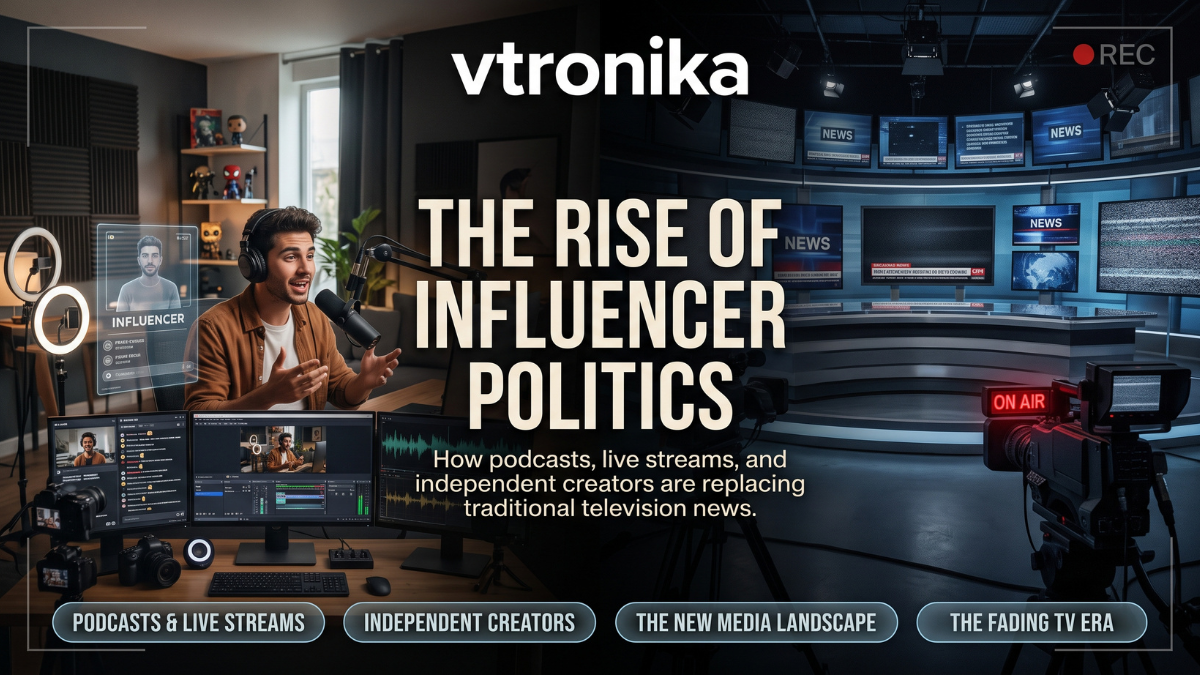
1. The Collapse of Broadcast Gatekeeping and Institutional Trust
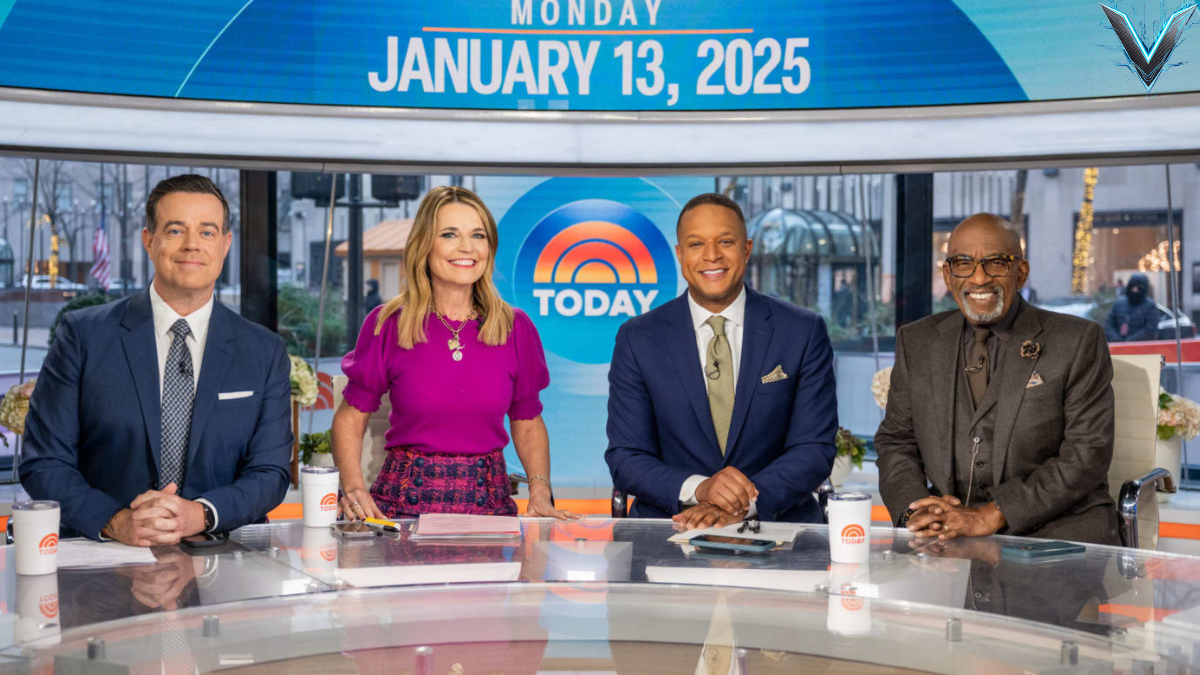
For over half a century, political communication operated through an elite gatekeeping framework. A handful of major broadcast television networks, cable news channels, and legacy newspapers decided which stories entered the public sphere, how issues were framed, and which voices were deemed credible. This model rested on a public assumption of institutional objectivity, professional journalistic ethics, and broadcast regulatory compliance.
Over the past decade, that gatekeeper monopoly has collapsed. The erosion of trust in legacy news stems from commercial sensationalism, 24-hour outrage cycles, overt corporate ownership biases, and structural layoffs across mainstream newsrooms. Audiences increasingly perceive cable news anchors as corporate functionaries delivering curated talking points rather than unbiased truth. In contrast, digital distribution networks—principally YouTube, Spotify, Twitch, and Substack—democratized media production, enabling independent creators to bypass broadcast executives and establish unmediated access to millions of citizens.
2. The Long-Form Podcast Paradigm: Depth Over Soundbites
Traditional cable news was designed around the structural limitations of commercial television: rapid eight-minute segments, commercial breaks, shouting matches, and short soundbites. Complex policy questions regarding foreign intervention, tax reform, or central banking were routinely compressed into slogans.
The rise of the long-form political podcast reversed this trend. Across two- to three-hour unedited conversations, hosts and political guests dissect policy nuances without commercial interruptions. This unconstrained format strips away scripted political media training:
- Exposure of Nuance: Candidates and policy thinkers can explain the multi-layered trade-offs of their legislative proposals in full context.
- Stress-Testing Stamina: Rehearsed talking points rarely survive beyond the first twenty minutes; an extended discussion forces guests to display their actual intellectual breadth, emotional temperament, and underlying convictions.
- On-Demand Intimacy: Commuters, gym-goers, and home listeners consume policy discussions as background accompaniment, transforming politics into a habitual, deeply personalized part of daily life.
3. Real-Time Politics: Live Streaming and the Parasocial Bond
Live streamers on platforms like Twitch, YouTube, and Kick have introduced a dynamic of real-time community engagement that broadcast television cannot replicate. Streamers broadcast for six to ten hours consecutively, reacting live to breaking congressional votes, judicial trials, and national debates.
Traditional Broadcast (One-Way Transmission)
[Anchor / Script] ──► [Satellite / TV] ──► [Passive Viewer]

Live Stream Politics (Two-Way Interactive Loop)
[Creator] ◄── [Live Chat / Superchats / Real-Time Debates] ──► [Active Community]
This dynamic cultivates intense parasocial interaction. Viewers interact directly with the host through live-chat prompts, superchats, and shared memes. Rather than watching a remote figure in an expensive studio, audiences feel they are sitting in a living room analyzing events with a trusted friend. This perceived peer-to-peer authenticity commands deep emotional loyalty, granting independent streamers greater persuasive power over their audiences than broadcast panels.
4. The Transformation of Campaign Strategies: The Creator Tour
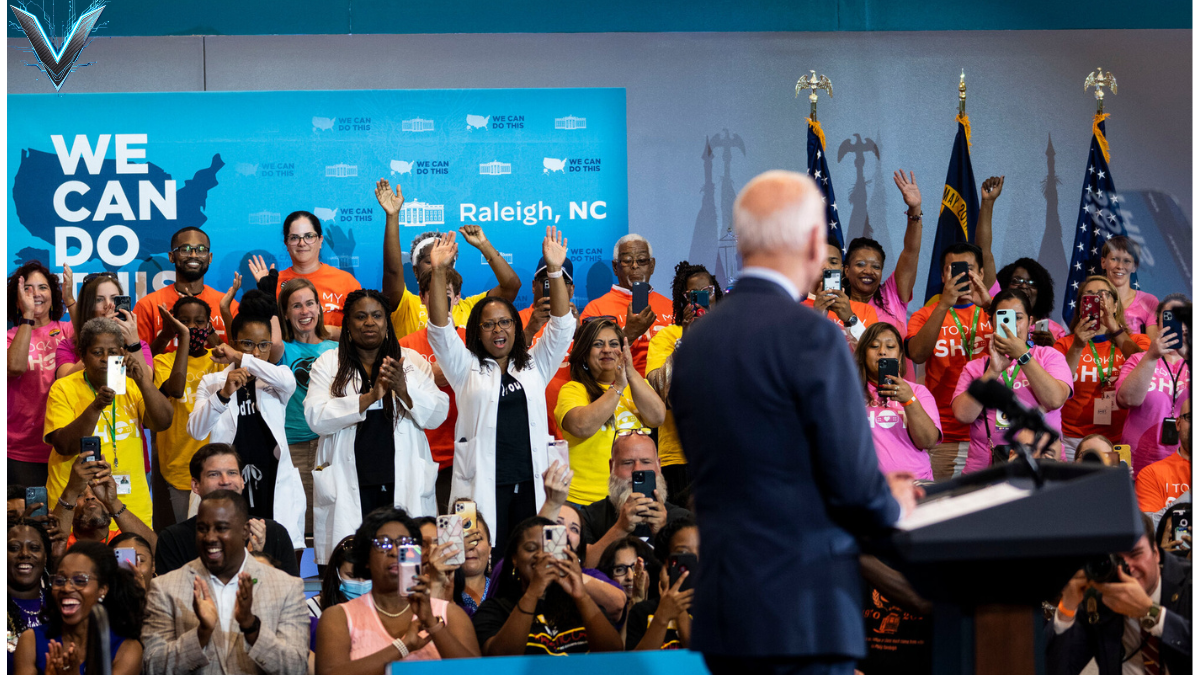
Campaign strategists have adapted to these consumption shifts. The traditional campaign trail—centered on Sunday morning political shows, scripted network town halls, and multimillion-dollar television ad buys—yields diminishing returns, particularly among voters under 40.
Modern political campaigns now prioritize the Creator Tour:
- Audience Targeting: Rather than broadcasting broad, generic messages, candidates sit down with niche creators—interviewing with comedy podcasters, gaming streamers, fitness influencers, and financial commentators to reach disaffected, low-propensity voters.
- Disarming Formats: Conversing over coffee, headphones on, in casual attire strips away the artificial veneer of traditional stump speeches.
- Media Multipliers: A single two-hour podcast appearance yields dozens of short-form vertical video clips (TikTok, YouTube Shorts, Instagram Reels) that circulate organically, multiplying candidate exposure without paid advertising budgets.
5. Creator Economics vs. Corporate Media Revenue Models
The business model of television news fundamentally shapes its editorial output. Cable networks rely on cable-carriage fees and corporate advertising dollars, creating corporate dependencies:
| Media Architecture | Traditional Cable News | Independent Political Creators |
| Primary Revenue | Corporate advertisers, pharmaceutical sponsors, cable carrier bundles. | Direct subscriptions (Patreon, Substack), user micro-donations, native host-read sponsorships. |
| Operational Overhead | Multi-million dollar studio infrastructure, executive salaries, satellite networks. | Low-overhead home studios, open-source audio/video tooling, small editing teams. |
| Editorial Autonomy | Restricted by corporate advertisers, parent-company portfolios, and board oversight. | Autonomous; creators answer primarily to their paying subscriber base. |
| Audience Relationship | Transactional; viewed as rating metrics to sell to third-party advertisers. | Communal; funded directly by an invested, dedicated community of patrons. |
Because independent creators operate with low overhead and direct subscriber funding, they can address niche, unpalatable, or anti-establishment topics that corporate broadcast networks avoid for fear of alienating advertisers.
6. Decentralized Journalism and Open-Source Intelligence (OSINT)
Influencer politics is not confined to commentary; it has transformed investigatory journalism. The rise of independent investigative creators, OSINT collectives, and citizen journalists has challenged the reporting monopolies of network newsrooms.
Armed with commercial satellite imagery, flight-tracking databases, public court archives, geolocated social video feeds, and digital forensics, independent researchers regularly break, corroborate, or debunk international stories in real time. Rather than relying on official government press releases or background briefings with unnamed intelligence officials, citizen analysts publish raw evidence and data trails directly to public threads. This open-source verification process lets readers independently inspect the investigative chain of custody, contrasting with the opaque sourcing of legacy newsrooms.
7. The Dangers of Algorithmic Polarization and Sensationalist Retention
Despite its democratizing potential, the creator-driven ecosystem introduces structural risks to civic discourse. While cable news chased ratings, digital creators are governed by algorithmic engagement loops designed to maximize watch time, clicks, and emotional arousal:
- The Outrage Incentive: Platforms reward conflict, doomscrolling, and aggressive rhetoric. Creators who present balanced, measured policy analysis often struggle for visibility against channels employing hyper-sensationalist thumbnails, apocalyptic narratives, and bad-faith characterizations.
- Epistemic Bubbles: Algorithmic curation creates insulated feedback loops. When an individual consumes creator content from one ideological vantage point, recommendation engines suggest increasingly dogmatic voices, insulating viewers from dissenting data or alternative perspectives.
- Audience Capture: Creators who depend on direct viewer funding risk “audience capture”—a dynamic where hosts become intellectually hostage to their most radical, vocal subscribers, hesitating to moderate their claims or correct errors for fear of losing patrons.
8. The Absence of Editorial Standards and the Rise of Disinformation
Traditional news organizations, despite institutional biases, enforce established journalistic guardrails: legal libel reviews, dedicated fact-checking desks, standards editors, and mandatory published corrections.
The creator economy largely lacks these institutional constraints:
- Unvetted Assertions: An independent host can broadcast unverified speculation, manipulated video clips, or false health and geopolitical claims directly to millions of viewers with zero institutional oversight.
- Delayed Corrections: While traditional publications publish formal retractions when stories prove false, creators often delete videos, quietly edit descriptions, or pivot to new controversies without clarifying past inaccuracies to their followers.
- Sponsorship Exploitation: Without regulatory compliance standards like the FCC’s broadcast rules, some influencers blur the lines between paid geopolitical propaganda, undisclosed political lobbying, and organic personal opinion.
9. Generational Divergence and the Death of the Shared National Narrative
The migration away from broadcast television has deepened generational divides in political consumption. While baby boomers and older demographics largely continue to watch linear television news broadcasts, younger generations rely predominantly on creator-curated digital channels.
This fracturing has dismantled the concept of a shared civic baseline. In previous eras, regardless of political leanings, millions of citizens watched the same evening news broadcast and worked from a common ledger of undisputed facts. Today, disparate demographic segments inhabit entirely disconnected informational ecosystems. One cohort may be engaged with a local legislative dispute covered on public radio, while another focuses on an international controversy circulating across YouTube commentary channels, making national civic consensus increasingly difficult to construct.
10. The Hybrid Future: Legacy Media Co-Option and the Institutionalization of Creators
The boundary between legacy broadcast journalism and independent creator culture is blurring into a hybrid media landscape:
- Legacy Adaptation: Traditional networks are launching creator-style podcasts, hiring digital streamers, and building YouTube-first newsrooms that mimic the casual, direct-to-camera aesthetic of independent media.
- Institutionalization of Creators: As independent influencers build large operations, they face the same structural pressures that shaped broadcast news: hiring research teams, establishing media companies, renting multi-camera studios, managing legal challenges, and courting institutional advertisers.
- Credentialed Access: Governments, international summits, and party conventions routinely grant formal press credentials to independent podcasters, YouTubers, and TikTok creators alongside legacy reporters, cementing their status as primary conduits of political power.
The future of political communication is not a choice between television networks and digital influencers, but a landscape where creators define the tone, pacing, and terms of civic engagement.