
1. Historical Genesis and Deep-Seated Ideological Animosity
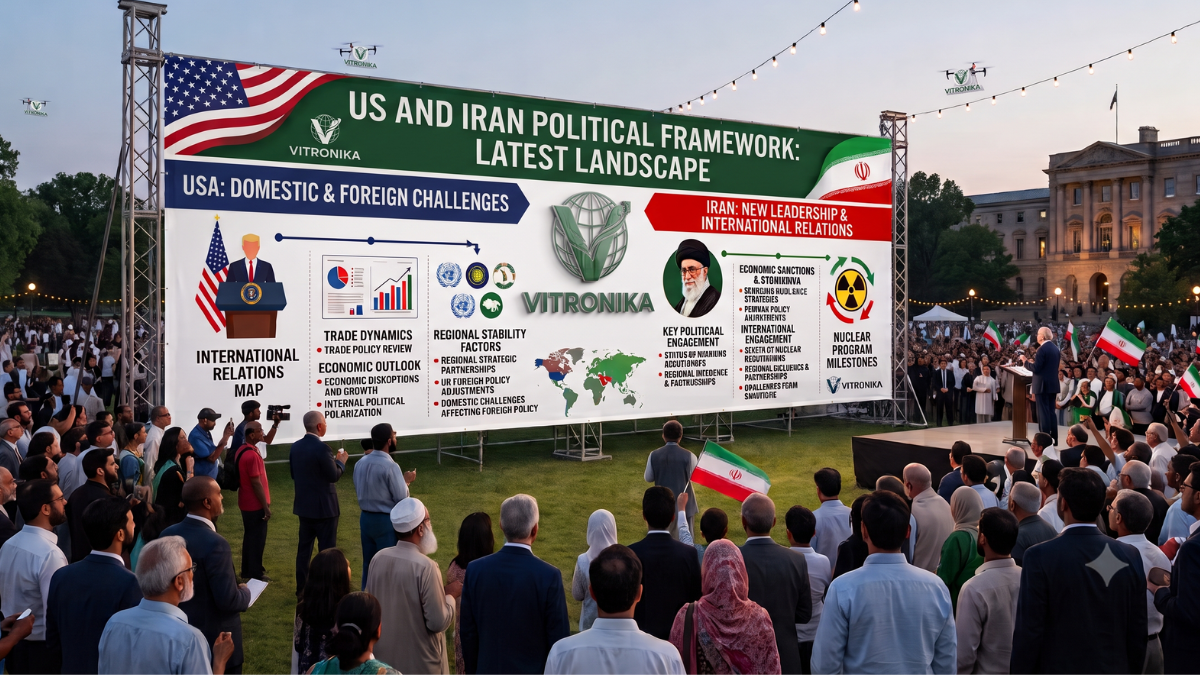
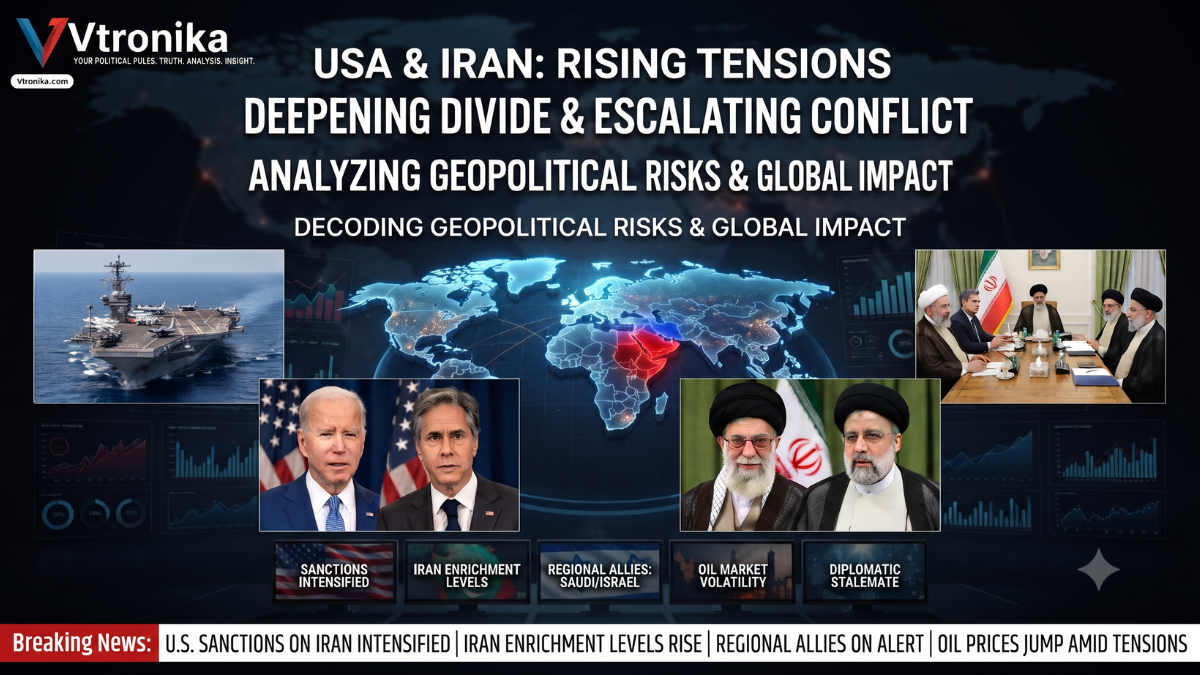
The geopolitical friction between the United States and Iran represents one of the most volatile and enduring rivalries in modern international relations, where decades of ideological animosity, strategic mistrust, and regional competition have systematically deepened the divide between both nations. This deep-seated hostility traces its historical roots back to the 1979 Islamic Revolution, which fundamentally dismantled the pro-Western Pahlavi dynasty, replaced it with a fiercely anti-Western theocratic regime, and culminated in the protracted Iran hostage crisis that permanently severed formal diplomatic ties. Over the ensuing decades, successive U.S. administrations have attempted various containment strategies ranging from crippling economic sanctions and covert cyber operations to limited diplomatic engagement, most notably marked by the 2015 Joint Comprehensive Plan of Action designed to curb Tehran’s nuclear ambitions. However, the unilateral withdrawal of the United States from the nuclear accord in 2018 under a maximum pressure campaign reignited intense hostility, driving Iran to progressively accelerate its nuclear enrichment activities and solidify a posture of active defiance against American hegemony in the Middle East.
2. Collapse of Diplomacy and the Transition to Open Hostilities
Following years of cyclical economic warfare and stalled back-channel negotiations, diplomatic efforts ultimately collapsed, transitioning the U.S.-Iran crisis from cold confrontation into active military warfare. The threshold of direct conflict was crossed when a massive campaign of joint U.S. and Israeli airstrikes targeted strategic Iranian military infrastructure, leadership compounds, and nuclear facilities, dramatically altering the regional power balance. These unprecedented escalations shattered decades of calculated deterrence, proving that standard diplomatic frameworks and third-party mediation efforts by regional actors like Qatar and Pakistan were insufficient to bridge fundamental gaps regarding sovereignty, security architecture, and regional influence. In response to the targeted killings of high-ranking political and military figures, the Iranian leadership activated centralized wartime protocols, sidelining moderate political voices and empowering hardline factions to dictate national security policies.
3. Asymmetric Warfare and the Expanding Axis of Resistance
Throughout the conflict, Iran has effectively leveraged its asymmetric warfare capabilities through the “Axis of Resistance,” a formidable network of regional non-state actors and proxy militias spanning Lebanon, Iraq, Yemen, and Syria. By utilizing groups such as Hezbollah, the Houthis, and various allied Shia militias, Tehran has successfully projected power beyond its borders, imposing high costs on American military deployments and allied regional infrastructure without requiring direct conventional army engagements. This decentralized network has executed persistent drone and ballistic missile strikes targeting U.S. bases in Jordan, Iraq, and the broader Gulf Cooperation Council states, creating a complex web of multi-front combat. Consequently, Washington and its regional partners have been forced to continuously expand their defensive and offensive air campaigns, drawing neighboring countries deeper into a sprawling regional theater of war.
4. Geopolitical Shockwaves Across the Middle East
The widening conflict has fundamentally destabilized the broader Middle Eastern security architecture, drawing active participation and military intervention from regional heavyweights such as Saudi Arabia, the United Arab Emirates, and regional defense networks. While initial strategies sought to isolate the confrontation, cross-border retaliations, proxy skirmishes, and targeted strikes in countries like Iraq, Yemen, and Jordan have transformed the dispute into an expansive regional crisis. This interconnected violence has complicated traditional alliances, forcing Gulf Arab states to delicately balance their economic development goals and security partnerships with the urgent necessity of defending their sovereign airspace and critical infrastructure from incoming drone assaults. The regional spillover has likewise devastated local stability, displacing civilian populations and plunging fragile states into deeper humanitarian distress.
5. Global Economic Fallout and Energy Market Volatility
The geopolitical escalation between Washington and Tehran has sent severe economic shockwaves through the global marketplace, primarily driven by severe vulnerabilities in international energy infrastructure. At the center of this economic danger lies the Strait of Hormuz, a critical maritime chokepoint through which a significant portion of the world’s petroleum and liquefied natural gas supplies must transit. Military blockades, active combat risks, and threats of closure in this vital corridor have repeatedly disrupted global shipping traffic, triggering sharp spikes in crude oil prices and widespread financial market instability. For both advanced and emerging economies, these sudden energy price hikes translate directly into renewed inflationary pressures, soaring transportation costs, and heightened anxieties regarding a potential global economic recession.
6. Disruption of Global Trade, Aviation, and Supply Chains
Beyond immediate energy shocks, the prolonged conflict has severely disrupted international trade routes, commercial shipping logistics, and global aviation networks. With major portions of Middle Eastern airspace rendered high-risk or entirely closed due to active missile exchanges and air defense operations, international commercial airlines have been forced to implement lengthy, costly flight detours connecting Europe, Asia, and Africa. These mandatory rerouting procedures have substantially increased jet fuel consumption, raised operating expenses for commercial carriers, and driven up ticket prices for global travelers. Furthermore, maritime cargo delays and increased war-risk insurance premiums for cargo vessels navigating the Persian Gulf have compounded financial burdens on global supply chains, affecting everything from manufacturing components to consumer goods.
7. Nuclear Escalation Risks and Non-Proliferation Failures
At the core of Washington’s strategic anxieties remains the profound risk of nuclear proliferation, as the collapse of diplomatic talks and military strikes on enrichment facilities have paradoxically driven Tehran closer to achieving a nuclear weapons capability. Rather than permanently dismantling its atomic ambitions, the wartime environment has emboldened hardline elements within Iran to view a nuclear deterrent as the ultimate guarantee against foreign regime-change operations. This dangerous trajectory threatens to completely unravel the decades-old global non-proliferation framework, raising grave fears that other regional powers in the Middle East may feel compelled to pursue their own sovereign nuclear arsenals. The prospect of an unstable, nuclear-armed Iran introduces an unprecedented existential hazard into an already combustible regional landscape.
8. Cyber Warfare and Digital Infrastructure Vulnerabilities
In parallel with conventional military engagements, the U.S.-Iran conflict has catalyzed a dangerous expansion into the digital domain, where sophisticated cyber warfare has become a primary instrument of statecraft. Iran has progressively cultivated advanced cyber capabilities, utilizing state-sponsored hacker collectives to launch persistent digital offensives against Western financial institutions, government networks, and critical national infrastructure. These cyber operations target power grids, water treatment facilities, and transportation systems, seeking to inflict economic paralysis and psychological disruption without crossing formal thresholds that trigger full-scale conventional retaliation. In response, the United States and its allies have heavily increased investments in domestic cybersecurity resilience, transforming cyberspace into a permanent front line of the bilateral conflict.
9. Domestic Political Pressures and International Scrutiny
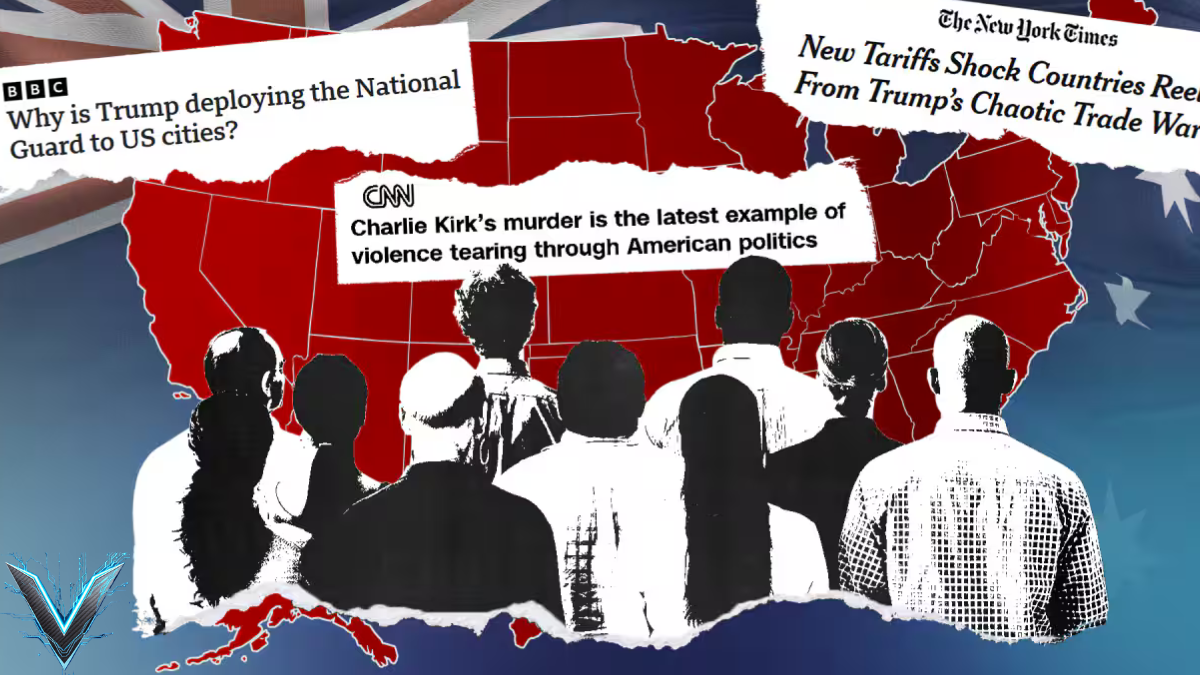
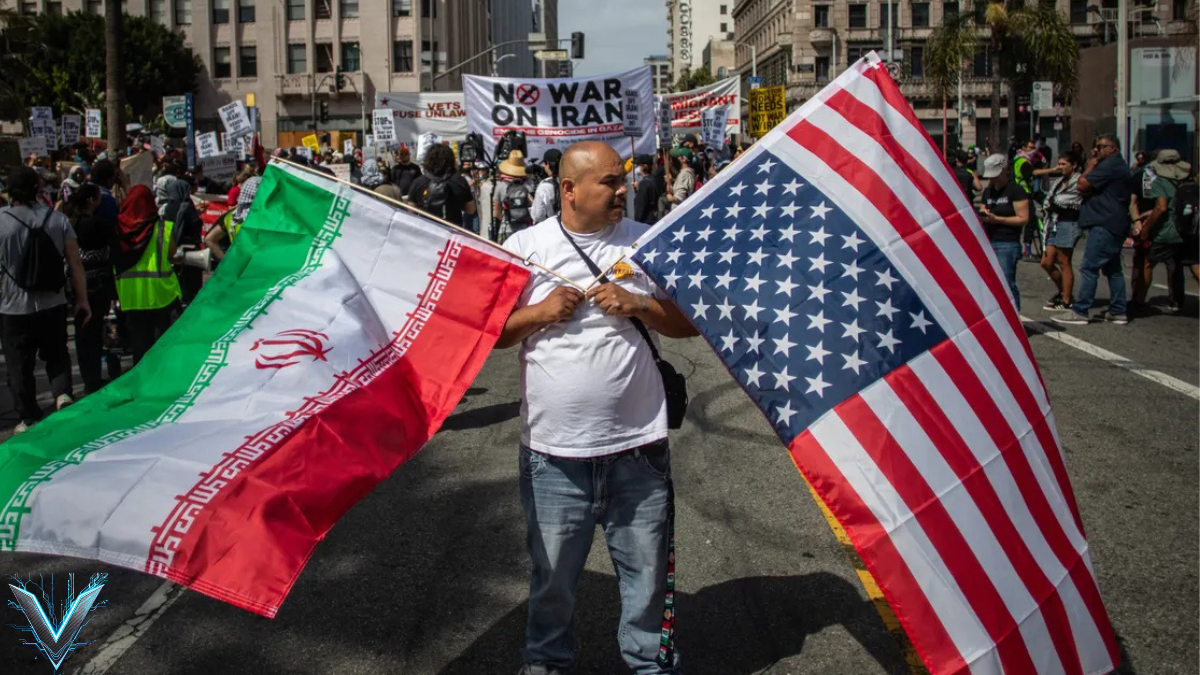
The prolonged duration and human cost of the conflict have generated intense domestic political friction and fierce public debate within the participating nations. In the United States, mounting casualties among service members, rising military expenditures running into tens of billions of dollars, and climbing household energy expenses have eroded public and legislative support for the military campaign, leading to heated congressional challenges over executive war powers. Simultaneously, the Iranian government faces profound internal pressures, balancing severe economic hardship caused by international sanctions and wartime devastation against popular dissent and the structural challenges of political succession. These domestic political vulnerabilities complicate the path toward any sustainable, long-term diplomatic resolution, as leaders on both sides navigate the delicate balance between nationalist posturing and de-escalation.
10. Future Outlook, Multipolar Shifts, and the Search for Durable Peace
Ultimately, the deep divide and escalating conflict between the United States and Iran reflect a broader, historic transition toward a fractured, multipolar global order where traditional Western dominance is increasingly contested by rising Eastern powers like China and Russia. These external global actors frequently navigate the crisis to secure discounted energy resources, expand diplomatic influence, and exploit the strategic distraction of Western military assets. While temporary ceasefires, fragile memorandums of understanding, and intermittent peace talks mediated by regional intermediaries have occasionally paused large-scale hostilities, a durable, comprehensive settlement addressing core disputes over nuclear enrichment, regional proxy networks, and sanctions relief remains elusive. Without the establishment of an inclusive regional security architecture and genuine diplomatic off-ramps, the U.S.-Iran rivalry will continue to cast a long shadow of instability over global economic recovery and international peace.