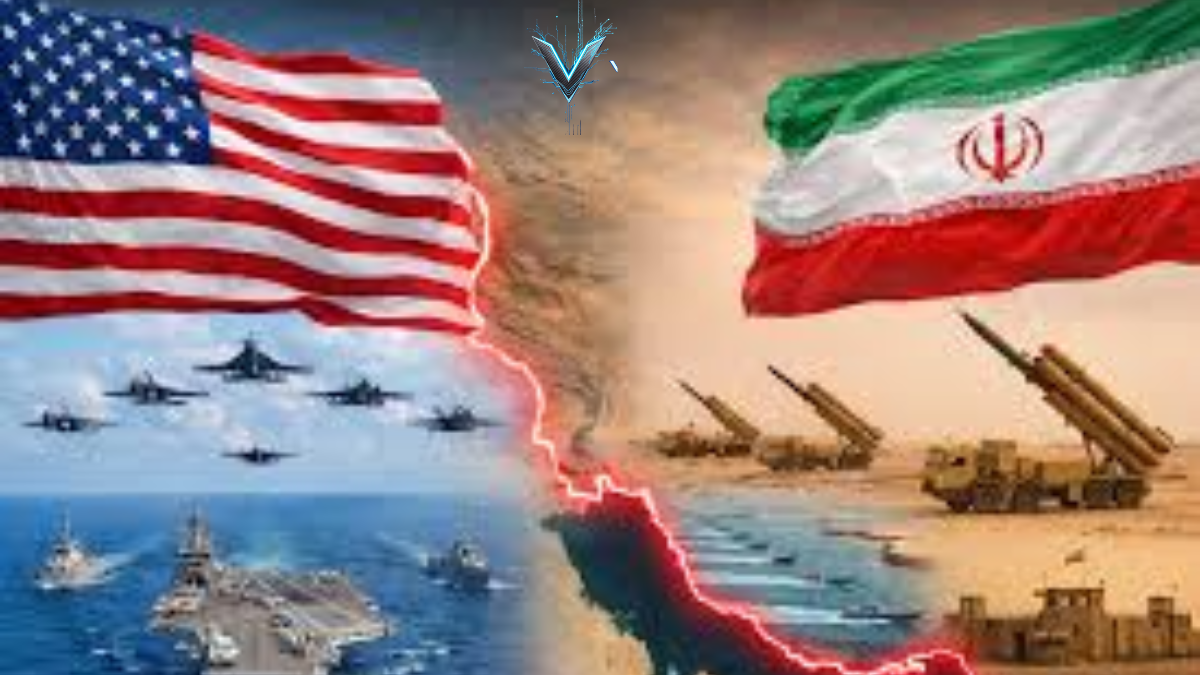

The Middle East is currently facing a major escalation in armed conflict following joint U.S. and Israeli strikes on Iran. The situation has evolved into a multi-front war involving Iran, Israel, the United States, and several regional armed groups.
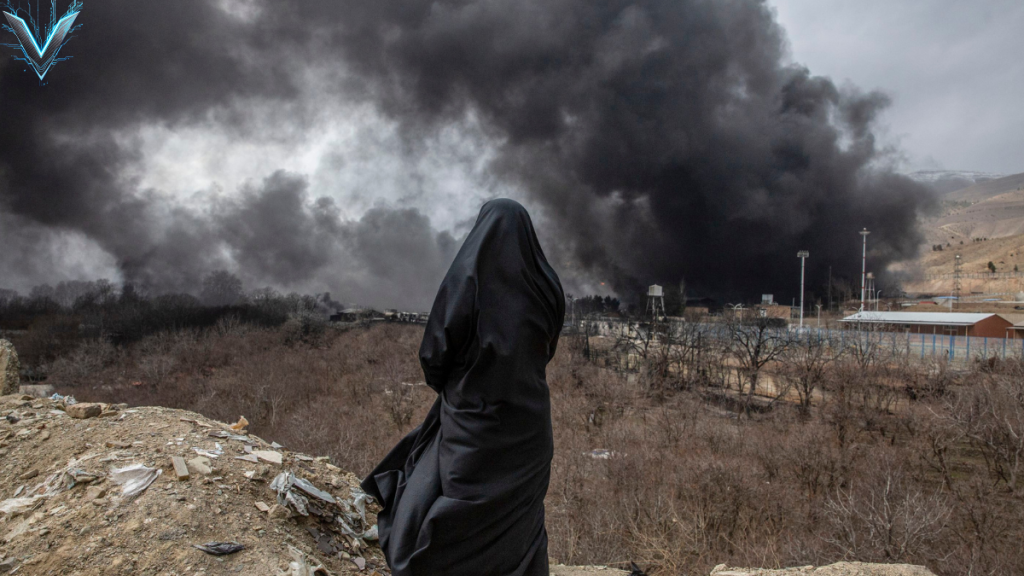
ARTICLE 1: START OF THE WAR ESCALATION
The current Middle East war escalated after coordinated U.S. and Israeli air and missile strikes on Iran. These strikes targeted military bases, missile facilities, and strategic infrastructure inside Iran.
Iran responded immediately with ballistic missile attacks on Israel, marking a rapid shift from tension to direct war. Explosions were reported in multiple cities including Tehran and Haifa.
According to recent reporting, this exchange represents the most serious escalation since earlier ceasefire agreements collapsed.
The conflict quickly expanded beyond initial expectations, drawing in regional actors and proxy forces.
ARTICLE 2: ISRAEL’S STRIKES INSIDE IRAN
Israel launched multiple waves of airstrikes targeting Iranian defense systems and industrial infrastructure.
Key targets included missile bases, air defense installations, and energy-related facilities.
Reports confirm strikes on petrochemical and strategic energy sites inside Iran, increasing economic pressure.
Iran described the attacks as violations of sovereignty and declared retaliation.
Civilian panic increased in several Iranian cities due to repeated explosions.
ARTICLE 3: IRAN’S RETALIATION
Iran responded with coordinated missile and drone strikes against Israeli territory.
Multiple waves of ballistic missiles were launched toward military and urban targets.
Israeli defense systems intercepted many incoming missiles, but some caused damage.
Iran stated its actions were defensive retaliation for U.S.–Israeli strikes.
This cycle of attack and counterattack intensified the conflict region-wide.
ARTICLE 4: UNITED STATES INVOLVEMENT
The United States has provided direct and indirect support to Israel during the conflict.
Limited U.S. military strikes were reported against Iranian-linked facilities in the region.
Washington claims its actions are defensive and aimed at protecting bases and maritime routes.
U.S. naval and air forces have increased presence across the Gulf region.
At the same time, diplomatic pressure is being applied for de-escalation.
ARTICLE 5: REGIONAL PROXY WAR EXPANSION
The war has expanded beyond Iran and Israel into a multi-front regional conflict.
Hezbollah in Lebanon has increased border activity against Israel.
Houthi forces in Yemen have launched attacks in the Red Sea.
Militias in Iraq and Syria have also joined the wider confrontation.
This has turned the conflict into a multi-theater regional war.
ARTICLE 6: RED SEA AND GLOBAL SHIPPING CRISIS
One of the most serious consequences is disruption of global shipping routes.
Houthi forces have threatened Israeli and Western-linked vessels in the Red Sea.
Maritime trade through key chokepoints has become unstable.
Insurance costs for shipping have increased significantly.
This is causing global concern over supply chain disruptions.
ARTICLE 7: ECONOMIC IMPACT
The war has caused sharp increases in global oil prices.
Energy markets are reacting to fears of supply disruption from the Gulf region.
Trade instability is affecting global markets and investor confidence.
Currency fluctuations are increasing in affected regions.
Sanctions and counter-sanctions are also being discussed internationally.
ARTICLE 8: CIVILIAN AND HUMANITARIAN IMPACT
Civilian populations in Iran, Israel, Lebanon, and surrounding areas are heavily affected.
Airstrikes and missile attacks have damaged infrastructure and housing.
Hospitals and emergency services are under pressure.
Displacement of civilians is increasing in multiple regions.
Humanitarian organizations are warning of worsening crisis conditions.
ARTICLE 9: DIPLOMATIC EFFORTS
International diplomatic efforts are ongoing but weak.
Several countries are attempting to mediate ceasefire talks.
However, trust between Iran, Israel, and the United States is extremely low.
Negotiations frequently stall due to ongoing strikes.
No stable ceasefire agreement has been reached.
ARTICLE 10: CURRENT OVERALL SITUATION
The war remains active and highly unstable.
Israel and Iran continue exchanging missile and airstrikes.
Proxy groups remain engaged across multiple regions.
The United States maintains defensive military operations.
The risk of wider regional war remains high.
No clear resolution is currently in sight.
FINAL SUMMARY
The Middle East conflict after U.S.–Israel strikes on Iran has evolved into a multi-front regional war involving direct state conflict, proxy warfare, economic disruption, and humanitarian crisis. Despite diplomatic pressure, the situation remains highly volatile with ongoing military exchanges.