Article 1: The Silicon Revolution: How Neural Processing Units Democratized Supercomputing
For decades, accessing high-performance computational power required multi-million-dollar server racks housed in climate-controlled enterprise data centers. Today, that entire paradigm has flipped through radical advancements in sub-three-nanometer semiconductor architecture and dedicated Neural Processing Units (NPUs). Breakthrough chipsets integrated directly into consumer smartphones, ultra-thin laptops, and wearable accessories execute trillions of operations per second locally, without demanding continuous server-side bandwidth.
Running machine learning models locally on device silicon transforms raw hardware into an intelligent collaborator. Users can generate code, transcribe multilingual audio in real time, and render complex 3D graphic scenes instantly with zero network latency. Furthermore, processing sensitive tasks directly on edge hardware protects consumer privacy, ensuring that personal data, biometric credentials, and confidential business documents never leave the physical device.
Democratizing high-level computing power places enterprise-grade capabilities into the hands of independent creators, students, and entrepreneurs. The modern handheld device is no longer just a communication tool; it is an agile digital workshop capable of competing with legacy industrial workstations.
Article 2: Generative AI at Your Fingertips: Transitioning from Tools to Autonomous Co-Pilots
The integration of generative artificial intelligence directly into personal operating systems marks the largest leap in consumer computing since the introduction of graphical user interfaces. Rather than requiring users to manually navigate rigid file hierarchies, nested menus, and specialized software, modern operating systems understand multi-modal commands delivered through spoken voice, handwritten sketches, and conversational text.
- Contextual Productivity: Autonomous on-device assistants synthesize lengthy email threads, draft professional proposals tailored to specific brand voices, and extract action items from recorded boardroom discussions automatically.
- Creative Workflow Amplification: Creators can prototype digital assets, generate vector patterns, and edit complex audio waveforms using simple conversational prompts directly on mobile devices.
- Proactive Life Management: Predictive models anticipate daily schedules, automatically adjusting travel routes, reserving charging stations for electric vehicles, and reorganizing task priorities based on incoming deadlines.
This shift turns personal technology into an proactive partner that works alongside you. By eliminating repetitive digital drudgery, intelligent co-pilots free humans to focus their energy on strategy, creative expression, and critical decision-making.
Article 3: Spatial Computing and Mixed Reality: Dissolving the Boundaries of the Physical Screen
For over half a century, digital interaction was confined to flat rectangular glass screens. Spatial computing dissolves these physical boundaries, blending digital user interfaces, volumetric graphics, and interactive workspaces directly into our physical surroundings through lightweight mixed-reality headsets and augmented smart glasses.
Wearing spatial optics transforms an empty room into an expansive multi-display workstation where virtual application windows float seamlessly alongside physical furniture. Architects can walk clients through life-sized holographic building models, medical students can dissect interactive 3D anatomical structures with natural hand gestures, and distributed engineering teams can manipulate virtual engine prototypes in real time across continents.
Beyond professional utility, spatial computing revolutionizes digital collaboration and entertainment. Eye tracking, spatial audio, and LiDAR sensor mapping work together to anchor virtual objects with pinpoint physical stability. By turning our living environments into interactive digital canvases, spatial technology redefines how we learn, build, and perceive reality.
Article 4: The Next Frontier of Cyber Defense: Biometrics, Passkeys, and Zero-Trust Edge Security
As portable devices hold an increasing volume of our financial identities, sensitive communications, and intellectual property, traditional password security has become dangerously obsolete. The modern security landscape relies on zero-trust edge protocols, decentralized identity tokens, and multi-factor biometric authentication to safeguard digital lives against sophisticated cyber threats.
Hardware-isolated secure enclaves embedded within modern processor chips store cryptographic passkeys that cannot be phished, intercepted, or leaked in server breaches. High-resolution facial scans, ultrasonic under-display fingerprint readers, and iris mapping verify user identity instantly at the hardware level. These biometric checkpoints authenticate logins, authorize high-value financial transfers, and decrypt sensitive vaults within fractions of a second, without exposing master credentials over the internet.
Implementing continuous biometric behavioral monitoring ensures that a device automatically locks itself if it detects unfamiliar holding patterns, typing cadences, or unauthorized locations. Handing users robust, military-grade encryption in a simple, frictionless interface delivers security that operates continuously in the background without getting in the way.
Article 5: Ambient Computing: The Invisible Internet of Things and the Smart Living Ecosystem
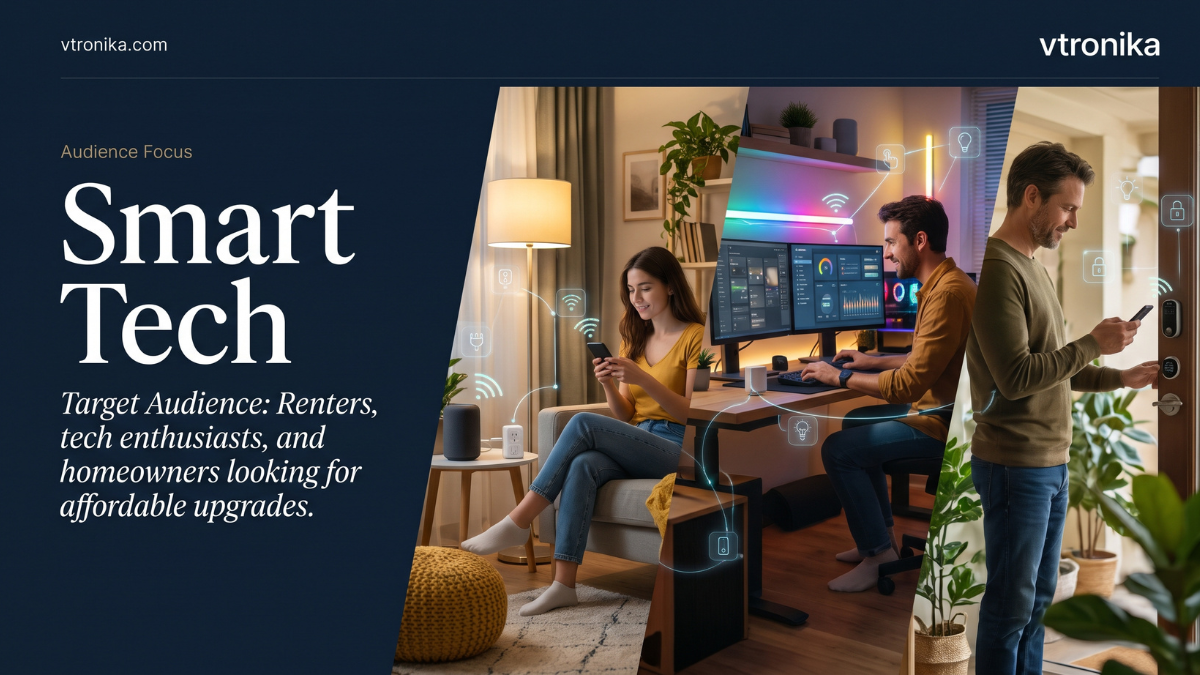
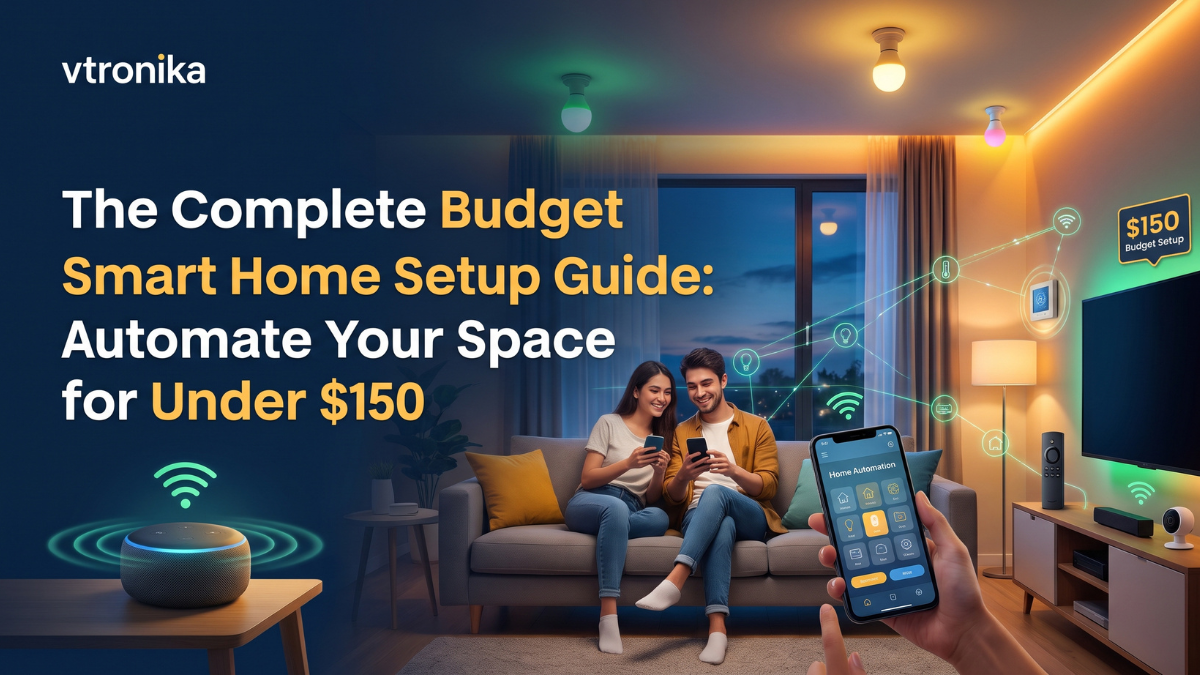
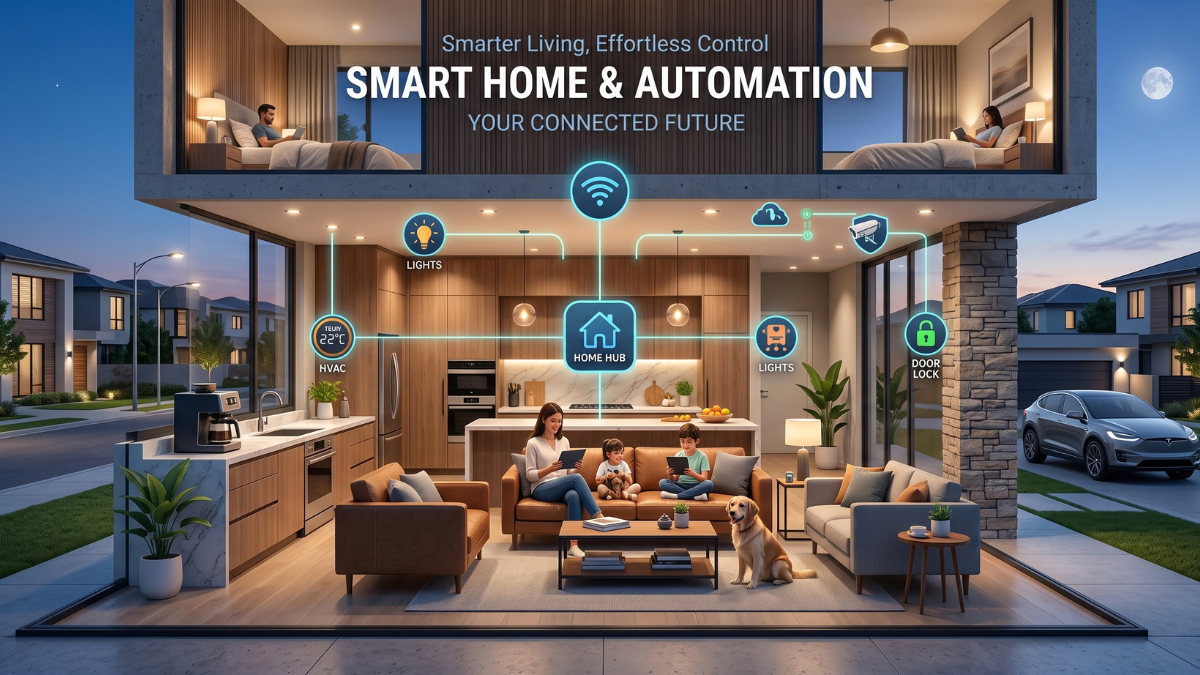
The ultimate goal of personal technology is not to demand more screen time, but to blend into everyday environments until it becomes virtually invisible. Ambient computing accomplishes this by orchestrating a web of interconnected Internet-of-Things (IoT) sensors, smart appliances, and automated infrastructure that anticipate human needs without explicit user commands.
In a fully integrated smart environment, low-power mesh networks connect smart lighting, climate controls, acoustic dampening panels, and automated security locks into a unified ecosystem. The home adjusts indoor temperatures based on exterior weather patterns and occupant movement, optimizes electrical consumption during peak-rate utility hours, and gradually shifts lighting spectra to support natural human circadian rhythms throughout the day.
Managing these smart environments no longer requires juggling a dozen disconnected proprietary apps. Open cross-platform protocols allow disparate devices to communicate reliably over unified standards. Technology fades into the background of daily life, quietly handling mundane home maintenance while owners focus on living.
Article 6: Continuous Wellness: How Wearable Health Biosensors Democratize Preventive Medicine
Personal healthcare has historically functioned as a reactive system, where individuals seek medical counsel only after physical symptoms or acute conditions manifest. Modern wearable biosensors and smart rings have turned this dynamic into a proactive, continuous health-monitoring discipline, putting clinical-grade diagnostic insights directly onto the user’s wrist.
- Cardiovascular Surveillance: Multi-wavelength optical sensors track blood oxygen saturation, arterial pulse wave velocity, and continuous resting heart rates, detecting early signs of atrial fibrillation with FDA-cleared electrocardiogram (ECG) modules.
- Metabolic Tracking: Non-invasive photoplethysmography and micro-fluidic continuous glucose monitors provide real-time visibility into metabolic responses, glycemic spikes, and daily energy recovery.
- Sleep Architecture Analysis: Advanced biometric tracking monitors sleep stages, skin temperature fluctuations, and respiratory disturbances to assess physical recovery and alert users to potential sleep apnea.
Equipping individuals with continuous personal physiological data fundamentally changes the doctor-patient relationship. Instead of relying on a single annual checkup snapshot, medical professionals can analyze longitudinal trends, enabling timely, personalized lifestyle interventions before chronic conditions take hold.
Article 7: Decentralization and Web3: Empowering User Sovereignty in the Data Economy
The current architecture of the internet has concentrated user data, creative royalties, and platform access in the hands of a few dominant centralized corporations. The evolution of decentralized distributed ledgers, smart contracts, and peer-to-peer verification protocols offers an alternative framework built on personal data sovereignty and direct creator monetization.
By holding private cryptographic keys within personal hardware devices, individuals maintain complete ownership over their digital identities, transaction histories, and digital assets. Decentralized storage solutions distribute encrypted file fragments across global networks, preventing single points of failure, arbitrary platform censorship, and unauthorized corporate data harvesting.
Smart contract protocols automate financial settlements, software licenses, and royalty splits between collaborating professionals without requiring intermediary gatekeepers. By putting cryptographic ownership directly into users’ hands, decentralized technology builds an open digital economy where users govern their own data, revenue streams, and digital footprint.
Article 8: Sustainable Tech: Green Silicon, Modular Engineering, and Circular Device Lifecycles
The relentless pace of consumer technology updates has generated a pressing environmental challenge in the form of electronic waste and heavy mineral depletion. In response, modern technological innovation is prioritizing circular engineering models, modular device architectures, and sustainable supply-chain operations.
Forward-thinking hardware manufacturers are moving away from glued, unrepairable chassis toward modular designs that allow consumers to replace individual components—such as batteries, camera modules, and display panels—using standard household tools. Recycled aluminum alloys, ocean-bound plastics, and sustainably refined rare-earth magnets are increasingly replacing virgin mined materials inside premium smartphones and laptops.
Simultaneously, extreme energy efficiency in chip design reduces carbon footprints across millions of daily recharge cycles. Coupled with extended software support windows that guarantee security and operating system updates for seven or more years, sustainable design ensures that high-performance tech remains functional, durable, and environmentally responsible over its entire lifecycle.
Article 9: Autonomous Systems and Robotics: Bringing Precision Automation to Everyday Life
Robotics and autonomous navigation technologies have stepped out of heavy industrial factories and entered commercial storefronts, agricultural fields, and private residences. Driven by advances in computer vision, deep reinforcement learning, and solid-state LiDAR sensors, autonomous machines perform intricate physical tasks with precision.
In domestic spaces, next-generation service robots navigate complex multi-level floor plans, mapping obstacles in real time to vacuum, mop, and maintain home security. In logistics and agriculture, autonomous delivery drones and robotic harvesters handle final-mile distribution and weed control, increasing agricultural yields while reducing chemical runoff.
Equally transformative is the development of consumer-facing assistive robotics, including motorized exosuits and intelligent prosthetic limbs that interface with human nerve signals. These breakthroughs restore mobility to individuals with physical impairments, demonstrating how robotics can directly improve human independence and physical well-being.
Article 10: The Extended Mind: Designing Digital Technology for True Human Flourishing
The rapid evolution of consumer technology presents an essential philosophical question: Does our technology serve our deepest human values, or does it merely hijack our attention? The most critical design frontier is not building faster processors or more immersive visuals, but developing technology that respects human cognitive limits and promotes real-world presence.
Operating system designers are actively implementing digital wellness frameworks that combat compulsive screen habits. Grayscale modes, intelligent notification batches, contextual focus filters, and cross-application boundary timers help users maintain healthy relationships with their devices. Future computing paradigms aim to minimize distraction, delivering needed information at the right moment and then stepping aside to let users engage with the world around them.
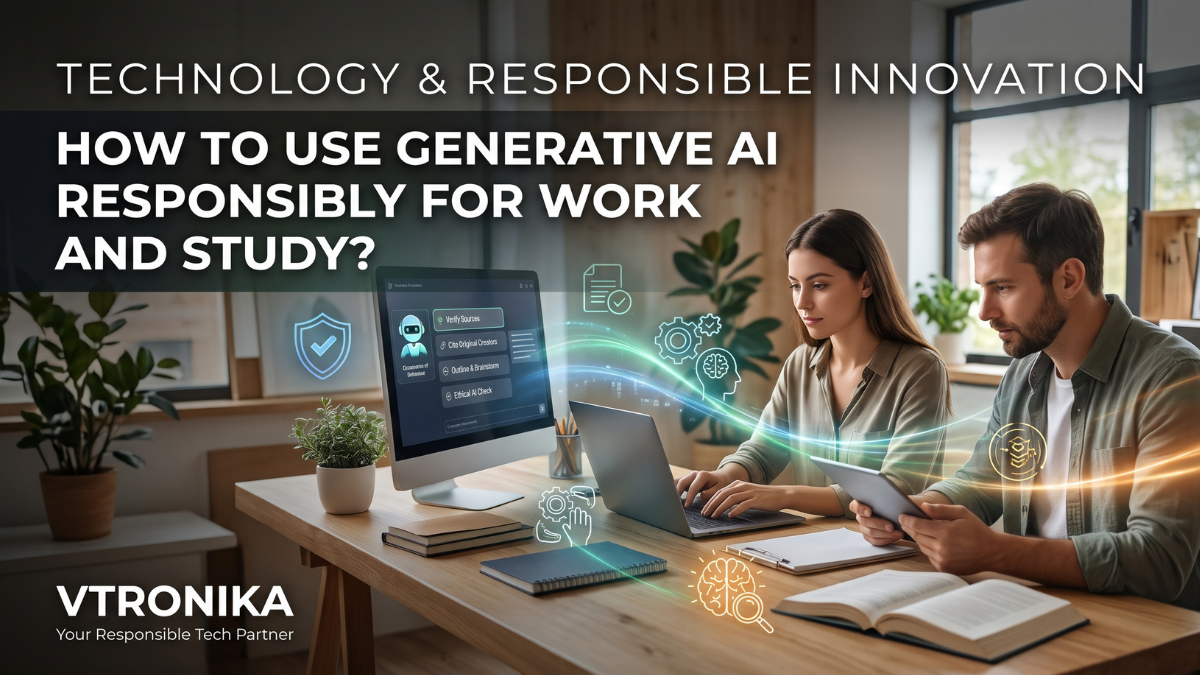
The future of technology belongs to tools that amplify human intellect without eroding human attention, agency, or well-being. When advanced solutions are engineered with ethical foresight, user privacy, and environmental balance at their foundation, putting technology in human hands empowers society to solve our toughest problems and build an inspired future for generations to come.