Article 1: The Evolution of Modern Enterprises Through Intelligent Business Solutions
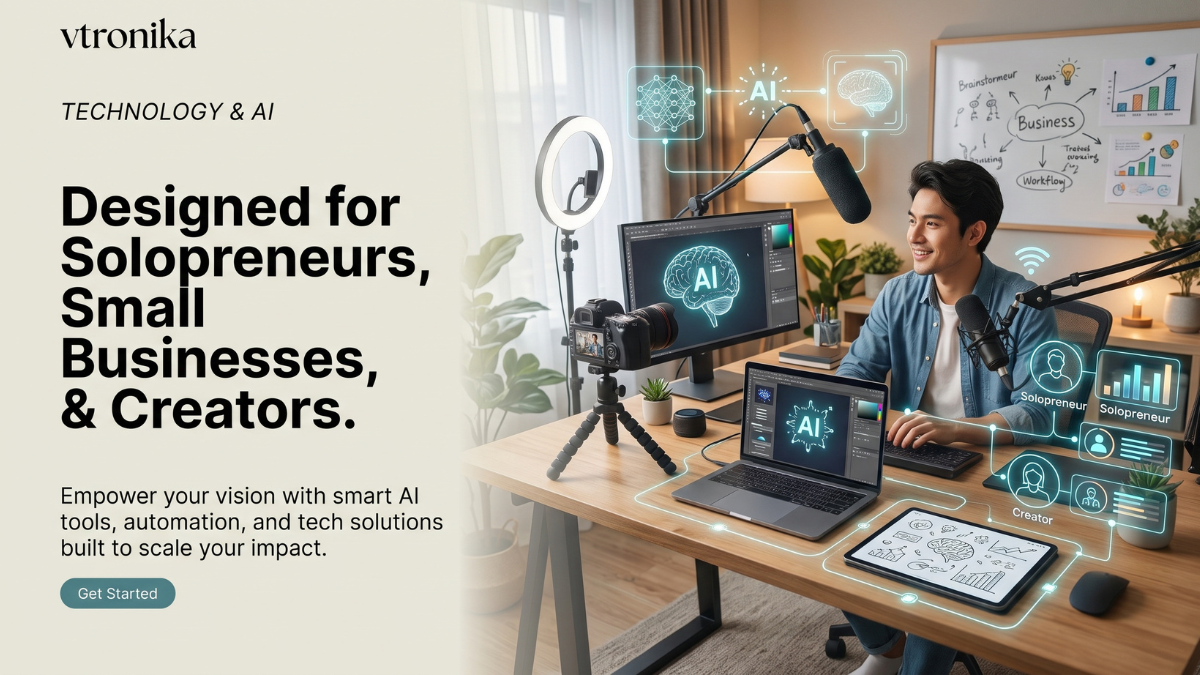
In today’s digital era, traditional business methods are no longer sufficient, and market competition demands more than just hard work—it requires pure intelligence. Intelligent business solutions consist of advanced technologies utilizing Artificial Intelligence (AI), Machine Learning (ML), and Big Data Analytics to eliminate inefficiencies and human errors. When an organization adopts intelligent systems, it does more than just collect data; it extracts actionable insights that drive future planning.
The primary benefit is automated workflows that reduce human errors to a negligible level. Customer service powered by chatbots and virtual assistants is available 24/7 to resolve client queries instantly. From supply chain management to financial forecasting, intelligent solutions bring absolute clarity, accelerating decision-making and keeping businesses ahead of changing market trends.
Article 2: Why Scalability is the Lifeline of Next-Gen Business Architecture
The ultimate test of any startup or enterprise is how rapidly it can grow without breaking down. Scalability means your infrastructure expands to handle rising demands without major disruptions or expenses. Next-Gen business architectures prioritize cloud computing and SaaS (Software as a Service) models. As a business scales, its data storage, processing power, and user management needs increase proportionally.
Scalable systems eliminate the need to install heavy hardware; resources can be upgraded or downgraded on the cloud with a single click. This flexibility saves financial resources and seamlessly handles sudden demand surges like seasonal spikes or festive sales. Consequently, scalability provides financial stability and operational resilience for long-term growth.
Article 3: Fortifying the Digital Frontier: The Paramount Importance of Security
As businesses transition online and rely heavily on cloud storage, the risk of cyber threats, hacking attempts, and data breaches grows exponentially. Next-Gen business solutions treat security not as an optional feature, but as a core foundation. A secure enterprise architecture features advanced encryption protocols, multi-factor authentication (MFA), zero-trust security models, and real-time threat detection systems.
Data protection is vital for internal operations and for maintaining the trust of customers and partners. A single data leak can cause catastrophic financial damage and permanently ruin a brand’s reputation. Furthermore, adhering to international regulatory compliances like GDPR is mandatory. Automated security patches and proactive monitoring neutralize potential cyber attacks before they occur, keeping the business completely safe.
Article 4: The Synergy of Intelligence, Scalability, and Security in Modern Startups
The early stages are often the most challenging for startups, requiring maximum output on minimal budgets. Implementing Next-Gen business solutions early—incorporating Intelligence, Scalability, and Security—drastically increases the probability of success. Intelligence helps decode market trends, Scalability permits expansion without bloated costs, and Security safeguards valuable assets from emerging threats and competitors.
These three pillars build a cohesive ecosystem. For instance, a scalable startup lacking security is vulnerable to immediate cyber attacks; an intelligent startup lacking scalability cannot handle market growth. Achieving a balance among these three elements transforms a small startup into a resilient enterprise.
Article 5: Transforming Customer Experience (CX) Through Intelligent Next-Gen Tools
Customers are the heartbeat of any business, and modern consumers demand absolute personalization and instant responsiveness. Manual methods fail when trying to understand each customer’s distinct requirements. Intelligent Next-Gen solutions solve this through machine learning algorithms that analyze past behaviors, purchasing history, and browsing patterns to deliver tailored recommendations.
Automated ticketing systems and smart CRM platforms resolve customer issues in minutes. When customers feel understood and valued, brand loyalty strengthens. Intelligent CX tools elevate satisfaction levels while fueling repeat business and positive word-of-mouth marketing, establishing a powerful competitive advantage.
Article 6: Cloud Computing: The Backbone of Scalable and Secure Business Operations
Cloud computing has revolutionized global business operations by replacing expensive, hard-to-maintain physical data centers with internet-hosted infrastructure. Next-Gen cloud-native solutions elevate both scalability and security to unprecedented heights.
Cloud environments allow resources to scale dynamically based on real-time demand. Furthermore, top-tier cloud providers like AWS, Microsoft Azure, and Google Cloud incorporate enterprise-grade security features that local servers cannot match. Automated backups, disaster recovery protocols, and advanced encryption ensure business operations remain secure and accessible worldwide.
Article 7: Navigating Regulatory Compliance Through Intelligent and Secure Systems
In today’s globalized economy, businesses face strict regulatory compliances and industry standards, ranging from financial PCI-DSS and healthcare HIPAA to data privacy mandates like GDPR. Failing to comply can trigger severe penalties. Next-Gen business solutions feature intelligent capabilities that automatically monitor data flows to verify alignment with applicable laws.
Secure frameworks make compliance implementation seamless by applying rigorous controls over data handling. When a system is both intelligent and secure, generating audit trails and compliance reports takes seconds, protecting the enterprise from legal liabilities while building a trustworthy public brand image.
Article 8: Predictive Analytics: Looking Into the Future with Intelligent Solutions
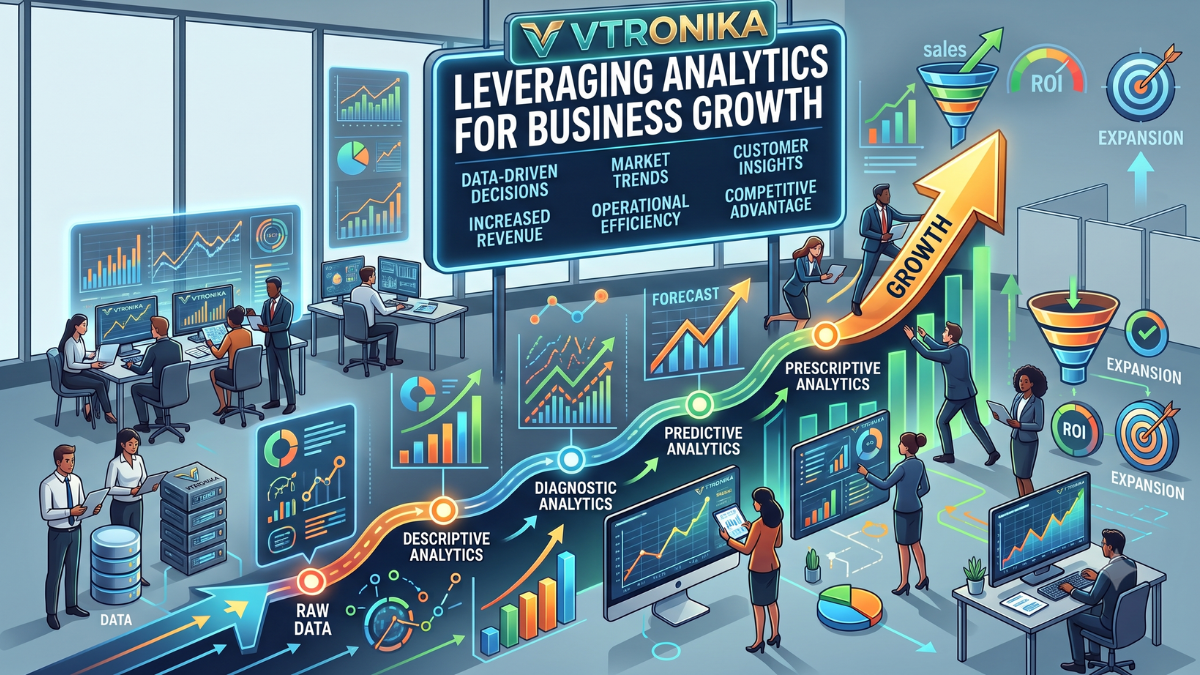
Uncertainty remains one of the greatest risks in commerce, but Next-Gen intelligent solutions minimize this through predictive analytics. By leveraging historical data, statistical algorithms, and machine learning models, predictive analytics forecasts future trends, customer habits, and potential market risks.
For example, a retail company can anticipate inventory demands months ahead, eliminating both overstocking and stockout scenarios. Predictive models shift managers from a reactive posture to a proactive strategy, allowing them to preemptively address operational challenges before they impact the bottom line.
Article 9: Future-Proofing Your Enterprise with Scalable and Secure Digital Strategies
Future-proofing ensures an enterprise remains resilient against disruptive technological shifts or macroeconomic shocks. This requires scalable and secure digital architectures capable of seamlessly absorbing emerging technologies like 5G, IoT, and Quantum Computing.
A scalable system allows new tools and platforms to integrate without destroying legacy infrastructure, while a security framework ensures incoming data streams remain isolated from cyber threats. Future-proof enterprises consistently outperform competitors because they adapt fluidly to continuous transformation.
Article 10: The Ultimate Business Ecosystem: Integrating Intelligence, Scalability, and Security
Combining the three foundational pillars of Next-Gen business solutions—Intelligent, Scalable, and Secure—creates a unified, self-sustaining ecosystem where AI drives insights, cloud infrastructure handles expansion, and advanced security acts as an impenetrable shield.
Within this unified ecosystem, employees shift focus from repetitive manual tasks to strategic innovation, customers enjoy personalized experiences, and executive leadership gains complete peace of mind regarding data protection and investment safety. This Next-Gen approach equips any enterprise to scale into a secure global powerhouse.