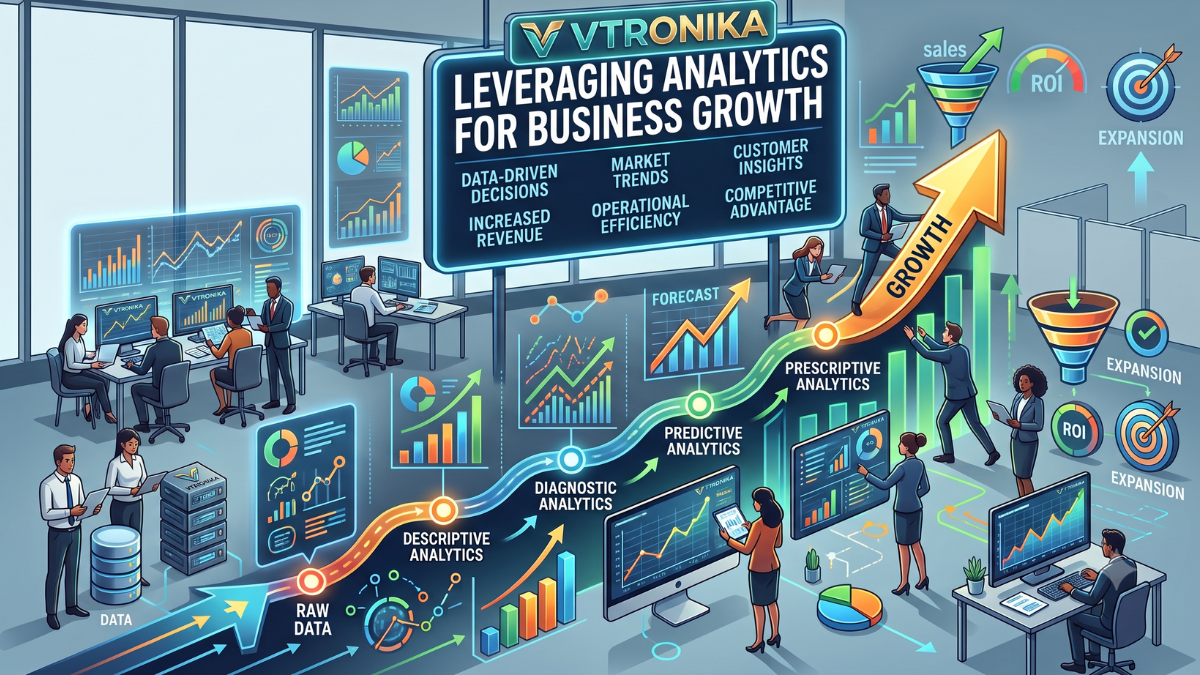


🚀 2026 High-Demand Skills Overview
Article 1: The Rise of AI Integration & Workflow Automation
The online earning ecosystem of 2026 is heavily dominated by artificial intelligence, making traditional, repetitive data tasks completely obsolete and shifting the entire freelance market toward AI Integration and Workflow Automation. Businesses worldwide are actively seeking technical professionals who can seamlessly connect disparate applications using advanced middleware like Zapier, Make.com, and custom Python APIs. This paradigm shift means modern freelancers are earning premium rates by building customized AI customer support agents, designing autonomous internal operations workflows, and training localized LLMs (Large Language Models) for corporate data processing. To thrive in this space, you must move beyond basic prompt generation and master multi-step logic, data mapping, and API webhook infrastructure to help global brands drastically slash operational costs and optimize efficiency.
- Key Skills to Master: Zapier, Make.com, Python scripting, OpenAI & Claude API integration.
- Monetization Strategy: Offer “Automation Audits” to corporate clients and transition them into high-ticket monthly maintenance retainers.
Article 2: Next-Generation Full-Stack Web Development
Simple, static, or templated websites no longer cut it in the highly competitive digital marketplace of 2026, which has caused an unprecedented surge in demand for Next-Gen Web Developers proficient in modern JavaScript frameworks. Global enterprises and tech startups are paying top dollar for full-stack developers specializing in React, Next.js, and complex MERN frameworks to construct blazing-fast, server-side rendered, and ultra-secure web platforms. Furthermore, with the exponential growth of headless e-commerce architectures, developers who can architect custom, scale-ready shopping systems that seamlessly integrate inventory databases with global payment gateways are securing the highest-paying remote contracts. Survival in this competitive arena requires you to prioritize performance optimization, clean code documentation, and robust database management systems like PostgreSQL or MongoDB.
- Key Platforms: Next.js, React, Node.js, TailWind CSS, Supabase.
- Monetization Strategy: Build custom B2B Software-as-a-Service (SaaS) products or offer enterprise-grade web applications on premium freelancing networks.
Article 3: High-Ticket Short-Form Video Engineering
The explosive consumer preference for rapid, highly engaging visual narratives has turned Premium Short-Form Video Editing into an absolute goldmine for digital content creators and freelance video engineers. Platforms like TikTok, Instagram Reels, and YouTube Shorts have forced mainstream brands to aggressively compete for user attention spans that last only a few seconds, elevating the role of the editor from a basic assembly cutter to a strategic audience growth consultant. Top-earning video professionals in 2026 combine masterful pacing, complex motion graphics, synchronized dynamic typography, and psychological retention hooks to prevent users from scrolling past a client’s content. To maximize your earning capacity, you must master industry-standard software like Adobe Premiere Pro and After Effects, while learning how to analyze platform algorithms to structure videos for viral distribution.
- Key Software: Adobe After Effects, DaVinci Resolve, Premiere Pro, Blender (3D Elements).
- Monetization Strategy: Package services into monthly content bundles (e.g., 30 edited shorts per month) for international brands and influencers.
Article 4: Advanced UI/UX Design and Product Prototyping
As international markets become saturated with millions of mobile and web applications, the overall User Experience (UX) and User Interface (UI) design has become the primary differentiator between successful digital products and total business failures. Companies are heavily investing in expert UI/UX designers who possess a deep, psychological understanding of user behavior, user journey mapping, visual hierarchy, and interactive micro-animations. Designing in 2026 requires absolute mastery of design systems within Figma, alongside strict compliance with Web Content Accessibility Guidelines (WCAG) to ensure applications are easily navigable for all demographics. Freelancers who can translate complicated corporate requirements into seamless, intuitive, and highly converting prototypes are successfully positioning themselves as high-value consultants rather than low-cost asset designers.
- Key Design Tools: Figma, Adobe XD, Framer, ProtoPie.
- Monetization Strategy: Partner directly with web development agencies to provide the design phase for major enterprise application rollouts.
Article 5: Data Analytics & Performance Marketing Architecture
Modern online marketing has shifted completely away from vague, generalized creative campaigns and turned heavily toward Data-Driven Performance Marketing and complex traffic analytics. Businesses managing massive marketing spends require seasoned analysts who can dissect complicated user touchpoints, track conversion attribution across multiple ad channels, and configure advanced reporting dashboards. Experts in tools like Google Analytics 4, SQL, Tableau, and Meta/Google Ads platforms are driving immense value by maximizing Return on Ad Spend (ROAS) and capturing high-intent organic traffic through search optimization. If you can combine technical data manipulation with clear, actionable business strategies, you can position yourself at the absolute peak of the remote digital marketing consultant pyramid.
- Key Analytical Stack: Google Analytics 4, SQL, Python data libraries, Google Looker Studio.
- Monetization Strategy: Offer conversion rate optimization (CRO) services to mid-to-large-scale e-commerce stores on a revenue-share model.
Article 6: Organic Growth Engineering via Google Discover & SEO
Capturing high-value organic visibility in 2026 requires digital publishers and web administrators to look far beyond classic keyword stuffing and pivot directly into Google Discover Optimization and Core SEO Engineering. Google’s algorithmic landscape heavily prioritizes authentic, user-centric content that answers specific search intent instantly while maintaining a stellar user experience. Growth engineers are generating massive monthly revenues through programmatic AdSense and high-end affiliate networks by building high-authority niche sites that load instantly and follow strict structural data guidelines. Success in this monetization model demands a meticulous approach to technical on-page SEO, mobile-first design responsiveness, schematic markups, and an unerring ability to capture viral, real-time trends before the competition.
- Core Focus Areas: Core Web Vitals, Schema markup, trend forecasting, user search intent matching.
- Monetization Strategy: Build, optimize, and monetize automated content hubs using Google AdSense, or flip high-traffic digital properties on online marketplaces.
Article 7: Direct Client Acquisition & LinkedIn Inbound Freelancing
The era of relying solely on traditional freelance bidding platforms where millions of users engage in a fierce race to the bottom on pricing has come to an end, making Direct Client Acquisition (DCA) the absolute gold standard for modern professionals. Highly successful freelancers in 2026 treat their personal social media profiles on networks like LinkedIn, Twitter (X), and medium as their active, live portfolios to display their real-world expertise. By consistently publishing informative case studies, showing verifiable breakdowns of past project wins, and implementing automated outbound cold email structures, freelancers are bypassing platform fees entirely. Transitioning from a platform-dependent freelancer to an independent digital agency owner requires an optimized inbound client acquisition system built on authority, trust, and professional networking.
- Primary Vectors: LinkedIn organic publishing, outbound email engines, Twitter (X) authority building.
- Monetization Strategy: Secure high-ticket, long-term B2B retainer agreements ranging from $2,000 to $5,000+ per month per client.
Article 8: Low-Code & No-Code Software Development
The democratization of software engineering has opened an incredible avenue for non-technical freelancers through Low-Code and No-Code Application Development. Small to medium-sized businesses that lack the multi-million dollar budgets required for traditional software engineering teams are eagerly turning to platforms like Webflow, Bubble, and FlutterFlow to launch custom internal software solutions. Freelancers operating in this space can build visually stunning websites, fully functional mobile apps, and deep relational databases in a fraction of the time it takes to write raw code. By mastering visual logic, database architectures, and API integrations, no-code developers can bridge the gap between rapid delivery times and highly complex business requirements.
- Core Frameworks: Bubble, Webflow, FlutterFlow, Glide, Xano.
- Monetization Strategy: Provide rapid-prototype MVP (Minimum Viable Product) development services for early-stage startup founders.
Article 9: AI Data Annotation, Labeling, & Training Infrastructure
Behind every highly capable artificial intelligence model lies an immense architecture of curated data, giving birth to a highly lucrative freelance field known as AI Data Annotation and Structural Labeling. AI enterprises are continuously outsourcing massive datasets to specialized freelancers who can accurately categorize, tag, and clean multimodal data (text, images, and video) to optimize neural network training. This field has evolved from simple click-work into highly specialized domain annotation, where professionals with backgrounds in law, coding, finance, or medicine are hired to critique, refine, and grade AI responses. Developing an edge in this growing industry requires deep analytical accuracy, a solid understanding of data formatting, and proficiency with enterprise annotation platforms.
- In-Demand Capabilities: Text tokenization, semantic segmentation, reinforcement learning from human feedback (RLHF).
- Monetization Strategy: Contract directly with AI development laboratories and premium crowdsourced data platforms for specialized enterprise-grade labeling.
Article 10: Monetizing Micro-Digital Products & Knowledge Assets
One of the most sustainable, stress-free, and scalable online earning models involves the creation and monetization of High-Value Micro-Digital Products. Instead of constantly trading finite hours for freelance client dollars, creators are packaging their niche expertise into reusable assets like advanced Notion setups, specific AI prompt frameworks, template libraries, and targeted checklists. These digital assets require an initial upfront investment of time to create but can be sold indefinitely to a global audience with near-zero marginal manufacturing or shipping costs. By leveraging organic content ecosystems on platforms like YouTube and Twitter, creators can build an automated, highly profitable passive income stream that runs quietly in the background.
- Product Categories: Premium Figma toolkits, automated spreadsheet models, developer design boilerplate kits, structured workflows.
- Monetization Strategy: Launch on platforms like Gumroad, Lemon Squeezy, or your own headless e-commerce store, driving continuous traffic via strategic content marketing.
For a deeper dive into the exact high-income skills reshaping the remote work landscape right now, watch this detailed guide on 10 High-Income Skills You Can Learn From Home (2026). This breakdown is exceptionally useful for aligning your freelance strategy with current corporate demands and market accessibility trends.
| Skill Category | Top Tools & Frameworks | Monetization Channels |
| Advanced Web Dev | Next.js, MERN Stack, Python | Premium Clients, Custom SaaS |
| AI & Automation | Zapier, Make.com, OpenAI API | Business Consulting, Automation Services |
| High-End Editing | Premiere Pro, After Effects, 3D Tools | Brand Retainers, Social Media Growth |
| Traffic & Growth | SEO, Google Discover, Meta Ads | AdSense Blogs, E-commerce Stores |