Article 1: Generative AI in the Design Studio — From Moodboard to Machine Synthesis
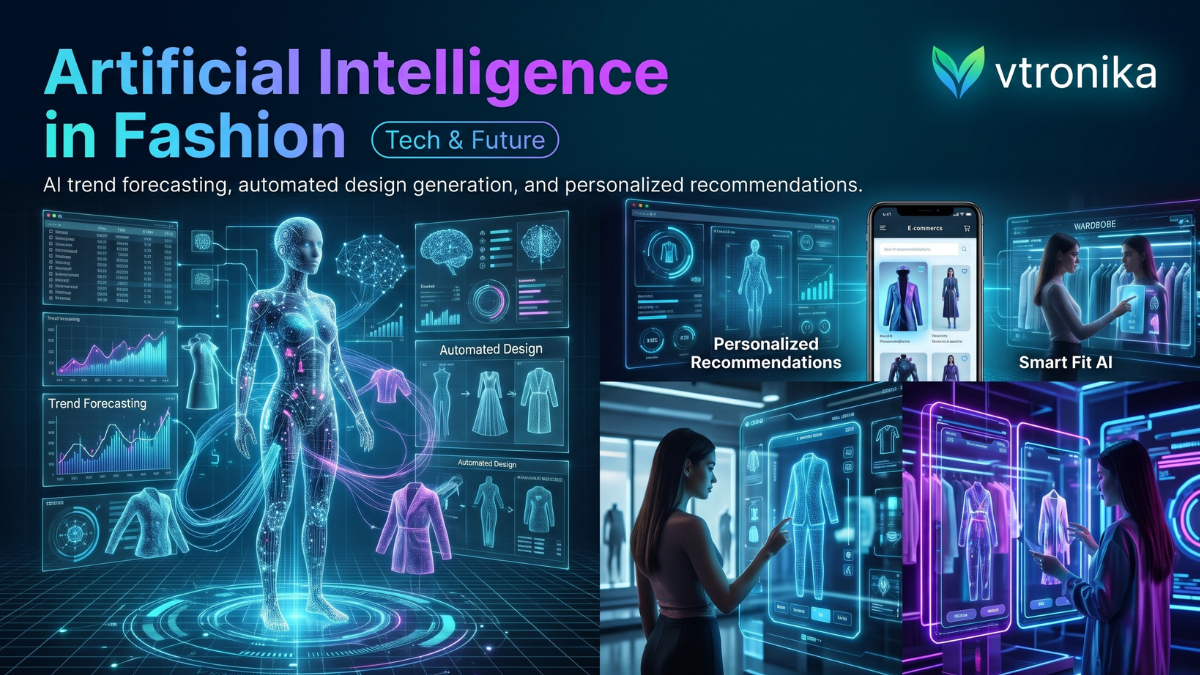
The traditional fashion design pipeline begins with physical sketches, swatch libraries, and months of sample iterations. Generative AI is reshaping this inception phase by turning text prompts, image inputs, and historical brand archives into production-ready concepts in minutes. Creative teams now use neural diffusion models to explore hundreds of silhouette variations, color palettes, and pattern placements before committing resources to physical fabric.
Rather than replacing human designers, generative tools serve as iterative partners. Designers adjust parameters like fabric drape, seam placement, and surface texture in real time. This workflow shortens early conceptual phases from months to days, allowing ateliers to react quickly to emerging cultural movements while keeping creative direction in human hands.
- Prompt-to-Pattern Generation: Translating natural-language design briefs directly into flat pattern approximations and colorways.
- Archival Remixing: Feeding legacy brand collections into private AI models to generate modern reinterpretations aligned with brand heritage.
- Rapid Concept Iteration: Testing dozens of seasonal concepts in digital mockups before approving physical prototyping runs.
Article 2: 3D Virtual Prototyping & Digital Draping — Eliminating Sample Waste
Sample creation has historically been one of apparel’s most wasteful and time-intensive phases. Brands typically cut, sew, and ship multiple physical prototypes between design studios and overseas factories to finalize fit and construction. Advanced 3D simulation tools (such as CLO 3D, Browzwear, and Style3D) are replacing this loop with physics-accurate digital garments.
These platforms simulate real-world textile physics: weave density, stretch resistance, shear stiffness, and weight. Designers drape virtual garments onto precise digital avatars, viewing stress maps and seam tension to identify fit issues on screen. Moving to digital sampling cuts physical textile waste by up to 80% and accelerates the production calendar.
- Tension and Pressure Mapping: Visual color gradients highlight where a garment pulls or bags on an avatar, preventing pattern errors before cutting.
- Digital Material Libraries: Swatch books digitized into photorealistic rendering profiles that accurately display luster, grain, and fold behavior.
- Direct-to-Pattern Export: Exporting approved 3D renders straight into 2D CAD cutting software ready for computerized laser tables.
Article 3: Algorithmic Trend Forecasting — Scraping Culture for Commercial Intelligence
Traditional trend forecasting relied on editorial intuition, travel observation, and bi-annual runway reviews. In the digital economy, trend forecasting is driven by real-time big data and machine learning. Algorithms analyze social video feeds, search engine queries, music streaming aesthetics, and street-style photography to predict consumer demand before it peaks.
By monitoring keyword spikes, image engagement rates, and geo-tagged styling posts, computer vision models track micro-trends as they transition from underground subcultures to mainstream adoption. This predictive intelligence helps brands balance inventory allocations, reducing overproduction of declining styles while ramping up supply for surging trends.
- Visual Sentiment Analysis: Computer vision models quantify changes in color palettes, hemline heights, and footwear silhouettes across social platforms.
- Search Intent Modeling: Tracking query growth curves across global search engines to forecast seasonal purchase readiness.
- Inventory Optimization: Aligning factory production schedules directly with algorithmic demand predictions to minimize end-of-season markdown deadstock.
Article 4: Augmented Reality & Spatial Computing — The Virtual Try-On Revolution
Sizing discrepancies and fit uncertainty remain major hurdles for online fashion retail, driving high return rates that erode margins and generate packaging waste. Augmented reality (AR) and smartphone sensor suites (such as LiDAR) are addressing this challenge by bringing virtual fitting rooms to mobile screens.
Using computer vision and facial/body tracking, virtual try-on tools project photorealistic digital garments onto a user’s live camera feed. Shoppers can evaluate fit, check hem lengths, and observe how fabrics drape as they move. By improving sizing confidence, AR integrations increase checkout conversion rates while significantly lowering return rates.
- LiDAR Volumetric Scanning: Scanning personal body dimensions with mobile devices to build accurate, privacy-compliant 3D avatars.
- Real-Time Fabric Physics: Rendering natural motion and cloth folding as the shopper moves or turns in front of their mobile lens.
- Accessory & Eyewear Tracking: Precise facial and foot tracking that lets consumers test optical frames, hats, and sneakers with accurate scale.
Article 5: Social Commerce & Creator-Led Retail — The Disruption of Department Stores
Social media platforms have evolved beyond discovery channels into fully integrated digital storefronts. Instagram Shop, TikTok Shop, and YouTube Shopping allow users to move from video discovery to final checkout within a single app. This frictionless path to purchase has decentralized style authority, shifting influence from corporate marketing teams to independent digital creators.
Creator-led commerce relies on personal connection and authenticity. Micro-creators provide unfiltered reviews, styling tips, and sizing advice through relatable “get ready with me” (GRWM) videos. By integrating affiliate tagging directly into short-form content, platforms turn organic lifestyle moments into trackable sales channels.
- In-App Zero-Friction Checkout: Eliminating external browser redirects with native payment systems like Apple Pay and integrated platform wallets.
- Micro-Influencer Affiliate Networks: Monetizing niche audiences through tracked garment tagging that attributes sales straight to individual creators.
- Algorithmic Style Feeds: Personalizing discovery feeds to show apparel tailored to a user’s specific subculture, body shape, and price preferences.
Article 6: Live-Stream Shopping — The Digital Evolution of Interactive Retail
Popularized across Asian e-commerce markets and expanding globally, live-stream shopping combines elements of interactive gaming, home shopping television, and social connection. Broadcast hosts model garments in real time, adjust outfits based on viewer chat requests, and answer questions about fabric hand-feel, fit, and sizing.
The interactive nature of live-stream retail drives conversion through time-limited flash discounts, limited stock counters, and real-time community chat. Viewers experience the shared atmosphere of a busy boutique while shopping from home, making live shopping an effective format for seasonal drops and product launches.
- Real-Time Fit Demonstrations: Hosts adjust garments live, showing how pieces look pinned, styled, or paired with complementary layers.
- Urgency-Driven Purchasing: Timed flash discounts and visual inventory counters that motivate quick checkout decisions.
- Direct Host-Shopper Interaction: Answering individual comments regarding stretch, fabric thickness, and sizing comparisons live on stream.
Article 7: Hyper-Personalization — Machine Learning and Dynamic Product Catalogs
Static online storefronts where every visitor sees the same homepage are becoming obsolete. Modern e-commerce uses machine learning to generate personalized shopping experiences tailored to each user’s browsing history, climate, location, and stylistic preferences.
Dynamic recommendation engines analyze real-time session behavior—such as zoom duration, scroll depth, and color filter selections—to assemble bespoke product catalogs. If a shopper consistently views neutral tones and relaxed fits, the storefront automatically prioritizes those silhouettes across category pages, reducing search friction and boosting average order value.
- Contextual Catalog Sorting: Re-ordering search results and category pages based on individual browsing history and past purchases.
- Climate-Adaptive Merchandising: Highlighting seasonal outerwear or lightweight summer pieces based on the user’s localized real-time weather.
- Dynamic Bundle Recommendations: Suggesting accessories, footwear, and outer layers that match the aesthetic of garments currently in the user’s cart.
Article 8: The Metaverse & Digital Assets — Fashion Beyond the Physical World
As digital presence across gaming, social platforms, and virtual workspaces becomes an integral part of personal identity, the demand for purely digital fashion continues to grow. Virtual garments—designed without physical material constraints—allow wearers to experiment with animated textiles, shifting colors, and avant-garde silhouettes.
Major luxury fashion houses and digital-native studios design exclusive collections for gaming ecosystems (such as Roblox, Fortnite, and Unreal Engine environments) as well as AR camera filters. These digital assets carry high gross margins because they involve no raw materials, warehousing, or physical shipping logistics, unlocking scalable, zero-waste revenue streams.
- In-Game Skins & Digital Identity: Designing branded virtual apparel and accessories for gaming avatars in open-world platforms.
- Digital-Only Haute Couture: Releasing conceptual digital garments for fashion editorials, influencer avatars, and virtual red carpets.
- Zero-Waste Creative Expression: Exploring complex, sculptural garment concepts that defy gravitational or physical manufacturing limits.
Article 9: Blockchain & Digital Product Passports — Supply Chain Transparency
Greenwashing claims and counterfeit luxury goods cost the global fashion industry billions each year while eroding customer trust. To combat fraud and prove authenticity, brands are deploying blockchain infrastructure, decentralized ledgers, and Digital Product Passports (DPPs).
Stitched-in NFC chips or scannable QR codes link each physical garment to a secure digital record on the blockchain. Customers can scan the garment with their smartphone to view verified details: where the cotton was farmed, which mill dyed the yarn, the factory’s fair-labor certifications, and an immutable certificate of authenticity that simplifies secondary-market resale.
- Cryptographic Authenticity: Verifying genuine designer goods on resale marketplaces using embedded NFC chips linked to decentralized tokens.
- Farm-to-Closet Provenance: Providing verified records of agricultural origin, water consumption, and chemical safety certifications.
- Resale & Royalty Integration: Smart contracts that automatically route a percentage of secondary-market resale revenue back to the original brand or designer.
Article 10: Digital Twins & Phygital Merchandising — Blending Physical and Virtual Closets
The concept of “phygital” retail bridges physical clothing with digital utility. When a customer purchases a physical garment, they also receive an authenticated “digital twin”—a high-fidelity 3D digital asset formatted for use across metaverses, social filters, and digital games.
This dual-ownership model expands how consumers use their purchases. A customer can wear a luxury jacket to a dinner party in the physical world while dressing their virtual avatar in the identical digital piece for an online conference or virtual hangout. This approach doubles the visibility and value of high-ticket fashion investments.
- The Paired Ownership Model: Bundling a physical runway garment with an interoperable 3D file for virtual worlds and games.
- Interactive Connected Tags: Embedding tags in physical garments that unlock exclusive digital events, music drops, or community perks when tapped.
- Seamless Avatar Integration: Standardizing 3D garment file formats (such as glTF and USDZ) so digital clothing fits across various virtual platforms.
Article 11: Automated Fulfillment & Robotic Micro-Warehouses in Fashion Logistics
Behind every seamless digital checkout lies a complex backend logistics network. The demands of modern e-commerce—same-day dispatch, accurate picking, and handling high return volumes—have spurred rapid automation across fashion fulfillment centers.
Autonomous mobile robots (AMRs), automated storage and retrieval systems (ASRS), and computer-vision sorting arms navigate multi-story warehouses to retrieve, fold, and pack garments in minutes. Automated sorting systems process returned apparel rapidly: scanning barcodes, checking for defects, and restocking inventory to keep supply moving efficiently.
- Autonomous Mobile Robots (AMRs): Fleet robots that transport garment bins directly to human pack stations, minimizing transit time across warehouses.
- Computer-Vision Sorting: High-speed optical scanners that sort thousands of folded garments per hour by SKU and destination hub.
- Automated Reverse Logistics: Streamlined intake stations that inspect, steam, and repack returned items within hours to maintain active inventory.
Article 12: The Ethics of Digital Fashion — Algorithmic Bias, Data Privacy, and IP Theft
While technological integration drives efficiency, it also introduces ethical, legal, and social challenges that the fashion industry must navigate carefully. Algorithmic bias in computer vision models, customer data privacy in body scanning, and intellectual property theft through generative AI tools present real concerns for modern brands.
Generative design models trained on public web images can inadvertently replicate proprietary silhouettes from independent designers without attribution or compensation. Furthermore, storing volumetric 3D body scans and biometric measurements introduces high-stakes privacy responsibilities. Balancing technological adoption with ethical safeguards is essential for building a fair, sustainable digital future.
- Generative Intellectual Property: Defining legal frameworks to protect independent designers from unauthorized AI model training on their creative portfolios.
- Biometric Data Stewardship: Encrypting customer 3D body-scan files and sizing data to prevent unauthorized commercial exploitation.
- Inclusive Algorithmic Training: Ensuring virtual fit models and AI datasets represent diverse skin tones, hair textures, and body proportions.