Article 1: Autonomous Enterprise – The Convergence of AI and Cognitive Automation
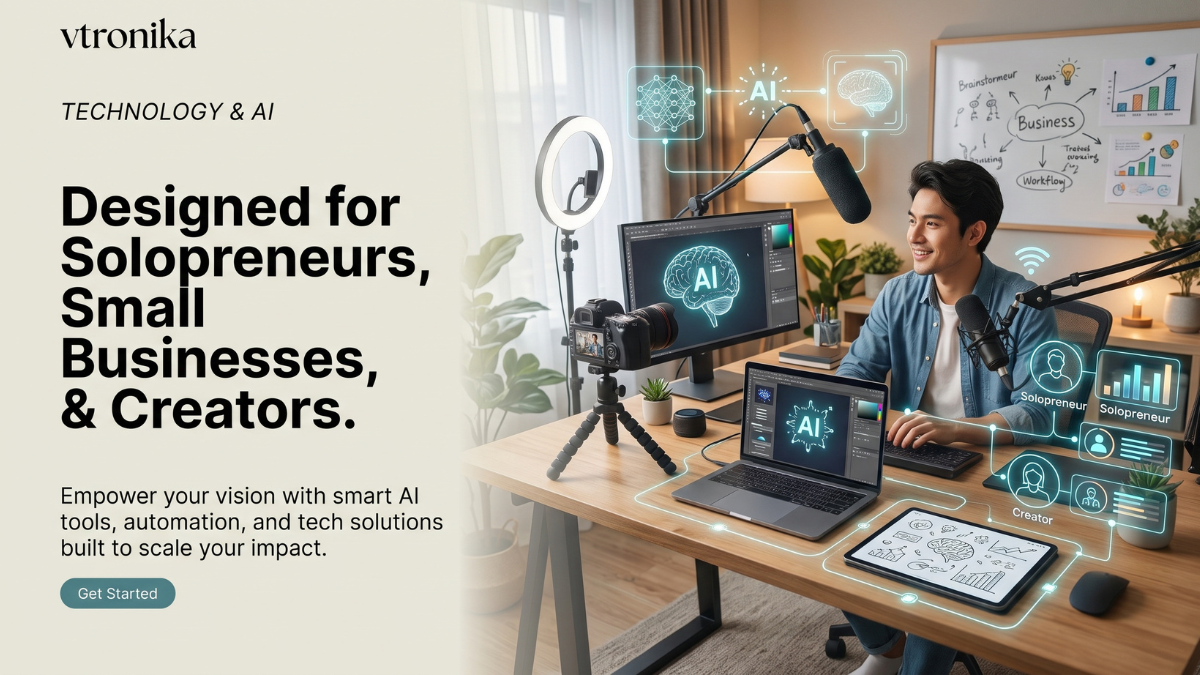
Artificial intelligence and robotic process automation have moved beyond experimental pilots, forming the backbone of modern corporate operations. Modern cognitive automation combines machine learning, deep neural networks, and natural language processing to handle unstructured data, analyze complex trends, and execute high-stakes tasks without manual intervention.
Unlike legacy automation, which adhered strictly to rigid rule sets, AI-driven automation adapts to evolving inputs in real time. Organizations apply these capabilities across predictive inventory management, dynamic pricing models, automated document processing, and customer support channels. By automating complex operational tasks, companies lower operating expenses, eliminate human error, and free skilled teams to focus on strategic growth and innovation.
Article 2: Zero-Trust Cybersecurity – Securing Decentralized Architectures
The rise of multi-cloud ecosystems, edge nodes, and distributed workforces has rendered traditional perimeter firewalls obsolete. The modern threat landscape demands a Zero-Trust Architecture built on an uncompromising principle: never trust, always verify. Every access request—regardless of origin or user identity—undergoes continuous authentication, authorization, and cryptographic inspection.
Zero-trust frameworks enforce micro-segmentation, dynamic identity governance, and strict least-privilege access rules. If an attacker breaches an endpoint, micro-segmentation prevents lateral movement across the internal network. Combined with hardware-backed multi-factor authentication (MFA) and granular session monitoring, zero-trust architectures protect mission-critical workloads across hybrid enterprise environments.
Article 3: Tailored Engineering – Why Custom Software Outperforms Off-The-Shelf Solutions
Commercial off-the-shelf software often imposes functional bottlenecks, forcing enterprises to adapt their operational workflows to generic software patterns. In contrast, purpose-built custom software provides tailored architectures engineered around an organization’s proprietary workflows, regulatory constraints, and scaling goals.
Custom software development leverages modern cloud-native principles, containerization, and modular microservices. This design allows teams to refactor, upgrade, or replace specific business modules without disrupting core operations. Custom engineering secures intellectual property rights, eliminates ongoing licensing expenses, and accelerates response times to evolving market opportunities.
Article 4: Industrial IoT (IIoT) and Edge Telemetry – Transforming Physical Operations
The Internet of Things (IoT) bridges software analytics and physical hardware, converting industrial machinery, shipping fleets, and public infrastructure into continuous telemetry pipelines. Embedded sensors track temperature, acoustic vibration, hydraulic pressure, and power consumption, transmitting critical operational metrics in real time.
Industrial deployments increasingly utilize edge computing nodes to process data locally at the source, bypassing the latency of centralized cloud round-trips. Edge devices run lightweight machine learning models to detect mechanical anomalies instantly, automatically cutting power or re-routing workloads to prevent equipment failures. This predictive maintenance strategy prevents costly factory shutdowns and extends equipment lifespans.
Article 5: Autonomous AI-Driven Cyber Defense – Countering Machine-Speed Threats
Modern cyberattacks deploy self-propagating malware, polymorphic exploit kits, and automated vulnerability scanners operating at machine speed. Manual defensive responses cannot match this pace. Modern defense relies on AI-powered Security Information and Event Management (SIEM) alongside Security Orchestration, Automation, and Response (SOAR) platforms.
These intelligent defense systems evaluate trillions of security telemetry events across endpoints, virtual networks, and identities. By identifying subtle behavioral deviations—such as unusual lateral data transfers, unexpected token creation, or credential stuffing—the AI isolates compromised assets, revokes user permissions, and blocks malicious IPs within milliseconds. Autonomous defense shortens incident dwell times from months to seconds.
Article 6: The API Economy – Bridging Legacy Systems with Custom Cloud Architecture
Enterprises often balance modern digital initiatives against complex legacy mainframes and databases that carry years of critical business records. Scrapping these core systems outright is cost-prohibitive and introduces operational risk. Custom software engineering bridges this divide through API management and microservices integration.
Engineers wrap legacy platforms in secure RESTful and GraphQL APIs, turning isolated databases into functional data endpoints for modern web and mobile apps. Decoupling the frontend presentation layer from backend systems allows organizations to deploy cloud-native microservices at their own pace. This approach modernizes the user experience while maintaining the stability of core transactional databases.
Article 7: Smart Infrastructure and Connected Environments – The Scale of IoT Integration
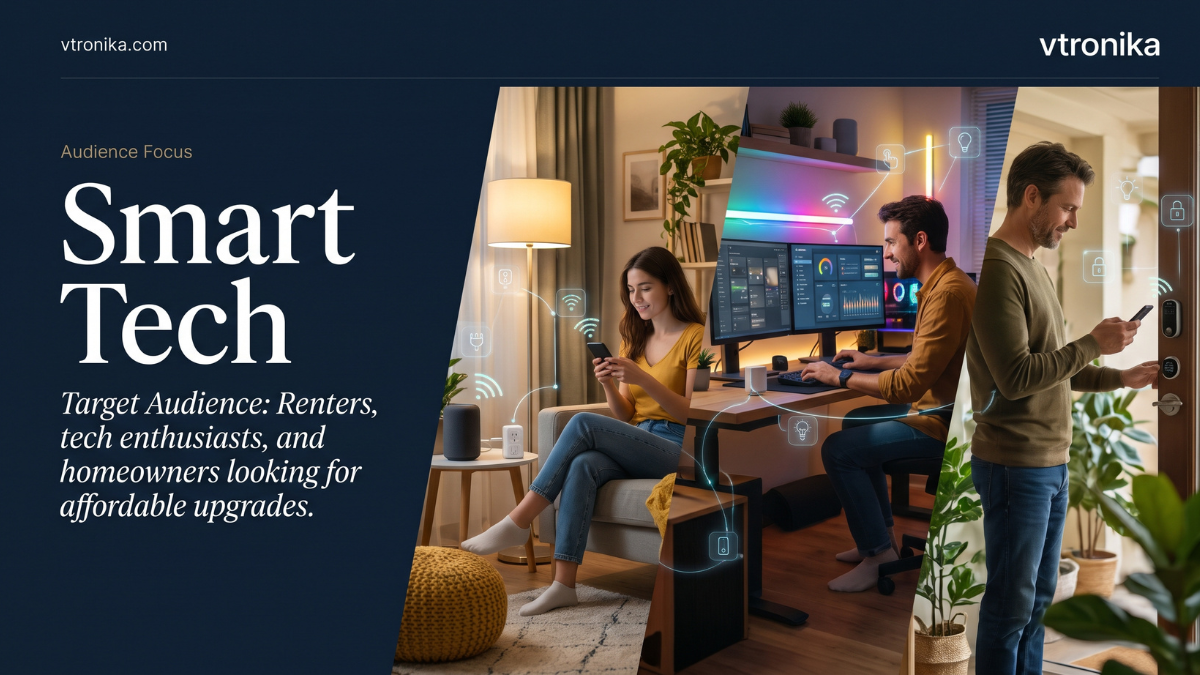
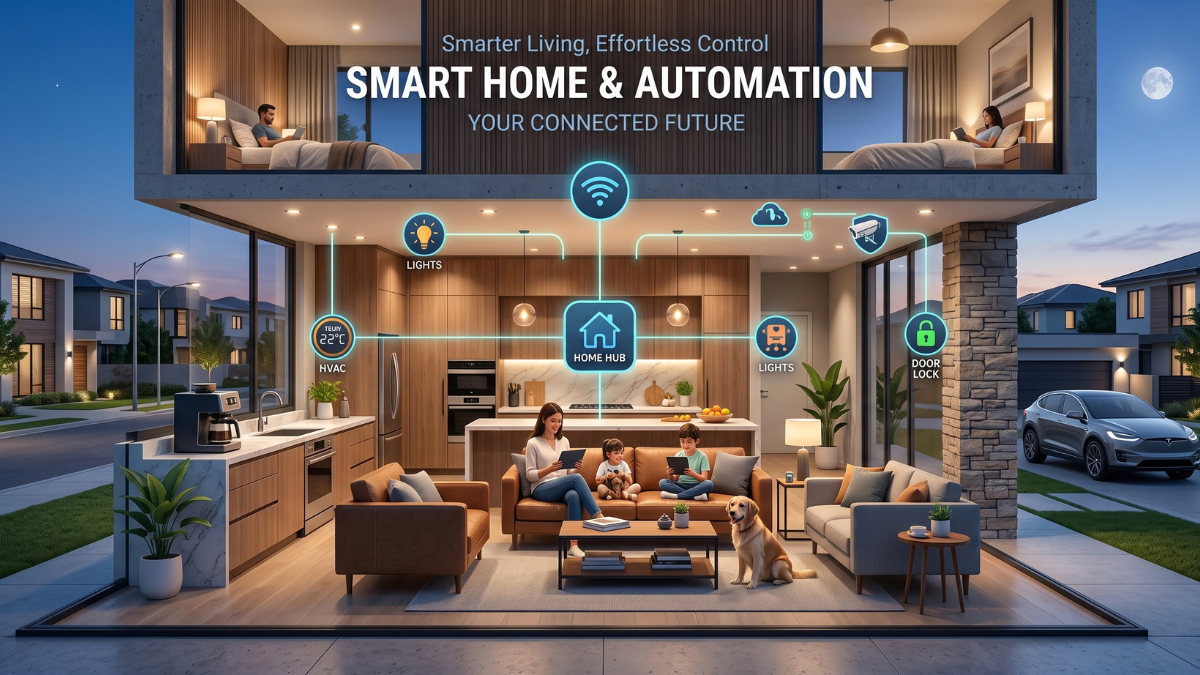
IoT integration has expanded beyond industrial floors into commercial facilities, municipal grids, and healthcare hubs. Interconnected sensor arrays transform static concrete structures into responsive, energy-efficient environments.
Intelligent environmental systems analyze occupancy patterns and external weather data to optimize HVAC operation and lighting in real time, significantly lowering energy use and operational overhead. In healthcare, connected telemetry patches and diagnostic devices continuously track patient vital signs, alerting clinical staff to anomalies before complications arise. Reliable IoT networks demand secure wireless protocols—such as Zigbee, Thread, LoRaWAN, and private 5G—to maintain persistent, low-power device communication.
Article 8: Shift-Left Security (DevSecOps) – Embedding Code Protection from Day One
Traditionally, cybersecurity reviews were conducted at the final stage of software development, often delaying deployments or resulting in rushed fixes that left latent vulnerabilities in production code. The DevSecOps methodology corrects this by shifting security practices to the initial phases of the software development lifecycle.
Static Application Security Testing (SAST) and dynamic scanning run directly within continuous integration and continuous deployment (CI/CD) pipelines. Every code commit is evaluated for known Common Vulnerabilities and Exposures (CVEs), hardcoded access tokens, and memory safety flaws. Automated checks identify insecure dependencies and misconfigured containers before code reaches production, reducing bug remediation costs and accelerating release velocity.
Article 9: Big Data Pipelines – Turning Industrial Sensor Telemetry into Business Strategy
Deploying thousands of IoT devices produces massive volumes of time-series data, network metrics, and log files. Raw telemetry holds little business value without robust data engineering pipelines to ingest, clean, and analyze high-velocity streams.
Modern data infrastructures direct sensor outputs through scalable streaming platforms like Apache Kafka before routing them into distributed cloud data lakes and analytical warehouses. Specialized time-series databases store chronological telemetry records, allowing analytical engines to identify seasonal fluctuations, model asset degradation, and run Monte Carlo simulations. Converting real-time sensor streams into visual management dashboards equips leadership with data-backed operational insight.
Article 10: The Unified Tech Stack – Harmonizing AI, Security, Custom Code, and IoT
True digital transformation occurs when AI, cybersecurity, custom software, and IoT integration function together as a unified system rather than disconnected tools. Each discipline strengthens the others, creating an agile, secure operational ecosystem.
Custom software builds the core architecture; IoT endpoints gather environmental and operational data; artificial intelligence extracts actionable patterns from those telemetry streams; and zero-trust cybersecurity protects the entire network against unauthorized access. Organizations that align and coordinate these four foundational pillars establish resilient operations, lower ongoing costs, and position their businesses to adapt swiftly to technological shifts.