Article 1: The Convergence of Artificial Intelligence and Robotics
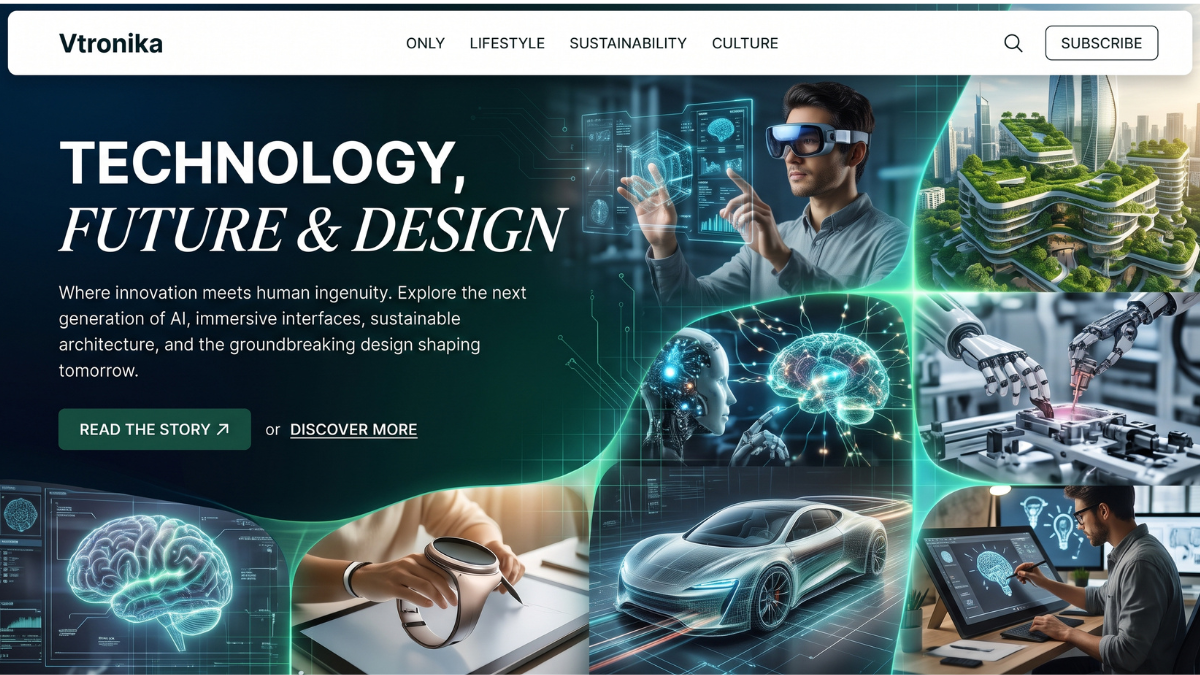
The integration of Artificial Intelligence (AI) and robotics marks the dawn of a new technological era. Historically, robots were blind machines programmed to perform highly repetitive, pre-defined tasks. Today, AI serves as the “brain” of these machines, allowing them to perceive their environment, make real-time decisions, and learn from experience through machine learning algorithms.
- Key Detail: Modern robots use computer vision and natural language processing (NLP) to interact safely with humans.
- Impact: This convergence enables “cobots” (collaborative robots) to work alongside humans in dynamic environments, from factory floors to corporate offices, adapting to unpredictable changes rather than just following rigid scripts.
Article 2: Robotics in Healthcare and Precision Medicine
Advanced robotics has completely revolutionized the medical field, turning science fiction into reality. Surgical robots, such as the da Vinci Surgical System, allow surgeons to perform complex procedures with unparalleled precision, flexibility, and control.
- Key Detail: These systems translate a surgeon’s hand movements into smaller, highly precise movements of tiny instruments inside the patient’s body.
- Impact: The use of robotics in surgery leads to smaller incisions, reduced blood loss, minimal scarring, and significantly faster recovery times. Furthermore, remote surgery (telesurgery) is becoming a reality, allowing top surgeons to operate on patients located thousands of miles away using 5G technology.
Article 3: Autonomous Vehicles and the Future of Mobility
The transportation sector is undergoing a massive disruption thanks to autonomous vehicles (AVs) and robotic drones. Powered by a combination of AI, LiDAR (Light Detection and Ranging), radar, and complex sensor networks, self-driving cars can navigate busy city streets without human intervention.
- Key Detail: AI algorithms process terabytes of sensor data per second to detect pedestrians, interpret traffic signals, and predict the behavior of other drivers.
- Impact: Beyond personal commuting, autonomous trucks and delivery drones are reshaping global logistics. By eliminating human error—which accounts for the vast majority of traffic accidents—AVs promise to make roads significantly safer while optimizing fuel consumption and reducing traffic congestion.
Article 4: Smart Agriculture and the Rise of Agribots
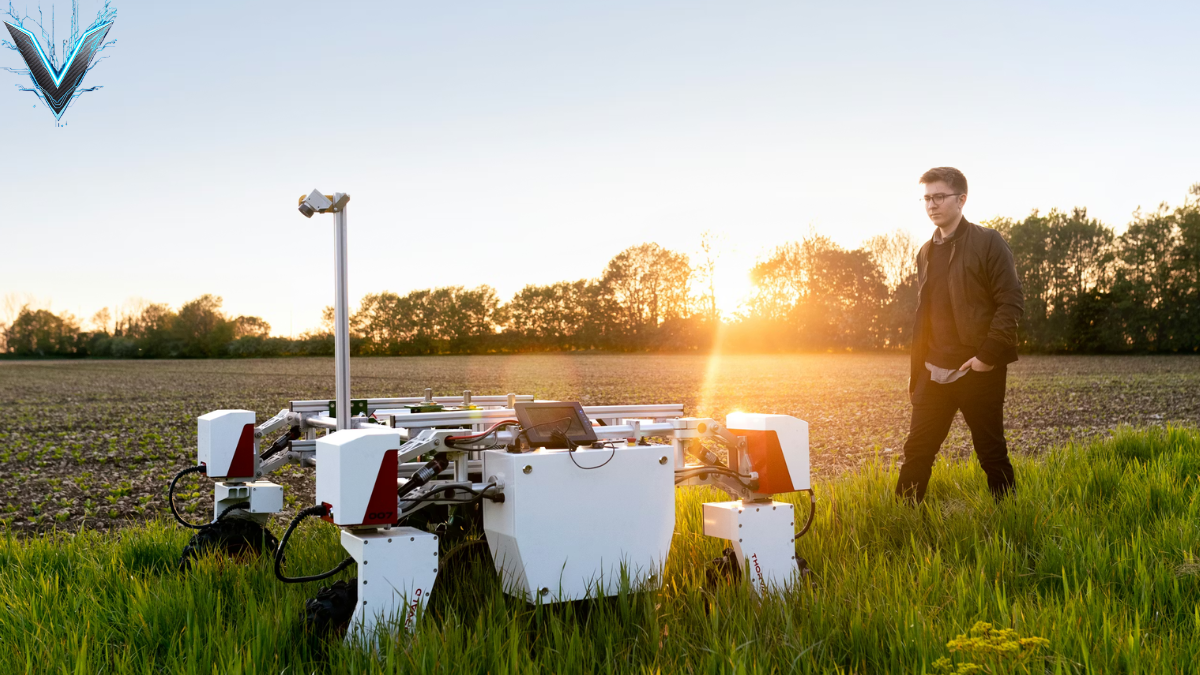
With the global population rising rapidly, advanced technology is stepping in to secure the world’s food supply. Agricultural robots, or “agribots,” are automating farming processes to maximize yields and minimize waste.
- Key Detail: Drones equipped with multispectral imaging can scan thousands of acres to identify nutrient deficiencies or pest infestations at an early stage. Ground robots are used for automated seeding, weed control, and even the delicate harvesting of fruits.
- Impact: Smart farming reduces the need for harmful chemical pesticides and optimizes water usage through precise, targeted delivery. This ensures a more sustainable, eco-friendly approach to agriculture while increasing overall food production.
Article 5: Space Exploration and Extraterrestrial Rovers
Space is an incredibly hostile environment for humans, making robotics the cornerstone of cosmic exploration. Autonomous rovers, probes, and robotic arms are essential for investigating distant planets, moons, and asteroids.
- Key Detail: NASA’s Mars rovers (like Perseverance) are equipped with autonomous navigation software that allows them to plot safe paths across the rocky Martian terrain without waiting for delayed commands from Earth.
- Impact: These robots conduct chemical analysis, search for signs of ancient life, and prepare the groundwork for future human colonization. In orbit, robotic arms on the International Space Station (ISS) perform vital maintenance and capture visiting supply spacecraft.
Article 6: Nanorobotics: The Microscopic Revolution
One of the most exciting frontiers in advanced technology is nanorobotics—the engineering of robots at the microscopic, nanoscale level (one billionth of a meter). While still largely in the research and development phase, nanobots hold incredible potential.
- Key Detail: In medicine, nanorobots are being designed to navigate the human bloodstream to deliver targeted cancer treatments directly to tumor cells, leaving healthy tissue untouched.
- Impact: Beyond drug delivery, nanorobots could theoretically be used for cellular repair, clearing arterial blockages, and even altering human DNA to cure genetic diseases. This technology promises to shift medicine from reactive treatments to proactive, microscopic maintenance.
Article 7: Industrial Automation and the 4th Industrial Revolution
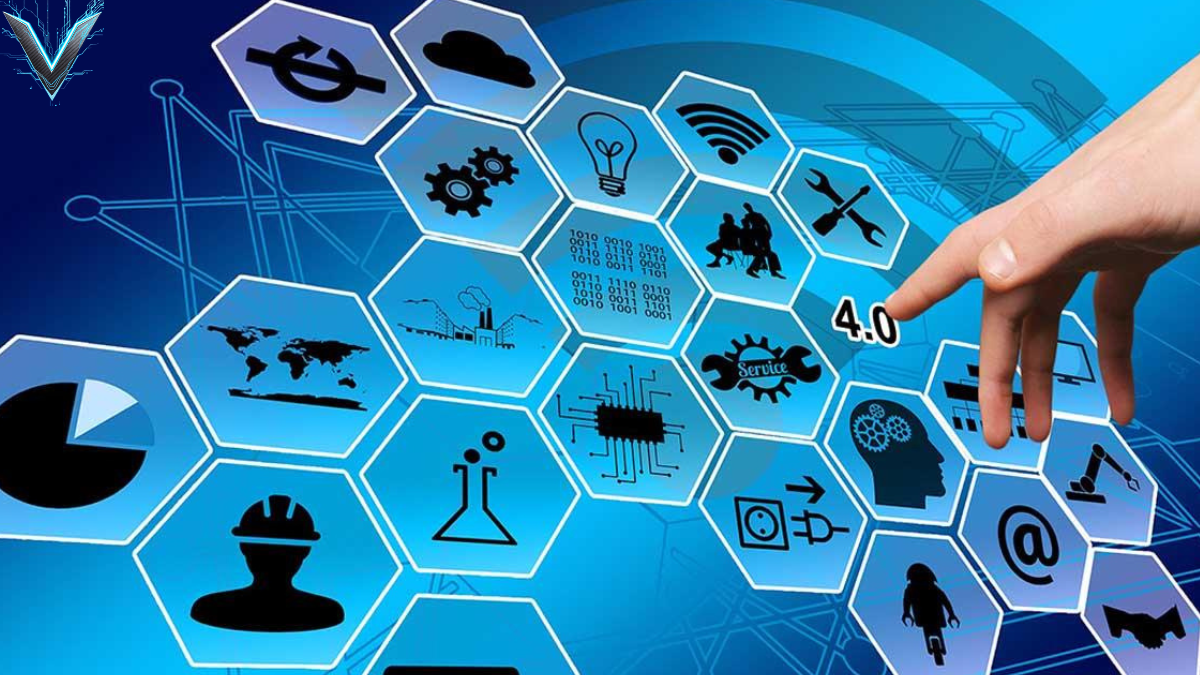
The manufacturing sector has been the traditional home of robotics, but the 4th Industrial Revolution (Industry 4.0) has elevated this to a new level. Modern factories are fully interconnected, data-driven ecosystems.
- Key Detail: The Internet of Things (IoT) connects physical robots to digital networks, allowing them to communicate with one another to optimize the supply chain in real-time. Predictive maintenance AI alerts engineers before a robotic part breaks down.
- Impact: This hyper-automation leads to “dark factories”—manufacturing plants that can operate entirely in the dark without human intervention. This dramatically lowers production costs, accelerates manufacturing cycles, and ensures absolute product consistency.
Article 8: Disaster Management and Search & Rescue Robots
In the aftermath of natural disasters such as earthquakes, floods, or nuclear accidents, human rescue teams face immense dangers. Advanced robotics provides a safe, highly effective alternative for search and rescue operations.
- Key Detail: Snake-like robots can navigate deep into the rubble of collapsed buildings to locate survivors using thermal imaging and carbon dioxide sensors. Firefighting drones can extinguish blazes in high-rise buildings, while autonomous submersibles map underwater wreckage.
- Impact: By deploying robots in hazardous environments—such as the highly radioactive zones of Fukushima—we can assess damage, deliver emergency supplies, and locate victims rapidly without putting first responders’ lives on the line.
Article 9: Domestic Robotics and the Smart Home Ecosystem
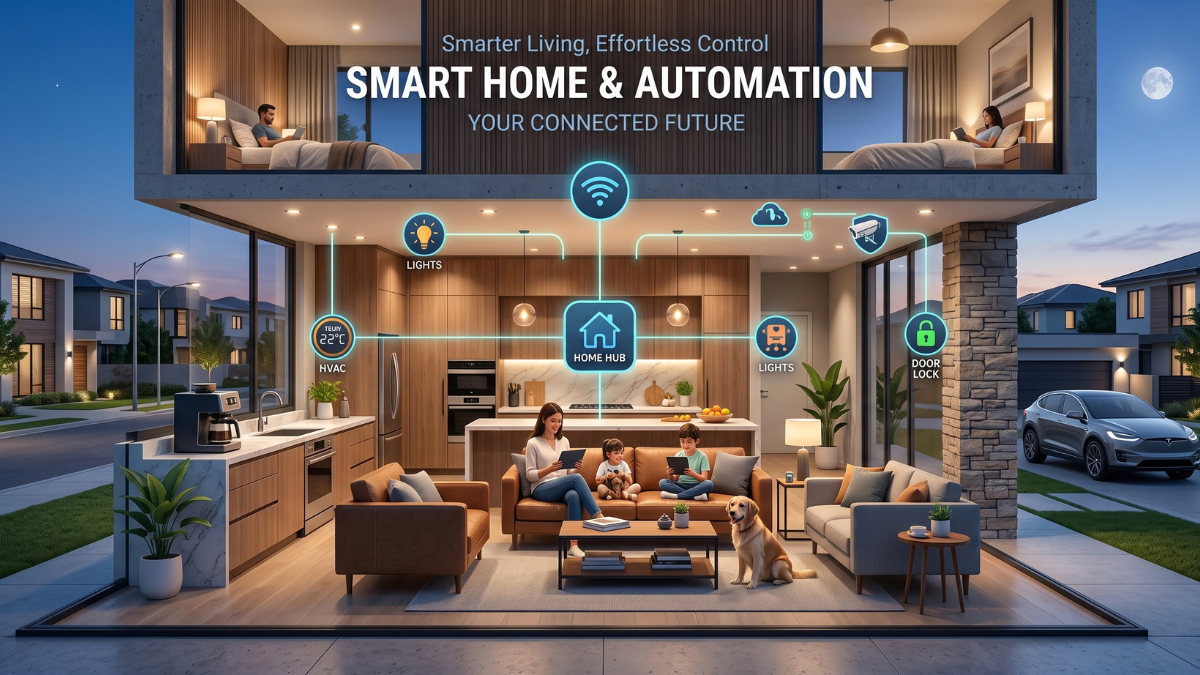
Robotics is no longer confined to factories and laboratories; it has entered our living rooms. The modern smart home is a hub of advanced consumer technology designed to enhance convenience, security, and quality of life.
- Key Detail: Automated vacuum cleaners use SLAM (Simultaneous Localization and Mapping) to learn the floorplan of a house. Social robots are being developed to provide companionship and medication reminders for the elderly.
- Impact: Integrated with smart home assistants (like Alexa or Google Home), these robotic systems can manage energy consumption, control lighting, and monitor security feeds. As they become more advanced, domestic robots will take over more complex household chores, freeing up human time for leisure and creative pursuits.
Article 10: Ethical Challenges and the Governance of AI
As advanced technology and robotics become deeply embedded in society, they bring complex ethical and socioeconomic challenges that must be urgently addressed by global policymakers.
- Key Detail: The primary concerns include the displacement of human workers in both blue-collar and white-collar sectors due to automation, as well as the biases that can be programmed into AI algorithms.
- Impact: Society must grapple with questions regarding data privacy, the moral programming of autonomous machines (e.g., how a self-driving car reacts in an unavoidable crash), and the regulation of autonomous weapon systems. Establishing a strong ethical framework and universal AI governance is essential to ensure that robotics benefits humanity as a whole, rather than just a privileged few.