
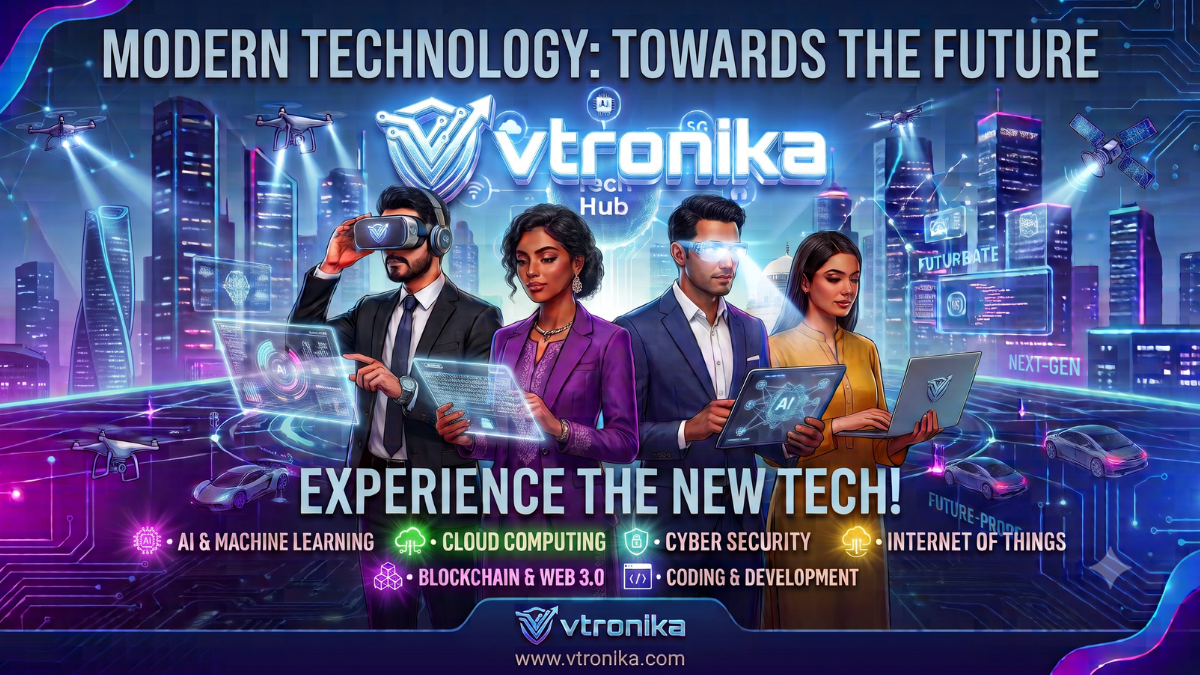
Changing the Human Landscape
Introduction
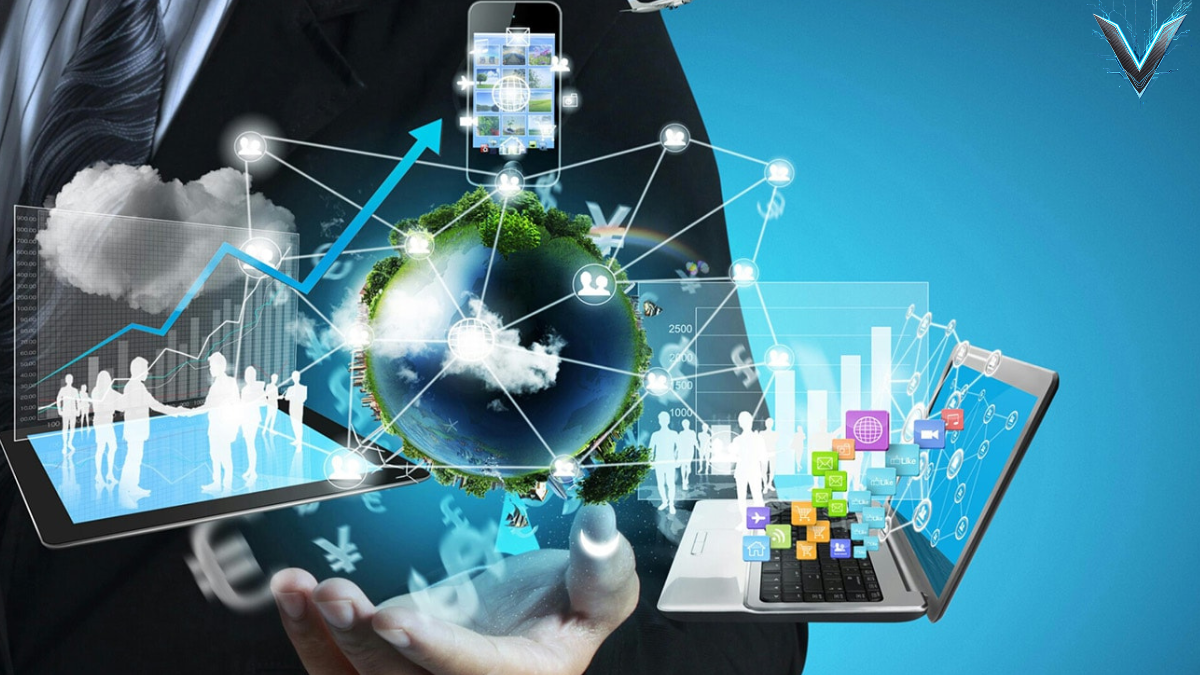
Modern technology is not just changing the world; it is completely rewriting the rules of human existence, altering our biological limitations, and reshaping the fabric of society. As we march deeper into the 21st century, the boundary between science fiction and reality is fading away entirely. We are standing at the dawn of a technological renaissance where humanity is acquiring the tools to control its own evolutionary destiny. This article explores the deep, transformative impact of modern technology towards the future across 10 extensive and critical dimensions.
1. The Era of Artificial Intelligence (AI) and Deep Machine Learning
Artificial Intelligence is the ultimate engine driving the modern world forward. We have quickly transitioned from narrow AI (systems that can only perform a single task, like playing chess) to Artificial General Intelligence (AGI) frameworks that possess human-like reasoning capacities.
- The Present and Future: AI is no longer just about basic chatbots answering routine customer queries. It has evolved into deep machine learning networks capable of writing complex software code, analyzing massive financial market trends in real-time, diagnosing rare medical conditions, and predicting natural disasters.
- Societal Impact: In the future, generative AI and autonomous agents will act as intellectual partners to humans. They will manage entire global supply chains without human intervention, automate exhausting corporate workflows, and design everything from aerodynamic cars to life-saving drugs, allowing humans to focus purely on high-level creative and philosophical pursuits.
2. Hyper-Connectivity through 5G, 6G, and the Internet of Things (IoT)
The future of human civilization relies heavily on the speed of communication, and we are moving toward a world of zero latency where delay simply does not exist.
- The Infrastructure: While 5G networks have established the foundation for lightning-fast mobile internet, the development of 6G technology is set to deliver speeds that are up to 100 times faster than 5G.
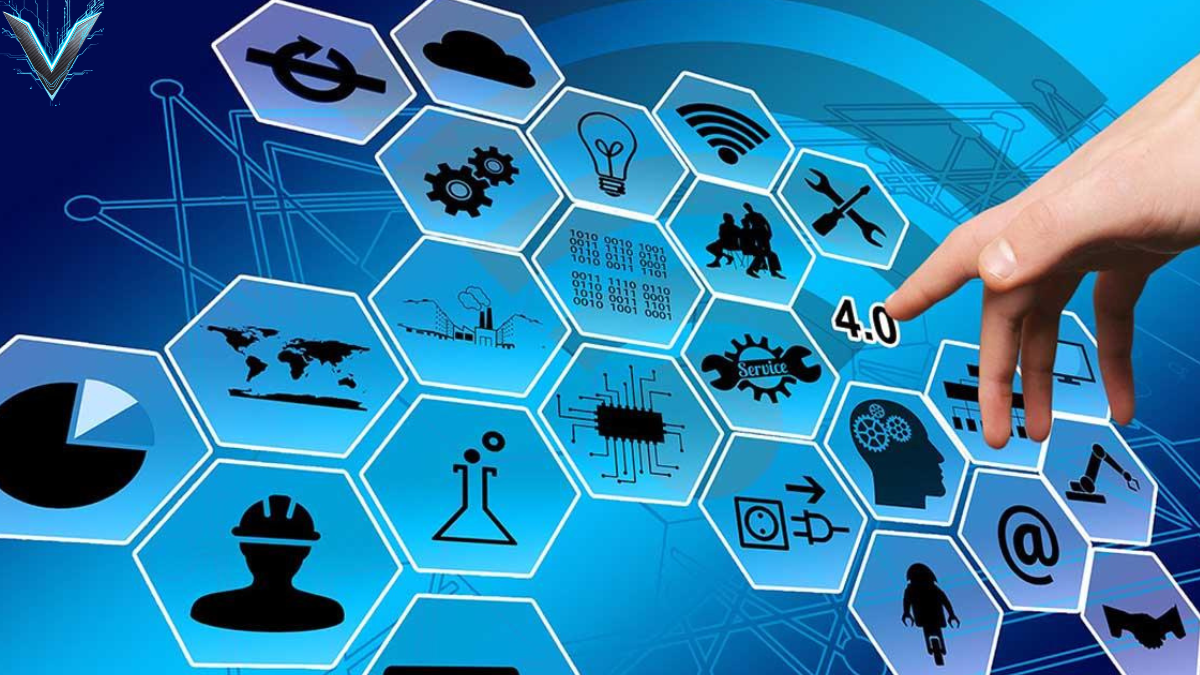
- The Connected World: This unbelievable bandwidth will fully unlock the potential of the Internet of Things (IoT). In this future, billions of physical devices—ranging from your kitchen refrigerator and home thermostat to city traffic lights and industrial manufacturing plants—will constantly communicate with each other. Smart cities will automatically reroute traffic to prevent accidents, optimize electricity grids based on real-time consumption, and manage waste disposal seamlessly, turning our environments into living, breathing, intelligent ecosystems.
3. The Quantum Computing Revolution
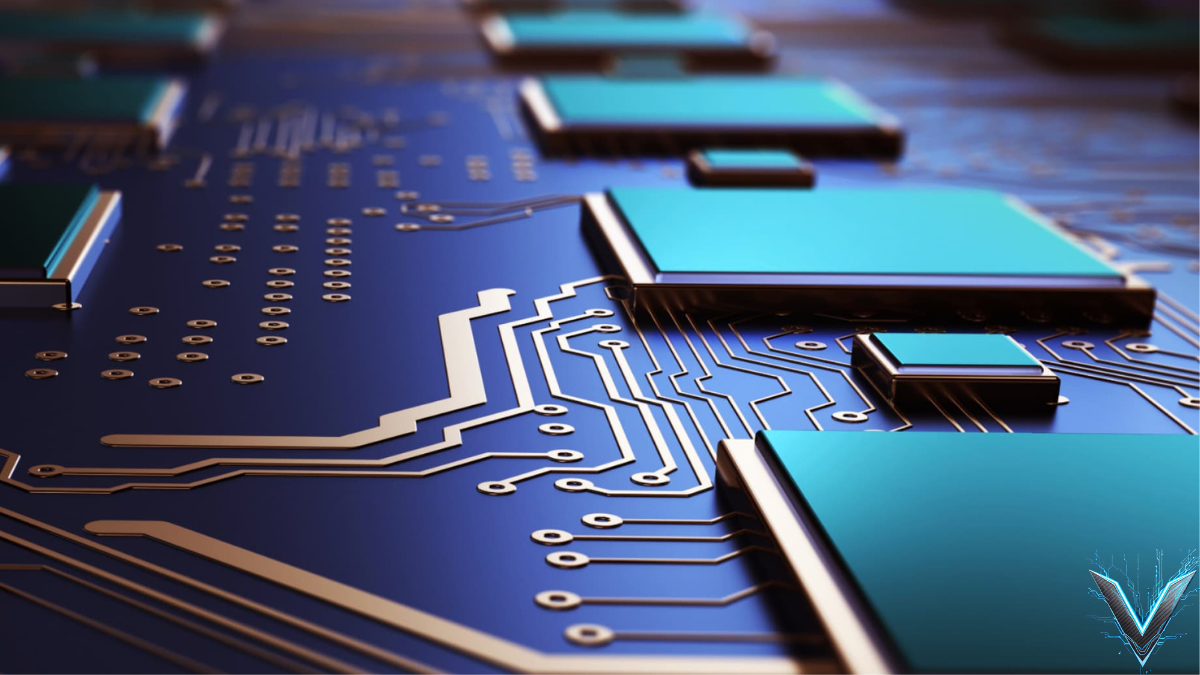
Traditional computers, no matter how powerful, are fundamentally limited because they process data using binary bits (either a 0 or a 1). Quantum Computing completely breaks this barrier by utilizing qubits, which can exist in a state of superposition (both 0 and 1 at the same time).
- Unprecedented Power: This allows quantum computers to perform complex calculations simultaneously. A calculation that would take today’s fastest silicon supercomputer roughly 10,000 years to solve can be completed by a quantum computer in mere seconds.
- Future Applications: This massive processing power will completely revolutionize modern cryptography, making current cybersecurity systems obsolete while creating un-hackable quantum encryption. Furthermore, it will allow scientists to simulate complex molecular structures at an atomic level, unlocking new materials, superconductors, and chemical compounds that were previously impossible to discover.
4. Next-Gen Healthcare, Bio-Engineering, and Personalized Medicine
Technology towards the future is shifting the medical industry from a reactive system (treating a disease after it happens) to a highly proactive, preventative science.
- DNA-Based Treatments: Through the integration of AI data analytics and advanced genomic sequencing, traditional “one-size-fits-all” medicine is dying. Doctors will soon analyze a patient’s specific DNA profile to prescribe personalized medicine designed exclusively for their genetic makeup, eliminating side effects and maximizing cure rates.
- Surgical and Genetic Breakthroughs: Technologies like CRISPR gene editing will allow us to literally erase hereditary diseases like diabetes, blindness, and cancer from a family’s genetic line before a child is even born. On top of that, ultra-fast networks combined with advanced robotics will enable remote telesurgery, allowing a world-class surgeon sitting in New York to operate on a critically ill patient in a remote village across the globe with microscopic precision.
5. Autonomous Vehicles and the Future of Intelligent Transportation
The way human beings move across the physical world is undergoing its biggest revolution since the invention of the steam engine. The future of transportation is entirely electric, autonomous, and shared.
- On the Roads: Self-driving cars, autonomous delivery trucks, and robotic drones are actively eliminating human error—which is responsible for over 90% of global road accidents. These vehicles use advanced LiDAR, radar, and AI camera networks to navigate complex terrains safely.
- Aerial and High-Speed Travel: Beyond standard cars, the future holds revolutionary concepts like Hyperloop tubes, capable of transporting passengers in low-pressure pods at speeds exceeding 1,000 km/h. Concurrently, the rise of Electric Vertical Takeoff and Landing (eVTOL) aircraft—essentially flying electric taxis—will bypass ground traffic entirely, turning urban skies into organized highways and reshaping the real estate and structure of modern cities.
6. The Blurring Lines of AR, VR, and the Immersive Metaverse
The human interface with digital information is shifting away from flat, two-dimensional screens (smartphones and laptops) toward fully three-dimensional, immersive spatial computing environments.
- Augmented and Virtual Reality: Virtual Reality (VR) and Augmented Reality (AR) are maturing into highly sophisticated glasses and contact lenses that overlay digital data onto the physical world.
- The New Digital Space: The concept of the Metaverse or the spatial web means that instead of just looking at the internet, users will step inside it. This will completely revolutionize global education, where students can walk through a digitally reconstructed ancient Rome or explore the human bloodstream from the inside. In the corporate world, physical office spaces will become obsolete as global teams meet in hyper-realistic virtual boardrooms, feeling as though they are sitting right next to each other despite being thousands of miles apart.
7. Green Technology and Clean Sustainable Energy Solutions
As humanity faces the existential threat of climate change, modern technology is stepping up to provide innovative, eco-friendly answers that will transition the world away from fossil fuels.
- Advanced Energy Generation: Next-generation solar cells (such as perovskite solar cells) are drastically increasing the efficiency of sunlight-to-electricity conversion. Wind turbines are growing larger and being placed in deep offshore locations to capture massive ocean winds.
- Storage and Sustainability: Because the sun doesn’t always shine and the wind doesn’t always blow, the future relies on massive, high-capacity solid-state batteries that can store power for entire cities. Additionally, carbon-capture and storage (CCS) technologies are being developed to literally suck carbon dioxide out of our atmosphere and store it safely underground, reversing decades of industrial pollution and paving the way for a true net-zero carbon economy.
8. Advanced Robotics, Cybernetics, and Automation
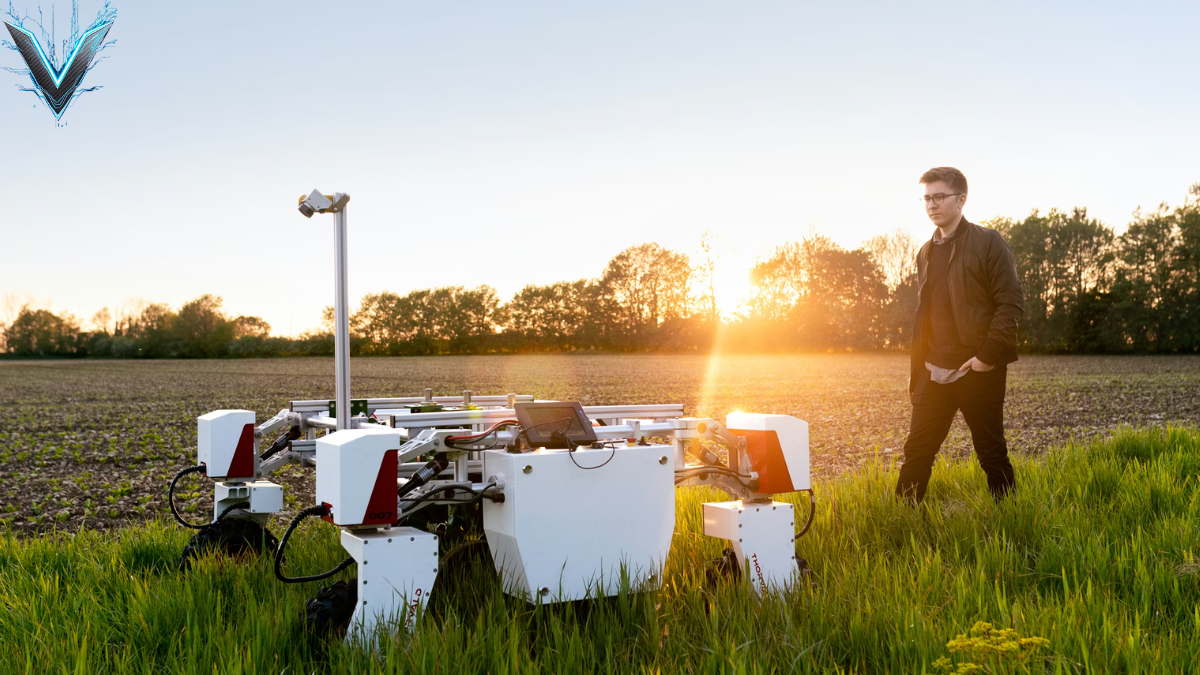
The physical manifestation of AI is advanced robotics. Robots are rapidly moving away from rigid, clunky factory arms toward fluid, agile, and highly adaptable humanoid forms.
- Industrial and Hazardous Work: Companies are developing humanoid robots capable of walking, climbing, and lifting heavy objects just like humans. These machines will take over highly dangerous, toxic, and exhausting jobs in deep-sea mining, high-rise construction, nuclear waste management, and disaster rescue operations.
- Daily Integration: In everyday life, service robots will become common fixtures in hospitals, hotels, and homes, assisting the elderly and taking over repetitive household chores. Furthermore, the field of cybernetics will allow human beings to integrate robotic limbs or bionic eyes that connect directly to our nervous systems, completely blurring the line between biology and machinery.
9. Blockchain, Web3, and the Decentralized Global Economy
The future of finance, data ownership, and internet security belongs to decentralized ledger networks that operate entirely without centralized middlemen.
- Beyond Cryptocurrency: While blockchain gained fame through cryptocurrencies, its true future utility lies in its un-hackable, transparent nature. Blockchain will be used to create flawless digital identity verification systems, secure and fraud-proof electronic voting networks, and highly traceable global supply chains.
- Web3 Architecture: The current internet (Web2) is dominated by a few massive tech conglomerates that control and monetize user data. The transition to Web3 promises a decentralized internet where users retain 100% ownership of their digital footprints, content, and personal information, engaging in peer-to-peer financial transactions through smart contracts that automatically execute agreements without the need for traditional banks or lawyers.
10. Space Exploration and the Multi-Planetary Future of Humanity
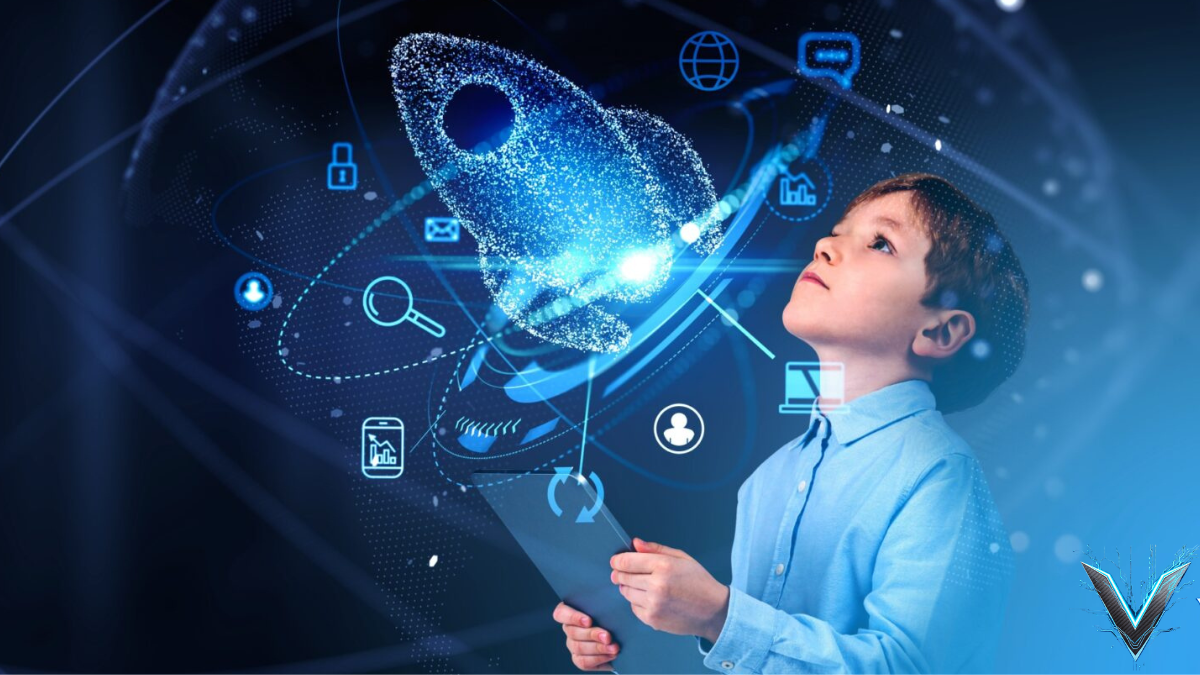
Perhaps the most inspiring direction of modern technology is that it has reignited our journey to the stars. We are no longer just observing the universe; we are actively preparing to inhabit it.
- Commercialization of Space: The development of reusable rocket technology has dropped the cost of launching payloads into space by over 90%. Satellite mega-constellations are already providing high-speed internet to the most remote corners of Earth.
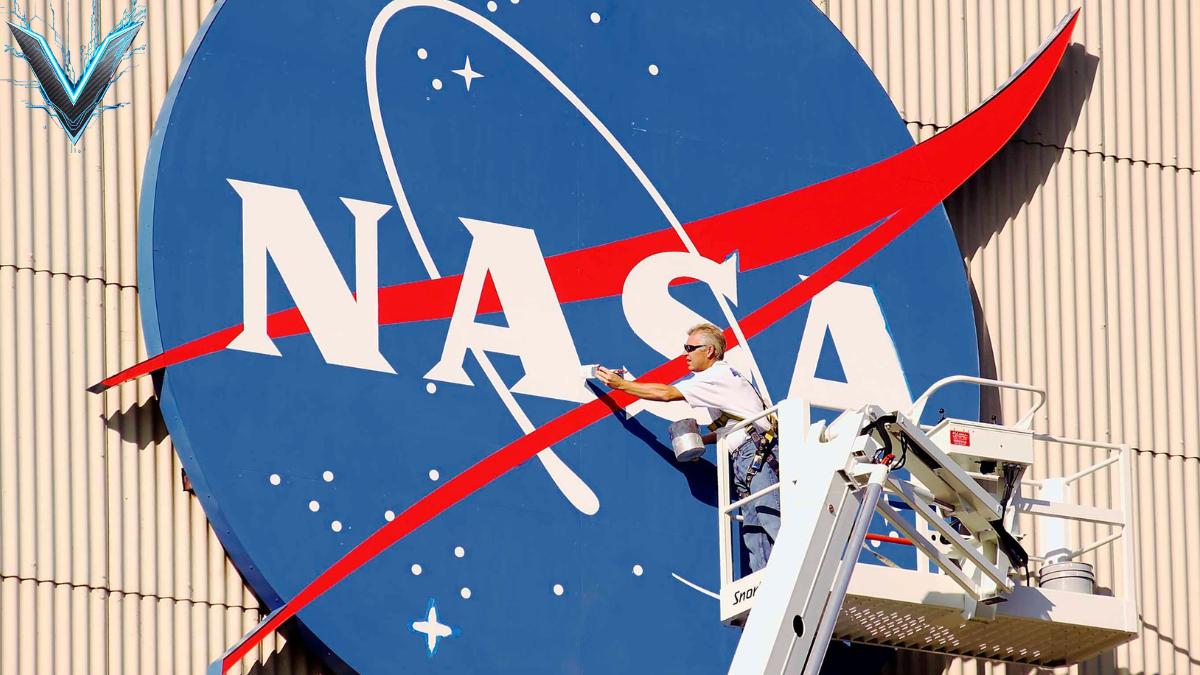
- Deep Space Colonization: Modern aerospace engineering is actively laying the concrete groundwork for setting up permanent human bases on the Moon and launching manned missions to Mars. Technologies like 3D printing with Martian soil, advanced space habitats, asteroid mining for rare precious metals, and terraforming research are proving that the ultimate future of human civilization does not lie solely on Earth, but out among the cosmos as a multi-planetary species.
Conclusion
Modern technology towards the future is an unstoppable, roaring wave of innovation. While this rapid advancement brings heavy challenges—such as deep concerns over data privacy, ethical boundaries of genetic engineering, and job displacement due to automation—its potential to solve our greatest crises is limitless. Technology is giving us the power to cure terminal illnesses, reverse environmental decay, eliminate poverty through extreme efficiency, and unlock the secrets of the universe. The future is no longer a distant destination we are waiting for; it is a reality that is actively being coded, engineered, and manufactured right now.