Article 1: Finding Your Creative Identity and Fashion Philosophy
Every enduring fashion career begins with a defined creative voice. Before drafting patterns or choosing silhouettes, an aspiring designer must pinpoint what they want to communicate through clothing.
Your creative identity acts as your design compass. It is shaped by your personal background, artistic inclinations, cultural heritage, and the perspectives you hold on contemporary society. Developing this perspective requires wide-ranging curiosity: study fine arts, architecture, cinema, subcultures, and historical dress rather than looking exclusively at current runway shows.
To discover your core aesthetic, start maintaining visual journals and thematic mood boards. Collect references that trigger an emotional or intellectual response—textures, raw materials, architectural forms, and unexpected color palettes. Over time, recurring motifs and preferences will emerge, indicating your natural design inclinations.
A distinct identity also clarifies your target audience. Determine whether your vision aligns with bespoke couture, conceptual avant-garde garments, ready-to-wear everyday apparel, or performance-driven streetwear. When your design philosophy is coherent, every garment you produce speaks a unified language, giving prospective employers, collaborators, and clients a compelling reason to invest in your work.
Article 2: The Core Foundations: Sketching, Draping, and Pattern Making
Translating an abstract concept into a physical garment requires fundamental technical discipline. While creative vision provides the spark, technical execution delivers the finished piece.
Freehand fashion illustration is the initial bridge between imagination and reality. Designers must understand figure proportions, specifically the traditional 9-head or 10-head fashion croquis, to illustrate how fabric falls along the human body. Mastering shading, line weight, and color rendering communicates fabric weight and texture before cutting into expensive cloth.
Beyond two-dimensional sketching, pattern drafting and draping represent the engineering core of fashion:
- Draping: Working directly with muslin on a dress form allows you to sculpt volume, manipulate grain lines, and explore fluid proportions organically.
- Flat Pattern Making: Drafting precise 2D paper templates using mathematical measurements ensures repeatability, fit precision, and structural balance.
- Garment Construction: Understanding seam types, grain alignment, darts, facings, and closures ensures your creations are durable, functional, and production-ready.
Devoting time to these foundational techniques early in your development prevents costly errors later, ensuring your designs maintain their intended silhouette across various body types.
Article 3: Mastering Textile Science: From Raw Fibers to Garment Movement
A garment can only be as successful as the material from which it is cut. Mastery of textiles—understanding fiber origins, yarn structures, weave dynamics, and finishing treatments—is essential for any designer.
Textiles split primarily into natural fibers (such as cotton, silk, wool, and linen) and synthetic or semi-synthetic alternatives (such as polyester, nylon, rayon, and lyocell). Each fiber behaves differently under tension, heat, moisture, and manipulation:
- Natural fibers offer breathability, tactile richness, and natural draping qualities.
- Synthetics provide high tensile strength, elasticity, crease resistance, and specialized performance characteristics.
Beyond fiber content, fabric structure directly dictates silhouette. A stiff cotton twill or wool gabardine supports crisp tailoring and geometric structures, whereas a lightweight silk chiffon, georgette, or jersey requires fluid, draped construction.
Familiarize yourself with commercial fabric testing, weight measurements (GSM or ounces), shrinkage rates, and bias stretch. Regularly visiting fabric markets, building a categorized swatch archive, and handling diverse textiles builds the tactile intuition needed to pair structural ambition with the right physical medium.
Article 4: The Digital Revolution: 3D Prototyping and Industry Software
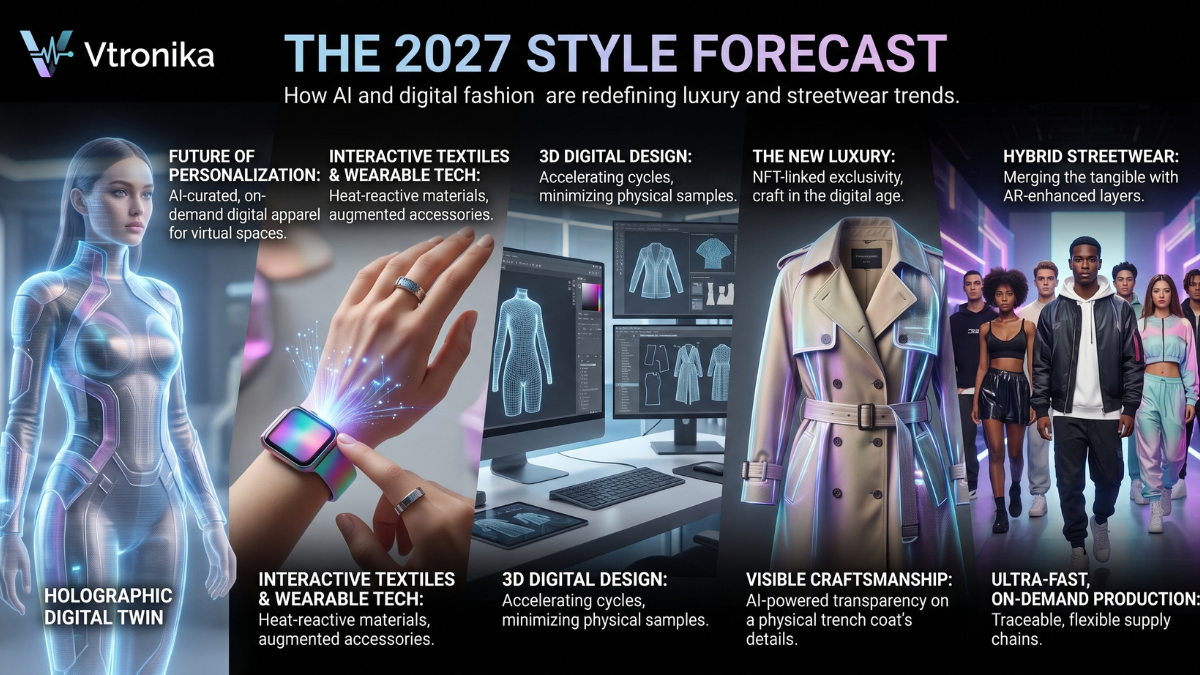
While pencil sketches and muslin mockups retain artistic value, modern fashion operates on digital agility. Designers today must integrate digital drafting and simulation platforms into their standard workflows.
Vector illustration software, particularly Adobe Illustrator, remains the industry benchmark for generating technical flats and production-ready spec sheets. These precise, black-and-white 2D drawings convey every seam, stitch line, pocket placement, and hardware element to manufacturing teams without linguistic ambiguity.
In parallel, 3D garment simulation tools like CLO 3D, Browzwear, and Marvelous Designer have transformed modern sampling workflows:
- Virtual Prototyping: Designers can drape digital patterns onto custom parametric avatars, testing tension, fit, and movement in real time.
- Waste Reduction: Digital iterations eliminate the need for three or four physical sample rounds, slashing fabric waste and shipping overhead.
- Speed to Market: Virtual assets can be approved, adjusted, and translated directly into digital pattern layouts for production cutting.
Embracing these digital tools increases your versatility as an emerging professional and establishes direct alignment with current enterprise design teams.
Article 5: Tech Packs and Production: Bridging Design and Manufacturing
A design remains an unrealized concept until it can be accurately produced by a third party. The primary bridge between the studio and the factory floor is the Technical Package, commonly known as a Tech Pack.
A comprehensive Tech Pack serves as a legally binding instructional manual for garment production. It eliminates guesswork and minimizes sampling revisions. A standard commercial Tech Pack must include:
- Technical Flats: Front, back, and interior views detailing topstitching, seams, and hardware.
- Bill of Materials (BOM): An itemized table listing every component—main shell fabric, lining, interfacings, threads, zippers, buttons, rivets, and brand labels—including supplier codes and color specifications.
- Points of Measure (POM): Detailed measurement charts with specified tolerance ranges across the entire sizing spectrum.
- Colorways & Construction Notes: Specific Pantone codes, seam finishes (e.g., French seams, 4-thread overlock), and hem finishes.
Understanding the mechanics of sample runs, minimum order quantities (MOQs), and factory lead times prepares you to navigate the financial and logistical demands of production.
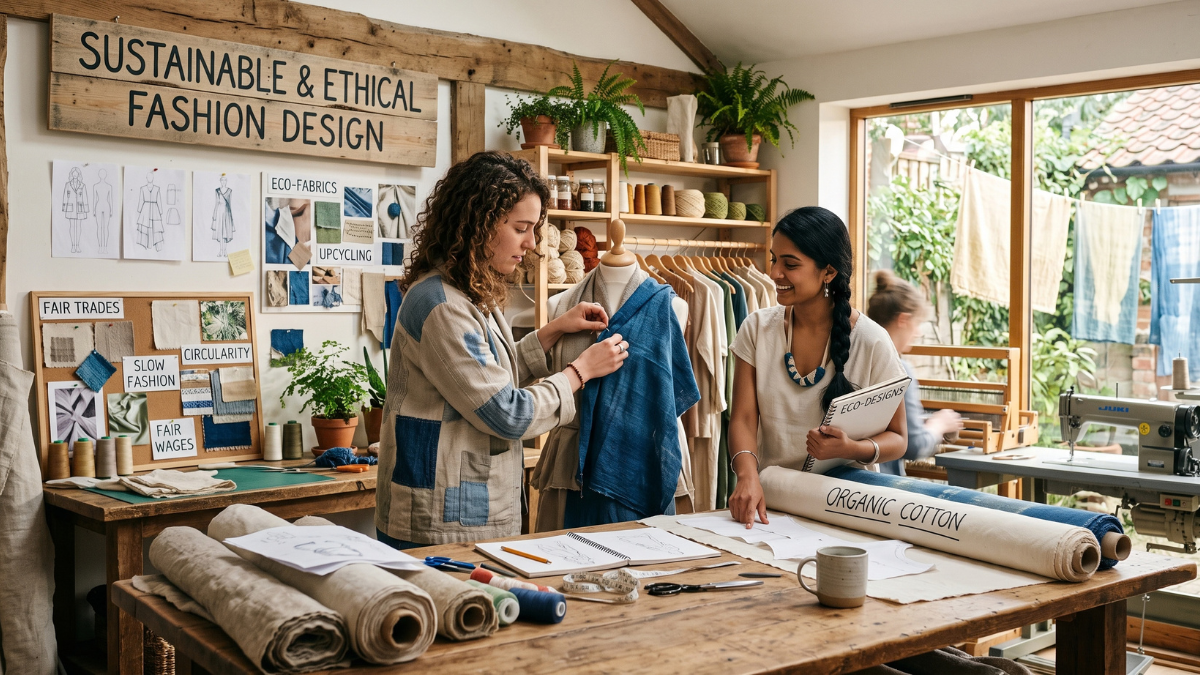
Article 6: Sustainable Design: Eco-Conscious Materials and Circular Thinking
Sustainability is no longer an optional marketing angle; it is a fundamental design parameter driven by environmental realities, shifting consumer values, and impending global regulations.
True sustainable design begins at the sketch and pattern table, long before manufacturing starts. It requires circular thinking—designing with the garment’s entire lifecycle and eventual disposal in mind:
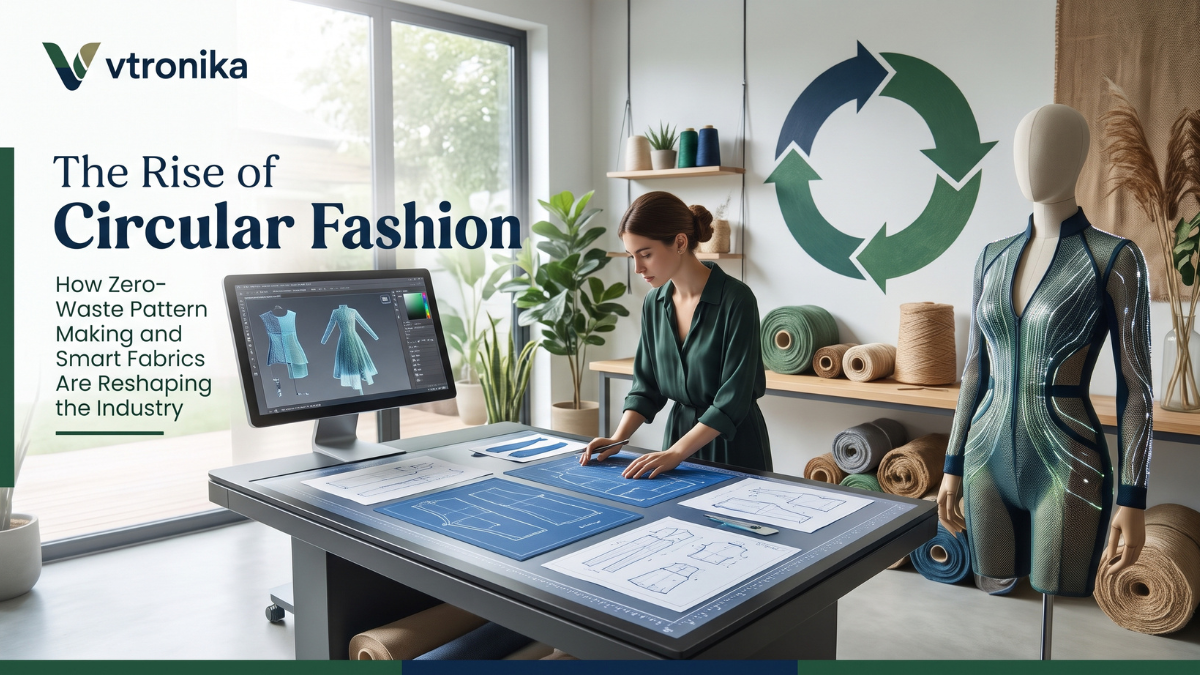
- Zero-Waste Pattern Cutting: Arranging pattern pieces like a jigsaw puzzle across the fabric bolt to eliminate off-cut textile scraps entirely.
- Material Selection: Sourcing certified organic, regenerative, or recycled fibers, as well as deadstock fabrics from larger production runs.
- Mono-Materiality: Constructing garments from a single fiber type (e.g., 100% cotton including threads and trims) to make mechanical or chemical textile recycling feasible at end-of-life.
- Durability and Longevity: Designing with generous seam allowances for alterations, reinforced stress points, and timeless silhouettes that outlive seasonal trend cycles.
By embedding eco-conscious strategies into your creative process, you position yourself as a forward-thinking designer ready for the structural shifts of the modern fashion landscape.
Article 7: Curating a Standout Portfolio That Secures Opportunities
Your portfolio is the single most important tool for landing design roles, brand collaborations, or admission to prestigious fashion institutions. It must demonstrate not just polished final products, but your entire conceptual and problem-solving journey.
A compelling portfolio is organized into distinct, narrative-driven capsule collections rather than a disjointed gallery of standalone garments. A standard project breakdown within your portfolio should flow logically:
| Project Phase | Content Elements to Include |
| 1. Research & Concept | Curated mood boards, cultural or visual references, color stories, and written statements. |
| 2. Ideation & Development | Raw sketches, silhouette explorations, fabric swatches, and fabric manipulation samples. |
| 3. Technical Execution | Dimensioned technical flats (front and back), pattern schematics, and detail callouts. |
| 4. Final Outcome | Styled editorial imagery, lookbook photography, or high-fidelity 3D digital renderings. |
Focus on depth over volume. Presenting three to four thoroughly realized collections is far more impactful than including dozens of superficial sketches. Ensure your layouts are clean, well-typeset, and easily navigated both in physical print and digital PDF/web formats.
Article 8: Strategic Networking, Internships, and Industry Navigation
Raw talent without professional visibility rarely leads to a sustainable career. Building a network and gaining practical studio experience provides access to opportunities that are rarely posted on public job boards.
Internships and entry-level apprenticeships serve as intensive training grounds. Within an established studio, you observe firsthand how senior designers manage seasonal timelines, navigate supply chain disruptions, coordinate with fit models, and balance artistic vision with commercial budgets. Approach every internship with humility, punctuality, and proactive problem-solving:
- Treat entry-level administrative tasks, fabric sourcing runs, and spec-sheet updates as chances to learn production realities.
- Build professional relationships with pattern cutters, fabric suppliers, seamstresses, and production coordinators; their practical knowledge often surpasses academic theory.
- Attend industry trade shows (such as Première Vision), local textile showcases, showroom open days, and graduate runways.
Consistent, respectful engagement with peers and established professionals builds the reputation needed to secure stable studio placements or independent freelance contracts.
Article 9: Personal Branding and Digital Presence for Emerging Designers
In a visually driven market, an emerging designer must act as the primary curator and communicator of their own brand identity. A cohesive digital presence allows you to bypass traditional gatekeepers and cultivate an audience worldwide.
Select digital platforms strategically based on your goals:
- Instagram and TikTok: Serve as living studio journals. Document process work—from muslin fittings and fabric sourcing to time-lapse pattern cutting—rather than merely posting polished final looks. Audiences and talent recruiters value transparency and craft.
- LinkedIn: Connect directly with brand directors, headhunters, product developers, and garment manufacturers.
- Personal Portfolio Website: Maintain a clean, ad-free digital archive featuring high-resolution visuals, downloadable resume assets, and clear contact links.
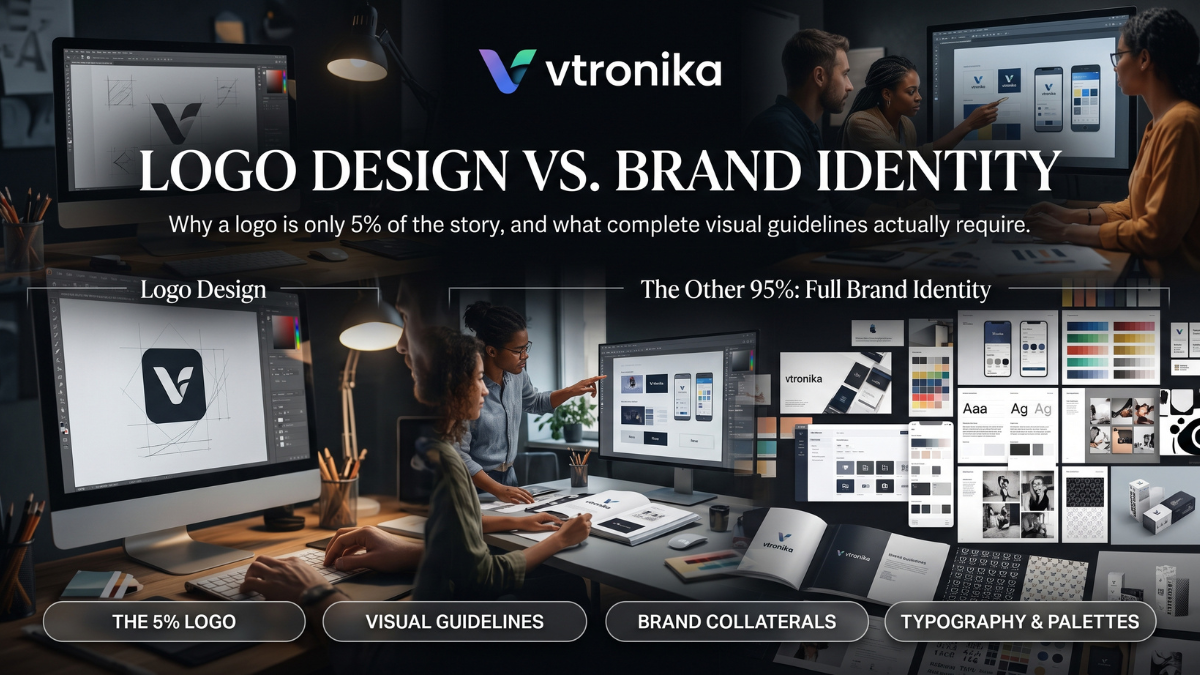
Ensure consistent visual typography, color palette, and tone of voice across every public touchpoint. Your online presence should signal that you are not merely a hobbyist, but an organized, detail-oriented design professional ready for commercial collaboration.
Article 10: Launching Your Independent Label vs. Working in Ready-to-Wear
As your skills mature, you face a major strategic crossroads: working within an established fashion house/commercial apparel brand or launching your own independent label. Both paths offer distinct advantages and challenges.
| Strategic Parameter | Working for an Established Brand | Launching an Independent Label |
| Financial Risk | Low; regular salary, benefits, and funded design development. | High; personal capital, self-funded production, and cash-flow risks. |
| Creative Control | Constrained; designs must align with existing brand codes and sales targets. | Absolute; full autonomy over concept, aesthetic, and brand direction. |
| Operational Focus | Specialized; you focus primarily on design, CAD, or product development. | Broad; you oversee design, sourcing, bookkeeping, marketing, and logistics. |
| Industry Exposure | High-level; immediate insight into large-scale production, retail channels, and margins. | Ground-up; hard-won operational experience through direct trial and error. |
Many successful designers begin by spending 3 to 7 years inside commercial ready-to-wear operations. This tenure provides essential understanding of production scale, vendor relationships, sizing consistency, and wholesale calendars.
Whether your long-term goal is running a niche bespoke atelier, scaling a direct-to-consumer label, or climbing the creative ranks of a global heritage house, combining artistic integrity with operational understanding will drive a long-lasting career in fashion design.