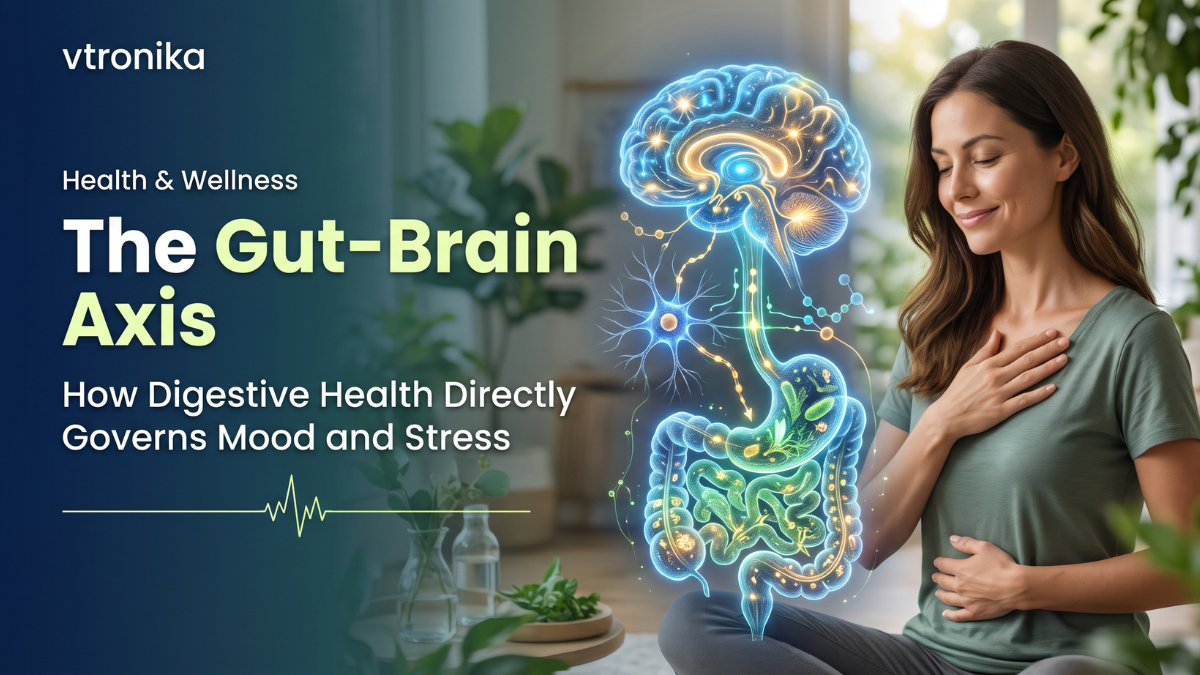
1. Demystifying the Gut-Brain Axis
The gut-brain axis is a complex, bidirectional communication network that physically and biochemically connects your central nervous system (your brain and spinal cord) with your enteric nervous system (the extensive neural network governing your gastrointestinal tract). Historically, science treated the brain and the digestive system as two entirely separate entities. However, modern research reveals that they are in constant, profound dialogue. This means that a troubled intestine can send signals to the brain just as easily as a troubled brain can send signals to the gut, making digestive health a foundational pillar of cognitive and emotional well-being.
2. The Vagus Nerve: The Neurological Superhighway
At the anatomical core of the gut-brain axis lies the vagus nerve, one of the longest and most important cranial nerves in the human body. Stretching directly from the brainstem down through the neck, chest, and into the abdomen, the vagus nerve acts as a massive biological cable transmitting data between the gut and the brain. While we often assume the brain is the primary commander, up to 80% of the nerve fibers in the vagus nerve actually carry information from the gut to the brain. This means the state of your digestive system is continuously updating your brain on your body’s internal environment, heavily influencing your baseline mood and stress response.
3. The Microbiome as a Chemical Factory
Your gut is home to trillions of microorganisms, collectively known as the gut microbiome. These bacteria, fungi, and viruses are not just passive hitchhikers; they are highly active participants in your neurological health. The microbiome functions almost like an endocrine organ, actively metabolizing the food you eat to produce essential hormones, short-chain fatty acids (SCFAs), and neurotransmitters. When your microbiome is diverse and healthy, it produces the optimal chemical cocktail required for your brain to feel calm, focused, and emotionally resilient.
4. Serotonin and the Intestinal Connection
Serotonin is the famous “feel-good” neurotransmitter responsible for regulating mood, happiness, and anxiety. While it profoundly affects the brain, it may come as a surprise that approximately 90% to 95% of your body’s total serotonin is actually manufactured in the digestive tract, not in the brain. Specialized cells in the gut lining, interacting with specific strains of gut bacteria, produce this vital chemical. If your gut lining is damaged or your microbiome is unhealthy, serotonin production can plummet, leading directly to unexplainable mood swings, irritability, and depressive symptoms.
5. Dysbiosis: When the Gut Loses Balance
Dysbiosis occurs when the delicate balance of your gut microbiome is disrupted, usually driven by a poor diet high in processed foods and refined sugars, overuse of antibiotics, or chronic lack of sleep. In a state of dysbiosis, harmful bacteria outnumber the beneficial strains. This imbalance triggers the release of metabolic toxins that irritate the gut lining and send immediate distress signals up the vagus nerve. The brain interprets these signals as a state of physical threat, which can manifest psychologically as acute anxiety, brain fog, and chronic emotional fatigue.
6. Inflammation: The Silent Enemy of Mood
A major consequence of gut dysbiosis is chronic, low-grade systemic inflammation. When harmful gut bacteria thrive, they can compromise the integrity of the intestinal wall, leading to a condition commonly known as “leaky gut.” This allows toxins and undigested food particles to enter the bloodstream, prompting the immune system to launch an inflammatory response. Inflammatory markers, known as cytokines, can cross the blood-brain barrier and directly interfere with brain function. This neuroinflammation is now widely recognized by scientists as a primary biological driver of clinical depression and severe anxiety disorders.
7. The Vicious Cycle of Chronic Stress
Just as a poor gut can stress the brain, chronic psychological stress can physically damage the gut. When you are stressed, your body activates the “fight or flight” response, flooding your system with cortisol and adrenaline. To conserve energy for immediate survival, the brain actively suppresses digestion. Blood flow is diverted away from the stomach, digestive enzyme production drops, and intestinal motility slows down. Over time, this chronic suppression starves healthy gut bacteria and creates a hostile environment in the digestive tract, perpetuating a vicious cycle where stress ruins gut health, and poor gut health causes more stress.
8. The Crucial Role of Prebiotics and Fiber
To cultivate a healthy gut-brain axis, you must feed the beneficial bacteria what they need to thrive: prebiotics. Prebiotics are types of indigestible dietary fibers found abundantly in plant foods like garlic, onions, asparagus, bananas, and whole grains. Because human enzymes cannot break them down, these fibers travel intact to the lower intestine, where they serve as the primary food source for healthy gut microbes. In return for this food, the microbes produce anti-inflammatory short-chain fatty acids, like butyrate, which strengthen the gut lining and protect the brain against stress.
9. Probiotics and Psychobiotics for Stress Relief
While prebiotics feed the bacteria you already have, probiotics introduce new, beneficial live strains directly into your digestive system. These are naturally found in fermented foods such as plain yogurt, kefir, sauerkraut, kimchi, and kombucha. Recently, scientists have coined the term “psychobiotics” to describe specific strains of probiotic bacteria that have a direct, measurable, positive impact on mental health. By regularly consuming fermented foods, you can actively alter the composition of your microbiome, effectively lowering cortisol levels and naturally mitigating the daily physical symptoms of anxiety.
10. Building a Diet for Optimal Mental Wellness
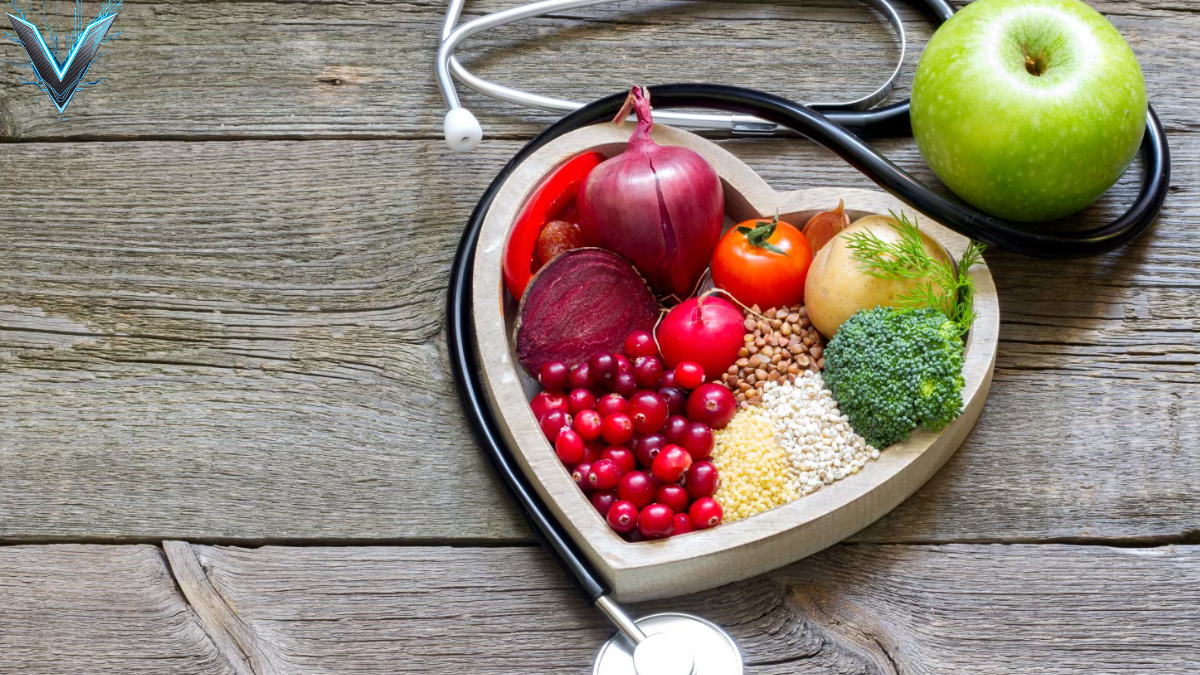
Ultimately, the science of the gut-brain axis proves that true mental wellness begins on your dinner plate. To build a diet that supports emotional stability, shift away from ultra-processed foods, artificial sweeteners, and excessive alcohol, all of which aggressively destroy microbial diversity. Instead, embrace a whole-food, plant-heavy diet rich in colorful vegetables, healthy fats, lean proteins, and daily servings of fermented foods. By consciously eating for your microbiome, you transform your digestive system into a powerful emotional regulator, naturally shielding your mind against the damaging effects of daily stress and anxiety.