

Article 1: The Modern Nomad’s Blueprint — Planning and Budgeting for Long-Haul Expeditions
Deconstructing the Illusion of High-Cost Travel
Long-term adventure travel does not require an executive budget; it demands operational discipline and intelligent resource allocation. The travel industry is split into two models: high-convenience commercial vacationing and independent exploration. While traditional package holidays front-load costs through resort margins and private transfers, independent discovery relies on local purchasing power, shoulder-season scheduling, and geo-arbitrage.
----------------------------------------------------------------------
Budget Allocation Framework for Extended Travel:
----------------------------------------------------------------------
• Accommodation (30%): Hostels, guesthouses, homestays, or house-sits.
• Food & Sustenance (25%): Local open-air markets and regional diners.
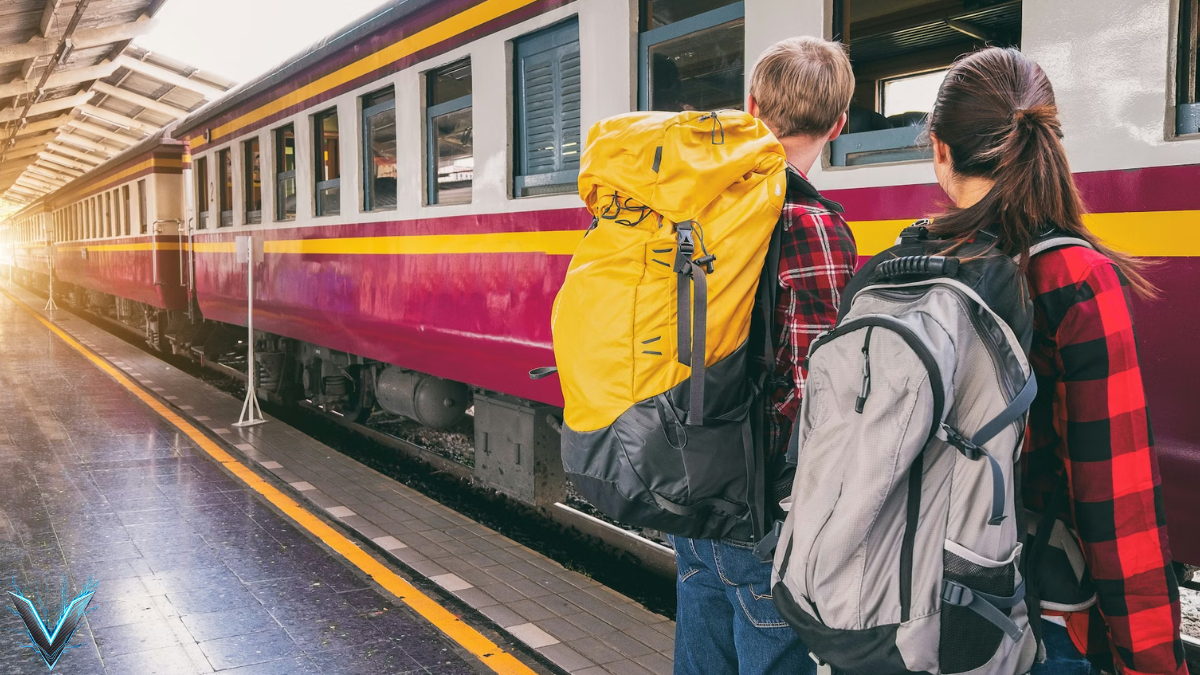
• Transit & Logistics (25%): Intercity trains, local buses, overnight coaches.
• Activities & Permits (15%): National park entry fees, trekking guides.
• Contingency Reserve (5%): Emergency medical funds, gear replacements.
----------------------------------------------------------------------
Strategic Execution
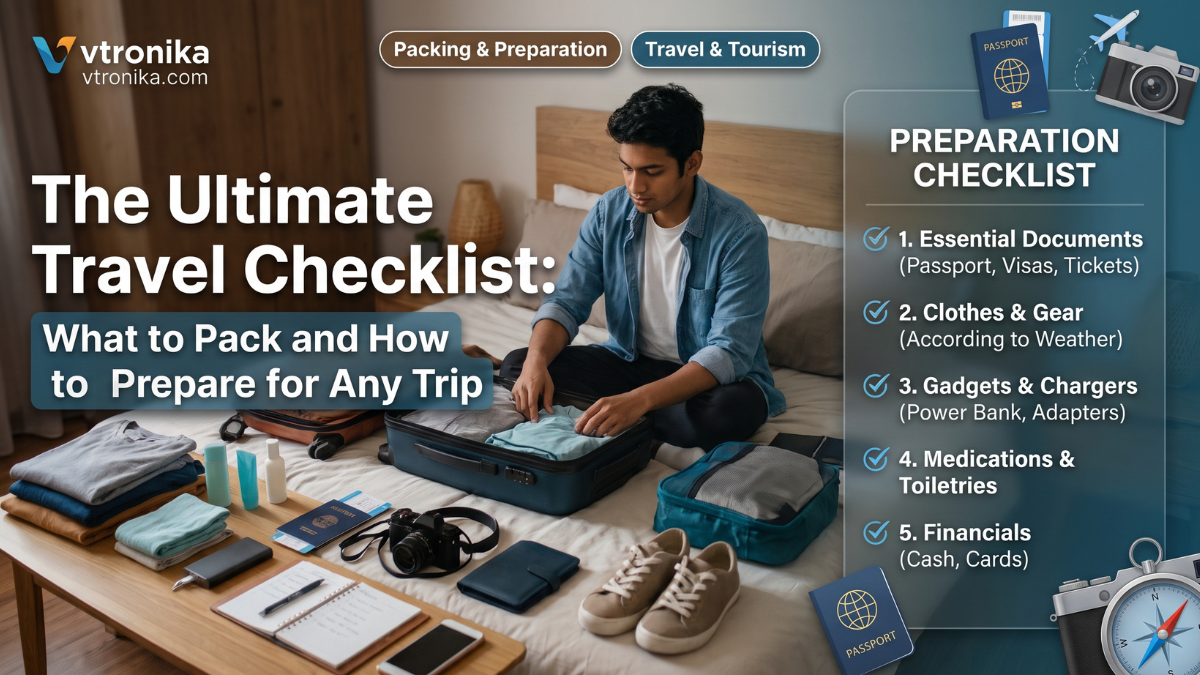
- Target Shoulder Seasons: Schedule trips in the transition months between peak summer rushes and winter lulls (e.g., April–May and September–October). Airfares drop up to 40%, accommodations negotiate readily, and iconic trails remain uncrowded.
- Utilize Multi-City Flight Routing: Use flight matrix tools to book open-jaw itineraries (landing in City A and departing from City B hundreds of miles away) to eliminate back-tracking costs.
- Master Currency Arbitrage: Carry multiple multi-currency debit accounts (like Wise or Revolut) to withdraw funds directly from local interbank ATM networks without incurring predatory foreign exchange markups.
Article 2: The Art of Ultralight Backcountry Packing — Gear That Saves Your Back
The Biomechanics of Load Management
The primary failure point of aspiring wilderness explorers is overpacking. Carrying excess weight transforms a scenic mountain ascent into an exhausting physical ordeal, increasing pressure on knee joints and throwing off balance across uneven terrain. Modern material science allows a fully loaded three-season pack—excluding food and water—to weigh under 8 kg (17.6 lbs).
The Essential “Big Three” Gear Strategy
- The Shelter: Move away from bulky, traditional tents in favor of lightweight silnylon or Dyneema Composite Fabrics (DCF) trekking-pole shelters. These shed multiple pounds by using your walking poles as structural supports.
- The Sleep System: Pair a high-fill-power (850+ fill goose down) sleeping quilt with an insulated sleeping pad carrying an ASTM R-value of 4.0 or higher. Quilts eliminate unnecessary back zippers and underside insulation that compresses under body weight.
- The Pack Frame: Choose a frameless or minimal internal-stay pack built from ultra-high-molecular-weight polyethylene (UHMWPE) fabrics like Ultra200 or X-Pac, which are waterproof and abrasion-resistant.
Article 3: High-Altitude Alpine Expeditions — Mastering the Valleys of the Karakoram and Himalayas
Acclimatization and Atmospheric Pressure Dynamics
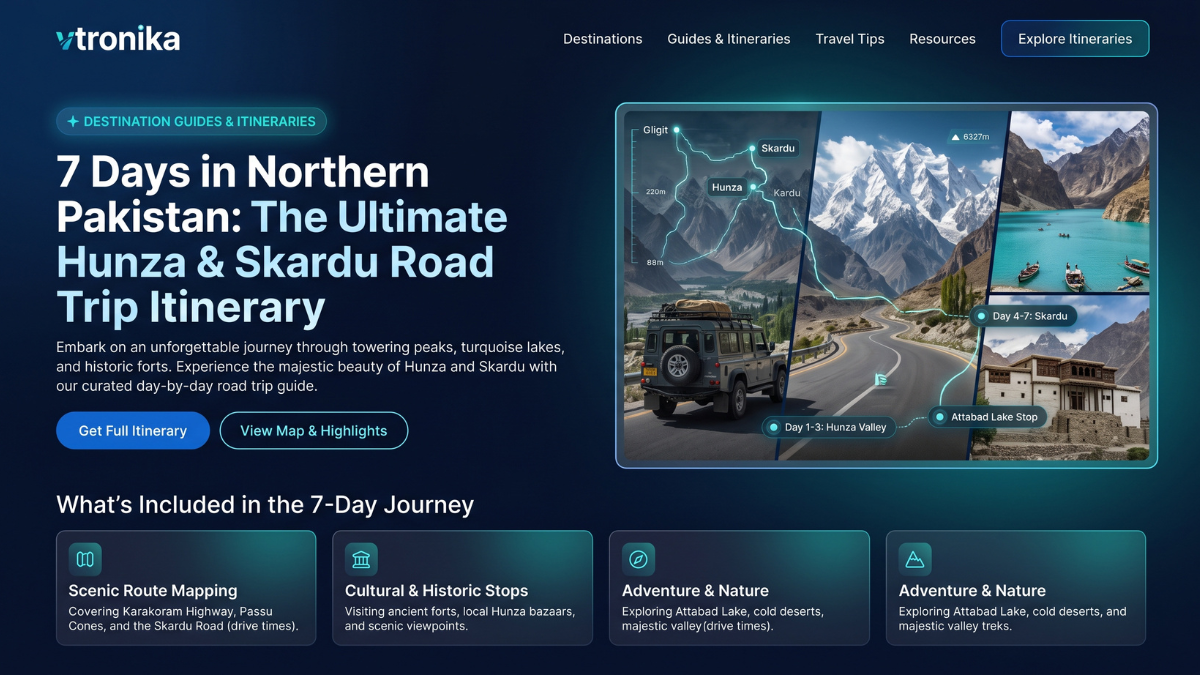
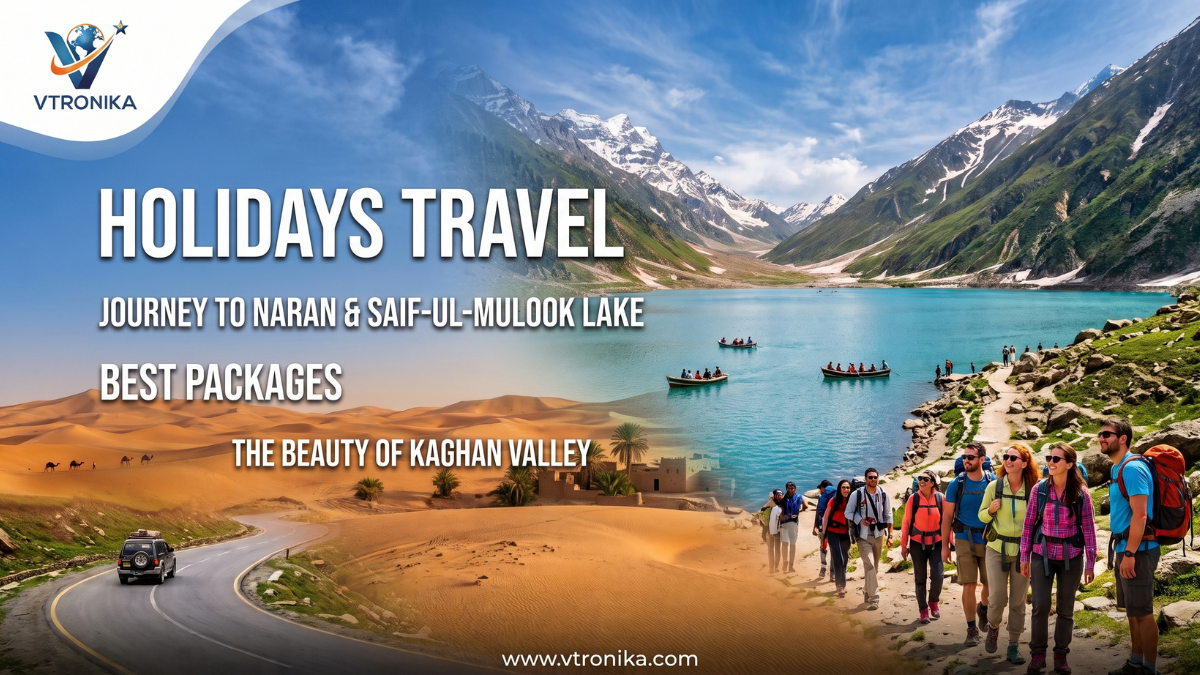
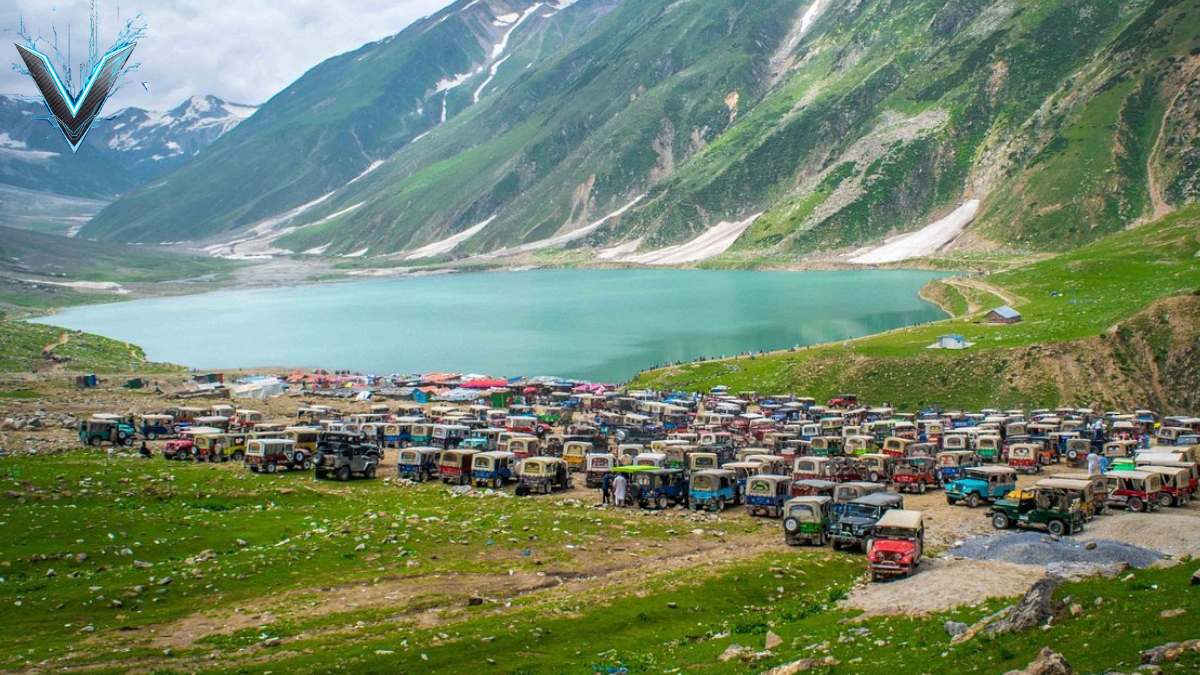
Ascending into alpine wildernesses—such as the rugged ridges flanking Kaghan Valley, Naran, and Lake Saif-ul-Mulook, or the higher passes of the Karakoram and Himalayas—exposes the human body to progressive hypobaric hypoxia. As atmospheric pressure decreases with altitude, each breath draws in fewer oxygen molecules, forcing your heart rate up and triggering deep changes in blood pH.
Alpine Safety Protocol
- The Golden Ascending Rule: Above 3,000 meters (9,800 feet), limit your net sleeping elevation gain to no more than 300 to 500 meters (1,000 to 1,600 feet) per 24-hour cycle. Incorporate a static rest day every three to four days.
- Climb High, Sleep Low: Push up to higher vantage points and passes during late afternoon acclimatization hikes, then descend back to a lower camp to sleep. This stimulates red blood cell production without subjecting your system to prolonged nocturnal hypoxia.
- Recognize Acute Mountain Sickness (AMS): Persistent morning headaches, nausea, dizziness, and loss of appetite are early warning signs. Never climb higher with active AMS symptoms; immediate descent of 500 to 1,000 meters is the definitive remedy if symptoms escalate.
Article 4: Cultural Immersion — Navigating Ancient Civilizations Along Historic Trade Routes
Moving Beyond the Tourist Gaze
True discovery lies in understanding the social fabrics and architectural legacies of societies shaped by centuries of cross-continental trade. Journeys across Central Asian oasis cities, Persian trade routes, and the ancient Silk Road showcase how commerce, Islamic tile geometry, and nomadic traditions converged to build timeless cultural hubs.
Protocols for Deep Cultural Engagement
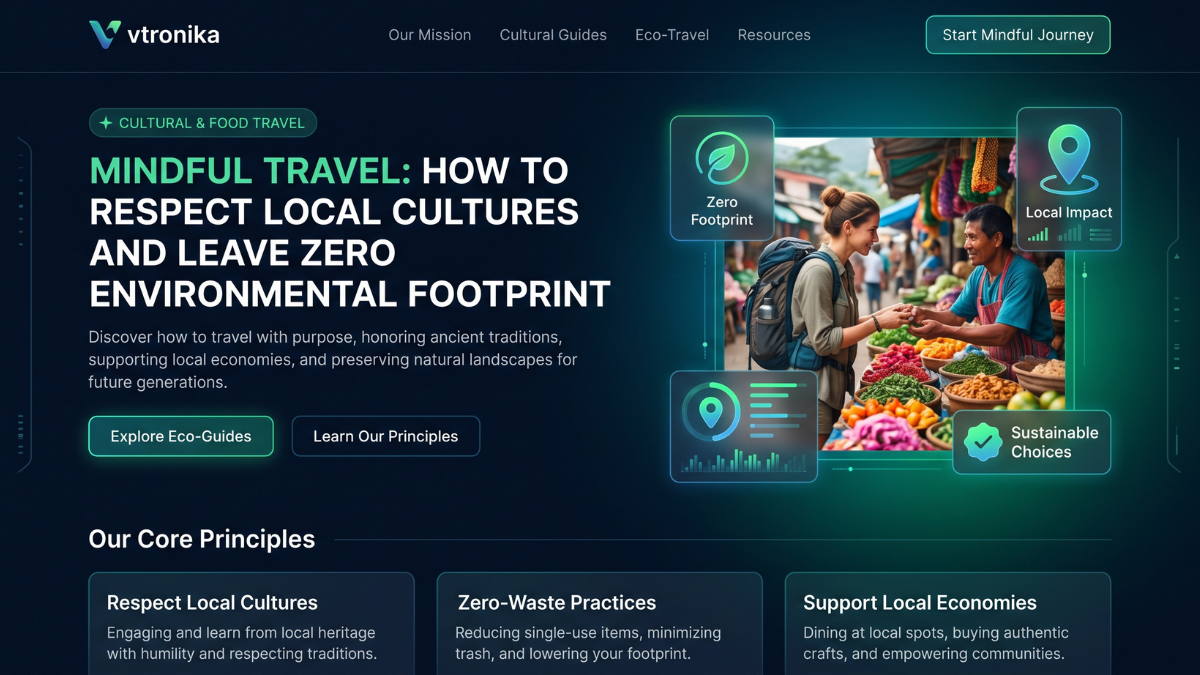
- Engage with Local Food Systems: Step away from international hotel buffets and visit central municipal bazaars at dawn. Interacting with spice merchants, bakers pulling flatbreads from tandoors, and tea masters offers an unvarnished window into daily communal life.
- Learn Key Linguistic Courtesies: Master 15 to 20 functional phrases in the local tongue—greetings, expressions of gratitude, formal inquiries, and basic numbers. Making an effort to speak the native language shifts local interactions from transactional exchanges into warm hospitality.
- Respect Sacred Spaces: Research regional dress codes before entering historic mosques, temples, and community sanctuaries. Modest attire covering shoulders and knees, along with removing footwear at thresholds, demonstrates respect for centuries of living tradition.
Article 5: Preservation of Tradition — Urban Exploration Through Living Heritage Cities
Contrasting the Hyper-Modern with Ancient Restraint
In an increasingly digitized world, traveling through heritage cities allows explorers to witness how communities balance modern infrastructure with the preservation of wooden craftsmanship, Zen garden aesthetics, and historic preservation codes.
Urban Navigation Insights
- Explore in the Early Morning: Wander through historic alleys, canals, and temple gardens between 5:30 AM and 7:30 AM before tour buses arrive. Morning light highlights architectural textures without the distraction of mid-day crowds.
- Support Living Craft Traditions: Seek out family-run artisanal studios dedicated to woodblock carving, indigo dye weaving, and ceramics rather than buying mass-produced souvenir trinkets. Purchasing directly from makers keeps intangible heritage traditions alive.
- Prioritize Walking Over Public Transit: Dedicate days exclusively to wandering on foot. Taking hidden back alleys, residential paths, and riverside greenways reveals quiet neighborhood shrines, local craft workshops, and small coffee houses missed by subway riders.
Article 6: Leave No Trace and Regenerative Tourism — Protecting Fragile Ecosystems
The Environmental Footprint of Modern Travel
The rapid growth of global travel has placed delicate high-altitude meadows, coral reefs, and desert ecosystems under severe ecological strain. Irresponsible disposal of single-use plastics, off-trail erosion, and unregulated graywater pollution permanently scar remote wilderness areas. Responsible travel requires shifting from passive tourism to active environmental stewardship.
-------------------------------------------------------------------------
The 7 Core Leave No Trace (LNT) Principles:
-------------------------------------------------------------------------
1. Plan Ahead and Prepare: Know regulations and weather extremes.
2. Travel and Camp on Durable Surfaces: Stay centered on existing trails.
3. Dispose of Waste Properly: Pack it in, pack it out—including food scraps.
4. Leave What You Find: Preserve rocks, artifacts, and natural flora.
5. Minimize Campfire Impacts: Use lightweight camp stoves for cooking.
6. Respect Wildlife: Observe from safe distances; never feed wild animals.
7. Be Considerate of Other Visitors: Preserve the natural soundscape.
-------------------------------------------------------------------------
Actionable Conservation Steps
- Carry Water Filtration Systems: Eliminate single-use plastic bottles entirely by carrying hollow-fiber membrane filters (like Sawyer Squeeze) paired with activated carbon elements or UV purifiers.
- Halt Micro-Trash Leaks: Food wrappers, plastic caps, and tear-off tabs take centuries to decompose in cold alpine environments. Keep a dedicated, sealed garbage bag inside your pack for all synthetic waste.
- Stick to Established Trails: Avoid cutting switchbacks on steep trails. Shortcut descents funnel rainwater into fragile dirt tracks, accelerating hillside erosion and triggering damaging landslides.
Article 7: Wilderness Navigation — Off-Grid Topography, Satellite Tech, and Route Finding
The Perils of Total Smartphone Dependency
Relying entirely on cellular signals and standard phone navigation apps in backcountry terrain is a recipe for disaster. Extreme cold rapidly drains lithium-ion batteries, thick forest canopies block weak GPS pings, and remote valleys lack cellular infrastructure entirely. A serious explorer must be self-sufficient in analog and digital navigation.
The Navigation Redundancy Strategy
- Carry Physical Topographic Maps: Keep a waterproof, printed 1:24,000 or 1:50,000 topographic map of your sector protected inside a clear map case.
- Master Compass Indexing: Know how to orient a physical baseplate compass to true north, take field bearings, and triangulate landmarks to confirm your coordinates if electronics die.
- Deploy Dedicated Satellite Communicators: Carry a dedicated two-way satellite messenger (such as a Garmin inReach or ZOLEO). These devices connect directly to low-Earth-orbit satellite constellations, providing real-time GPS tracking and two-way SOS emergency rescue communication far beyond cellular range.
Article 8: Solo Travel Mastery — Cultivating Mental Resilience and Situational Awareness
The Psychological Shift of Independent Journeying
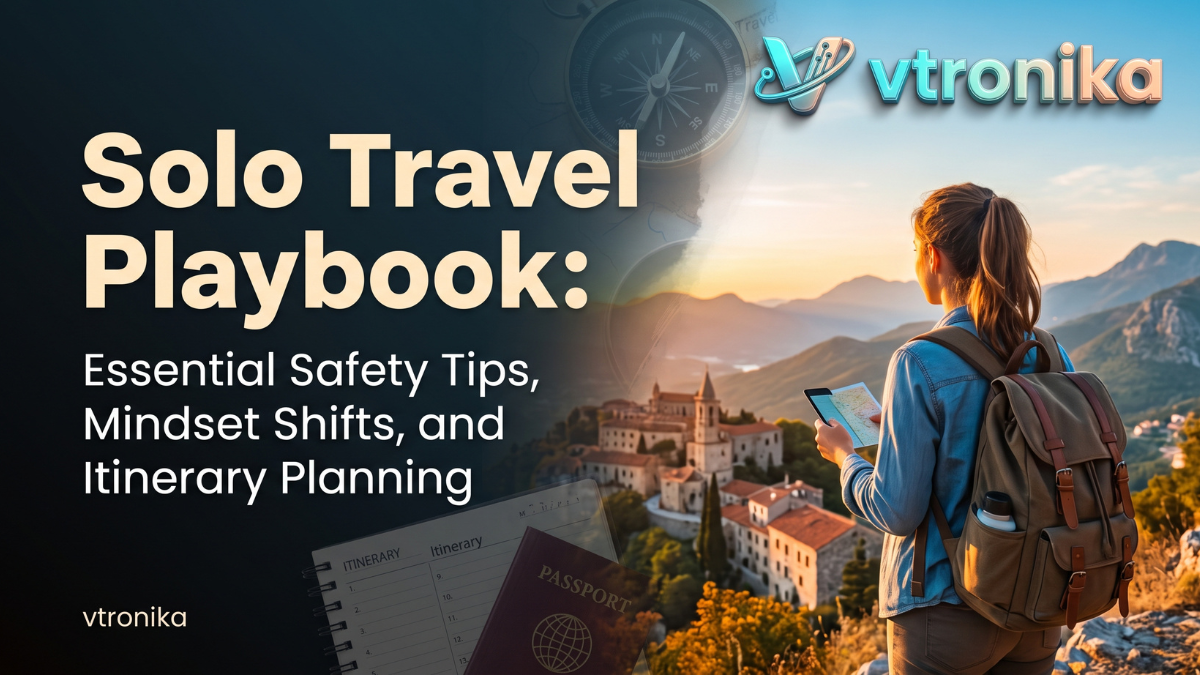
Traveling solo strips away the familiar safety nets of home. It requires you to make every logistical decision, manage navigation challenges, and handle unexpected disruptions on your own. Far from being isolating, solo exploration is one of the most effective ways to build self-reliance, adaptability, and clear judgment under pressure.
Safety and Situational Strategies
- Practice the “Cooper’s Color Code” of Awareness: Shift out of distracted Condition White into Condition Yellow—a relaxed state of continuous situational awareness. Pay attention to ambient noise levels, crowd movement patterns, and physical exits without behaving with overt paranoia.
- Maintain Automated Check-Ins: Establish an agreed-upon check-in schedule with a trusted contact back home. Share cloud access to your live flight details, itinerary notes, and satellite tracking links.
- Secure Your Valuables with Redundancy: Never keep all your emergency cash, debit cards, and passport in a single bag. Split your essential resources across a main backpack, a daypack, and a hidden, body-worn security pouch.
Article 9: Remote Overland Travel — Vehicle Rigging, Desert Crossings, and Coastal Tracks
The Demands of Mechanized Exploration
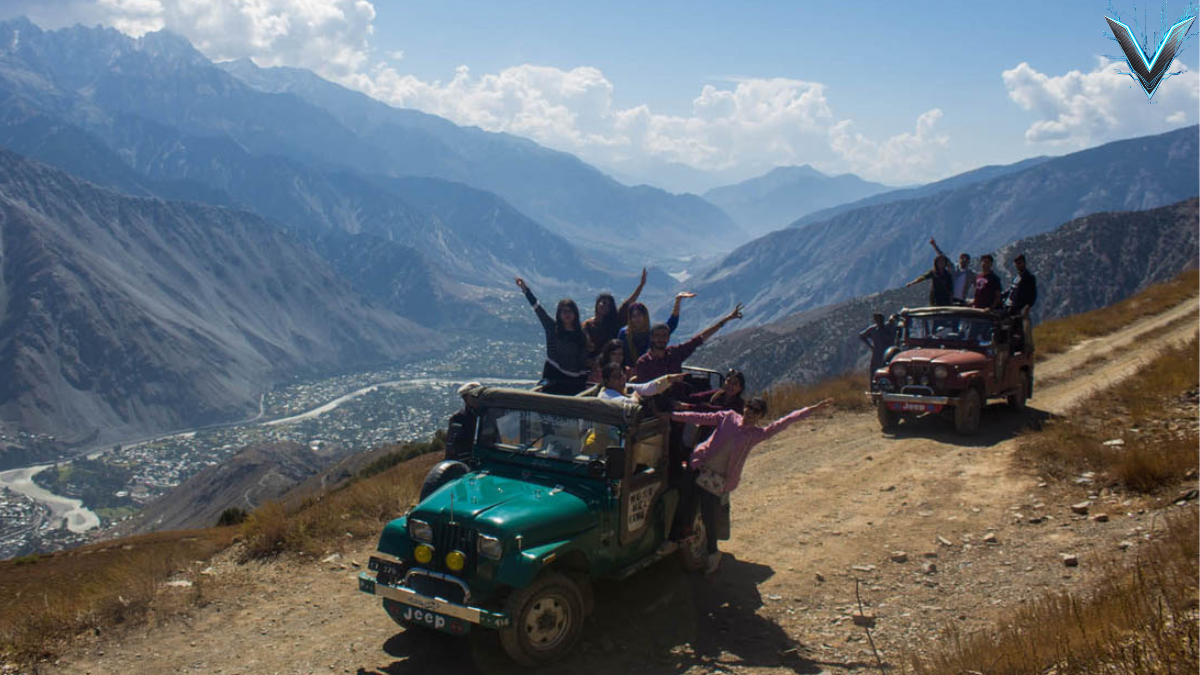
Overlanding combines off-grid navigation, mechanics, and backcountry camping into a unified discipline. Whether you are driving across coastal tracks, rock-strewn riverbeds, or remote desert expanses, the vehicle serves as your self-contained lifeline. Safe vehicle travel requires an understanding of traction, recovery physics, and weight distribution.
Essential Vehicle Overhaul Checklist
- Manage Tire Pressures Dynamically: Dropping tire pressure from highway spec down to 15–18 PSI dramatically elongates the tire footprint, floating heavy 4×4 vehicles over soft sand, mud, and loose river gravel. Carry a high-output 12V air compressor to reinflate tires before returning to asphalt.
- Mount Rated Recovery Points: Never pull stuck vehicles using factory transport tie-down loops or tow balls, which can shear under kinetic loads. Use frame-mounted, rated recovery points paired with soft shackles and kinetic recovery ropes.
- Carry Redundant Fuel and Water Supplies: Calculate fuel consumption at 1.5 times normal highway rates when traversing technical low-range off-road terrain. Maintain a minimum safety buffer of 5 liters of potable drinking water per person per day.
Article 10: Travel Storytelling — Capturing the World Through Writing and Visual Media
Moving Past Superficial Social Media Posts
Generic snapshots of crowded monuments fade quickly from memory. Memorable travel journalism and creative storytelling focus on human interactions, sensory details, and the untold stories behind a destination. A great travel writer documents not just what a place looks like, but how the cold air smells, how the morning bread tastes, and what challenges the local community faces.