

Article 1: Morning Light and Biological Clocks — How Dawn Shapes Daily Energy
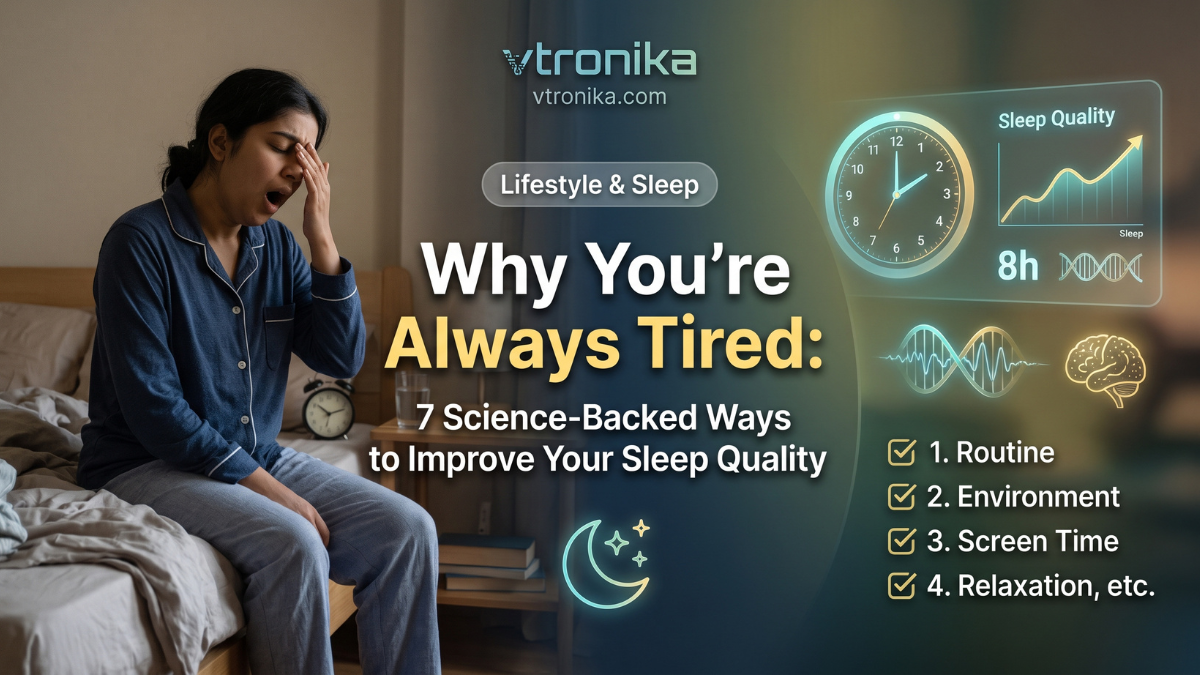
How you spend your first 30 minutes after waking sets your metabolic rhythm for the entire day. The human body is hardwired to synchronize its biological clock (the circadian rhythm) through ocular light receptors. When daylight enters the eyes, it signals the suprachiasmatic nucleus to halt melatonin production and initiate a healthy, natural surge of cortisol to promote alertness.
Looking at your smartphone screen immediately after waking provides artificial blue light without the lux intensity needed to anchor your biological clock, often leading to mid-day fatigue and poor sleep at night. Spending time outside in natural morning light establishes a clear hormonal baseline that improves wakefulness throughout the day and sets up better sleep 14 to 16 hours later.
- 10-Minute Outdoor Anchor: Step outdoors within 30 minutes of waking without sunglasses to absorb 10,000+ lux of natural light.
- Overcast Days: On cloudy mornings, extend your outdoor exposure to 20 minutes to match the photon density of clear skies.
- Hydration Pre-Conditioning: Drink a glass of mineral-rich water before your morning light exposure to support vascular circulation.
Article 2: The Glucose Curve — Eating to Prevent Brain Fog and Energy Slumps
Afternoon crashes and mid-morning slumps are rarely caused by a lack of willpower or sleep alone; they are frequently the direct physiological result of rapid blood glucose spikes and subsequent insulin crashes. When high-glycemic meals enter the bloodstream quickly, the body releases an excess of insulin to clear the glucose, leaving you fatigued, hungry, and foggy-headed within two hours.
Stabilizing your energy curve does not mean eliminating carbohydrates; it means changing the order and composition of your meals. Pairing carbohydrates with protein, healthy fats, and fiber slows down gastric emptying. This creates a gradual, stable glucose release that supplies the brain with consistent fuel rather than turbulent surges.
- Food Sequence Strategy: Eat your greens and fibrous vegetables first, proteins and fats second, and starches or sugars last during main meals.
- The Post-Meal Stroll: Walk at an easy pace for 10 minutes right after your largest meal to engage leg muscles in non-insulin-mediated glucose uptake.
- Savory Breakfast Anchor: Swap sugary cereals, pastries, or sweet coffees for a savory breakfast rich in eggs, avocado, spinach, or smoked fish.
Article 3: Micro-Workouts and Non-Exercise Activity (NEAT) for Desk Workers
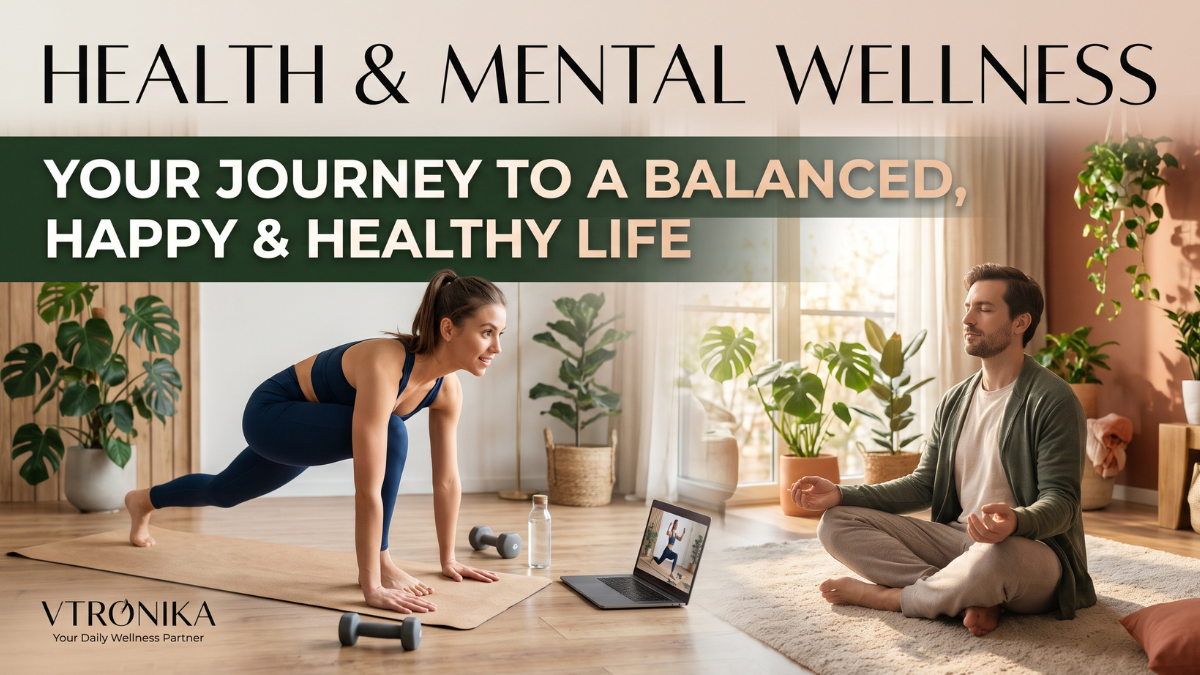
Modern work keeps millions seated in static postures for extended hours, lowering daily energy expenditure and tightening the hip flexors and lower back. While a dedicated 45-minute gym session is valuable, it cannot completely counteract eight hours of continuous immobility. The real driver of long-term metabolic vitality is NEAT (Non-Exercise Activity Thermogenesis).
NEAT includes all the physical energy burned through spontaneous, everyday movements—walking, pacing on phone calls, taking stairs, and standing. Integrating “micro-workouts” (movement snacks lasting 60 to 90 seconds throughout the day) keeps your metabolism humming, prevents joint stiffness, and clears brain fog.
- Hourly Posture Reset: Set an hourly alert to stand up, roll your shoulders backward, and perform 10 air squats or calf raises.
- The Walking Meeting: Take phone calls while pacing or walking outside rather than sitting at a desk.
- Glute Activation: Squeeze and hold your glutes for 5 seconds while standing at the kettle or waiting in line to wake up dormant hip stabilizers.
Article 4: Somatic Nervous System Resets — Managing Acute Daily Stress
Daily stressors—urgent deadlines, heavy traffic, and incoming notifications—repeatedly trigger the body’s sympathetic “fight-or-flight” response. When this state becomes chronic, baseline levels of cortisol and adrenaline remain elevated, impairing digestion, disrupting deep sleep, and making everyday irritations feel overwhelming.
Because the nervous system communicates directly with respiratory mechanics, breathing is the fastest manual tool for down-regulating physical tension. Using short somatic breath techniques engages the vagus nerve and activates the parasympathetic “rest-and-digest” branch within seconds.
- The Physiological Sigh: Take two rapid inhales through your nose (one deep, followed by a sharp top-up inhale), then let out a slow, unforced exhale through your mouth. Repeat three times.
- Jaw and Shoulder Sweep: Check in with your body three times a day to drop your shoulders away from your ears and unclamp your jaw from the roof of your mouth.
- Peripheral Vision Softening: Shift your gaze from narrow, screen-focused vision to wide peripheral awareness to reduce acute sympathetic arousal.
Article 5: Smart Kitchen Architecture — Meal Prepping Without Endless Cooking
Most healthy eating habits fail during busy weeknights when mental fatigue makes takeout the easiest choice. The solution is not dedicating an entire Sunday to cooking five days of repetitive, pre-boxed meals; it is setting up a “modular prep” system that makes fresh, nutritious dinners possible in under 15 minutes.
Modular prep focuses on preparing foundational components rather than finished dishes. Roasting two large trays of mixed root vegetables, poaching a batch of versatile proteins, and whisking two flavorful homemade dressings provides the building blocks for varied grain bowls, wraps, and salads all week long without culinary boredom.
- Prep Components, Not Meals: Keep containers of cooked quinoa, roasted sweet potatoes, boiled eggs, and grilled chicken breast ready to combine.
- The Master Vinaigrette: Shake olive oil, Dijon mustard, apple cider vinegar, garlic, and sea salt in a jar for an instant, additive-free salad dressing.
- Freezer Staples: Keep bags of frozen wild blueberries, spinach, and edamame on hand for quick smoothies and vegetable boosts.
Article 6: Evening Wind-Down Architecture — Preparing Your Brain for Deep Recovery
The quality of your sleep is determined hours before your head hits the pillow. Jumping straight from answering emails and watching intense media into bed leaves your brain in an active beta-wave frequency, leading to racing thoughts, tossing, and light, fragmented sleep.
A deliberate wind-down sequence acts as an off-ramp for your nervous system. By systematically lowering light exposure, moderating room temperature, and engaging in calming analog rituals, you signal your brain that it is safe to transition into restorative delta slow-wave sleep.
- The Low-Lux Transition: Turn off bright overhead lights 90 minutes before bed; rely instead on warm floor lamps or amber reading lights placed below eye level.
- Core Body Cooling: Take a warm shower or bath 60 minutes before bed; the rapid blood flow to extremities cools your core body temperature as you step out, prompting sleep.
- Brain Dump Journaling: Spend 3 minutes writing down tomorrow’s top three priorities to prevent your mind from looping over open tasks at night.
Article 7: Functional Mobility for Longevity — Protecting Hips, Spine, and Ankles
Strength and cardiovascular conditioning are essential, but mobility is what preserves independent, pain-free movement as the body ages. Mobility is active flexibility: the controlled range of motion your muscles can safely support under tension. When key areas like the hips, thoracic spine, and ankles stiffen from sedentary habits, the body compensates by overworking the knees and lower lumbar spine.
Practicing a short, daily 5-minute mobility flow lubricates joint capsules with synovial fluid, preserves range of motion, and reduces everyday aches. These low-demand movements can easily be done on a living room rug while watching television or waiting for breakfast to cook.
- The Deep Asian Squat Hold: Spend 60 seconds resting in a deep, flat-footed squat to decompress the lumbar spine and open the ankle joints.
- Thoracic Cat-Cow Flow: Move through gentle spinal flexion and extension on all fours to mobilize the upper back and restore fluid ribcage expansion.
- The 90/90 Hip Flow: Sit on the floor with both knees bent at 90 degrees to actively work internal and external hip rotation.
Article 8: Low-Tox Sanctuaries — Designing Clean Indoor Air and Spaces
Modern indoor environments often trap indoor air pollutants—such as volatile organic compounds (VOCs) off-gassing from synthetic carpets, furniture glues, artificial air fresheners, and chemical cleaning supplies. Because we spend roughly 90% of our lives indoors, breathing stale, chemically loaded air puts a quiet, chronic burden on cellular detoxification pathways.
Transforming your home into a low-tox sanctuary does not require a costly, overnight remodel. Small, practical swaps—like establishing daily fresh-air cross-ventilation, choosing natural cleaning agents, and using HEPA air purifiers—significantly lower your indoor toxic load and support easier breathing, reduced morning congestion, and deeper sleep.
- Daily Air Exchange: Open windows on opposite sides of your living space for 10 to 15 minutes each morning to flush out accumulated overnight carbon dioxide and VOCs.
- Natural Cleaning Swaps: Clean everyday hard surfaces using distilled white vinegar, water, and drops of tea tree or lemon essential oils instead of synthetic aerosol sprays.
- Filter Where You Sleep: Place a certified True-HEPA air purifier in the bedroom to remove fine airborne particulate matter (PM2.5) while you rest.
Article 9: Mindful Hydration — Why Pure Water Isn’t Always Enough
Many people make an effort to drink their recommended eight glasses of water daily, yet still experience dry lips, afternoon fatigue, and muscle tightness. Chugging large amounts of filtered or demineralized water in short bursts can dilute electrolyte levels in the blood, causing your kidneys to flush fluids before your cells can properly absorb them.
True intracellular hydration is a matter of fluid balance, not just fluid volume. Water needs essential minerals—primarily sodium, potassium, and magnesium—to cross cellular membranes via osmotic gradients. Supplementing your daily water intake with unrefined minerals ensures your brain, heart, and skeletal muscles stay properly hydrated.
- The Morning Mineral Dash: Add a small pinch of pink Himalayan or Celtic sea salt and a squeeze of fresh lemon to your first 500 ml glass of morning water.
- Consistent Sipping: Drink water in steady sips throughout the day rather than chugging full bottles around meal times.
- Electrolyte-Dense Whole Foods: Incorporate potassium- and magnesium-rich foods into your daily meals, such as ripe bananas, avocados, coconut water, and pumpkin seeds.
Article 10: Digital Boundaries — Escaping the Infinite Scroll Trap
Smartphones and social media apps are engineered to capture human attention through variable reward schedules, the same psychological mechanism behind slot machines. The habitual reflex of pulling down to refresh feeds fragments focus, spikes background anxiety, and robs you of downtime that could be spent resting or connecting with others.
Reclaiming your focus does not require moving to an off-grid cabin; it requires adding deliberate friction between impulse and action. By placing obstacles in front of reflexive scrolling habits, you regain conscious control over when, why, and how you engage with your screens.
- Grayscale Mode: Switch your smartphone display to black-and-white mode; stripping away vibrant app icons makes mindless phone checking significantly less stimulating.
- The 30-Minute Morning Gate: Charge your phone across the room or outside the bedroom to prevent mindless scrolling first thing in the morning.
- App Slotting: Remove social media apps from your phone’s home screen, placing them inside a nested folder or accessing them strictly through a desktop browser.
Article 11: The Science of Habit Stacking — Small Wins That Actually Stick
Most health and lifestyle resolutions fall apart because they rely purely on willpower and motivation—both of which fluctuate with daily stress, workload, and fatigue. Attempting to overhaul multiple habits at once creates decision fatigue, leading to burnout and abandonment within weeks.
Habit stacking avoids this trap by anchoring a new desired behavior directly to an existing, established routine. Because the neurological pathway for the anchor habit is already deeply wired in your brain, adding a tiny new step onto it requires minimal willpower, allowing small lifestyle improvements to compound smoothly over time.
- The Stacking Formula: Use the simple prompt: “After I [current habit], I will [new micro-action].” (e.g., “After I start my morning coffee brewer, I will do 10 pushups and drink a glass of water.”)
- Keep It Under Two Minutes: Make the new micro-habit so simple that you cannot justify skipping it, even on your busiest days.
- Track the Chain: Mark a simple checkmark on a desk calendar each day you complete your stack; visual streaks help maintain motivation.
Article 12: Mindful Connections — Elevating Daily Well-Being Through Human Bonds
Lifestyle and health regimens frequently focus on nutrition, fitness, and sleep metrics while overlooking social health. Yet longitudinal public health studies consistently show that deep, supportive human relationships are among the strongest predictors of longevity, cardiovascular health, and cognitive resilience as we age.
In an increasingly virtual world, casual online interactions cannot replace the biological and psychological benefits of face-to-face community. Prioritizing genuine connections—sharing a home-cooked meal, taking a walk with a close friend, or checking in on a neighbor—releases oxytocin and buffers the body against everyday stress.
- The Weekly Face-to-Face: Schedule at least one intentional in-person connection each week—such as a coffee walk or shared dinner—with no phones on the table.
- Deliberate Micro-Kindness: Send one unexpected message of appreciation or gratitude to a friend, colleague, or family member every morning.
- Active Listening Practice: When in conversation, focus entirely on understanding the speaker’s perspective without formulating your reply while they are still talking.