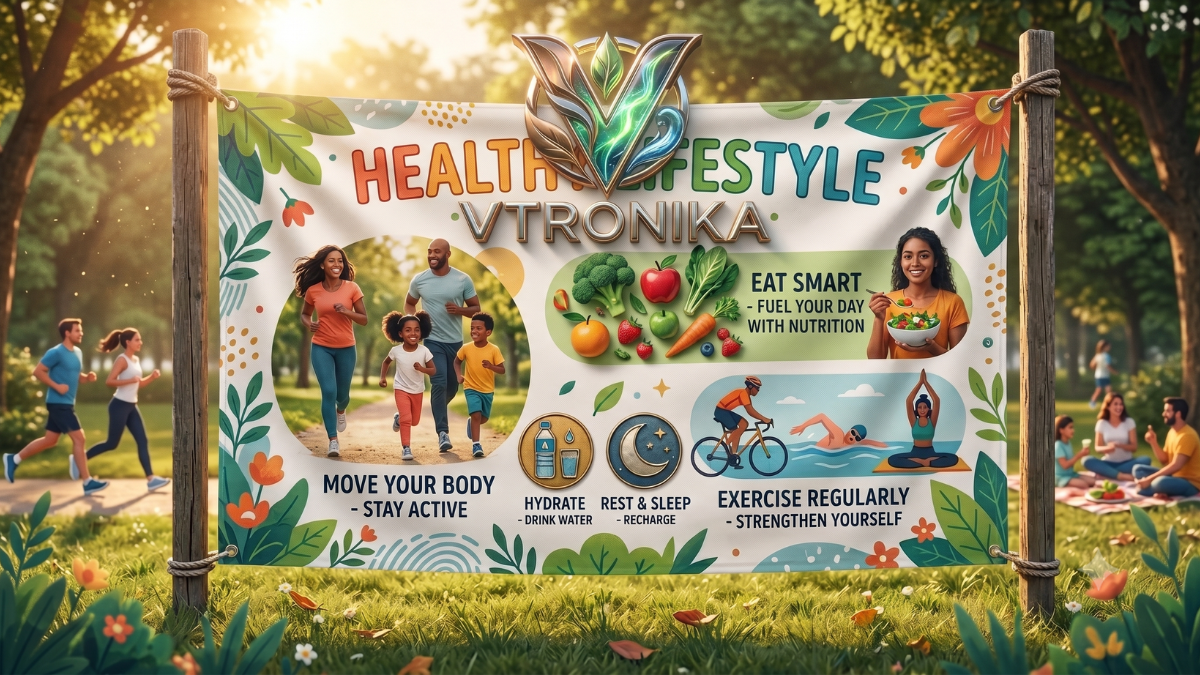
Article 1: Intuitive Movement vs. Punitive Exercise — Redefining Physical Fitness
Modern fitness marketing often portrays exercise as penance for dietary choices or a grueling test of willpower. This punitive mindset leads to burnout, joint inflammation, and cyclical abandonment. In contrast, intuitive movement views physical activity as a form of self-care and functional preservation rather than self-punishment.
Sustainable physical conditioning works with your body’s daily energy levels and recovery capacity. Balancing resistance training, low-intensity zone-2 cardio (such as brisk walking or cycling), and mobility drills protects joint longevity and metabolic flexibility. When movement is treated as an enjoyable daily practice, consistency follows naturally.
- Autoregulation in Training: Adjust your workout intensity based on sleep quality, daily stress, and muscle soreness rather than forcing rigid personal records every session.
- The Power of Zone-2 Aerobic Work: 30–45 minutes of easy, conversational-pace walking or cycling improves mitochondrial density without elevating systemic cortisol.
- Daily Mobility Snacks: Spend five minutes every morning mobilizing thoracic spine rotation and hip capsule flexibility to counteract prolonged sitting.
Article 2: Whole-Food Nourishment — Moving Past Restrictive Diet Cycles
The wellness space is saturated with contradictory dietary dogmas, from extreme carbohydrate elimination to hyper-restrictive cleanses. While these protocols produce short-term water weight loss, they frequently disrupt metabolic rate, thyroid function, and psychological relationships with food.
Long-term metabolic vitality relies on real, unrefined nourishment. Centering meals around high-quality bioavailable proteins, diverse plant fibers, essential fatty acids, and mineral-dense carbohydrates provides the cellular building blocks required for hormone synthesis and sustained energy.
- The Satiety-First Formula: Ensure every main meal delivers at least 25 to 35 grams of complete protein paired with 8 to 10 grams of dietary fiber.
- Micronutrient Diversity: Aim to rotate colors on your plate weekly—deep greens, purples, oranges, and reds signal unique polyphenols and antioxidants.
- Mindful Eating Cadence: Chew meals thoroughly in a relaxed environment to activate cephalic phase digestion and prevent postprandial bloating.
Article 3: Regulating the Nervous System — Somatic Tools for Everyday Calm
Modern environments keep the sympathetic nervous system (“fight or flight”) activated through continuous work deadlines, traffic congestion, and digital connectivity. Without intentional down-regulation, this state causes chronic elevated cortisol, systemic inflammation, and cognitive brain fog.
Somatic practices provide direct physiological pathways to engage the parasympathetic branch (“rest and digest”). Because the vagus nerve connects breathing mechanics directly to heart rate, altering your respiration rate immediately shifts nervous system state.
- Physiological Sighs: Inhale deeply through the nose, take a sharp second “top-up” inhale, and exhale slowly through mouth lips to rapidly lower heart rate.
- Cold Vagal Stimulation: Splash cold water on your eyes and cheeks for 30 seconds to stimulate the mammalian dive reflex and reduce acute anxiety.
- Progressive Muscle Relaxation: Systematically tense and release muscle groups from toes to jaw before sleep to discharge physical tension.
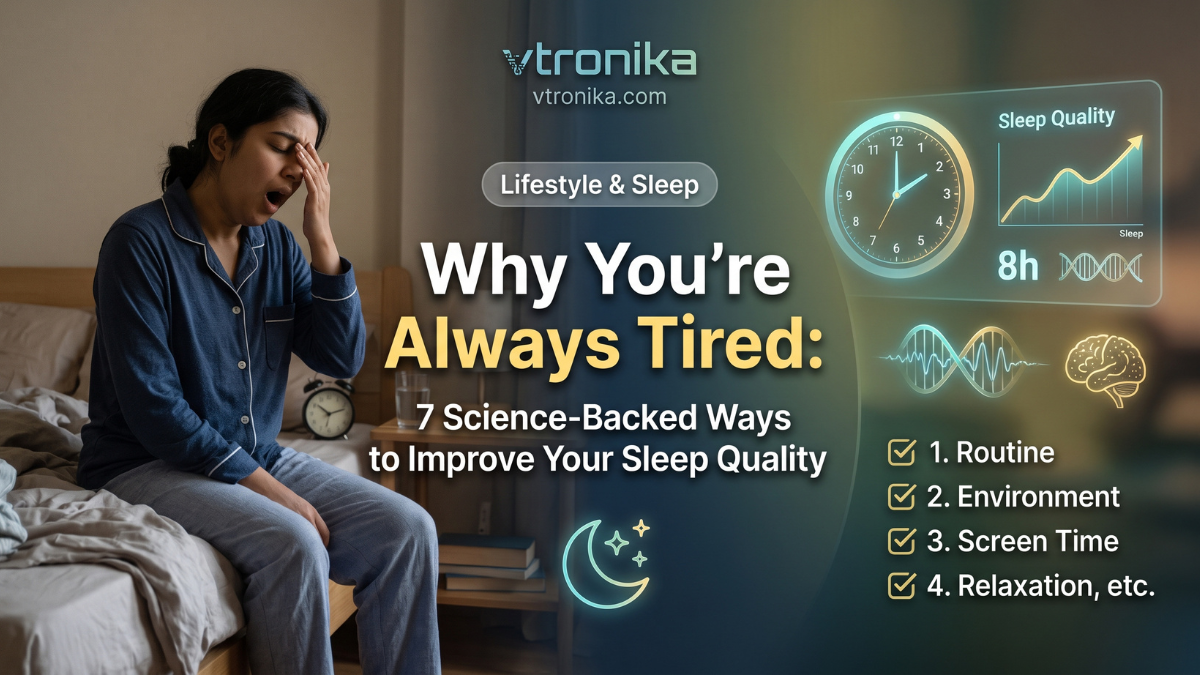
Article 4: The Architecture of Deep Sleep — Biology, Environment, and Routine
Sleep is not passive downtime; it is an active neurological and physiological repair cycle. During slow-wave deep sleep, the brain’s glymphatic system clears neurotoxic waste products, while growth hormone repairs muscular and connective tissues. REM sleep, meanwhile, organizes emotional memories and cognitive processing.
Optimizing sleep architecture depends heavily on your daily light exposure and sleep environment. Regulating core body temperature and shielding the eyes from artificial blue wavelengths allows natural melatonin synthesis to peak on schedule.
- Temperature Regulation: Maintain the bedroom between 18°C and 20°C (65°F–68°F); the body requires a 1°C drop in core temperature to initiate deep sleep.
- Darkness and Sound: Use blackout shades and continuous low-frequency sound (brown or pink noise) to prevent micro-arousals during lighter sleep phases.
- The Caffeine Cutoff: Discontinue caffeine consumption at least 9 to 10 hours before bedtime to allow liver clearance of adenosine receptor antagonists.
Article 5: Emotional Boundaries and Mental Clarity — Guarding Cognitive Energy
Mental health requires active boundary management. Chronic people-pleasing, over-committing to non-essential projects, and continuous emotional availability leave individuals depleted and resentful. Protecting your mental clarity requires defining what enters your cognitive sphere.
Setting boundaries is a protective health measure. When you communicate limits clearly, you preserve time and emotional bandwidth for deep work, meaningful relationships, and self-restoration.
- The Graceful Decline: Practice clear, guilt-free refusals (e.g., “Thank you for thinking of me, but I do not have the capacity to take this on right now”).
- Energy Audits: Categorize weekly commitments into “energizers” and “drainers,” systematically reducing or delegating the bottom 20% of draining tasks.
- Scheduled Solitude: Block out 60 minutes of uninterrupted alone time each week to reflect, read, or process personal thoughts without external input.
Article 6: The Gut-Brain Connection — Digestion, Microbes, and Mood
The enteric nervous system, often called the “second brain,” consists of more than 500 million neurons lining the gastrointestinal tract. Communicating via the vagus nerve, gut microbes produce short-chain fatty acids (SCFAs), GABA, dopamine, and roughly 90% of systemic serotonin, directly shaping daily mood and focus.
Dysbiosis—an imbalance in gut microbial diversity—often manifests as mood swings, fatigue, skin breakouts, and brain fog before gastrointestinal symptoms appear. Supporting your microbiome requires a steady intake of prebiotic fibers and fermented foods, alongside managing chronic mental stress.
- Prebiotic Fuel: Include resistant starches like cooked and cooled potatoes, green bananas, oats, and garlic to nourish beneficial Bifidobacteria.
- Fermented Diversity: Consume small daily servings of kimchi, unpasteurized sauerkraut, or kefir to introduce live, transient probiotic strains.
- Limiting Emulsifiers: Avoid ultra-processed food additives like polysorbate-80 and carboxymethylcellulose, which can erode mucosal gut linings.
Article 7: Domestic Sanctuaries — Crafting Low-Tox, Calming Living Spaces
Your home environment subtly shapes your physical and mental well-being every day. Homes filled with visual clutter, poor ventilation, and synthetic fragrances overstimulate the senses and introduce indoor air pollutants that stress metabolic detoxification pathways.
Creating a restful living sanctuary centers on intentional minimalism and clean air practices. By reducing synthetic chemicals, maximizing natural lighting, and establishing clear spatial zones for work and rest, your home becomes a true refuge.
- Air Purity: Open windows daily for 15 minutes of cross-ventilation, and invest in a true HEPA air filter to capture particulate matter.
- Ditching Synthetic Fragrances: Replace synthetic plug-in fresheners and paraffin candles with 100% beeswax candles or pure essential oil diffusers.
- Visual Decluttering: Maintain clear surfaces in high-traffic areas (nightstands, kitchen islands, desks) to lower background visual cognitive stress.
Article 8: Circadian Light Hygiene — Optimizing Hormones From Dawn to Dusk
Light is the primary environmental cue (zeitgeber) governing human biological clocks. Specialized retinal ganglion cells in the eyes transmit light signals directly to the suprachiasmatic nucleus (SCN) in the hypothalamus, coordinating cortisol, insulin sensitivity, and cellular repair cycles throughout the day.
Modern lifestyles invert natural light exposure: we sit under dim artificial lighting indoors by day (often under 500 lux) and stare at bright LED screens at night. Restoring circadian balance requires flooding the eyes with natural light early in the day and minimizing blue-light exposure after sunset.
- Morning Sunlight Anchor: View direct outdoor daylight for 10–20 minutes shortly after waking, without sunglasses, to set your daily circadian rhythm.
- Daytime Illumination: Work near windows or use high-lumen, full-spectrum daylight lamps during the morning and early afternoon to promote alertness.
- Evening Low-Kelvin Transition: Switch household lighting after 8:00 PM to floor-level lamps with warm amber or red bulbs below 2200K.
Article 9: Authentic Connection and Community — The Social Determinant of Health
Decades of epidemiological research demonstrate that chronic loneliness carries health risks comparable to smoking or physical inactivity. Social isolation elevates systemic inflammation markers (like interleukin-6) and accelerates cognitive decline. True wellness must extend beyond individual routines into meaningful community connection.
Deep connection requires intentional cultivation. In an age of shallow digital interactions, scheduling regular, face-to-face gatherings and engaging in shared experiences builds emotional security and mutual support.
- Unplugged Meals: Host regular, screen-free dinners with friends or family where conversation and shared presence take center stage.
- Shared Rituals: Join local community groups, running clubs, book circles, or volunteer organizations centered on common values.
- Active Listening: Practice deep, uninterrupted listening during conversations without formulating your response while the other person is speaking.
Article 10: Analog Decompression — Replacing Screens With Tactile Rituals
Constantly switching between browser tabs, text messages, and email threads fragments attention and leaves the mind in a state of continuous partial awareness. Relying on digital apps to relax often backfires, as algorithms are designed to hold attention rather than provide closure.
Analog hobbies and tactile habits offer true cognitive rest. Engaging the hands in physical activities—such as handwriting in a journal, gardening, sketching, or preparing a recipe from scratch—quiets internal chatter and encourages deep, single-task flow.
- The Pen-to-Paper Journal: Write three pages of free-form thoughts (stream of consciousness) each morning to clear mental clutter.
- Tactile Crafts: Dedicate 30 minutes in the evening to screen-free tactile hobbies like woodworking, knitting, ceramics, or analog reading.
- Kitchen Grounding: Approach meal preparation as a sensory mindfulness ritual, paying attention to the textures, aromas, and colors of fresh ingredients.
Article 11: Daily Hydration Dynamics — Cellular Fluid Balance and Electrolytes
Chronic dehydration is a common, overlooked driver of afternoon fatigue, tension headaches, and impaired digestion. Drinking large volumes of plain, demineralized water in short bursts often flushes out essential minerals through the kidneys without properly hydrating cellular tissue.
Optimal hydration is an active balancing act involving electrolytes—particularly sodium, potassium, and magnesium. These minerals maintain osmotic balance across cell membranes, enabling muscular contraction, nerve signaling, and efficient fluid retention where it counts.
- Morning Mineral Tonic: Drink 400–500 ml of room-temperature water with a pinch of unrefined sea salt and fresh lemon juice upon waking.
- Steady Sipping: Consume fluids gradually throughout the day rather than chugging large volumes around meal times, which can dilute stomach acid.
- Whole-Food Electrolytes: Incorporate potassium-rich foods like coconut water, avocados, and winter squash alongside magnesium-dense seeds and dark leafy greens.
Article 12: The Art of Sustainable Self-Compassion — Breaking Perfectionist Loops
The biggest obstacle to lasting lifestyle change is perfectionism. People often commit to strict wellness regimes, only to abandon them entirely after a single missed workout or unplanned meal. This rigid all-or-nothing mindset causes cycles of restriction and overindulgence.
Long-term health is sustained by self-compassion, resilience, and flexibility. Viewing lifestyle habits through a lens of curiosity rather than judgment transforms perceived “failures” into useful data points, helping you build routines that adapt gracefully to real-world demands.
- The 80/20 Balance: Focus on nutrient-dense foods and consistent movement 80% of the time, leaving 20% of your choices open for social and lifestyle flexibility.
- Curiosity Over Criticism: When a routine is disrupted, ask “What caused the friction, and how can I adjust?” rather than engaging in negative self-talk.
- Focus on the Next Decision: If you miss a planned habit, avoid spiraling into guilt; focus purely on making a supportive, balanced choice at your next opportunity.