Article 1: Breaking the Fear Barrier: From Hesitation to Independence
The initial obstacle to traveling solo is rarely logistical; it is psychological. Society conditions people to treat exploration as a collective activity, framing solitary adventures as either lonely or hazardous. When prospective travelers think about boarding a flight alone, eating by themselves in a crowded restaurant, or navigating an unfamiliar metro system without backup, fear magnifies every minor uncertainty. Overcoming this barrier requires reframing solitude from social isolation into complete autonomy. Traveling on your own terms eliminates the compromises, schedule negotiations, and energy mismatches that often accompany group dynamics.
Breaking through this initial resistance is best achieved through micro-steps before taking an international leap. Going on a solo weekend trip to a nearby city, dining alone at a local cafe without looking at your smartphone, or spending an afternoon exploring a museum alone builds confidence gradually. When you realize that passersby are occupied with their own lives rather than judging your solitary presence, the self-consciousness dissolves. Independence is a muscle developed through repetition; every successful solo decision reinforces self-reliance, turning initial nervousness into deep personal empowerment.
Article 2: The Solo Mindset Shift: Embracing Solitude vs. Fighting Loneliness
A critical milestone for any independent traveler is learning the distinction between being lonely and being in solitude. Loneliness stems from feeling disconnected, whereas solitude is the intentional practice of existing comfortably with oneself. On the road, solitary moments are not voids waiting to be filled with distraction; they are opportunities to observe surroundings with heightened sensitivity, process personal thoughts, and set an unhurried daily pace. When you travel alone, you engage directly with the environment without the conversational filter of a travel companion.
Solitude naturally fosters meaningful social connection. Groups of travelers frequently create an invisible barrier that locals and fellow travelers hesitate to cross. A solo traveler, by contrast, appears approachable. Striking up conversations with hostel hosts, barista staff, and market vendors happens organically. Embracing this mindset shift transforms dining alone from an awkward chore into an unhurried appreciation of regional cuisine, and turns quiet train rides into reflective respites. Solitude on the road is not an absence of company—it is an abundance of presence.
Article 3: Foundational Solo Safety: Situational Awareness and Intuition
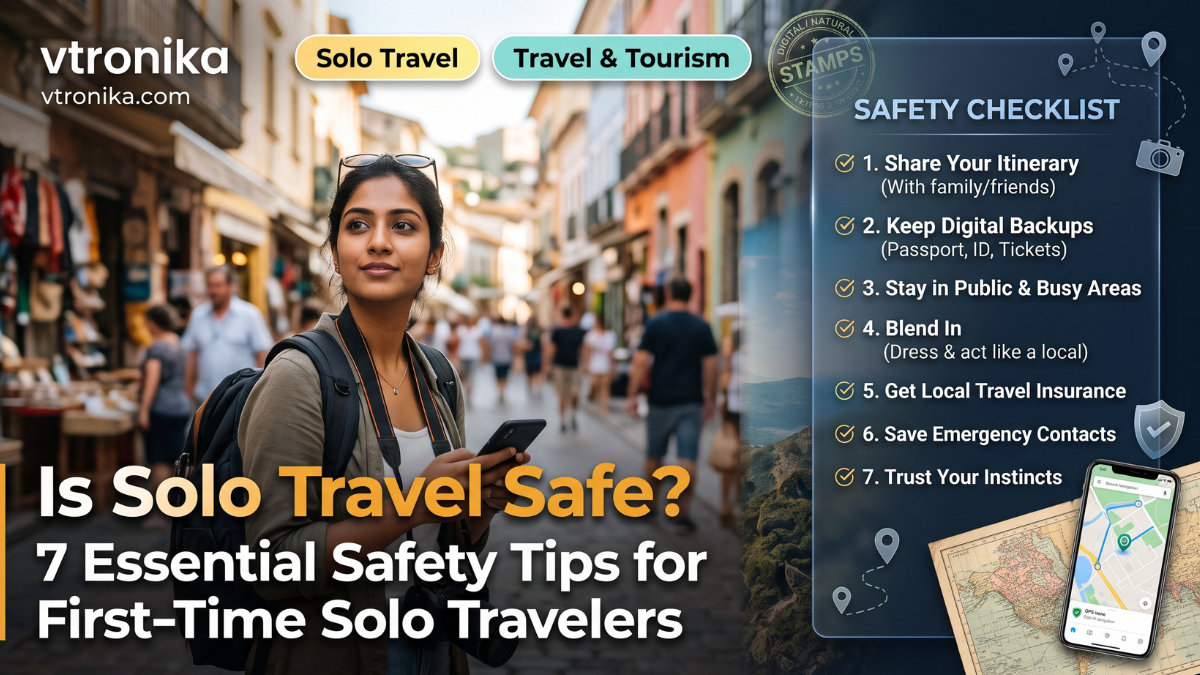
Safety on the road is governed primarily by habits, posture, and proactive awareness rather than physical strength. Developing strong situational awareness does not mean living in constant paranoia; it means staying alert to baseline environmental dynamics. Walking with purposeful direction, keeping your head upright, avoiding looking down at navigation apps while crossing crowded transit hubs, and wearing only one earbud in busy urban areas signal to opportunistic thieves that you are observant and composed.
Your intuition is your most effective security tool. Often described as a “gut feeling,” intuition is the brain’s rapid, subconscious pattern-recognition system detecting anomalies before your conscious mind rationalizes them. If an alleyway feels uneasy, if a friendly stranger asks questions that seem overly intrusive, or if an accommodation setup feels unsafe, exit the situation immediately without apologizing. Social politeness should never supersede personal safety. Setting firm, non-negotiable personal boundaries and declining unwanted attention calmly and assertively keeps situations from escalating.
Article 4: Digital Security and Communications: Tech Safeguards for the Lone Traveler
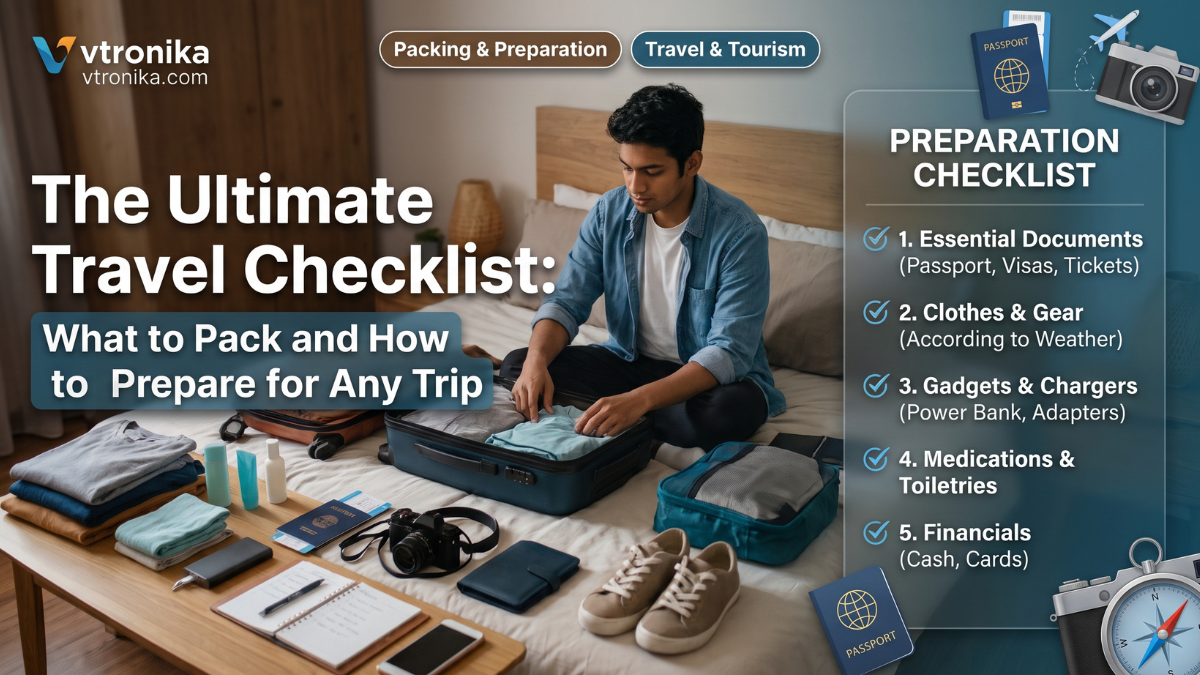
Modern digital tools provide solo travelers with unprecedented security safeguards when configured properly before departure. Before arriving in a new destination, purchase an international eSIM or a local SIM card immediately upon landing to ensure constant internet access. Download offline navigation maps via Google Maps or Maps.me, download the regional language on translation apps, and save digital copies of your passport, visas, travel insurance certificates, and vaccination records to encrypted cloud storage and an offline folder.
Establishing a reliable communication protocol with a trusted contact back home adds a vital layer of oversight. Utilize live location-sharing features through WhatsApp, Apple Find My, or Google Maps with an emergency contact, establishing a routine check-in interval (such as a brief text message every morning or evening). Avoid publishing real-time location updates on public social media platforms; instead, post photos and tag specific accommodations after you have already checked out and moved on. Additionally, carrying a fully charged portable power bank ensures your navigation lifeline never dies while exploring remote streets.
Article 5: Financial Defense: Guarding Cash, Cards, and Valuables Abroad
Financial vulnerabilities can disrupt a solo trip faster than almost anything else. Relying on a single debit card or carrying large amounts of cash in an accessible wallet leaves you completely exposed to pickpocketing, ATM skimming, or banking freezes. A resilient financial setup requires dividing assets across distinct physical locations. Carry your daily spending cash and an everyday card in a basic wallet, while storing primary reserve debit cards, backup credit cards, and emergency hard currency in an internal security pouch or locked inside an accommodation safe.
When making card payments or using foreign ATMs, always reject dynamic currency conversion and opt to be billed in the local legal tender, avoiding inflated merchant exchange rates. Research common scams specific to your destination—such as rigged meters, staged distractions, fake petitions, and rigged currency exchange kiosks—before landing. If targeted by aggressive pickpockets, maintaining composure, having dummy wallets with expired cards, and utilizing contactless smartphone payments minimize loss and keep financial reserves intact.
Article 6: Accommodation Selection: Picking Safe, Social, and Strategic Bases
Where you sleep at night serves as your personal sanctuary, launchpad, and security refuge. Choosing accommodation as a solo traveler requires evaluating factors well beyond the lowest nightly price. Prioritize central, well-lit, and transit-accessible neighborhoods over cheaper alternatives located in isolated industrial fringes or unmonitored outer suburbs. Arriving back at your room late at night should not require walking down poorly lit streets or deserted transit corridors.
Review filtering is crucial when booking guesthouses, boutique hotels, or hostels. Filter reviews specifically by “Solo Travelers” and read feedback from women and first-time adventurers, paying close attention to comments regarding front desk security, 24/7 staff presence, working door locks, and luggage storage. If staying in hostels, choose facilities that offer sturdy in-dorm privacy curtains, individual power outlets, and reinforced under-bed lockers requiring your own padlock. For those seeking community, social hostels with organized walking tours, communal dinners, and quiet co-working rooms strike a balance between effortless socializing and personal privacy.
Article 7: Itinerary Architecture: Balancing Fixed Anchors with Spontaneous Detours
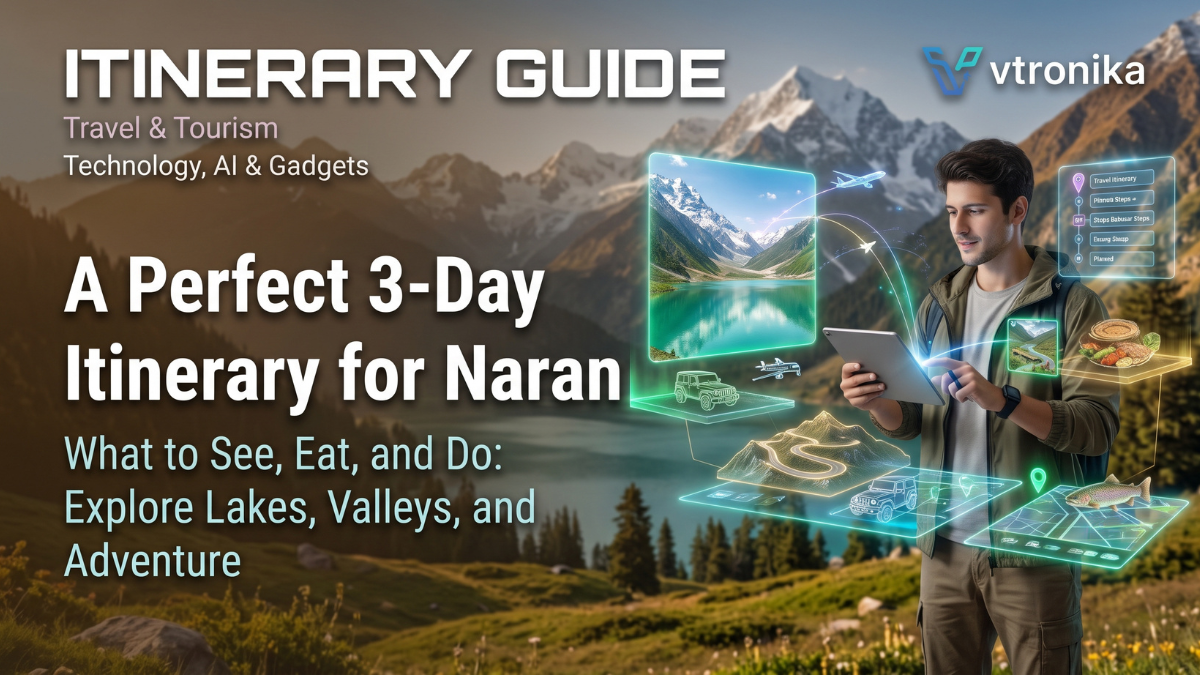
A common mistake made by solo travelers is swinging between two extremes: over-scheduling every minute or arriving with zero structural direction. Over-scheduling creates friction and exhaustion, whereas having no structure leads to decision paralysis. An effective solo itinerary relies on the “Anchor Method.” Schedule one key logistical foundation per day—such as a morning museum entry, a train transfer, or a cooking workshop—and leave the remaining hours open for unstructured exploration.
Unstructured blocks allow you to accept spontaneous invitations, linger in a neighborhood cafe, or rest when travel fatigue sets in without the guilt of missing a packed itinerary. Plan transit legs so that you consistently arrive at new destinations during daylight hours, making orientation easier and minimizing the vulnerability of locating accommodations at night. When building an itinerary, cluster activities geographically to prevent spending half your day crisscrossing a city, conserving both financial resources and physical energy.
Article 8: Mastering Solo Dining: Turning Self-Consciousness into Culinary Joy
Walking into a lively restaurant and requesting a table for one is often cited as the single most intimidating hurdle for first-time solo travelers. The fear of being pitied or feeling awkward often drives travelers into fast-food joints or eating takeout alone in their rooms. In reality, restaurant staff around the world view solo diners routinely, and patrons are entirely absorbed in their own conversations.
To build comfort, start by dining at casual spots with counter seating, open kitchens, and busy food halls where sitting alone feels natural. Bringing a paperback book, a journal, or simply people-watching replaces the anxious reflex of staring at a smartphone screen. Over time, progress to traditional bistros, family-run trattorias, and regional sit-down restaurants. Solo dining allows you to savor flavor profiles, observe culinary techniques, and chat with chefs and sommeliers who often have more time to interact with solitary guests than with busy groups.
Article 9: Building Community: How to Make Genuine Connections on the Road
Traveling alone does not mean living in total isolation. Many solo adventurers report feeling more socially connected on the road than in their regular routines. Because you lack the insular comfort of a companion, you are encouraged to look outward. Making friends on the road requires putting yourself in low-pressure, shared-interest environments where social interaction is the norm.
Join free walking tours, localized cooking classes, scuba excursions, language exchanges, or group day hikes. These settings assemble travelers and locals around a common activity, making introductory conversations effortless. Shared transport like long-distance sleeper trains and hostel communal kitchens serve as natural hubs for exchanging itineraries, comparing travel tips, and planning shared day trips. Remember that friendships made while traveling can be brief yet deeply meaningful; enjoy connections in the present moment without feeling pressured to maintain lifelong correspondence with every acquaintance.
Article 10: Navigating Burnout and Loneliness: Sustaining Long-Term Travel
Travel fatigue and occasional waves of loneliness are normal parts of long-term solo travel. Moving through cities, constantly packing bags, navigating foreign languages, and remaining vigilant can drain your cognitive and physical batteries. When sensory overload and exhaustion appear, forcing yourself to visit yet another historical monument often leads to frustration. Recognizing the signs of travel burnout is essential to preserving your well-being.
When burnout strikes, give yourself permission to step off the tourist track. Book a private room for a few nights, sleep in, stream your favorite movies, wash your laundry, and eat familiar comfort foods. Establish comforting daily micro-routines, such as visiting the same coffee shop every morning or jogging in a local park. Taking rest days does not mean wasting travel time; it is necessary maintenance that restores your energy and curiosity. Solo travel is an ongoing dialogue with yourself, and caring for your physical and mental health ensures your love for the journey endures.