Here is a complete, 12-article series for The Art Of Budget Travel: Travel Smart, Spend Less, See More!, written in clear, publication-ready English with detailed, practical insights.
Article 1: The Budget Travel Mindset: Reframing Scarcity into Freedom
The biggest misconception about budget travel is that it is an exercise in deprivation, where comfort is sacrificed at every turn and every penny is pinched with anxiety. In reality, budget travel is an intentional philosophy centered on resourcefulness, prioritization, and deliberate living. When you eliminate the pressure to indulge in high-cost commercial tourism, you strip away the insulated bubble that separates visitors from the communities they explore. Traveling with a modest budget forces you to rely on local transport, eat where neighborhood residents eat, and engage directly with the environment around you.
Adopting this mindset requires shifting focus from what you possess on the road to what you actually experience. Traditional luxury often isolates travelers in homogenized spaces—air-conditioned private transfers, international chain hotels, and gated resorts that look identical whether you are in Southeast Asia, Central America, or Southern Europe. Choosing budget travel reclaims genuine curiosity, transforming logistical hurdles into spontaneous adventures. You quickly discover that the value of an expedition is not measured by the star rating of your bed, but by the depth of your memories, the conversations you share with strangers, and the self-reliance you cultivate along the way.
Article 2: Flight Hacking 101: Beating the Algorithms and Flying for Less
Airfare frequently represents the single largest upfront expense of any journey, yet it is also the most variable cost. Airline pricing models are governed by dynamic algorithms that fluctuate based on search volume, seasonality, fuel prices, and booking windows. To outsmart these algorithms, flexibility must be your primary weapon. Travelers tethered to exact dates and rigid destination choices will almost always pay a premium, whereas those who allow flight deals to dictate their timing and entry points can consistently cut transit costs by 50% or more.
Utilizing robust meta-search platforms with open-ended search tools—such as exploring entire countries or selecting “Everywhere” as your destination—reveals substantial price discrepancies across neighboring weeks or alternative airports. Consider booking split tickets across budget carriers rather than single-itinerary legacy flights, paying close attention to baggage restrictions and connection windows. Additionally, familiarizing yourself with travel reward programs, low-interest points cards, and mistake fares can turn long-haul flights into affordable transit legs. By remaining adaptable with flight timing and booking during shoulder seasons, you retain control over your overall travel expenditure before you even pack your bags.
Article 3: Accommodation Beyond Expensive Hotels: Hostels, Guesthouses, and Swaps
Accommodation is a daily recurring expense that can rapidly drain a travel fund if approached passively. Fortunately, the global hospitality landscape offers numerous engaging, affordable alternatives to generic commercial hotels. Modern hostels, for example, have evolved dramatically; they are no longer just cramped dormitory bunks for teenagers, but vibrant community hubs featuring private en-suite rooms, co-working lounges, and communal kitchens. Staying in shared spaces immediately introduces you to an international network of travelers, making it easy to share rides, split excursion fees, and exchange real-time safety tips.
Beyond hostels, family-run guesthouses, homestays, and bed-and-breakfasts offer direct cultural immersion while keeping revenue inside the local economy. For longer stays, house sitting and home-exchange platforms allow travelers to secure free accommodation simply by caring for a homeowner’s pets or property while they are away. Similarly, hospitality-exchange networks allow you to sleep in a local host’s spare room, providing deep regional insights that money cannot buy. Shifting away from conventional booking platforms transforms your place of rest into a key cultural highlight of your itinerary.
Article 4: The Culinary Equation: Savoring Local Food on a Modest Budget
Dining out three times a day at tourist-oriented restaurants is one of the fastest ways to exhaust your financial reserves. Navigating meals intelligently does not mean surviving on bland instant noodles; rather, it means aligning your dining habits with how local residents nourish themselves. Street food stalls, municipal produce markets, and neighborhood bakeries consistently serve the freshest, most authentic regional delicacies at a fraction of white-tablecloth prices. A crowded stall patronized by local workers is the most reliable indicator of high turnover, impeccable freshness, and rich traditional flavor.
Balancing your food strategy also involves utilizing kitchen facilities whenever possible. Preparing simple breakfasts and assembling daytime picnic lunches from local grocery stores leaves room in your budget for evening street food expeditions and traditional dinners. Visiting municipal food markets provides insight into local agricultural staples, spices, and regional specialties. Embracing street food, learning basic culinary terms in the local language, and dining away from major monument plazas allows you to eat exceptionally well without inflating your daily tab.
Article 5: Navigating Local Transit: Trains, Buses, Ferries, and Footwork
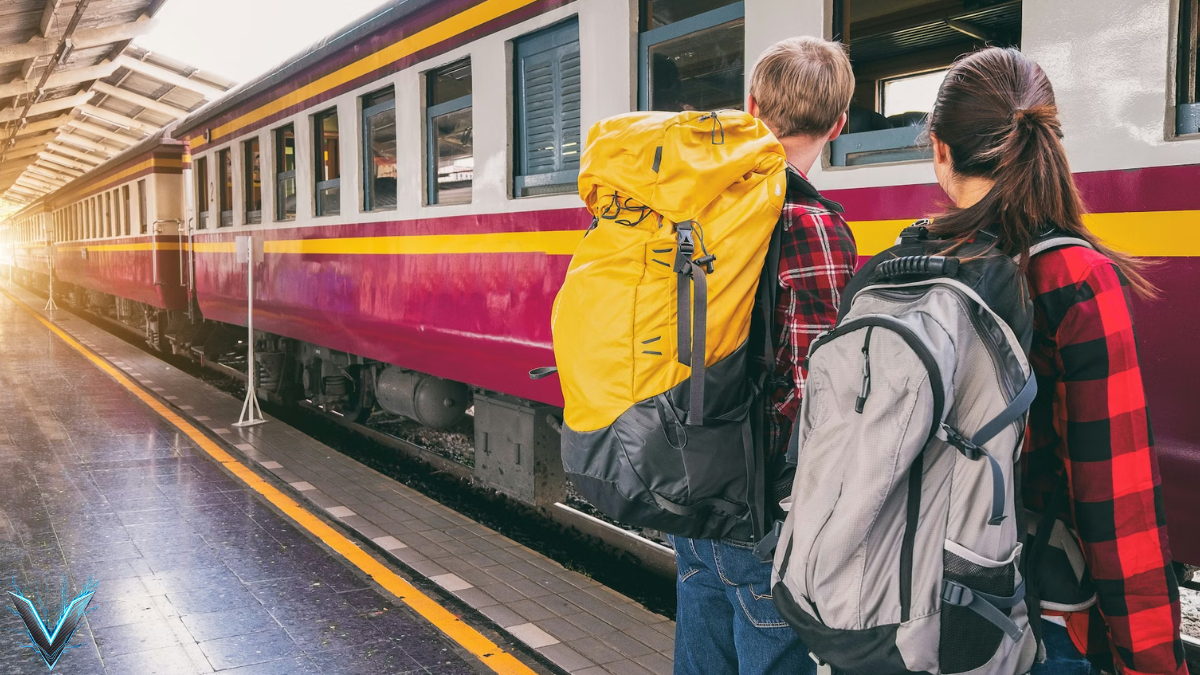
Taxis, app-based ride-hails, and private shuttles offer convenience, but they come at an exorbitant cost and isolate you from daily city life. Mastering a destination’s public transportation network—whether it is an intricate underground metro system, a suburban rail link, a municipal bus, or an inter-island public ferry—drastically reduces ground transit costs. Public transit turns everyday movement into an observational experience, allowing you to witness regular routines, commuter interactions, and vibrant outer neighborhoods that tourist buses bypass entirely.
Furthermore, walking remains the single most rewarding and cost-effective method of urban exploration. Strolling through neighborhood backstreets reveals intimate street murals, architectural anomalies, quiet courtyards, and small artisanal shops that are impossible to spot from vehicle windows. For mid-range distances, public bike-share schemes and budget bus networks offer sustainable, affordable alternatives. When moving between cities, booking overnight sleeper trains or long-distance buses combines transit with accommodation, saving a night’s lodging while maximizing daylight hours for sightseeing.
Article 6: The Art of Packing Light: Saving Money and Moving with Agility
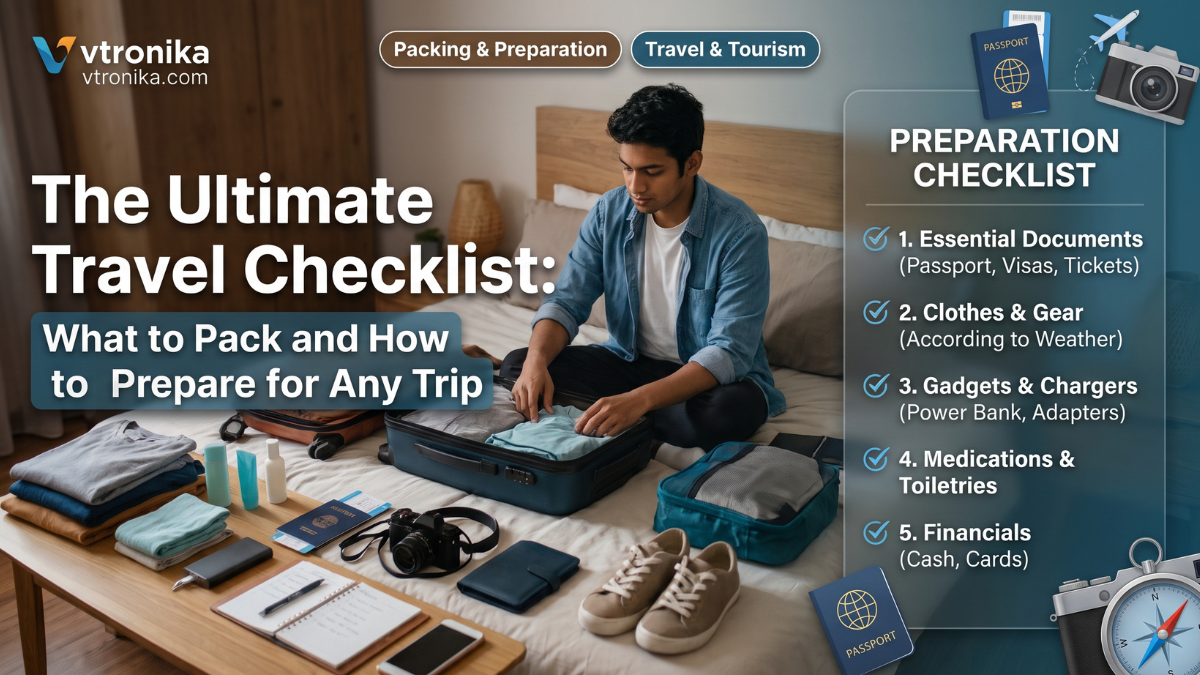
Luggage is directly tied to your mobility, independence, and overall travel budget. Budget airlines rely heavily on ancillary baggage fees to drive profitability, frequently charging more for a checked suitcase than the original base seat fare. Traveling strictly with a single carry-on backpack or compact duffel immediately eliminates checked bag fees, bypasses lengthy baggage reclaim carousels, and removes the risk of lost luggage during complex transit connections.
A streamlined packing setup requires embracing a minimalist wardrobe based on versatile, quick-drying layers and neutral tones that can be mixed, matched, and hand-washed in a sink overnight. Limiting your belongings forces you to bring only what is truly essential, liberating you from the physical strain of dragging oversized rolling suitcases over cobblestone alleys, dirt paths, and steep stairways. Traveling light preserves your physical energy and grants you the agility to walk from transit hubs directly to your accommodation without needing an expensive taxi ride.
Article 7: Finding Free and Low-Cost Experiences in World-Class Destinations
The most memorable sights in any global destination are often open to the public completely free of charge. Major cities maintain public parks, historic walking trails, ornate public libraries, architectural viewpoints, and places of worship that require no paid tickets to explore. Additionally, world-renowned museums, botanical gardens, and heritage centers regularly host free-admission evenings, community open houses, or pay-what-you-wish afternoons.
Before arriving in a new city, research community event calendars for open-air concerts, cultural street festivals, and free walking tours led by local historians and university students. While free walking tours operate on voluntary gratuities, they offer rich context, neighborhood orientation, and curated local recommendations that outshine expensive commercial hop-on-hop-off buses. Prioritizing nature walks, public waterfronts, and self-guided architectural tours ensures a rewarding cultural itinerary that costs almost nothing.
Article 8: Slow Travel: How Staying Longer Cuts Expenses and Deepens Culture
Rapidly hopping from city to city across short timeframes creates a relentless cycle of exhaustion and elevated expenses. Fast travel multiplies transport fees, increases relying on convenience food, and forces reliance on overpriced, central accommodations. In contrast, adopting a slow travel approach—spending several weeks or months in a single region or city—delivers substantial financial savings alongside profound personal rewards.
Staying longer in one location unlocks discounted weekly and monthly rental rates on apartments and guesthouses, dramatically reducing average nightly costs. It also enables you to shop at wholesale markets, cook healthy home meals, and establish consistent daily routines. As you spend time in a neighborhood, local shopkeepers, cafe owners, and neighbors begin to recognize you, opening doors to authentic friendships, local pricing, and invitations into community life. Slow travel trades superficial bucket-list checklists for lasting cultural depth.
Article 9: Managing Money Abroad: Avoiding ATM Fees, Scams, and Hidden Margins
Financial efficiency on the road is determined not only by what you buy, but also by how you pay for it. Traditional retail banks often impose substantial foreign transaction fees, poor currency conversion markups, and steep international ATM withdrawal charges. Left unchecked, these small charges compound over weeks of travel, quietly siphoning hundreds of dollars away from your actual experiences.
To protect your funds, carry debit and credit cards that offer zero foreign transaction fees and reimburse international ATM charges. When paying with a card or using an overseas ATM, always decline the terminal’s offer for “Dynamic Currency Conversion” (DCC) and choose to be billed in the local currency; doing so ensures your home bank provides the true interbank exchange rate rather than an inflated merchant rate. Keeping a secondary backup card stored separately, utilizing encrypted mobile wallets, and carrying a small reserve of clean emergency cash shields you from unexpected banking freezes and street scams.
Article 10: Digital Nomadism and Work Exchanges: Funding Travel on the Go
Traveling long-term without draining your primary savings account becomes achievable when you integrate remote productivity into your journey. The modern global connectivity infrastructure allows freelancers, digital contractors, creative professionals, and remote employees to work from virtually anywhere with reliable internet access. By operating in destinations with a favorable cost of living, travelers can balance work schedules with immersive regional explorations.
For travelers without remote jobs, structured volunteer and work-exchange arrangements provide a compelling alternative. Programs that connect volunteers with sustainable farms, rural homestays, language schools, and eco-hostels typically offer free room and board in exchange for 20 to 25 hours of collaborative support each week. These exchanges eliminate routine living expenses while teaching practical skills—such as organic gardening, hostel management, or conversational tutoring—fostering community connections that conventional tourists rarely encounter.
Article 11: Travel Insurance and Healthcare: Protecting Your Wallet from Emergencies
True budget travel is never about being reckless; skipping adequate travel insurance in an effort to save a few dollars is a dangerous gamble that can lead to financial devastation. An unexpected illness, road accident, emergency medical evacuation, or sudden trip cancellation can produce medical bills running into tens of thousands of dollars, instantly wiping out your savings and ending your travels.
Comprehensive travel medical insurance provides a necessary safety net against unforeseen events, covering hospital stays, medical evacuations, dental emergencies, and lost gear. Before purchasing a policy, review terms carefully to verify coverage for activities like scooter rentals, high-altitude trekking, or adventure sports. Researching country-specific entry requirements, carrying basic first-aid supplies, and understanding local pharmacy access gives you peace of mind, ensuring that an unexpected setback remains a manageable situation rather than a life-altering crisis.
Article 12: Off-Season and Shoulder-Season Exploration: Timing Is Everything
Timing is the final and most powerful lever in the budget traveler’s toolkit. Traveling to popular tourist destinations during peak summer weeks or major holiday breaks guarantees maximum crowds, congested public transit, and inflated rates for lodging and tours. Shifting your travel window to the “shoulder season”—the period directly before or after peak tourist months—yields identical architectural beauty, milder weather, and lower costs across every category.
During shoulder and off-peak seasons, hoteliers, tour operators, and transport companies lower rates to maintain consistent occupancy, giving budget travelers access to higher-quality accommodations at deep discounts. Furthermore, iconic landmarks and natural parks are free from long queues and congested viewpoints, allowing you to appreciate historic spaces in peaceful reflection. Planning trips around smart seasonal shifts allows you to explore the world’s most sought-after destinations without the stress of peak pricing or overwhelming tourist crowds.