Article 1: The Rhythm of Rural Dawn – Waking Up to Nature’s Pace
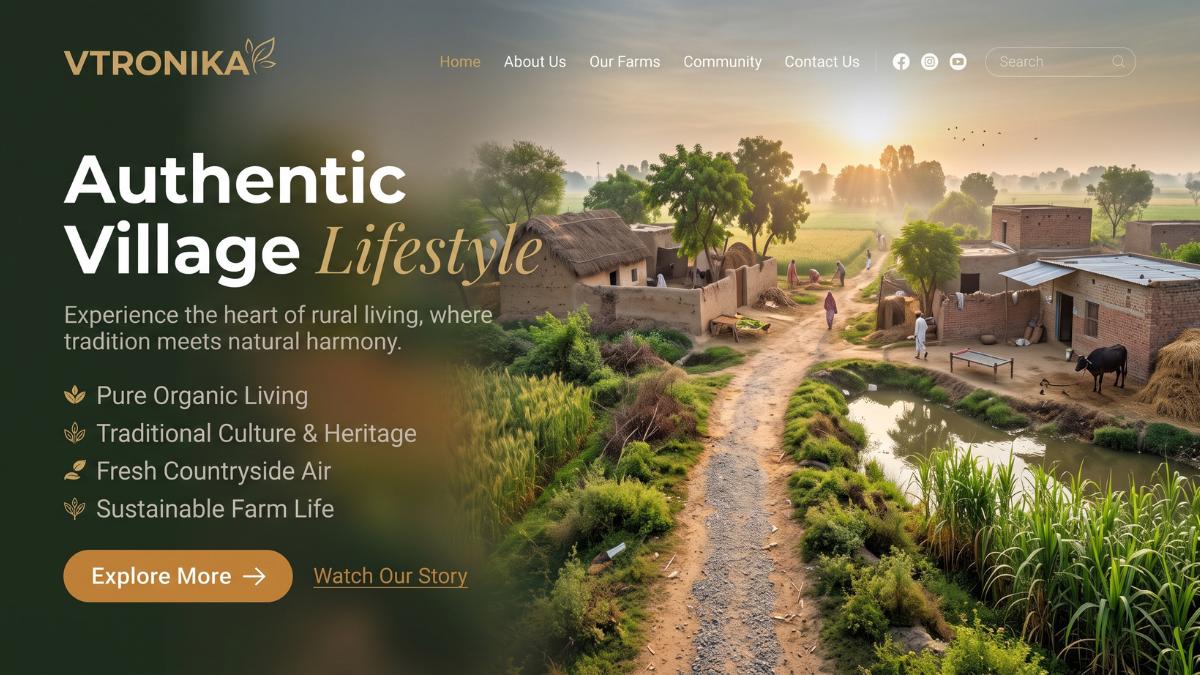
In village life, dawn is not marked by alarms or the roar of urban traffic, but by natural transitions of sound and light. The day begins with roosters crowing, cattle stirring in their pens, and a cool breeze moving through open fields. Villagers head out before sunrise, walking unpaved dirt trails flanked by morning dew on grass and crops.
This early rising routine synchronizes daily activity with the sun. Breathing clean, ozone-rich air away from industrial smog sharpens the senses, while the quiet morning calm provides mental clarity. Experiencing dawn in a village reveals a slower, more deliberate cadence where daily work aligns directly with nature’s schedule rather than artificial deadlines.
Article 2: Earthen Architecture – The Sustainability of Mud and Stone Homes
Rural dwellings showcase centuries of sustainable design adapted to local climates. Constructed from locally sourced mud, straw, clay, timber, and stone, these traditional homes maintain natural thermal balance. The thick earthen walls absorb daytime heat and release it during chilly nights, keeping interiors cool during summer and warm in winter.
Courtyards and open verandas serve as multi-functional family hubs where cooking, handicraft production, and conversations unfold under open skies. Without reliance on synthetic insulation or power-hungry air conditioning, village architecture demonstrates how functional, comfortable living spaces can exist in balance with the surrounding environment.
Article 3: Pure Farm-to-Table – The Flavor and Vitality of Village Cuisine
Rural cuisine focuses on seasonal, unprocessed ingredients harvested hours before consumption. Meals revolve around crops grown in nearby fields—unrefined grains, heirloom lentils, sun-ripened vegetables, and cold-pressed mustard or sesame oils. Dairy arrives fresh from grazing buffaloes and cows, transformed by hand into thick yogurt, pure butter, and fresh ghee.
Cooking takes place over wood-fired mud hearths (chulhas) or earthen tandoors, infusing flatbreads and slow-simmered stews with a subtle, smoky flavor that modern kitchen appliances cannot replicate. Free from artificial preservatives, excessive processing, and industrial transit times, village food preserves nutrient density and delivers an authentic, grounding taste of the land.
Article 4: The Village Well and Baithak – Social Cohesion in Open Spaces
The communal structure of a village depends on shared public spaces that encourage daily interaction. Central gathering spots—whether a shaded village well, an ancient banyan tree, or a communal baithak furnished with woven charpais (daybeds)—function as informal community halls.
Here, elders gather in the late afternoon to share tea, discuss seasonal harvests, resolve neighborhood disputes, and pass down oral folklore. Children play freely across shared yards without digital screens. This daily proximity builds tight-knit social networks where neighbors rely on one another, fostering deep interpersonal trust and resilience that shields communities from social isolation.
Article 5: The Agricultural Cycle – Sowing, Tending, and Harvesting the Earth
Everyday village life is tied to the agricultural calendar. From tilling soil and canal irrigation to weeding, pruning, and harvesting, survival and celebration follow the seasonal monsoons and planetary cycles. Working the land demands physical effort, patience, and direct collaboration among farming families.
Harvest seasons transform villages into active hubs of shared labor, where extended families join forces to cut grain, thresh wheat, or pick cotton. The physical exertion of field work connects individuals directly to the food supply chain, fostering an instinctual respect for rainfall, soil health, and seasonal limits that city life often obscures.
Article 6: Vanishing Crafts – Handlooms, Pottery, and Folk Art
Rural villages preserve traditional artisan crafts passed down through generations. Master potters shape earthenware jugs, clay cooking pots, and storage vessels on foot-spun wheels, while weavers operate wooden pit looms to produce handwoven cottons, wool shawls, and textured blankets.
These crafts prioritize local, biodegradable materials over mass-produced plastics and synthetic textiles. Each handcrafted item carries subtle variations that reflect the artisan’s individual technique and heritage. Experiencing these traditions highlights the value of slow production, where skill, utility, and cultural identity take precedence over rapid industrial manufacturing.
Article 7: Living with Livestock – The Symbiotic Bond Between Humans and Animals
Domestic livestock are integral partners in rural households rather than isolated commercial assets. Cattle, working oxen, sheep, goats, and poultry share the living perimeter, providing milk, organic fertilizer, wool, and draught power for farm chores.
In exchange, families provide shelter, fresh grazing fodder, and daily care. Animal manure is dried for clean-burning fuel or composted to enrich farmland, completing a closed-loop organic cycle that avoids chemical inputs. This close daily interaction instills a practical respect for animals, illustrating a mutually dependent relationship developed over thousands of years.
Article 8: Nightfall and Starlit Skies – Reclaiming True Darkness
As the sun dips below the horizon, rural settlements transition into quiet evenings. Without high-intensity streetlamps, commercial signs, or urban light pollution, the village night reveals a clear, star-filled sky.
Villagers retreat to courtyards, lighting small lanterns and wrapping up their evening routines before night settles in completely. The natural darkness triggers healthy melatonin production, supporting deep, undisturbed sleep that aligns with circadian rhythms. Experiencing an unfiltered night sky restores a sense of scale, giving travelers a clear view of constellations and planetary movements rarely visible in metropolitan centers.
Article 9: Rural Festivals and Folk Traditions – Celebrating the Seasons
Village celebrations are tied to natural milestones—harvest festivals, seasonal changes, and traditional lunar calendars. Unlike commercialized holidays, rural festivities involve entire communities through communal cooking, rhythmic drumming, folk dances, and local sports like kabaddi or traditional wrestling.
Communities prepare large cauldrons of festive food to share across homes, while musicians perform regional ballads on traditional instruments. These cultural events reinforce collective identity, honor ancestral roots, and celebrate the land’s bounty, creating shared joy that brings people together regardless of age or background.
Article 10: Lessons from the Village – Bringing Rural Simplicity into Modern Life
An authentic village experience offers more than temporary nostalgia; it serves as a practical model for sustainable, balanced living. Rural life demonstrates that genuine well-being relies on healthy food, physical activity, supportive community relationships, and clean natural surroundings.
While modern technology provides valuable convenience, adopting rural practices—such as eating seasonal produce, setting boundaries with digital devices, spending time outdoors, and investing in neighborhood bonds—helps counter the stress of city life. Remembering the lessons of rural living allows us to cultivate grounded, healthy habits no matter where we live.