1. Intentional Living: The Architecture of an Elevated Daily Routine
An elevated modern lifestyle begins with intentionality—the conscious choice to structure time, attention, and physical environments around what genuinely serves well-being. Rather than operating on reactive autopilot dictated by notifications and external obligations, intentional living introduces structure to everyday chaos.
Reactive Living (Digital overload, fragmented attention, constant urgency)
                                 │
                                 ▼ (Auditing habits & eliminating friction)
Intentional Framework (Time-blocking, low-friction habits, clear boundaries)
                                 │
                                 ▼
Elevated State (Sustained focus, physical vitality, unhurried presence)
The foundation of intentional living rests on habit architecture. High-friction negative habits (such as scrolling immediately upon waking) are replaced by low-friction restorative routines: hydrating with electrolytes, getting natural morning sunlight to set the circadian clock, and reserving the first ninety minutes of the workday for high-leverage cognitive tasks.
By eliminating micro-distractions and decision fatigue, individuals create cognitive margin. That mental space translates into greater emotional presence with family, enhanced professional output, and a persistent sense of agency over one’s life.
2. Integrative Physical Wellness: Moving Beyond Superficial Fitness
Modern physical wellness has evolved far beyond repetitive gym routines and punitive diets. An elevated approach treats the human body as an integrated physiological system requiring balance across functional strength, cardiovascular endurance, joint mobility, and cellular nourishment.
| Pillar of Physical Health | Primary Mechanism | Everyday Application |
| Functional Mobility | Synovial fluid distribution & fascial release | Daily 10-minute ground-based movement and spinal decompression |
| Zone 2 Cardio | Mitochondrial biogenesis & fat oxidation | 150 minutes weekly of conversational-pace walking, cycling, or rucking |
| Hypertrophy & Strength | Mechanical tension & bone mineral density retention | 3–4 weekly resistance sessions focused on compound movements |
| Micronutrient Density | Systemic inflammation reduction & gut microbiome support | Whole-food, polyphenol-rich nutrition free of industrial seed oils |
When physical movement is approached through the lens of longevity rather than short-term aesthetics, workouts become energizing rather than depleting. Consistency replaces burnout, systemic inflammation drops, and the body builds the physical capacity needed to sustain active travel, outdoor recreation, and creative pursuits well into late adulthood.
3. Cognitive Restoration: The Science of Rest, Sleep, and Neuro-Recovery
Modern culture frequently equates non-stop activity with value, leading to chronic sympathetic nervous system activation. Elevating one’s lifestyle requires recognizing deep rest as an active, non-negotiable performance multiplier rather than a passive indulgence.
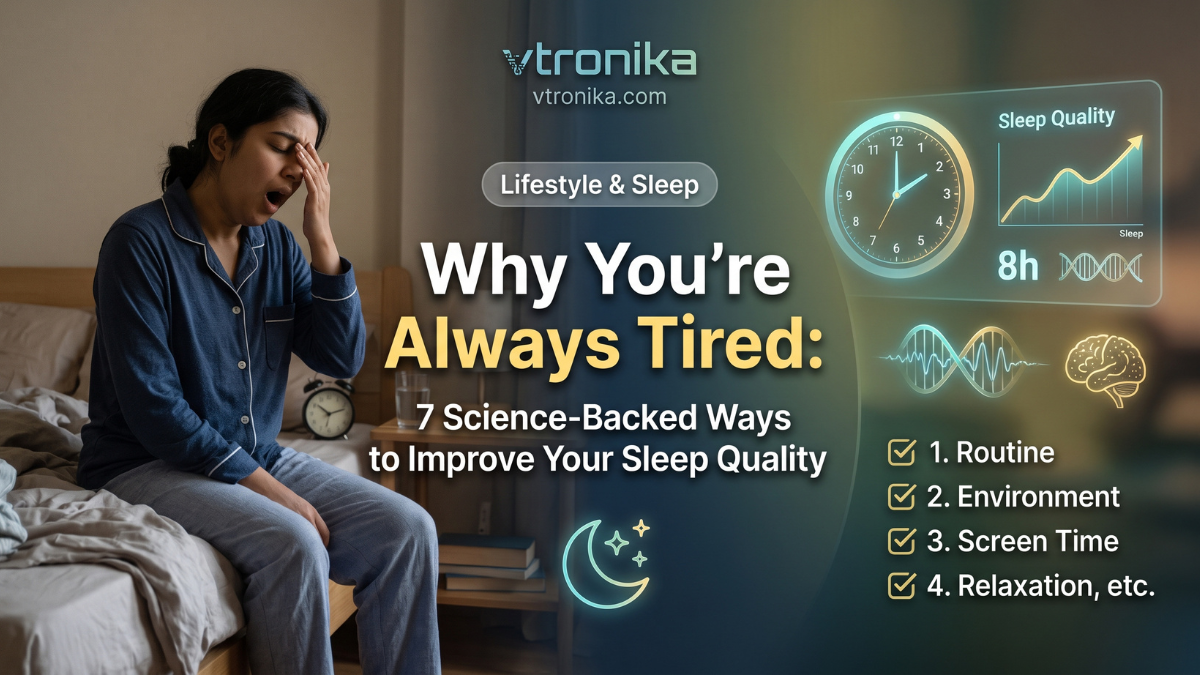
Quality sleep functions as the brain’s internal filtration system. During deep slow-wave sleep, the glymphatic system clears metabolic debris, including beta-amyloid proteins, while REM cycles consolidate memories and synthesize complex emotional experiences. Optimizing this recovery window requires a disciplined sleep hygiene protocol:
- Thermal Regulation: Lowering core body temperature by keeping the sleep environment cool (around 18°C / 65°F).
- Photobiological Anchors: Eliminating blue-spectrum illumination two hours before sleep to allow endogenous melatonin synthesis.
- Nervous System De-escalation: Engaging in parasympathetic breathwork (such as 4-7-8 breathing or non-sleep deep rest) to down-regulate heart rate variability metrics.
Pairing optimal sleep architecture with scheduled micro-breaks during the day prevents cognitive fatigue, keeps cortisol levels stable, and restores mental clarity.
4. Biophilic Design: Crafting Living Spaces That Nourish the Senses
The spaces we inhabit silently shape our mood, hormonal balance, and nervous system state. Elevating the home environment means adopting biophilic design—integrating natural elements, organic textures, and dynamic lighting into residential and work spaces to reconnect with nature indoors.
Sterile, Enclosed Space (Synthetic materials, static light, sensory overload)
                                 │
                                 ▼ (Introducing Biophilic Elements)
[Natural Light Cycles] + [Living Flora] + [Tactile Materials: Wood, Stone, Linen]
                                 │
                                 ▼
Restorative Environment (Reduced sympathetic tone, cleaner air, sensory calm)
Living with indoor plants (such as Ficus lyrata, peace lilies, or snake plants) improves perceived air quality and introduces natural fractals that soothe the visual cortex.
Choosing tactile natural materials—solid timber, unpolished stone, wool, and natural linen—engages the senses gently, replacing the cold sterility of synthetic surfaces. When a home feels like a calm, curated sanctuary, stepping through the front door immediately signals to the body that it is safe to unwind.
5. Digital Minimalism and Sensory Sanctuaries: Reclaiming Focus
The contemporary lifestyle is inundated with endless feeds, push notifications, and algorithmically engineered outrage. Elevating everyday life requires establishing firm boundaries around digital technology to reclaim sustained attention.
Digital minimalism is not about abandoning modern technology; it is about applying intention to how digital tools serve your goals. Implementing digital curfews, keeping phones out of bedrooms, and transforming communication platforms into scheduled batches breaks the compulsive checking loop:
- Notification Triage: Disabling all banner and badge notifications except for direct, real-time family or emergency alerts.
- Analog Sanctuaries: Creating dedicated physical zones in the home—such as a reading nook or dining area—that remain 100% device-free.
- Monotasking: Working in dedicated deep-focus blocks with browser-blockers engaged, rejecting the illusion of productivity through multitasking.
Reclaiming attention from digital feeds frees up hours of discretionary time each week, creating the mental silence required for deep reflection and creative output.
6. The Creative Catalyst: Cultivating Everyday Artistry and Curiosity
Creativity is not the exclusive domain of professional artists; it is a fundamental human drive that enlivens daily routines and deepens personal perspective. An elevated lifestyle treats creative expression as essential self-care, giving imagination regular room to explore without the pressure of commercial monetization.
Engaging in tactile creative practices—gardening, ceramic work, culinary improvisation, film photography, or expressive writing—activates divergent thinking and forces total presence. These analog mediums demand hand-eye coordination and tactile feedback that screens cannot provide:
Curiosity / Unstructured Play
       │
       ▼
Hands-on Tactile Engagement (Cooking, journaling, sketching, crafting)
       │
       ▼
Neuroplastic Adaptation & Novel Connection Formation
       │
       ▼
Elevated Problem Solving in Daily & Professional Life
By carving out regular time for zero-stakes creative hobbies, individuals discover fresh approaches to complex professional problems, relieve emotional stress, and rekindle the curiosity of their youth.
7. Conscious Culinary Arts: Nutrition as Flavor, Fuel, and Ritual
Preparing and enjoying food is one of the most powerful expressions of an elevated lifestyle. Moving past ultra-processed convenience foods and rigid diets opens the door to mindful cooking—celebrating whole, seasonal ingredients prepared with care and culinary appreciation.
Eating well involves learning flavor composition: pairing quality fats (extra virgin olive oil, grass-fed butter), pasture-raised proteins, seasonal heirloom produce, and mineral salts to produce nourishing, satisfying meals. This practice turns cooking from a daily chore into a grounding sensory ritual:
- Ingredient Provenance: Sourcing produce from local farmers’ markets to support regenerative agriculture and consume seasonal, nutrient-dense food.
- The Ritual of Preparation: Chopping aromatics, searing proteins, and blending sauces as an active, screen-free mindfulness practice.
- Commensality: Sharing unhurried meals with family and friends, treating the dining table as an anchor for conversation and connection.
Food experienced as nourishing fuel and social connection transforms everyday eating into a foundational pillar of daily vitality.
8. Environmental Harmony: Minimalist Aesthetics and Sustainable Luxury
Elevating your lifestyle is fundamentally incompatible with cluttered spaces and rapid, disposable consumer cycles. Modern luxury is defined by curation, durability, and ethical sourcing rather than sheer volume.
Minimalism in an elevated lifestyle is not about stark, empty rooms; it is about surrounding oneself only with items that possess genuine functional value, structural beauty, or sentimental meaning:
- Quality over Quantity: Investing in fewer, heirloom-grade furniture pieces, garments, and tools designed to last decades rather than seasons.
- Spatial De-cluttering: Systematically removing items that create visual clutter, opening paths for natural airflow and light.
- Circular Consumption: Supporting ethical brands that prioritize repairability, non-toxic manufacturing, and responsible environmental stewardship.
When possessions are thoughtfully curated, homes feel open and peaceful, maintenance overhead shrinks, and consumption choices align with broader environmental care.
9. Meaningful Social Ecosystems: Cultivating Deep Community and Connection
Human beings are wired for deep social belonging, yet modern urban life often generates superficial digital acquaintances alongside genuine personal isolation. An elevated lifestyle actively designs an authentic, emotionally supportive social ecosystem.
Building deep community requires moving beyond casual texts and social media likes into recurring, in-person shared experiences. Hosting small dinner parties, participating in local athletic or book clubs, and engaging in community initiatives foster trust and mutual reliance:
| Relationship Layer | Focus / Characteristics | Practical Ritual |
| Inner Circle | Deep psychological safety, raw candor, unconditional support | Weekly calls or dedicated one-on-one dinners |
| Shared-Interest Tribe | Growth, skill development, creative camaraderie | Monthly workshops, run clubs, or co-working days |
| Local Community | Civic connection, geographical roots, daily warmth | Supporting neighborhood cafes, markets, and local events |
Prioritizing close relationships provides emotional resilience during difficult seasons, reduces stress-related cardiovascular strain, and enriches life with shared laughter and perspective.
10. Stepping into Your Vibrant World: The Art of Purposeful Exploration
An elevated lifestyle culminates in stepping outward into the world with curiosity, courage, and an open perspective. Living vibrantly means approaching life not as a routine to endure, but as an expansive landscape of cultural, geographical, and intellectual opportunities waiting to be explored.
Exploration does not always require international flights. It begins with developing an explorer’s mindset in everyday environments:
- Local Micro-Adventures: Exploring regional hiking trails, visiting unfamiliar neighborhoods, and attending independent lectures or concerts.
- Continuous Learning: Committing to learning a new language, instrument, or physical discipline each year to stimulate neuroplasticity.
- Cultural Immersion: Traveling with a focus on local history, authentic gastronomy, and cross-cultural understanding rather than superficial resort tourism.
Approaching each day with curiosity, balanced physical vitality, and deep personal boundaries turns life into an engaging, multi-layered journey. Your vibrant world is not a distant reality—it is built through the deliberate, elevated choices you make each day.