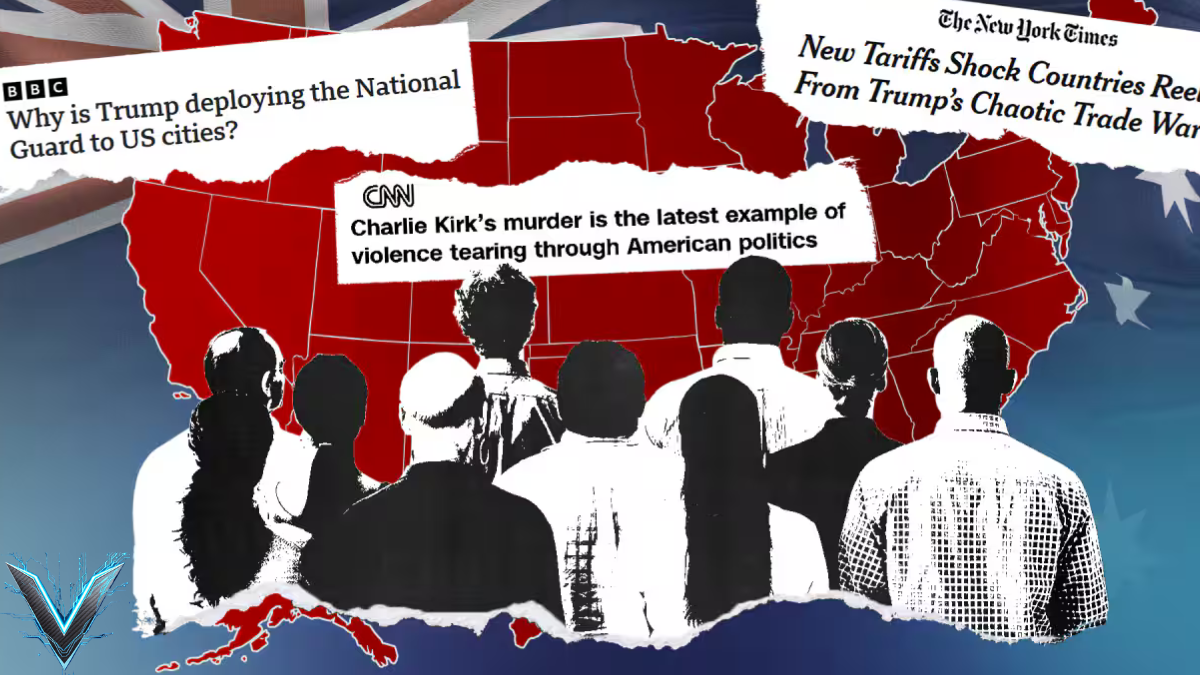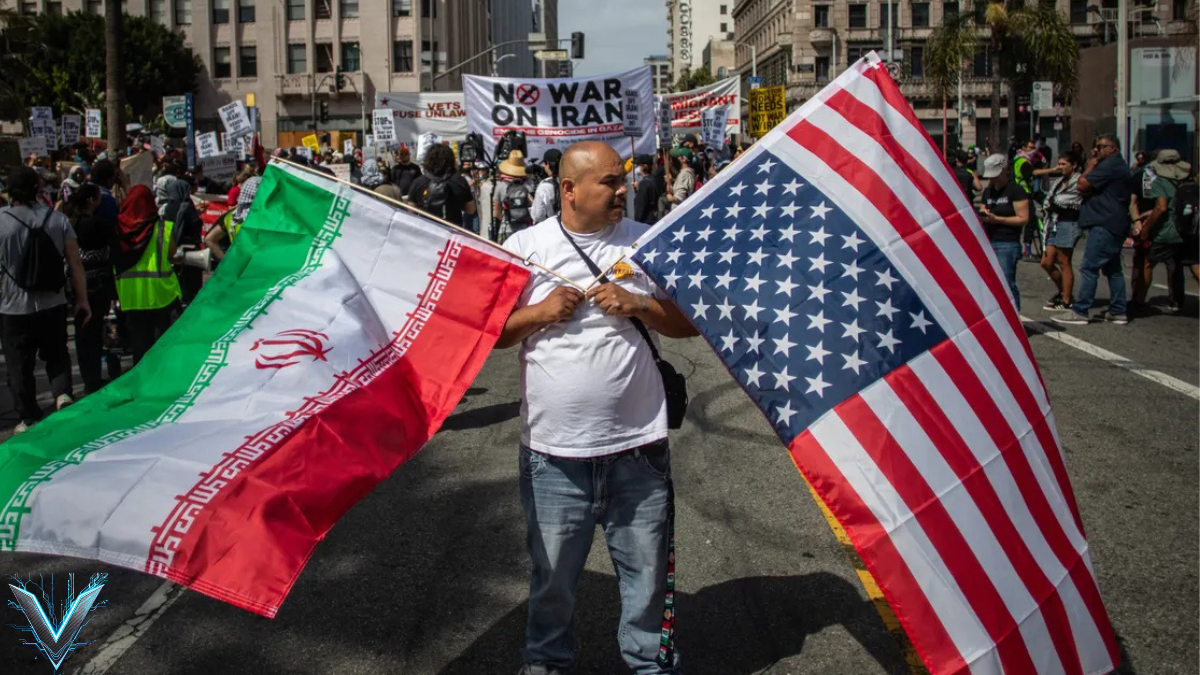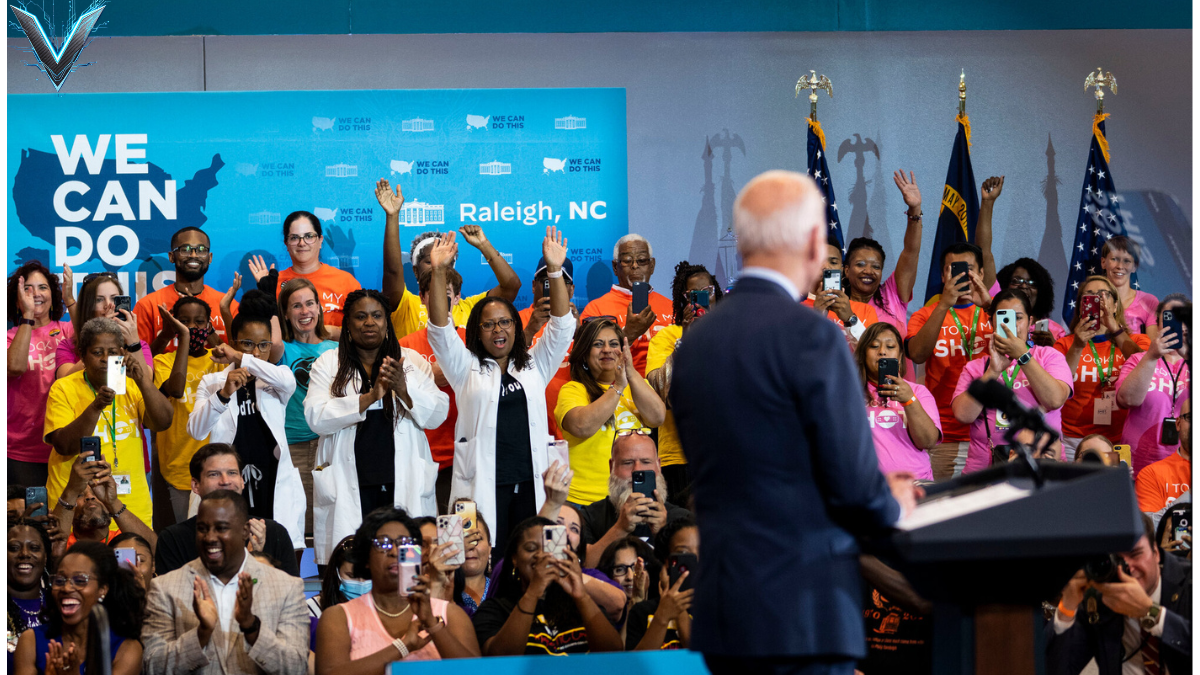

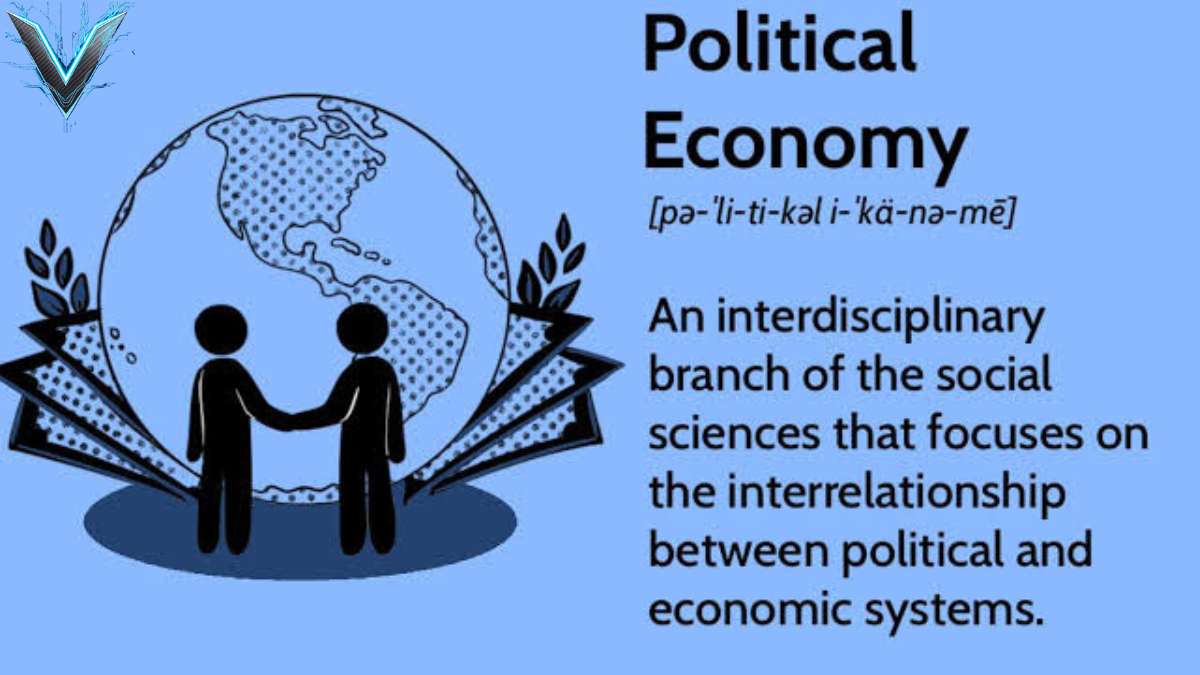
Political economy is the study of the relationship between politics and economics, focusing on how governments, institutions, and individuals influence economic activities and the distribution of resources. The field emerged in the eighteenth century through the work of scholars such as Adam Smith, who explored free markets and economic growth. Later thinkers, including Karl Marx, examined how economic systems shape social and political structures. Throughout history, political economy has played a major role in understanding industrialization, trade, taxation, labor relations, and economic development. Its importance grew as nations faced challenges related to wealth distribution, poverty, and globalization. In the modern world, political economy helps explain how political decisions affect economic outcomes and how economic conditions influence political stability. Government policies on education, healthcare, trade, and public spending directly impact citizens’ quality of life and opportunities. For example, effective economic policies can encourage investment, create jobs, and reduce poverty, while poor governance can lead to inequality and economic decline. Political economy also provides insight into global issues such as climate change, international trade disputes, and financial crises. By examining the interaction between political power and economic resources, the field helps policymakers develop strategies that promote growth, fairness, and social welfare. Understanding political economy is therefore essential for analyzing historical developments and addressing contemporary challenges in an increasingly interconnected world
Article 1: Introduction to Political Economy
Political economy is the study of how political institutions, governments, and economic systems interact to shape society. It examines how power and resources are distributed and how public policies influence economic outcomes. The field combines ideas from economics, political science, history, and sociology to understand complex social issues. Political economy emerged as an important area of study during the eighteenth century when scholars sought to explain the relationship between wealth, trade, and government authority. Early thinkers argued that economic prosperity depended not only on markets but also on political stability and effective institutions. Today, political economy helps explain why some countries achieve economic growth while others face poverty and inequality. It also explores the effects of taxation, trade policies, labor laws, and government spending. Understanding political economy allows citizens and policymakers to make informed decisions about public issues. The subject remains highly relevant because economic and political choices influence employment, education, healthcare, and living standards. By studying political economy, people gain a deeper understanding of how societies develop and how governments can promote prosperity, fairness, and long-term stability.
Article 2: Historical Origins of Political Economy
The origins of political economy can be traced to the eighteenth century, when scholars began systematically studying economic activity and government policy. One of the most influential figures was Adam Smith, whose ideas emphasized the role of markets in creating wealth. Smith argued that individuals pursuing their own interests could contribute to economic growth through competition and exchange. Other thinkers, such as David Ricardo, developed theories about trade and comparative advantage. During the nineteenth century, industrialization transformed economies and raised new questions about labor, inequality, and social welfare. Karl Marx criticized capitalism and argued that economic systems were shaped by class conflict. These debates helped establish political economy as a major field of study. Over time, scholars expanded the discipline to include international relations, development economics, and public policy. Historical events such as industrial revolutions, economic depressions, and global conflicts further influenced political-economic theories. Understanding the historical origins of political economy provides valuable context for analyzing modern economic and political challenges.
Article 3: Political Economy and Government Policy
Government policy plays a central role in political economy because political decisions directly affect economic outcomes. Governments create laws, collect taxes, regulate industries, and provide public services that influence economic activity. Through fiscal and monetary policies, governments can encourage growth, control inflation, and reduce unemployment. Political economy examines how policymakers make these decisions and whose interests are represented. Different political systems may prioritize different economic goals. Some governments emphasize free markets and limited regulation, while others focus on social welfare and public ownership. The effectiveness of government policies often depends on institutional quality, transparency, and accountability. Political economy also explores how interest groups, businesses, and voters influence public policy. In many countries, debates over taxation, healthcare, education, and infrastructure reflect broader political-economic priorities. By studying these relationships, political economy helps explain why economic policies vary across countries and why some approaches succeed while others fail. The field highlights the importance of balancing economic efficiency with social equity in policymaking.
Article 4: Political Economy and Economic Growth
Economic growth is one of the most important topics in political economy. Growth occurs when a country increases its production of goods and services over time, improving living standards and creating opportunities for citizens. Political economy examines the factors that promote or hinder growth, including government policies, institutions, education, technology, and investment. Stable political systems often encourage economic development by providing security and predictable regulations. Strong property rights and effective legal systems can attract investment and stimulate entrepreneurship. Conversely, corruption, political instability, and weak institutions may discourage economic activity and slow development. Political economy also considers the distribution of growth benefits. While growth can reduce poverty, it may also increase inequality if wealth becomes concentrated among a small group. Policymakers therefore face the challenge of promoting economic expansion while ensuring that benefits are shared broadly. Understanding the political and economic conditions that support growth is essential for creating sustainable development strategies.
Article 5: Political Economy and Inequality
Income and wealth inequality are major concerns in political economy. Inequality refers to differences in the distribution of resources, opportunities, and economic outcomes among individuals and groups. Political economy investigates the causes and consequences of these disparities. Factors such as education, taxation, labor markets, and government policies can influence levels of inequality. Some economists argue that moderate inequality may encourage innovation and investment, while excessive inequality can create social tensions and limit economic mobility. Political institutions play a key role in determining how resources are distributed and whether disadvantaged groups have access to opportunities. Governments often use social programs, progressive taxation, and public services to reduce inequality and support vulnerable populations. Political economy also explores how unequal distributions of wealth can influence political power and decision-making. Understanding inequality is important because it affects social cohesion, economic performance, and democratic participation. The study of political economy helps identify policies that promote fairness while maintaining economic growth.
Article 6: Globalization and Political Economy
Globalization has significantly shaped modern political economy by increasing the movement of goods, services, capital, and information across borders. Advances in technology and transportation have connected economies more closely than ever before. Political economy examines the benefits and challenges of globalization. Supporters argue that international trade promotes economic growth, creates jobs, and increases consumer choice. Critics point to concerns about labor standards, environmental impacts, and economic dependence. Governments play an important role in managing globalization through trade agreements, regulations, and economic policies. Political economy also studies how globalization affects national sovereignty and political decision-making. While some countries have benefited greatly from global integration, others have struggled to compete in international markets. The effects of globalization vary depending on institutional strength, economic structure, and policy choices. Understanding globalization through a political-economic perspective helps explain contemporary debates about trade, migration, and international cooperation.
Article 7: Political Economy and Development
Political economy provides valuable insights into why some countries achieve development while others remain poor. Development involves improvements in income, education, healthcare, infrastructure, and overall quality of life. Political economists emphasize the importance of institutions, governance, and policy choices in shaping development outcomes. Effective governments can create conditions that encourage investment, innovation, and social progress. Factors such as political stability, rule of law, and public accountability often contribute to successful development. In contrast, corruption, conflict, and weak institutions may hinder progress. Political economy also examines the influence of international organizations, foreign aid, and global markets on developing countries. Development is not only an economic process but also a political one involving choices about resource allocation and social priorities. By analyzing these factors, political economy helps identify strategies for reducing poverty and promoting sustainable growth.
Article 8: Political Economy and Public Services
Public services such as education, healthcare, transportation, and social welfare are central topics in political economy. Governments provide these services to improve citizens’ well-being and support economic development. Political economy studies how public resources are allocated and how policy decisions affect service quality and accessibility. Different political systems adopt different approaches to funding and managing public services. Some rely heavily on government provision, while others encourage private-sector participation. Debates often focus on efficiency, equity, and affordability. Access to quality public services can enhance productivity, reduce poverty, and promote social mobility. Political economy also examines the influence of political interests and budget constraints on service delivery. Understanding these dynamics helps policymakers design programs that meet public needs effectively while maintaining fiscal responsibility.
Article 9: Political Economy and Environmental Challenges
Environmental issues have become increasingly important in political economy. Economic growth often depends on the use of natural resources, but excessive exploitation can lead to environmental degradation. Political economy explores how governments, businesses, and citizens respond to challenges such as climate change, pollution, and resource scarcity. Policies such as carbon taxes, environmental regulations, and renewable energy incentives aim to balance economic development with environmental sustainability. Political economy also studies the role of international cooperation in addressing global environmental problems. Different countries may have competing interests regarding environmental policies, making cooperation complex. Understanding the political and economic dimensions of environmental issues is essential for developing effective solutions. The field highlights the need for policies that protect natural resources while supporting economic prosperity and social well-being.
Article 10: Real-World Impacts of Political Economy
Political economy has a direct impact on everyday life because political and economic decisions influence employment, income, education, healthcare, and social opportunities. Government policies determine tax rates, public spending priorities, and business regulations that affect individuals and communities. Political economy helps explain why economic outcomes differ across countries and why some societies experience greater prosperity than others. It also provides tools for analyzing issues such as inflation, unemployment, inequality, and economic crises. In the real world, political economy shapes both national development and global relations. Understanding how political power and economic resources interact allows citizens to participate more effectively in public debates and democratic processes. As societies face challenges such as technological change, globalization, and environmental sustainability, political economy remains a valuable framework for understanding complex issues and developing informed solutions. Its insights continue to guide policymakers, researchers, and citizens seeking to build more prosperous and equitable societies.